Getting Your BSN and Settling In: The Netherlands First-Month Guide (2026)
Dutch bureaucracy is genuinely good — digital, English-friendly, fast — but it's built as a chain: everything hangs off one number you get at one appointment. Here's the whole first month in dependency order, so payroll, banking, insurance and the tax office all unlock in week one instead of month two.
Quick answer
The chain: ① BRP registration at your gemeente (staying 4+ months = full registration at your address; book before you land — big-city slots run out) → issues your ② BSN (citizen service number: the key to payroll, bank, insurance, everything) → ③ DigiD (digital identity — apply immediately, activation letter takes days) → ④ bank account → ⑤ health insurance (mandatory once the duty triggers — typically with your job — retroactive premiums, so don't drift; claim zorgtoeslag if income-eligible) → ⑥ residence-card pickup at the IND desk. Do ① the week you arrive; the rest cascades in days.
Step ①: BRP registration — the appointment everything waits for
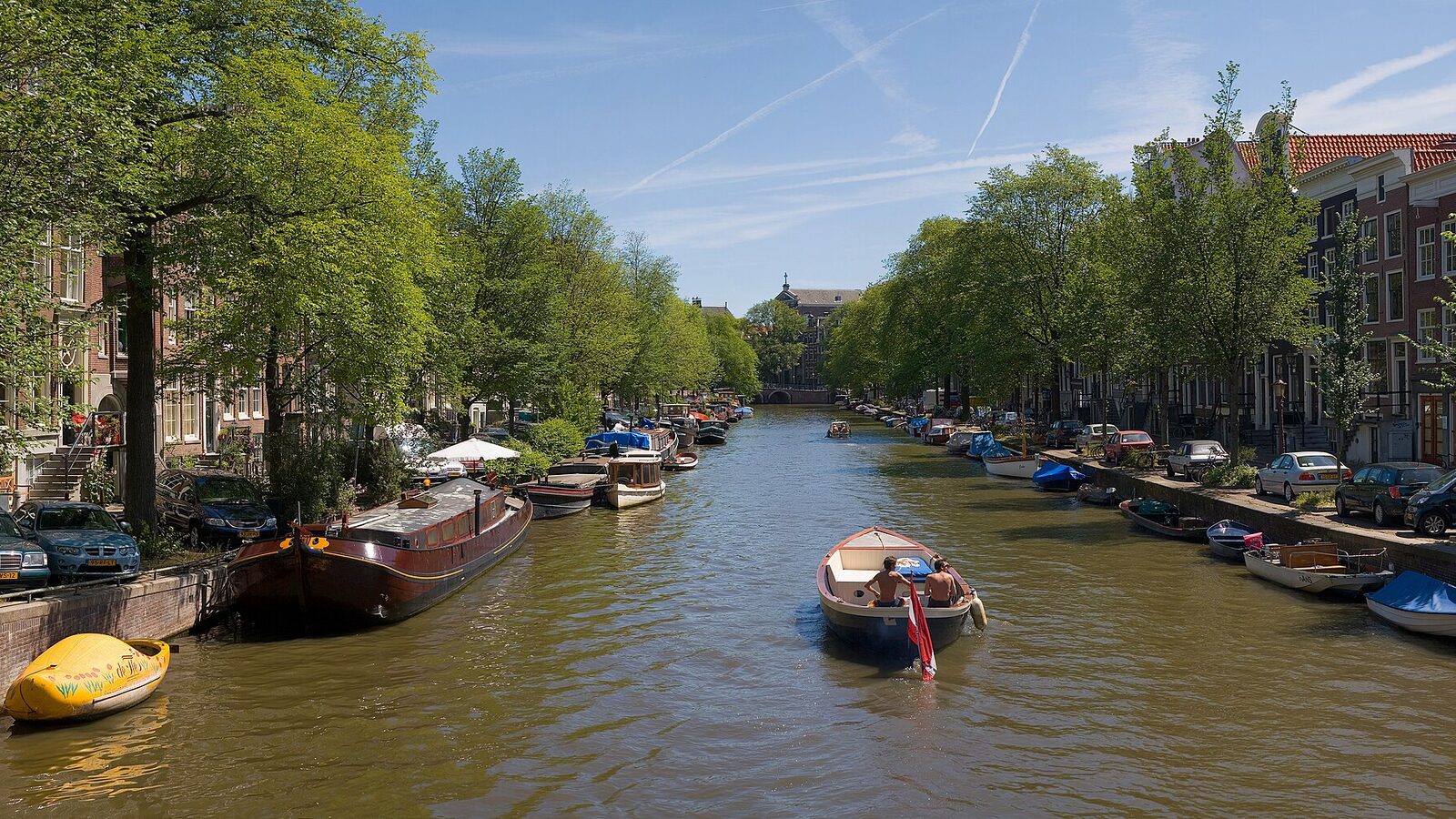
The Basisregistratie Personen is the national person-record; registering in it at your Dutch address is both a legal duty (for stays over 4 months) and the practical genesis of your Dutch existence. Mechanics: book the gemeente appointment before you fly — Amsterdam, Utrecht and The Hague queue weeks in peak months; bring passport (+ MVV/residence endorsement), your rental contract or landlord statement (the address must be registerable — confirm this before signing any sublet; "no registration" listings are non-housing for immigration purposes), and for some situations a legalised, translated birth certificate (bring it apostilled anyway — it future-proofs marriages, children, naturalisation). Partners/children register in person too, with legalised civil documents. The appointment is free.
Step ②: the BSN — and what it unlocks
The burgerservicenummer arrives at or days after registration. It is the single credential the Dutch machine runs on: payroll (no BSN = emergency tax tariff — employers can start you, but you'll overpay until it lands), banking (banks require it or chase it within weeks), health insurance, the Belastingdienst, pensions, allowances, your GP's system. Guard it like a card number: it's requested legitimately by employers, banks, insurers, landlords occasionally — and phished by scammers; the government never asks for it by SMS. Staying under 4 months (seasonal work, short contracts)? The RNI desks (non-resident registration, in ~19 cities) issue BSNs without full address registration — the designed lane for short-stayers.

Steps ③–⑥: the cascade
- DigiD (day of BSN): apply at digid.nl with the BSN; an activation letter posts to your registered address in ~3 working days. Without it you can't file taxes, claim allowances, view your health records or talk to most agencies online — it is functionally your login to the state;
- Bank (same week): Dutch IBAN with passport + BSN (+ residence card/endorsement); fintechs bridge the gap if a branch queue is long, but a Dutch bank matters for one under-documented reason: iDEAL — the payment rail the entire Dutch internet runs on — plus automatic incasso for rent and insurance;
- Health insurance (the deadline with teeth): once your insurance duty starts — employment, or residence under the long-term-care act's criteria — you have 4 months to take out basisverzekering, and premiums apply retroactively to the duty's start; uninsured drift triggers CAK warnings and eventually fines. Premiums ~€150/month; pick your deductible (the standard eigen risico is €385 — see government.nl's health-insurance pages) and model on the comparison sites; claim zorgtoeslag via DigiD if income-eligible — real money monthly. EU students without jobs, posted workers and some remote cases sit outside the duty — verify with the SVB's Wlz-check rather than guessing;
- Residence card: collect biometric card at the IND desk (your sponsor/employer books or instructs); the endorsement sticker bridges until then;
- The trailing items: liability insurance (cheap, expected), contents insurance, GP (huisarts) registration — do it before you're sick; practices close books, and the huisarts is the gatekeeper to all Dutch healthcare — dentist likewise, and the municipal waste/parking apps of your city.
The dependency map
| Blocked | Unblocked by |
|---|---|
| Normal payroll tax | BSN to employer |
| DigiD | BSN + registered address (letter) |
| Zorgtoeslag, tax filing, allowances | DigiD |
| iDEAL, incasso, deposits back | Dutch bank (BSN) |
| GP, pharmacy, declarations | Insurance policy (BSN) |
| Everything above | BRP appointment — book it first |
A realistic week-by-week first month
Week 1: gemeente appointment (booked pre-flight) → BSN issued or promised; DigiD application the same evening; bank appointment or fintech onboarding; employer gets the BSN the moment it exists; insurance comparison shortlisted. Week 2: DigiD activation letter arrives → activate, then immediately: zorgtoeslag check, Belastingdienst account, MijnOverheid inbox (the government's message centre — official post increasingly arrives there, unread-at-your-peril); basisverzekering concluded, incasso from the new bank; IND card pickup if scheduled. Week 3: huisarts and dentist registration (call around — first practices may be full); liability + contents insurance; phone plan on iDEAL; municipal apps (waste calendar, parking where relevant). Week 4: loose ends — pension-scheme paperwork from the employer's fund, the 30%-ruling evidence file if applicable, and the small pleasant discovery that you're done: the Dutch machine, once fed its number, mostly stops asking. Total cost of the entire sequence beyond insurance premiums: effectively zero — the appointments are free, the cards modest — which makes the Netherlands the cheapest arrival bureaucracy of any country in this series, provided you respected the one rule that governs it all: the address came first.
The 30% ruling and taxes, briefly
If you arrived as a skilled migrant, your employer may apply for the 30% facility (expat tax advantage; salary norms and post-2024 tapering apply — the employer's payroll provider handles the application, but it needs your cooperation on the eligibility evidence, including proof you were recruited from abroad: keep your foreign registration/deregistration papers). First tax season: the Belastingdienst's M-form (migration year) is the one return worth doing carefully or having done — arrival-year splits routinely produce refunds. All of it flows through DigiD; none of it flows without the BSN. The chain, again.
Key takeaways
- Book the gemeente BRP appointment before you fly — 5-day duty, weeks-long queues, everything downstream waits on it.
- BSN = the master key; RNI desks serve stays under 4 months.
- DigiD immediately — the state's login; letter takes days.
- Insurance: 4-month window, retroactive premiums — enrol with the first payslip; claim zorgtoeslag.
- Registerable address is non-negotiable — verify before signing; GP registration before you need one.
FAQ
Can I work before my BSN arrives?
Yes — employers can onboard you pending the number, at the emergency tax tariff; it reconciles once the BSN lands. Don't let a slow gemeente slot delay a start date, but don't let the overtaxed limbo run months either.
My landlord forbids registration — what now?
Walk away if you can: without BRP registration you have no BSN path, no DigiD, no insurance, no normal payroll. "No registration" housing is a bureaucratic dead zone the Dutch system does not route around.
Do I need Dutch for any of this?
The counters and letters function in English remarkably well, and gemeente staff switch readily. But the letters that matter arrive in Dutch, and the A2 inburgering exam waits at year five — a head start via Language Lab's Dutch track costs nothing and compounds.
What about deregistering when I leave?
Deregister from the BRP before you leave — it stops insurance duty, municipal taxes and allowance clocks cleanly, and preserves the record every future Dutch (or EU) application reads.
Sources (official only)
- BRP registration and BSN: government.nl — personal records database (BRP); RNI: rvig.nl — registration of non-residents
- DigiD: digid.nl
- Insurance duty, 4-month rule and zorgtoeslag: government.nl — health insurance; Wlz assessment: svb.nl; allowance: belastingdienst.nl
- Residence-card collection: ind.nl
Verified against the official portals as of 22 July 2026. Municipal practice varies in booking mechanics. Information, not legal advice.