Cost of Moving to Costa Rica – Full Budget Guide
Moving to Costa Rica involves budgeting for visa fees, international shipping, housing, daily living costs, health insurance, and setting up banking. Use SettleBuddy's Visa AI to calculate exact fees, Housing AI to find affordable homes, and Language Lab to master Spanish, ensuring a smoother transition and realistic budget planning.
Quick answer
Moving to Costa Rica involves budgeting for visa fees, international shipping, housing, daily living costs, health insurance, and setting up banking. Use SettleBuddy's Visa AI to calculate exact fees, Housing AI to find affordable homes, and Language Lab to master Spanish, ensuring a smoother transition and realistic budget planning.
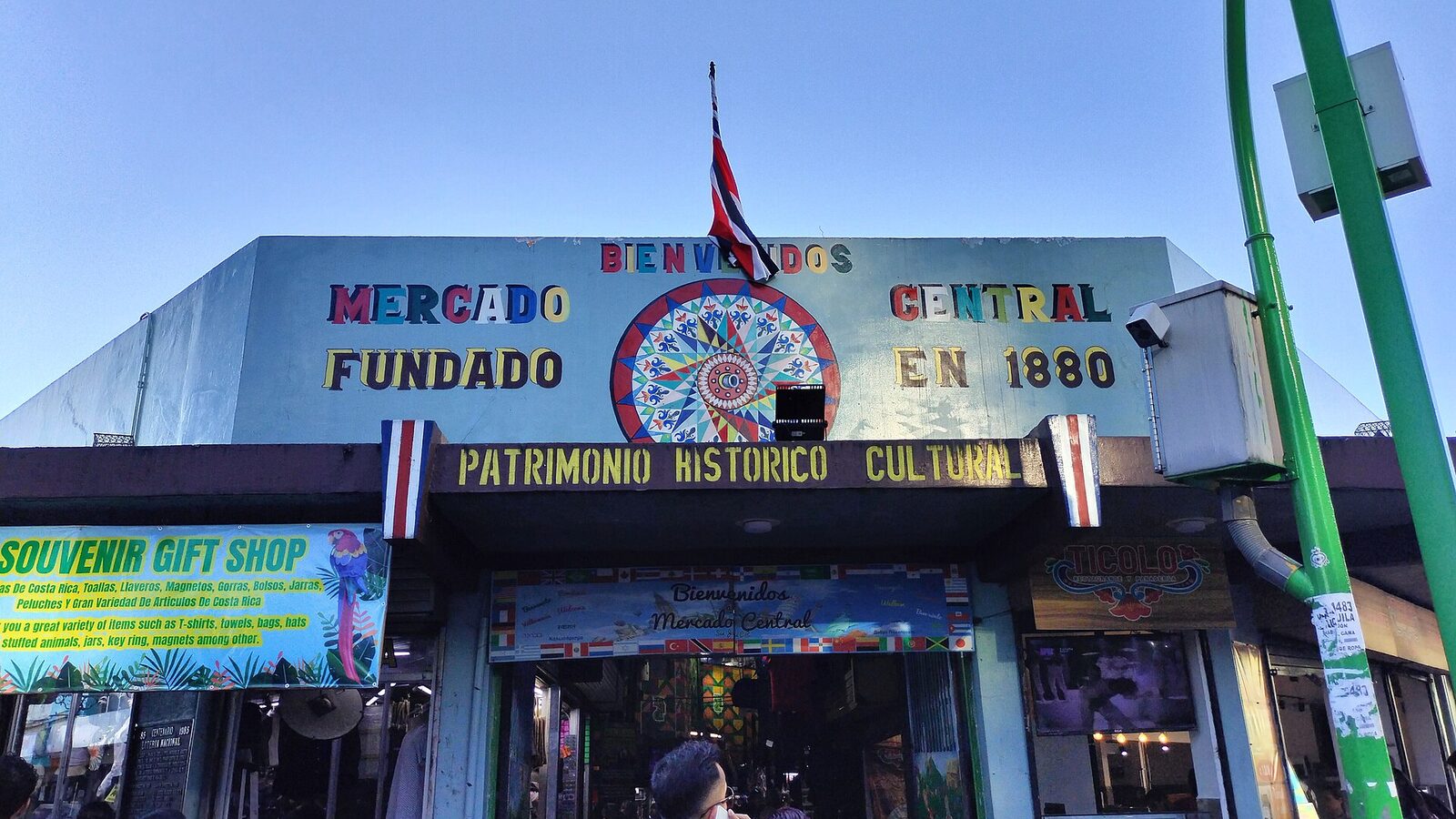
Understanding the Big Picture
When planning a relocation, the first step is to map out every cost category that will affect your budget. From the moment you decide to move, you’ll encounter visa application fees, transportation of personal belongings, temporary accommodation, and long‑term housing. Each of these items carries its own timeline, documentation requirements, and potential hidden expenses, so a clear overview helps avoid unpleasant surprises later on.
Costa Rica offers several residency pathways, each with distinct financial thresholds and processing times. Whether you qualify as a Rentista, Pensionado, Inversionista, digital‑nomad, or through work/family sponsorship, the initial outlay can vary dramatically. Understanding which route aligns with your personal situation is crucial, because it determines the minimum monthly income you must demonstrate and the fees you’ll pay to the immigration authority.
SettleBuddy’s Visa AI streamlines this decision‑making process by matching your profile to the most suitable residency option and providing a personalized cost estimate based on the latest official data. This tool eliminates guesswork, allowing you to allocate funds confidently across the other moving‑related expenses that follow.
Visa and Residency Fees – Official Numbers
The official authority that governs all residency categories in Costa Rica is the Dirección General de Migración y Extranjería (DGME). According to DGME, each residency type—Rentista, Pensionado, Inversionista, digital‑nomad (Estancia), and work/family residence—requires a separate application fee, a background‑check surcharge, and a mandatory registration with the Caja Costarricense de Seguro Social (CCSS) for social security coverage. Exact fee amounts are published on the DGME website and may be adjusted annually.
For the Rentista and Pensionado categories, applicants must also meet a minimum monthly income threshold, which the DGME notes can change over time. The current DGME requirements are US$1,000/month for Pensionado and US$2,500/month for Rentista; verify the precise figure on the official migracion.go.cr portal before submitting any documentation. Failure to meet the threshold can result in application denial or additional scrutiny.
SettleBuddy’s Visa AI pulls the most recent fee schedules directly from the DGME site, ensuring you never rely on outdated numbers. By entering your intended residency type, the AI will generate a detailed breakdown of application costs, required supporting documents, and estimated processing timelines, helping you budget accurately from day one.

International Shipping and Personal Belongings
Transporting your household goods overseas is often one of the largest line items in a relocation budget. Start by creating an inventory list, categorizing items by size, fragility, and value. Obtain quotes from reputable freight forwarders, and ask about door‑to‑door service, customs clearance fees, and insurance coverage for loss or damage during transit. Remember that Costa Rica applies import duties on certain goods, especially electronics and vehicles, so ask your forwarder for a duty estimate before you ship.
To minimize expenses, consider a staged move: ship essential items first, then arrange a second, smaller shipment for non‑essential belongings after you’ve settled. Many expats also opt for a “shipping container share” program, where multiple households share a single container, reducing per‑person costs. However, always verify the forwarder’s reputation and ensure they have experience with Costa Rican customs procedures.
SettleBuddy’s upcoming Logistics AI will soon help you compare freight options, calculate duties, and schedule shipments all within one platform, removing the need to juggle multiple spreadsheets and vendor contacts.
Finding a Home – Using SettleBuddy Housing AI
Securing suitable housing is a critical step that influences both your immediate comfort and long‑term financial health. In Costa Rica, rental markets differ sharply between urban centers like San José and coastal towns such as Tamarindo or Quepos. Research neighborhood safety, proximity to schools or workplaces, and access to public transportation before committing to a lease.
Avoid the temptation to rely on third‑party rental portals, as they often list outdated prices or unverified listings. Instead, leverage SettleBuddy’s Housing AI, which aggregates verified rental opportunities, provides price‑range estimates based on your budget, and suggests neighborhoods that match your lifestyle preferences. The AI also flags lease terms that may be unfavorable, such as unusually high security deposits or short‑term contracts that lack renewal options.
When you receive a lease agreement, review it carefully for clauses related to utilities, maintenance responsibilities, and termination penalties. If you’re uncertain about any legal language, consult a Costa Rican attorney or a licensed relocation consultant, as the rental agreement is a binding contract under local law.
Daily Living Expenses: Food, Utilities, and Transportation
Once you’ve settled into a home, the next major budget line item is everyday living costs. Grocery prices in Costa Rica are generally lower than in North America, especially for locally produced fruits, vegetables, and staples like rice and beans. However, imported goods and specialty items can be significantly more expensive because of import duties.
Utility bills—electricity, water, and internet—vary by location and usage. In the Central Valley, average electricity consumption for a two‑person household ranges from 150 to 250 kWh per month, translating to roughly CRC 15,000‑25,000 (USD 25‑40). Internet plans with speeds of 30 Mbps typically cost CRC 15,000‑20,000 (USD 25‑35) per month. These figures are indicative; exact amounts depend on provider and contract terms.
Public transportation in Costa Rica is affordable, with city buses charging between CRC 150‑300 (USD 0.25‑0.50) per ride. For longer distances, inter‑city buses and domestic flights are viable options, though the latter can be pricey during peak tourist seasons. SettleBuddy’s Career AI can help you locate jobs that include transportation allowances, further easing daily expense pressures.
Health Insurance and Medical Care Costs
Costa Rica’s universal healthcare system, administered by the Caja Costarricense de Seguro Social (CCSS), provides residents with access to public hospitals and clinics at low cost. To enroll, you must register with the Caja and contribute a monthly percentage of your declared income, set by the CCSS for your category. This contribution grants you a social security number and eligibility for public medical services.
Many expatriates also purchase private health insurance to cover services not fully reimbursed by the CCSS, such as specialist consultations, dental care, and faster access to private hospitals. Premiums vary based on age, coverage level, and provider, but a common range for a comprehensive plan is USD 100‑200 per month. It’s advisable to compare plans from reputable insurers and verify that they are recognized by the Costa Rican Ministry of Health.
SettleBuddy’s upcoming Health AI will soon allow you to compare public versus private coverage options, estimate monthly contributions, and even locate nearby CCSS clinics, ensuring you stay healthy without unexpected medical bills.
Banking, Taxes, and Financial Integration
Opening a local bank account is essential for paying rent, utilities, and receiving any salary. Most major banks—Banco Nacional, Banco de Costa Rica, and private institutions—require a valid residency card, a passport, and proof of address. Some banks also ask for a reference letter from your home‑country bank, so prepare this documentation in advance to avoid delays.
Costa Rica taxes income on a territorial basis — generally only Costa Rican-source income is taxed, with progressive resident rates; confirm the current brackets with the Ministerio de Hacienda. It is prudent to consult a Costa Rican tax advisor to ensure compliance and explore any applicable double‑taxation treaties.
SettleBuddy’s Career AI can help you locate employers who provide payroll services, tax assistance, and benefits packages tailored for expatriates, simplifying the financial transition and keeping you compliant with local regulations.
Language Learning and Cultural Integration
Spanish proficiency dramatically improves your ability to navigate daily life, negotiate contracts, and build social connections in Costa Rica. While many urban residents speak basic English, most official documents, government services, and community interactions occur in Spanish. Investing in language training early reduces frustration and accelerates your integration.
SettleBuddy’s Language Lab offers interactive courses in 50 languages, specifically designed for movers. The platform includes real‑world dialogues, cultural notes, and pronunciation feedback, allowing you to achieve conversational confidence before arrival. Additionally, the Lab provides a community forum where you can practice with native speakers and receive tips on local idioms and customs.
Beyond language, immersing yourself in Costa Rican culture—such as participating in local festivals, trying traditional foods like gallo pinto, and learning about the “pura vida” lifestyle—creates a sense of belonging. These experiences also help you identify neighborhoods that align with your personal interests, whether you prefer a bustling city atmosphere or a tranquil beach town.
Step‑by‑Step Timeline and Checklist
A well‑structured timeline keeps your relocation on track and prevents costly oversights. Begin by confirming your residency category and gathering required documents at least three months before your intended departure. Simultaneously, start the budgeting process, using the cost breakdowns outlined in earlier sections to allocate funds for visa fees, shipping, housing deposits, and daily living expenses.
As your visa application moves through the DGME processing pipeline, arrange for international shipping, secure temporary accommodation, and set up a Costa Rican bank account remotely if possible. Once your residency is approved, register with the Caja for social security, obtain your DIMEX residence card, and enroll in a health insurance plan. Finally, use SettleBuddy’s Housing AI to find a long‑term home and Language Lab to polish your Spanish before you land.
Following this checklist reduces surprises and ensures you have the financial resources, documentation, and support network needed for a smooth transition. Remember to keep copies of all important paperwork—both digital and printed—and maintain a dedicated folder for receipts and invoices related to your move.
| Milestone | Typical Timeframe | Key Documents/Actions |
|---|---|---|
| Choose residency category & budget | Several months before the move | Passport, income proof, DGME application forms |
| Apply for visa | 2‑3 months processing | Completed application, background check, fee payment (see DGME) |
| Arrange international shipping | 1‑2 months | Inventory list, freight quotes, customs declarations |
| Register with Caja & obtain DIMEX card | After arrival | Residency card, proof of address, employment contract |
| Secure long‑term housing | 1‑2 months after arrival | Rental agreement, security deposit, SettleBuddy Housing AI search |
Where SettleBuddy comes in
SettleBuddy is the AI relocation engine for your whole move — language, visas, housing and career in one place, launching for every country. Language Lab is live now; Housing AI, Visa AI and Career AI are on the way.
Explore SettleBuddy →Key takeaways
- Visa fees and income thresholds are set by the Dirección General de Migración y Extranjería; always verify current figures on migracion.go.cr.
- International shipping adds duties and insurance.
- SettleBuddy’s AI tools—Visa, Housing, Career, and Language Lab—streamline budgeting, home‑search, job placement, and language learning.
- Registering with the Caja for social security is mandatory for residents and determines your health‑care access.
- A detailed timeline and checklist prevent costly delays and ensure you meet all legal and practical requirements.

FAQ
How much does a Costa Rican residency visa actually cost?
The exact visa fee varies by residency category and is published by the Dirección General de Migración y Extranjería on their official website. Because fees can be updated annually, use SettleBuddy’s Visa AI or check the DGME portal directly for the most current amount before submitting your application.
Do I need to prove a minimum income to qualify for the Rentista or Pensionado visas?
Yes. Both the Rentista and Pensionado categories require applicants to demonstrate a minimum monthly income, which the DGME sets per category — US$1,000/month for Pensionado and US$2,500/month for Rentista. Verify the precise threshold on migracion.go.cr and ensure your bank statements or pension documents clearly show the required amount.
Can I work in Costa Rica while on a digital‑nomad (Estancia) visa?
The digital‑nomad Estancia visa allows remote work for foreign employers, but it does not permit employment with a Costa Rican company. If you intend to take a local job, you must apply for a work‑based residence permit and meet the associated requirements set by the DGME.
What are the hidden costs I should watch out for when moving my household goods?
Beyond the freight quote, consider customs duties on electronics, vehicles, and high‑value items; ask your forwarder for an estimate before you ship. Additionally, insurance premiums, port handling fees, and possible storage charges at the destination port can increase the total expense if not planned for.
How can SettleBuddy help me after I arrive in Costa Rica?
SettleBuddy offers a suite of AI‑driven tools: Visa AI for ongoing immigration queries, Housing AI to locate verified rentals, Career AI to match your skills with local job opportunities, and Language Lab to accelerate Spanish proficiency. Together, these services reduce the learning curve and keep your relocation budget on track.
Official sources
The regulated facts in this guide are drawn from official government sources. Rules and figures change — always confirm the current detail on the official page before you act.