Cost of Moving to Malaysia – Full Budget Breakdown 2024
Moving to Malaysia involves visa fees, shipping personal belongings, initial housing, daily living expenses, and optional services like language learning. By planning each category, using SettleBuddy’s Visa AI for accurate permit costs and Housing AI for home‑search, you can create a realistic 2024 budget that avoids surprises and keeps your relocation smooth.
Quick answer
Moving to Malaysia involves visa fees, shipping personal belongings, initial housing, daily living expenses, and optional services like language learning. By planning each category, using SettleBuddy’s Visa AI for accurate permit costs and Housing AI for home‑search, you can create a realistic 2024 budget that avoids surprises and keeps your relocation smooth.
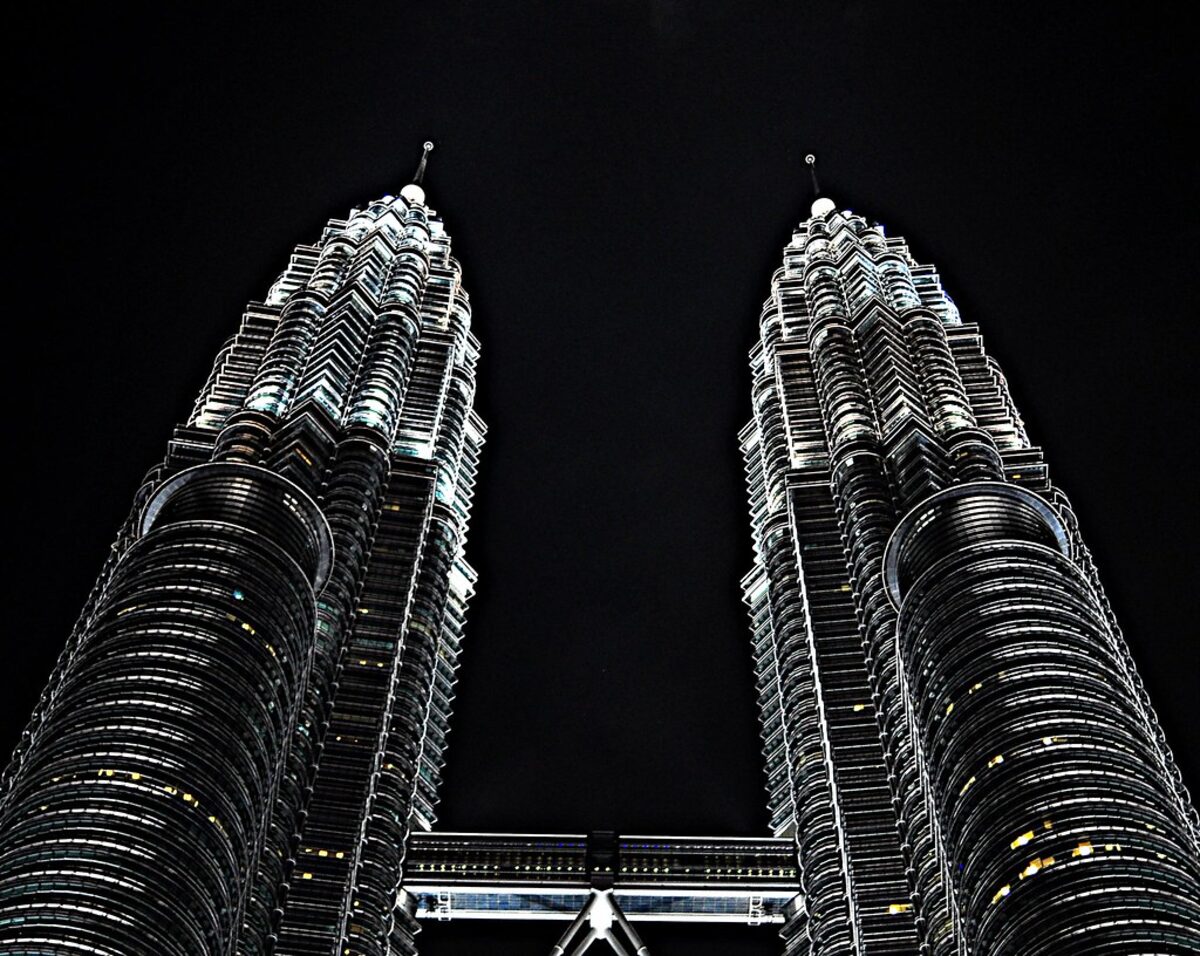
Understanding the Overall Cost Landscape
Relocating to Malaysia is a multi‑stage financial exercise that blends regulated expenses—such as visa fees and mandatory deposits—with everyday living costs like housing, food, and transport. Recognising each line‑item early helps you allocate savings, avoid hidden fees, and set realistic expectations for the first 12 months. This guide breaks down every major cost bucket, offers concrete steps for preparation, and highlights where SettleBuddy’s AI tools can streamline budgeting and decision‑making.
The Malaysian immigration framework defines several pass categories, each with its own financial thresholds and documentation requirements. While the exact fee amounts fluctuate annually, the Immigration Department of Malaysia (JIM) and the Expatriate Services Division (ESD) provide up‑to‑date figures on their official portals. By consulting those sources—or leveraging SettleBuddy’s Visa AI, which pulls the latest data—you can ensure your budget reflects the current official rates, not outdated estimates.
Beyond the regulated items, the bulk of your relocation spend will be personal: shipping household goods, securing temporary accommodation, setting up utilities, and adapting to local lifestyle prices. These costs vary by city, family size, and personal preferences, but a systematic approach—starting with a detailed inventory and using SettleBuddy’s Career AI to anticipate salary ranges—helps you fine‑tune your financial plan before you even board the plane.
Visa and Permit Expenses
Malaysia offers several visa routes for newcomers, including the Employment Pass, Professional Visit Pass, DE Rantau Nomad Pass, Malaysia My Second Home (MM2H), and dependent passes. Each route carries distinct eligibility criteria, processing times, and fee structures that are regulated by the Immigration Department of Malaysia (JIM) and administered through the Expatriate Services Division (ESD). For exact fee amounts, applicants should consult the official JIM website or use SettleBuddy’s Visa AI, which automatically retrieves the latest official figures.
The Employment Pass, for example, is tiered by salary, and the MM2H program requires proof of a minimum monthly income and a fixed‑deposit amount in a Malaysian bank. Because these thresholds are subject to periodic revision, the safest practice is to verify the current thresholds on the ESD portal before finalising your budget. If you are unsure which pass best matches your profile, SettleBuddy’s Visa AI can compare your credentials against official criteria and suggest the most cost‑effective option.
Processing fees, medical examinations, and any required police clearances also form part of the total visa cost. While the exact numbers differ per pass type, the official sources list them under the “Fees” section of each visa category. Remember that these fees are non‑refundable, so budgeting for them early prevents cash‑flow surprises. For complex cases—such as dependents or multiple pass applications—consult a licensed immigration professional to avoid costly errors.
| Visa Type | Key Financial Requirement | Typical Processing Time |
|---|---|---|
| Employment Pass | Salary tier (see JIM) | 2–4 weeks |
| Professional Visit Pass | Sponsoring company’s invitation | 1–3 weeks |
| DE Rantau Nomad Pass | Proof of remote income | 2–4 weeks |
| MM2H | Minimum monthly income & fixed deposit | 4–6 weeks |
| Dependent Pass | Primary pass holder’s salary | 2–3 weeks |

Shipping Personal Effects
Transporting your household goods is often the single largest non‑regulated expense in an international move. Start by creating a detailed inventory, categorising items into essentials, sell‑or‑donate, and storage. This inventory not only helps you obtain accurate quotes from freight forwarders but also lets SettleBuddy’s Moving Cost Calculator estimate total shipping weight and volume, giving you a clearer picture of the budget needed.
Air freight is fastest but pricey; sea freight is slower yet considerably cheaper for larger shipments. For a typical three‑person family moving a two‑bedroom home, sea freight can range from 1,500 USD to 3,000 USD, depending on container size and port fees. However, exact rates fluctuate with fuel prices and carrier policies, so request multiple quotes and verify any hidden surcharges before committing.
Don’t forget customs clearance fees and potential import taxes on certain items, such as motor vehicles or high‑value electronics. Malaysia’s customs authority provides a tariff schedule on its website, but the most reliable way to gauge costs is to engage a customs broker or use SettleBuddy’s integrated customs estimator, which cross‑references official tariff rates with your inventory list.
Initial Accommodation & Housing AI
Upon arrival, most expatriates opt for short‑term rentals while they search for a permanent home. SettleBuddy’s Housing AI, launching soon for Malaysia, will match your budget, preferred neighbourhood, and lifestyle criteria with verified listings, eliminating the need to browse multiple external platforms. This AI‑driven approach reduces time spent searching and helps you avoid scams that sometimes plague the rental market.
If you prefer a more traditional route, allocate a provisional budget of 2,000–3,500 MYR per month for a one‑bedroom apartment in Kuala Lumpur’s city centre, or 1,200–2,000 MYR in suburban districts. These figures are indicative and can vary widely; always cross‑check current market rates on reputable local sources. Remember that many leases require a security deposit equivalent to one month’s rent, which should be factored into your upfront cash flow.
When you secure a lease, you’ll need to register your address with the local authorities, a step mandated by Malaysian law for all foreign residents. The registration process is straightforward: present your passport with the visa endorsement, the tenancy agreement, and a completed form at the nearest district office. SettleBuddy’s Housing AI will also provide a checklist of required documents, ensuring you meet the registration deadline without hassle.
Setting Up Utilities & Services
Connecting electricity, water, and internet is essential before you settle into your new home. In Malaysia, utility providers typically require a copy of your tenancy agreement, a valid passport, and a deposit—often equivalent to one month’s usage. While exact deposit amounts differ by provider, checking the provider’s official website or contacting their customer service will give you the precise figure.
Internet plans in urban areas range from 100 MYR for basic broadband to 250 MYR for high‑speed fiber, depending on the service tier. Since many providers bundle television and phone services, evaluate your actual needs to avoid over‑paying. SettleBuddy’s Career AI can estimate your expected monthly data usage based on your profession, helping you choose a plan that balances speed and cost efficiently.
Don’t overlook the importance of registering for a mobile SIM card within the first two weeks of arrival. The Malaysian Communications and Multimedia Commission (MCMC) requires all foreign SIM users to present a passport, and most retailers will activate the SIM on the spot. Pre‑purchasing a prepaid plan online can save you time, but ensure the plan’s validity aligns with your anticipated stay.
Healthcare and Insurance
Malaysia’s public healthcare system offers affordable services, but many expatriates prefer private hospitals for shorter wait times and English‑speaking staff. Private health insurance is therefore a common expense, typically ranging from 150 MYR to 500 MYR per month for an individual, depending on coverage level and age. Because premiums are regulated by the Central Bank of Malaysia, you can verify current rates on the official insurance regulator’s portal.
If you are entering on an Employment Pass, your employer may provide a corporate health plan as part of the benefits package. Review the policy details carefully—some plans cover only basic inpatient care, while others include outpatient, dental, and vision benefits. SettleBuddy’s Career AI can compare typical employer‑provided packages against market options, helping you decide whether supplemental private insurance is necessary.
For MM2H participants, the program recommends securing a comprehensive health plan that meets the Ministry of Health’s minimum coverage criteria. The Expatriate Services Division (ESD) publishes a checklist of required medical documentation, which includes proof of insurance. By following that checklist and using SettleBuddy’s Insurance Advisor module, you can ensure compliance without unexpected out‑of‑pocket costs.
Transportation and Daily Commute
Malaysia’s public transport network, especially in Kuala Lumpur, is extensive and inexpensive. A monthly MyRapid pass costs around 100 MYR, granting unlimited rides on buses, LRT, and MRT lines. For those living outside the capital, bus and ferry services remain affordable, typically under 50 MYR per month. These figures are indicative; always confirm the latest pricing on the official transit authority websites before budgeting.
If you prefer driving, consider the cost of purchasing or leasing a vehicle. Car prices in Malaysia are higher due to substantial import and excise duties on fully built units (rates vary by origin and engine size — confirm with the Royal Malaysian Customs Department), so many expatriates opt for a lease or a used car. Leasing a compact sedan can cost between 1,200 MYR and 2,000 MYR per month, inclusive of insurance and maintenance. SettleBuddy’s Career AI can estimate your disposable income after taxes, helping you decide whether leasing fits your budget.
Parking fees in city centres can add up quickly, often ranging from 30 MYR to 60 MYR per day. To avoid these expenses, many newcomers choose to live near a rapid transit station, allowing a car‑free lifestyle for the first few months while they explore neighbourhoods. SettleBuddy’s Housing AI flags properties with easy access to public transport, supporting a cost‑effective commuting strategy.
Financial Setup: Banking & Currency
Opening a local bank account is a priority for handling everyday expenses, paying rent, and receiving salary. Malaysian banks generally require your passport, visa endorsement, and a minimum opening deposit—often 1,000 MYR. Some banks also ask for a reference letter from your employer. The Expatriate Services Division (ESD) lists the required documentation on its portal, and SettleBuddy’s Finance AI can generate a personalized checklist based on your visa type.
Currency conversion costs should be factored into your moving budget. While the exchange rate fluctuates daily, most banks charge a 1‑2 % conversion fee on foreign currency transfers. To minimise fees, consider using reputable online transfer services that offer competitive rates and lower fees than traditional banks. SettleBuddy’s Money Transfer tool compares real‑time rates and highlights the most cost‑effective option for your specific transfer amount.
If you plan to invest or save long‑term, be aware of Malaysia’s interest‑rate environment and the Central Bank’s regulations on foreign‑currency accounts. The official Central Bank website provides current base rates and any restrictions on foreign deposits. Consulting a licensed financial adviser is advisable for complex investment strategies, as SettleBuddy’s tools are designed for budgeting, not professional financial advice.
Lifestyle Budget: Food, Entertainment, and Language Learning
Daily food expenses in Malaysia are among the most affordable in Southeast Asia. A typical meal at a local hawker centre costs 5–10 MYR, while dining at a mid‑range restaurant averages 30–60 MYR per person. Grocery bills for a family of four usually fall between 600 MYR and 1,200 MYR per month, depending on the mix of local versus imported products. These figures serve as a baseline; adjust them based on your culinary preferences.
Entertainment costs—such as cinema tickets, gym memberships, and weekend outings—vary by city. In Kuala Lumpur, a movie ticket averages 18 MYR, while a monthly gym membership ranges from 120 MYR to 250 MYR. For cultural experiences, consider the free or low‑cost events listed on the Tourism Malaysia website. SettleBuddy’s Lifestyle AI can recommend activities that fit your budget and interests, ensuring you enjoy your new home without overspending.
Language acquisition is a smart investment for long‑term integration. The SettleBuddy Language Lab offers courses in Bahasa Malaysia, with free introductory modules and paid advanced tracks. While the basic tier is free, premium lessons start at 50 MYR per month. Because language learning improves job prospects, the cost can be offset by higher earning potential, a factor that SettleBuddy’s Career AI incorporates into your long‑term financial forecast.
Timeline and Checklist for a Smooth Relocation
A well‑structured timeline reduces stress and prevents costly last‑minute decisions. Begin by researching visa options at least three months before your intended move, using SettleBuddy’s Visa AI to compare eligibility and fees. Once you have selected a visa, gather required documents—passport, employment contract, proof of income, and medical reports—and submit the application through the official Immigration Department portal.
Three weeks before departure, finalize your shipping plan: obtain quotes, schedule pick‑up, and pack non‑essential items. Simultaneously, use SettleBuddy’s Housing AI to shortlist potential homes and arrange virtual tours. Secure a short‑term rental for the first 1–2 months, and prepare a checklist for utility connections, ensuring you have all required identification and deposit amounts ready.
In the final week, confirm your flight, arrange airport transfer, and activate a prepaid Malaysian SIM card. Upon arrival, complete the address registration at the local district office within the mandated period, open a bank account, and enrol in the national health insurance scheme if applicable. Following this checklist, you’ll transition from arrival to settled living in under a month, keeping unexpected expenses to a minimum.
Common Mistakes & Pro Tips
One frequent error is under‑budgeting for visa‑related deposits and fixed‑deposit requirements, especially for the MM2H program. Since these amounts can represent several thousand MYR, failing to allocate them can delay the approval process. Always verify the latest financial criteria on the Expatriate Services Division (ESD) website and use SettleBuddy’s Visa AI to calculate the total upfront cost before committing to any other expense.
Another pitfall is overlooking the cost of local taxes on imported personal items. Malaysia imposes duties on certain categories, such as motor vehicles and high‑value electronics. To avoid surprise charges, consult the customs tariff schedule on the official customs portal and run your inventory through SettleBuddy’s Customs Estimator, which flags items likely to incur duties and provides an approximate cost.
Lastly, many expatriates forget to factor in the currency conversion spread when transferring salary or savings. Even a small 1 % fee can add up significantly over time. By scheduling transfers when the exchange rate is favourable and using SettleBuddy’s Money Transfer tool to compare providers, you can shave off unnecessary expenses and keep more of your earnings in your pocket.
Where SettleBuddy comes in
SettleBuddy is the AI relocation engine for your whole move — language, visas, housing and career in one place, launching for every country. Language Lab is live now; Housing AI, Visa AI and Career AI are on the way.
Explore SettleBuddy →Key takeaways
- Visa fees and financial thresholds must be verified on the official Immigration Department (JIM) and Expatriate Services Division (ESD) pages; SettleBuddy’s Visa AI can pull the latest data for you.
- Shipping personal effects by sea freight is usually cheaper than air; obtain multiple quotes and factor in customs clearance fees.
- SettleBuddy’s Housing AI will be your single source for finding verified rentals, eliminating the need for external platforms.
- Budget for utility deposits, health insurance, and transportation early, as these costs are mandatory and can vary by provider.
- Use SettleBuddy’s Career, Finance, and Money Transfer tools to align your expected salary with living expenses and minimise hidden fees.

FAQ
How can I find the most up‑to‑date visa fees for Malaysia?
Visa fees are regulated by the Immigration Department of Malaysia (JIM) and detailed on the Expatriate Services Division (ESD) portal. Because the amounts can change annually, the safest approach is to visit those official websites directly. Alternatively, SettleBuddy’s Visa AI automatically pulls the latest fee schedule from the official sources, ensuring your budget reflects current rates without the need to search manually.
What are the main cost components I should include in my relocation budget?
A comprehensive budget should cover visa application fees and any required deposits, shipping and customs clearance for personal belongings, initial short‑term accommodation, utility deposits, health insurance premiums, transportation (public transit passes or vehicle lease), daily living expenses (food, entertainment, language learning), and a contingency fund for unexpected costs such as currency conversion fees or additional taxes.
Do I need a local bank account before arriving in Malaysia?
While you can open an account after arrival, having a local bank account ready early simplifies paying rent, utilities, and receiving salary. Malaysian banks typically require your passport, visa endorsement, and a minimum opening deposit of around 1,000 MYR. The Expatriate Services Division lists the exact documentation needed, and SettleBuddy’s Finance AI can generate a personalised checklist based on your specific visa type.
Is it cheaper to rent a short‑term place first or to secure a long‑term lease before I move?
Short‑term rentals provide flexibility and reduce the risk of committing to a lease that may not suit your needs, but they often carry a higher monthly rate. Securing a long‑term lease can lower monthly costs but requires a more detailed knowledge of the neighbourhood and reliable local contacts. SettleBuddy’s Housing AI helps you compare both options by analysing market trends, security deposits, and proximity to transport, enabling an informed decision.
Can SettleBuddy help me with language learning once I’m in Malaysia?
Absolutely. SettleBuddy’s Language Lab offers free introductory Bahasa Malaysia lessons and paid advanced courses tailored for expatriates. The platform integrates with your relocation timeline, suggesting optimal study schedules based on your work commitments. While the basic tier is free, premium lessons start at 50 MYR per month, providing a cost‑effective way to accelerate your integration and improve job prospects.
Official sources
The regulated facts in this guide are drawn from official government sources. Rules and figures change — always confirm the current detail on the official page before you act.