Cost of Moving to Sweden – Full Budget Breakdown 2026
Moving to Sweden can be expensive, but with a clear understanding of the costs involved, you can plan your relocation effectively. From visa fees to housing and living expenses, we'll break down the costs to help you create a realistic budget.
Quick answer
Moving to Sweden can be expensive, but with a clear understanding of the costs involved, you can plan your relocation effectively. From visa fees to housing and living expenses, we'll break down the costs to help you create a realistic budget.
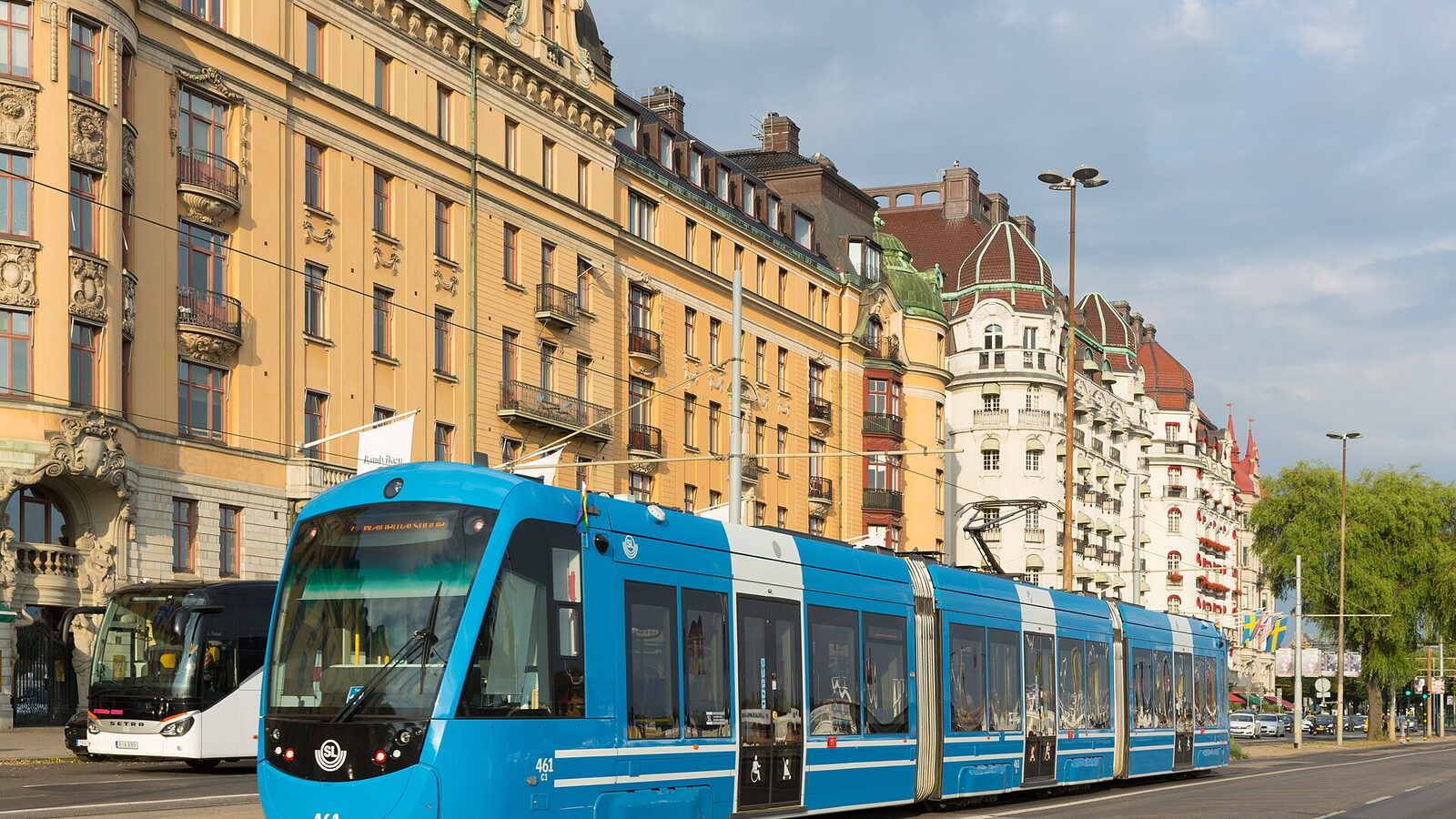
Understanding the Cost of Moving to Sweden
Relocating to Sweden involves a mix of one‑time expenses (such as visa application fees, flight tickets, and initial housing deposits) and ongoing monthly costs (including rent, utilities, food, and transportation). The exact amount you will need depends heavily on factors like your citizenship, the type of work permit you are applying for, the city you plan to live in, and your personal lifestyle choices. For example, living in Stockholm typically demands a higher rent budget than living in a smaller town such as Uppsala or Västerås, while a family with children will have higher childcare and schooling costs compared with a single professional. Understanding these variables early on allows you to allocate funds strategically and avoid unpleasant financial surprises after arrival.
Visa Fees for Sweden
The cost of obtaining a visa for Sweden varies depending on the type of visa you're applying for. According to the Swedish Migration Agency (Migrationsverket), the fees for work permits are as follows:
SEK 2,200 for a work permit as an employee
SEK 1,500 for an adult family member
SEK 750 for a child
Note that citizens of Japan are exempt from paying the application fee. These fees are payable through the online portal and must be settled before the application can be processed. If you are applying for a self‑employed permit, a researcher permit, or an EU Blue Card, the same fee structure applies, but the underlying salary or funding requirements differ.
| Visa Type | Fee (SEK) |
|---|---|
| Work permit (employee) | 2,200 |
| Adult family member | 1,500 |
| Child | 750 |

Step‑by‑Step Visa Application Process
A successful work‑permit application follows a clear sequence of steps. First, your prospective employer must issue a formal job offer that meets the salary threshold set by Migrationsverket (at least 90 % of the Swedish median salary, see the Salary Requirements section). Once the offer is in place, you create an account on the Migrationsverket online portal, upload the signed contract, and fill out the electronic application form. After completing the form, you pay the applicable fee (SEK 2,200 for an employee permit) and submit the application. The agency will then review the documentation, which typically takes several weeks to a few months depending on workload and the completeness of your file. If approved, you will receive an electronic residence‑permit card that you can either collect at a Swedish embassy abroad or after arriving in Sweden, where you will also complete biometric registration. Throughout the process, it is advisable to keep copies of all correspondence and to monitor the application status regularly via the portal.
For family members, the process can be parallelized. After the primary applicant’s work permit is granted, spouses, cohabiting partners, and children under 18 can submit their own applications using the same portal, referencing the primary permit number. The same fee schedule applies, and the agency typically processes family applications together with the primary case, reducing overall waiting time. However, be prepared for possible additional documentation requests, such as proof of relationship, marriage certificates, or birth certificates, all of which must be translated into Swedish or English and certified.
Housing Costs in Sweden
Housing costs are often the largest recurring expense for newcomers. Rental prices differ markedly between major cities and smaller municipalities. In central Stockholm, a one‑bedroom apartment can range from SEK 12,000 to SEK 18,000 per month, while in Gothenburg the range is typically SEK 10,000 to SEK 15,000. In less urban areas, you may find comparable space for SEK 7,000 to SEK 10,000. Most landlords require a deposit equal to one or two months' rent. Utilities (electricity, heating, water) are usually billed separately and can add SEK 1,500‑2,500 per month, depending on the size of the dwelling and seasonal consumption. When budgeting, consider the total monthly outlay (rent + utilities) rather than rent alone, as this provides a more realistic picture of your cash flow requirements.
SettleBuddy’s Housing AI can help you locate apartments that fit your budget and preferred location. The tool aggregates listings from multiple Swedish housing portals, filters them by price, size, and proximity to public transport, and even flags properties that accept international tenants. While the platform does not guarantee availability, it dramatically reduces the time spent searching and helps you avoid listings that fall outside your financial parameters.
Hidden Costs and Edge Cases
Beyond the headline numbers, several hidden costs can catch newcomers off guard. First, the Swedish tax system requires residents to pay a municipal income tax (around 30% on average — confirm your municipality's rate with Skatteverket) of taxable income. While this tax funds high‑quality public services, it reduces net take‑home pay and should be factored into your salary negotiations. Second, many municipalities levy a monthly waste‑collection fee that appears on utility bills, usually amounting to SEK 100‑200. Third, if you bring a car, you must register it, pay a vehicle tax, and potentially purchase a parking permit, especially in city centers where parking spaces are limited and expensive. Fourth, for families with children, public childcare (förskola) is heavily subsidized but still requires a parental contribution that can be up to SEK 1,250 per month per child, depending on household income.
Edge cases also arise when the timing of your move intersects with Sweden’s seasonal rental market. The rental market is most competitive during the summer months (June‑August) when many Swedes relocate for work or study, leading to higher rents and quicker turnover. If you plan to arrive in the autumn, you may encounter more availability and lower prices, but you should still budget for a possible short‑term sublet or hotel stay while you secure a long‑term lease. Additionally, applicants whose work permits were approved before the new salary rule took effect on 1 June 2026 may still be subject to the older maintenance requirement of SEK 30,640 per month; this transitional rule is relevant for permits granted between 2 June 2026 and 1 December 2026.
Living Expenses in Sweden
The cost of living in Sweden can be relatively high, especially in larger cities like Stockholm and Gothenburg. Here are some estimated monthly expenses to help you plan your budget:
Food: SEK 8,000 ‑ 12,000 per month
Transportation: SEK 800 ‑ 1,200 per month
Utilities: SEK 1,500 ‑ 2,500 per month
Internet and phone: SEK 500 ‑ 1,000 per month
These figures are averages based on a modest lifestyle that includes cooking at home, using public transport, and maintaining a standard broadband package. If you prefer dining out frequently, purchasing imported goods, or using a private car, your expenses will rise accordingly. Public transport in major cities is efficient and offers monthly passes that can reduce the per‑trip cost, while regional travel often benefits from discount cards such as the “SJ Discount Card” for train journeys. Remember to also budget for occasional leisure activities—cultural events, gym memberships, and weekend trips can add another SEK 500‑1,000 to your monthly outlay.
Other Costs to Consider
In addition to visa fees, housing, and living expenses, there are other costs to consider when moving to Sweden. These may include:
Flights to and from Sweden – Prices vary by departure country, season, and airline, but a round‑trip ticket from North America typically ranges from USD 600 to USD 1,200.
Shipping or storage costs for your belongings – International movers charge based on volume and distance; a 20‑cubic‑meter shipment from Europe to Stockholm often costs between SEK 15,000 and SEK 25,000.
Health insurance premiums – While Sweden offers universal healthcare, you must first obtain a personal identity number (personnummer) and register with the Swedish Social Insurance Agency (Försäkringskassan). Until registration is complete, many expats purchase short‑term private health insurance, which can cost SEK 500‑1,000 per month.
Any necessary vaccinations or medical tests – Certain work permits (especially for healthcare workers) require proof of vaccinations or a recent medical examination, adding a few hundred SEK to your pre‑arrival costs.
Factoring these items into your overall budget helps you avoid cash‑flow gaps during the critical first three months after arrival.
Salary Requirements for Work Permits
To be eligible for a work permit in Sweden, you'll need to meet the salary requirements set by the Swedish Migration Agency (Migrationsverket). As of June 2026, the minimum salary requirement is at least 90 % of the Swedish median salary, which is SEK 34,470 per month. This figure is updated each June on the Migrationsverket website, ensuring it reflects current market conditions. For highly qualified professionals applying for an EU Blue Card, the threshold can be higher—approximately 1.5 times the median salary—though the exact multiplier depends on the specific occupation and the latest regulatory guidance. Importantly, families of Blue Card holders are exempt from the maintenance requirement, meaning they do not need to demonstrate additional income to support dependents.
Creating a Realistic Budget for Your Move to Sweden
Now that we've broken down the costs involved in moving to Sweden, it's time to create a realistic budget for your relocation. Consider the following tips:
Research, research, research: Gather as much information as possible about the costs involved in your move. Use official sources such as Migrationsverket for visa fees and the latest salary thresholds, and consult reputable cost‑of‑living calculators for city‑specific figures.
Prioritize your expenses: Make a list of your essential expenses, such as housing, utilities, and transportation, and prioritize them accordingly. Allocate a larger portion of your budget to fixed costs (rent, utilities) and keep discretionary spending (entertainment, dining out) flexible.
Plan for contingencies: Set aside an emergency fund equal to at least three months of living expenses. This buffer can cover unexpected costs such as a sudden increase in rent, a medical emergency, or a delay in receiving your first salary.
Timeline your cash flow: Map out when each expense will occur. For example, visa fees are payable upfront, while rent and utilities are monthly. Knowing the timing helps you avoid shortfalls and ensures you have sufficient funds at each stage of the relocation process.
Leverage employer assistance: Some Swedish employers offer relocation packages that cover moving costs, temporary housing, or language‑training subsidies. Clarify what is included in your contract and factor those benefits into your budget.
Conclusion
Moving to Sweden can be a complex and costly process, but with a clear understanding of the costs involved, you can plan your relocation effectively. By breaking down visa fees, housing, living expenses, and hidden costs, you gain a comprehensive view of the financial commitment required. Remember to research thoroughly, prioritize your expenses, and plan for contingencies to ensure a smooth transition to your new life in Sweden. With careful budgeting and the right support, you can enjoy the high quality of life, robust social services, and vibrant culture that Sweden offers.
SettleBuddy's Relocation Services
At SettleBuddy, we understand the challenges of relocating to a new country. That's why we offer a range of relocation services, including our Language Lab, Visa AI, Housing AI, and Career AI, to help you navigate the process with ease. Contact us today to learn more about how we can support your move to Sweden.
FAQs
Here are some frequently asked questions about the cost of moving to Sweden:
What is the average cost of moving to Sweden?
The average cost of moving to Sweden varies greatly depending on several factors, including your nationality, occupation, and lifestyle. However, here are some estimated costs to help you plan your budget:
Visa fees: SEK 2,200 ‑ 1,500
Housing: SEK 8,000 ‑ 15,000 per month
Living expenses: SEK 8,000 ‑ 12,000 per month
Note that these are rough estimates, and your actual costs may vary depending on your specific circumstances.
How much does it cost to live in Sweden?
The cost of living in Sweden can vary greatly depending on the location, lifestyle, and personal preferences. However, here are some estimated monthly expenses to help you plan your budget:
Food: SEK 8,000 ‑ 12,000 per month
Transportation: SEK 800 ‑ 1,200 per month
Utilities: SEK 1,500 ‑ 2,500 per month
Internet and phone: SEK 500 ‑ 1,000 per month
Note that these are rough estimates, and your actual expenses may vary depending on your lifestyle and preferences.
What are the salary requirements for a work permit in Sweden?
To be eligible for a work permit in Sweden, you'll need to meet the salary requirements set by the Swedish Migration Agency (Migrationsverket). As of June 2026, the minimum salary requirement is at least 90 % of the Swedish median salary, which is SEK 34,470 per month.
How long does it take to process a work permit application in Sweden?
The processing time for a work permit application in Sweden can vary depending on several factors, including the type of application and the workload of the Swedish Migration Agency (Migrationsverket). However, you can expect the processing time to take several weeks or even months. We recommend checking the Migrationsverket website for the latest information on processing times.
Can I apply for a work permit in Sweden if I'm not from the EU/EEA?
Yes, you can apply for a work permit in Sweden even if you're not from the EU/EEA. However, you'll need to meet the eligibility requirements set by the Swedish Migration Agency (Migrationsverket), including the salary requirements and other conditions. We recommend checking the Migrationsverket website for the latest information on work permit requirements.
Where SettleBuddy comes in
SettleBuddy is the AI relocation engine for your whole move — language, visas, housing and career in one place, launching for every country. Language Lab is live now; Housing AI, Visa AI and Career AI are on the way.
Explore SettleBuddy →Key takeaways
- The cost of moving to Sweden can vary greatly depending on several factors, including your nationality, occupation, and lifestyle.
- Visa fees, housing, and living expenses are some of the main costs to consider when moving to Sweden.
- The salary requirements for a work permit in Sweden are at least 90% of the Swedish median salary, which is SEK 34,470 per month as of June 2026.

FAQ
What is the average cost of moving to Sweden?
The average cost of moving to Sweden varies greatly depending on several factors, including your nationality, occupation, and lifestyle. However, here are some estimated costs to help you plan your budget: * Visa fees: SEK 2,200 ‑ 1,500 * Housing: SEK 8,000 ‑ 15,000 per month * Living expenses: SEK 8,000 ‑ 12,000 per month Note that these are rough estimates, and your actual costs may vary depending on your specific circumstances.
How much does it cost to live in Sweden?
The cost of living in Sweden can vary greatly depending on the location, lifestyle, and personal preferences. However, here are some estimated monthly expenses to help you plan your budget: * Food: SEK 8,000 ‑ 12,000 per month * Transportation: SEK 800 ‑ 1,200 per month * Utilities: SEK 1,500 ‑ 2,500 per month * Internet and phone: SEK 500 ‑ 1,000 per month Note that these are rough estimates, and your actual expenses may vary depending on your lifestyle and preferences.
What are the salary requirements for a work permit in Sweden?
To be eligible for a work permit in Sweden, you'll need to meet the salary requirements set by the Swedish Migration Agency (Migrationsverket). As of June 2026, the minimum salary requirement is at least 90% of the Swedish median salary, which is SEK 34,470 per month.
How long does it take to process a work permit application in Sweden?
The processing time for a work permit application in Sweden can vary depending on several factors, including the type of application and the workload of the Swedish Migration Agency (Migrationsverket). However, you can expect the processing time to take several weeks or even months. We recommend checking the Migrationsverket website for the latest information on processing times.
Can I apply for a work permit in Sweden if I'm not from the EU/EEA?
Yes, you can apply for a work permit in Sweden even if you're not from the EU/EEA. However, you'll need to meet the eligibility requirements set by the Swedish Migration Agency (Migrationsverket), including the salary requirements and other conditions. We recommend checking the Migrationsverket website for the latest information on work permit requirements.
Official sources
The regulated facts in this guide are drawn from official government sources. Rules and figures change — always confirm the current detail on the official page before you act.