True Cost of Moving to Thailand – Detailed Budget Guide
Moving to Thailand can be an exciting adventure, but it's essential to understand the costs involved. From visa fees to housing and living expenses, we'll break down the true cost of moving to Thailand. Use SettleBuddy's relocation engine to streamline your move and stay within budget.
Quick answer
Moving to Thailand can be an exciting adventure, but it's essential to understand the costs involved. From visa fees to housing and living expenses, we'll break down the true cost of moving to Thailand. Use SettleBuddy's relocation engine to streamline your move and stay within budget.
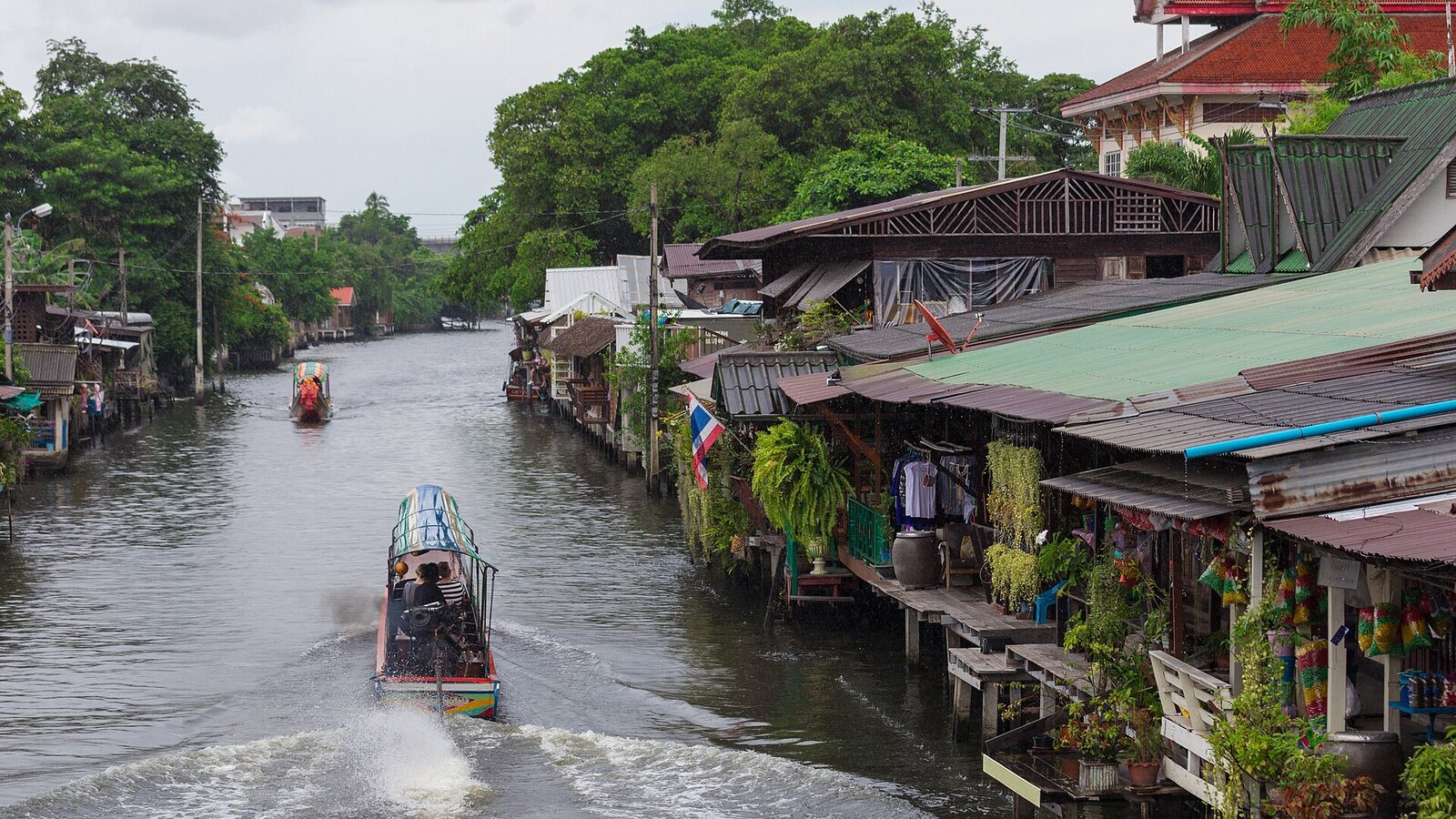
Introduction
Moving to Thailand can be a thrilling experience, but it's crucial to consider the costs involved. The cost of moving to Thailand varies depending on several factors, including your nationality, visa type, and lifestyle. In this article, we'll provide a detailed breakdown of the expenses you can expect to incur when moving to Thailand.
Thailand offers a unique blend of culture, cuisine, and natural beauty, making it an attractive destination for expats and digital nomads. However, it's essential to plan your finances carefully to ensure a smooth transition.
SettleBuddy's relocation engine is designed to help you navigate the complexities of moving to Thailand. Our platform provides expert advice, visa guidance, and housing solutions to make your relocation stress-free.
Visa Fees and Requirements
The cost of a Thai visa varies depending on the type and duration of your stay. The Immigration Bureau, Royal Thai Police, manages stay extensions and residence, while the Ministry of Foreign Affairs issues visas abroad via the e-Visa system.
According to the Immigration Bureau, Royal Thai Police [S1], the visa application process involves submitting required documents and paying the applicable fee. However, the exact fee amount is not specified, and we recommend checking the official Immigration Bureau website for the most up-to-date information.
The Ministry of Foreign Affairs — Thai e-Visa [S2] provides a convenient online platform for applying for a Thai visa. The e-Visa system offers various visa types, including the Non-Immigrant B (work), Long-Term Resident (LTR) visa, Destination Thailand Visa (DTV) for remote workers, retirement (O-A/O-X), and Non-Immigrant O (family).
| Visa Type | Description |
|---|---|
| Non-Immigrant B (work) | For foreign workers and business owners |
| Long-Term Resident (LTR) visa | For individuals who want to live in Thailand long-term |
| Destination Thailand Visa (DTV) | For remote workers and digital nomads |
| Retirement (O-A/O-X) | For retirees who want to live in Thailand |
| Non-Immigrant O (family) | For family members of Thai citizens or residents |

Housing Costs in Thailand
Finding affordable housing in Thailand can be challenging, especially in major cities like Bangkok and Chiang Mai. SettleBuddy's Housing AI is designed to help you find the perfect home in Thailand, with a user-friendly interface and personalized recommendations.
When searching for housing in Thailand, consider factors like location, size, and amenities. The cost of housing varies greatly depending on the region, city, and type of accommodation. We recommend checking the official websites of local real estate agents or property developers for the most up-to-date pricing information.
To get started with your housing search, sign up for SettleBuddy's Housing AI and discover a wide range of properties tailored to your needs and budget.
Living Expenses in Thailand
The cost of living in Thailand varies depending on your lifestyle, location, and personal preferences. From food and transportation to entertainment and healthcare, there are many expenses to consider when moving to Thailand.
Thailand offers a relatively low cost of living compared to other countries in Southeast Asia. However, prices can vary greatly depending on the region and city. We recommend researching the local cost of living in your desired area to get a better understanding of the expenses involved.
SettleBuddy's relocation engine provides expert advice on managing your finances in Thailand, including tips on saving money and finding affordable services.
Healthcare and Insurance Costs
Thailand has a well-developed healthcare system, with both public and private hospitals offering high-quality medical services. However, the cost of healthcare can vary greatly depending on the type of treatment and hospital.
According to the Immigration Bureau, Royal Thai Police [S1], long-stayers in Thailand are required to have health insurance that covers them for the duration of their stay. However, the exact insurance requirements and costs are not specified, and we recommend checking the official Immigration Bureau website for the most up-to-date information.
SettleBuddy's relocation engine provides guidance on finding affordable health insurance options in Thailand, including recommendations for expat-friendly insurance providers.
Taxes and Finances in Thailand
Thailand has a complex tax system, with various tax rates and regulations applying to different types of income. As a foreigner living in Thailand, you may be subject to taxation on your worldwide income, depending on your residency status.
According to the Immigration Bureau, Royal Thai Police [S1], foreigners living in Thailand are required to file a 90-day address report and obtain a re-entry permit. However, the exact tax implications and requirements are not specified, and we recommend consulting a licensed tax professional for personalized advice.
SettleBuddy's relocation engine provides expert advice on managing your finances in Thailand, including tips on tax planning and finding affordable financial services.
Conclusion
Moving to Thailand can be a complex and costly process, but with the right guidance and planning, you can navigate the challenges and enjoy a successful relocation. SettleBuddy's relocation engine is designed to help you every step of the way, from visa applications to housing and healthcare.
By understanding the true cost of moving to Thailand, you can plan your finances carefully and make the most of your expat experience. Remember to stay up-to-date with the latest information from official sources, and don't hesitate to seek professional advice when needed.
With SettleBuddy's expert guidance, you can make your move to Thailand a success and enjoy the many wonders this beautiful country has to offer.
Key Takeaways
The cost of moving to Thailand varies depending on several factors, including visa type, housing, and lifestyle.
Visa fees and requirements can be complex, and it's essential to check the official Immigration Bureau website for the most up-to-date information.
Housing costs in Thailand vary greatly depending on location, size, and amenities, and SettleBuddy's Housing AI can help you find the perfect home.
Living expenses in Thailand can be relatively low, but prices vary depending on the region and city.
Healthcare and insurance costs can vary greatly, and it's essential to research affordable options and check the official Immigration Bureau website for requirements.

FAQ
Q: What is the cost of a Thai visa?
A: The cost of a Thai visa varies depending on the type and duration of your stay. We recommend checking the official Immigration Bureau website for the most up-to-date information.
Q: How do I find affordable housing in Thailand?
A: SettleBuddy's Housing AI can help you find the perfect home in Thailand, with a user-friendly interface and personalized recommendations. We also recommend checking the official websites of local real estate agents or property developers for the most up-to-date pricing information.
Q: What are the healthcare and insurance requirements for long-stayers in Thailand?
A: According to the Immigration Bureau, Royal Thai Police [S1], long-stayers in Thailand are required to have health insurance that covers them for the duration of their stay. However, the exact insurance requirements and costs are not specified, and we recommend checking the official Immigration Bureau website for the most up-to-date information.
Q: How do I manage my finances in Thailand?
A: SettleBuddy's relocation engine provides expert advice on managing your finances in Thailand, including tips on saving money and finding affordable services. We also recommend consulting a licensed tax professional for personalized advice.
About SettleBuddy
SettleBuddy is a relocation engine designed to help you navigate the complexities of moving to Thailand. Our platform provides expert advice, visa guidance, and housing solutions to make your relocation stress-free.
With SettleBuddy, you can streamline your move and stay within budget. Our team of experts is dedicated to providing you with the best possible experience, from start to finish.
Where SettleBuddy comes in
SettleBuddy is the AI relocation engine for your whole move — language, visas, housing and career in one place, launching for every country. Language Lab is live now; Housing AI, Visa AI and Career AI are on the way.
Explore SettleBuddy →Key takeaways
- The cost of moving to Thailand varies depending on several factors, including visa type, housing, and lifestyle.
- Visa fees and requirements can be complex, and it's essential to check the official Immigration Bureau website for the most up-to-date information.
- Housing costs in Thailand vary greatly depending on location, size, and amenities, and SettleBuddy's Housing AI can help you find the perfect home.
- Living expenses in Thailand can be relatively low, but prices vary depending on the region and city.
- Healthcare and insurance costs can vary greatly, and it's essential to research affordable options and check the official Immigration Bureau website for requirements.
FAQ
What is the cost of a Thai visa?
The cost of a Thai visa varies depending on the type and duration of your stay. We recommend checking the official Immigration Bureau website for the most up-to-date information.
How do I find affordable housing in Thailand?
SettleBuddy's Housing AI can help you find the perfect home in Thailand, with a user-friendly interface and personalized recommendations. We also recommend checking the official websites of local real estate agents or property developers for the most up-to-date pricing information.
What are the healthcare and insurance requirements for long-stayers in Thailand?
According to the Immigration Bureau, Royal Thai Police [S1], long-stayers in Thailand are required to have health insurance that covers them for the duration of their stay. However, the exact insurance requirements and costs are not specified, and we recommend checking the official Immigration Bureau website for the most up-to-date information.
How do I manage my finances in Thailand?
SettleBuddy's relocation engine provides expert advice on managing your finances in Thailand, including tips on saving money and finding affordable services. We also recommend consulting a licensed tax professional for personalized advice.
What is SettleBuddy's role in my relocation to Thailand?
SettleBuddy is a relocation engine designed to help you navigate the complexities of moving to Thailand. Our platform provides expert advice, visa guidance, and housing solutions to make your relocation stress-free.
Official sources
The regulated facts in this guide are drawn from official government sources. Rules and figures change — always confirm the current detail on the official page before you act.