First Steps After Moving to Iceland – Week‑One Checklist
Your first week in Iceland must prioritize registering with authorities to secure your legal status. Obtain your kennitala (ID number), open a bank account, and finalize housing. Use SettleBuddy's tools to streamline visas, housing search, and language learning.
Quick answer
Your first week in Iceland must prioritize registering with authorities to secure your legal status. Obtain your kennitala (ID number), open a bank account, and finalize housing. Use SettleBuddy's tools to streamline visas, housing search, and language learning.
Day 1: Arrival and Immediate Priorities
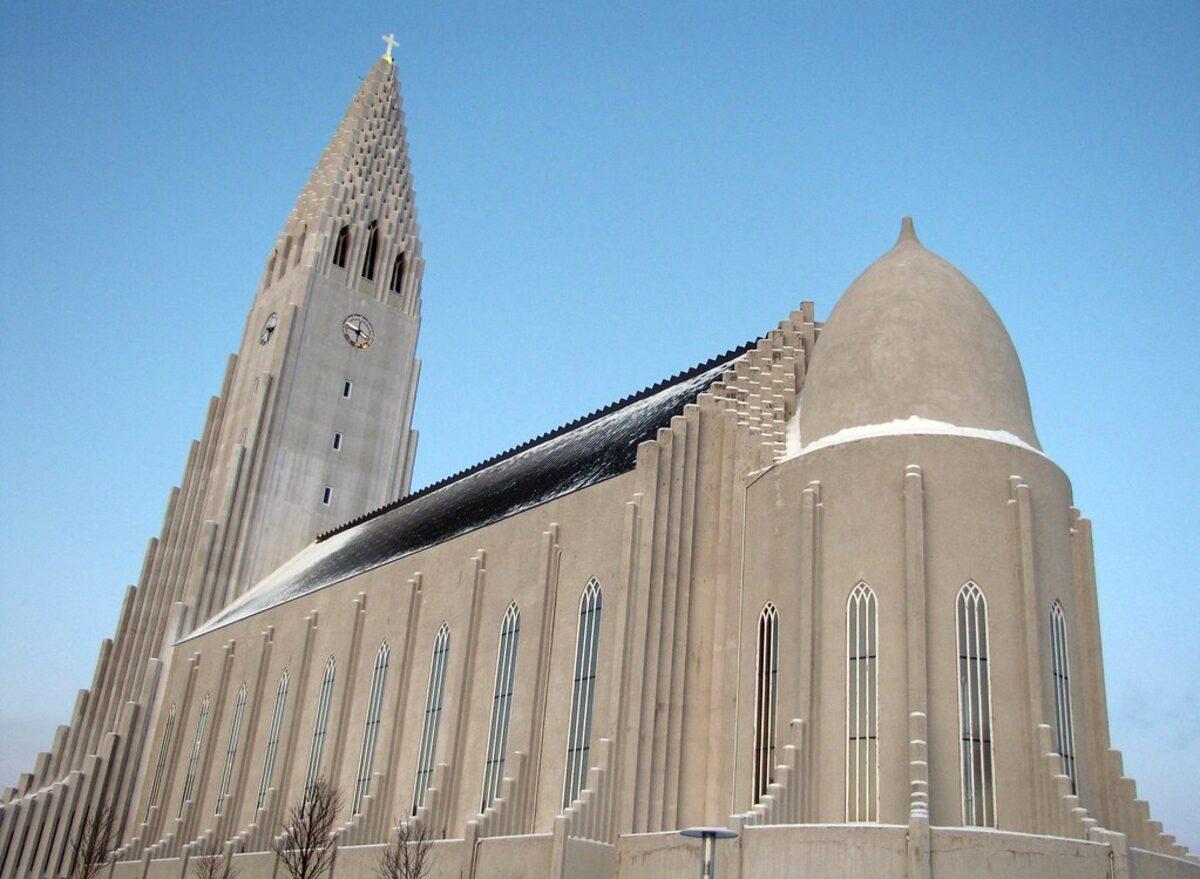
Upon landing in Iceland, your first day should focus on settling into your temporary accommodation and overcoming jet lag. Ensure you have all crucial documents—passport, residence permit approval letter, rental contract or proof of address, and employment or remote work confirmation—readily accessible in both physical and digital formats.
Connect to local Wi-Fi and download essential apps like Vegagerðin for road conditions and Veður for weather updates. Iceland's weather can change rapidly, so staying informed is critical for planning your initial errands and commutes safely around Reykjavík or other towns.
Take a short walk around your neighborhood to locate the nearest grocery store (like Bónus or Krónan), pharmacy (Apótek), and public transport stops. Familiarizing yourself with these basics will reduce stress and help you feel more at home from the very first day.
If you haven't arranged a local SIM card yet, visit a telecom store like Síminn, Nova, or Vodafone. Having a local number is essential for setting up services, registering with authorities, and staying connected as you navigate your new life in Iceland.
Understanding Your Visa and Permit Requirements
Your legal right to reside in Iceland hinges on your specific permit type, whether for work, remote work, study, or family reunification. According to the Directorate of Immigration, you must ensure your permit is valid and understand its conditions, such as allowed employment sectors or minimum income thresholds.
If you entered with a visa or permit approval letter, you may need to complete additional steps upon arrival, such as biometric registration or collecting a residence card. Always refer to the Directorate of Immigration's official guidelines to avoid missteps that could jeopardize your status.
For remote workers, note that the income threshold and salary requirements can change. The Directorate of Immigration explicitly advises confirming current figures on their official website, utl.is, to ensure compliance and avoid application rejection or delays in processing.
Complex cases, such as changing employers or permit types, should be handled with caution. The Directorate of Immigration recommends consulting a licensed professional for tailored advice, as errors in applications can lead to lengthy processing times or denial of residency.

Registering with Registers Iceland and Getting Your Kennitala
Your single most important administrative task in week one is registering with Registers Iceland (Þjóðskrá) to obtain your kennitala, a unique 10-digit identification number. This number is essential for nearly every aspect of life in Iceland, from banking and taxes to healthcare and signing a phone contract.
To register, you must book an appointment with Registers Iceland and provide your passport, valid residence permit, and proof of address—such as a rental contract or confirmation from your landlord. Without a kennitala, you cannot open a bank account, sign a lease, or access public services.
Processing times for the kennitala can vary, but it is typically issued during your appointment or within a few days. Once received, keep this number secure and memorize it, as you will use it frequently for official and everyday transactions throughout your stay in Iceland.
If you move addresses, you must update your registration with Registers Iceland promptly. Failure to keep your registered address current can lead to complications with official communications, tax assessments, and access to services, so treat this as an ongoing responsibility.
Securing Housing and Using SettleBuddy's Housing AI
Finding long-term housing in Iceland, especially in Reykjavík, can be competitive and time-consuming. Start your search early using SettleBuddy's Housing AI, which is designed to streamline the process by matching you with verified listings tailored to your budget, preferred neighborhoods, and specific needs as a newcomer.
When evaluating rentals, prioritize properties that include utilities like heating and electricity, as Iceland's winters can be harsh and energy costs variable. Ensure the lease is clear on responsibilities for maintenance, snow removal, and any shared facilities if you're considering an apartment or duplex.
Always view the property in person before signing any contract, and verify the landlord's credentials to avoid scams. SettleBuddy's Housing AI can help connect you with reputable landlords and provide guidance on rental agreements, ensuring a smoother and safer housing transition.
Once you secure a lease, use it as proof of address for your kennitala application and bank account setup. If you encounter challenges, SettleBuddy's platform offers support and resources to navigate the housing market confidently, making your move to Iceland less stressful.
Opening a Bank Account and Managing Finances
With your kennitala in hand, visit a local bank such as Landsbankinn, Arion Banki, or Íslandsbanki to open a personal account. Bring your passport, residence permit, and proof of address—without these, most banks will not proceed, so ensure you have all documents ready to avoid delays.
Icelandic banks offer various account types, including basic checking accounts and savings options. Discuss your needs with a banker, especially if you plan to receive salary deposits, make international transfers, or use online banking apps, which are widely adopted and user-friendly in Iceland.
Consider applying for a debit card immediately, as Iceland is largely cashless, with card payments accepted everywhere—from grocery stores and cafes to public transport and even small market stalls. Having a local card will simplify daily transactions and help you avoid foreign transaction fees.
Set up online banking and mobile alerts to monitor your account activity regularly. If you need to transfer funds internationally, compare bank fees and exchange rates, or use services like Wise for better rates. SettleBuddy's resources can guide you through financial integration seamlessly.
Navigating Healthcare Registration and Insurance
Register with the Icelandic healthcare system by contacting your local health clinic (heilsugæslustöð) once you have your kennitala. Provide your documents to enroll, which grants you access to primary care services, though note that some treatments may require co-payments or additional private insurance.
If you are employed in Iceland, your employer typically contributes to your health insurance through taxes. However, remote workers or self-employed individuals should secure private health coverage to complement public services, ensuring full protection for emergencies, specialist visits, or dental care.
For immediate medical needs, locate the nearest hospital (sjúkrahús) or emergency room. Keep important numbers handy, such as 112 for emergencies and 1770 for the non-emergency health line, which offers advice and can direct you to appropriate care outside urgent situations.
Pharmacies (apótek) are well-stocked but may require prescriptions for certain medications. If you take regular prescriptions, bring a supply and consult a local doctor to transfer them. SettleBuddy's community tips can help you navigate healthcare nuances specific to Iceland's system.
Setting Up Utilities and Internet Services
For electricity, contact providers like Orka Náttúrunnar or Reykjavík Energy if your rental does not include utilities. Setup is straightforward once you have your kennitala and rental agreement, but be aware that heating costs can be significant in winter, so budget accordingly for monthly bills.
Internet and mobile services are reliable and fast in urban areas. Compare packages from Síminn, Nova, or Vodafone for home internet, and consider bundling with a mobile plan for savings. Installation appointments may be needed, so schedule early to avoid connectivity gaps.
Water and waste management are typically covered by municipal services, but confirm with your landlord or local municipality. Recycling is taken seriously in Iceland, with separate bins for paper, plastic, and organic waste—familiarize yourself with local rules to avoid fines and contribute sustainably.
Use SettleBuddy's practical guides to compare utility providers and understand average costs. Their insights help you avoid overpaying and ensure you set up essential services efficiently, leaving more time to enjoy your new surroundings in Iceland.
Transportation: Getting Around Iceland
In Reykjavík, public buses (Strætó) are the primary mode of transport; purchase a reusable card or use the app for fares. Routes cover the capital area comprehensively, but service frequency drops in evenings and weekends, so plan trips ahead or consider cycling for shorter distances.
If you plan to drive, you can use your foreign license for up to six months before needing to convert to an Icelandic one. Note that winter driving requires studded tires and caution—check road conditions on vegagerdin.is and always carry an emergency kit in your vehicle.
For intercity travel, domestic flights connect major towns, while buses serve longer routes. Renting a car is popular for exploring Iceland's natural wonders, but book in advance for better rates, especially during peak tourist seasons like summer or northern lights viewing periods.
SettleBuddy's community forums offer firsthand advice on transportation tips, from cost-effective bus passes to safe driving practices. Leverage their insights to navigate Iceland's unique transport landscape confidently, whether you're commuting daily or planning weekend adventures.
Integrating Through Language and Community
While many Icelanders speak English fluently, learning basic Icelandic phrases shows respect and eases daily interactions. Focus on greetings, numbers, and common questions—practice at local shops or cafes, and don't be shy; Icelanders appreciate efforts to engage with their language and culture.
Enroll in free or low-cost Icelandic courses offered by institutions like Mímir or the University of Iceland. Consistent practice accelerates learning, helping you read signs, understand official letters, and build deeper connections with neighbors and colleagues over time.
Join expat groups or local clubs based on your interests, from hiking and photography to coding and crafts. Platforms like SettleBuddy's community hub can connect you with events and meetups, fostering friendships and support networks that make Iceland feel like home faster.
Use SettleBuddy's Language Lab, designed specifically for movers, to master practical Icelandic for real-life scenarios. Its immersive tools and tailored lessons help you progress quickly, turning language barriers into opportunities for integration and enrichment in your new community.
Key Costs and Budgeting Overview
Iceland has a high cost of living, so budgeting carefully is essential. Major expenses include housing, utilities, groceries, and transportation—track your spending initially to understand where your money goes and adjust habits to avoid financial strain as you settle in.
Grocery shopping at budget stores like Bónus or Krónan can save significantly compared to smaller shops. Buy local produce and seasonal items when possible, and consider batch cooking to reduce food waste and dining-out costs, which can add up quickly in Reykjavík's restaurant scene.
This table summarizes typical weekly expenses for a single person, though individual costs vary. Use it as a starting point, but always confirm current prices upon arrival, as inflation and seasonal changes can impact budgets.
SettleBuddy's resources include budgeting templates and cost-of-living insights tailored to Iceland. Their tools help you plan finances realistically, so you can enjoy your new life without unexpected money stresses derailing your relocation experience.
| Expense Category | Estimated Weekly Cost (ISK) |
|---|---|
| Groceries | 15,000 - 25,000 |
| Public Transport Pass | 5,000 - 8,000 |
| Utilities (if not included) | 10,000 - 20,000 |
| Dining Out (2-3 meals) | 12,000 - 20,000 |
Where SettleBuddy comes in
SettleBuddy is the AI relocation engine for your whole move — language, visas, housing and career in one place, launching for every country. Language Lab is live now; Housing AI, Visa AI and Career AI are on the way.
Explore SettleBuddy →Key takeaways
- Register with Registers Iceland immediately to get your kennitala—it's essential for banking, housing, and services.
- Use SettleBuddy's Housing AI to find verified rentals and avoid scams in competitive markets like Reykjavík.
- Confirm visa income thresholds with the Directorate of Immigration, as remote-work rules change frequently.
- Open a local bank account and set up utilities early to streamline your financial and daily logistics.
- Learn basic Icelandic and join community groups to accelerate integration and build a support network.
FAQ
How long does it take to get a kennitala after applying?
Processing times vary, but you often receive your kennitala during your appointment with Registers Iceland or within a few days. Delays can occur if documents are incomplete, so bring your passport, residence permit, and proof of address to expedite the process.
Can I use my foreign driver's license in Iceland?
Yes, you can use a valid foreign driver's license for up to six months. After that, you must convert it to an Icelandic license by passing a theory test and possibly a practical exam, depending on your country of origin. Always carry your license and passport when driving.
What is the best way to find long-term housing in Iceland?
SettleBuddy's Housing AI is the optimal tool, offering curated, verified listings tailored to newcomers. Avoid unverified platforms to reduce scam risks, and always view properties in person before signing leases. Start your search early, as housing demand often exceeds supply in urban areas.
Do I need private health insurance in Iceland?
If you are employed, you are covered by public health insurance through taxes. However, remote workers, students, or self-employed individuals should secure private insurance for comprehensive coverage, including dental, specialist visits, and faster access to certain treatments not fully covered by the public system.
How can I meet people and make friends in Iceland?
Join local clubs, expat groups, or SettleBuddy's community events to connect with like-minded people. Language courses, hobby workshops, and outdoor activities are great ways to build networks. Icelanders are friendly but reserved; consistent effort and cultural curiosity help forge meaningful relationships over time.
Official sources
The regulated facts in this guide are drawn from official government sources. Rules and figures change — always confirm the current detail on the official page before you act.