First Week in Malaysia: Essential Checklist for New Arrivals
Your first week in Malaysia involves validating your visa or pass, getting a local SIM, securing housing, opening a bank account, and registering for healthcare. Use SettleBuddy's tools to simplify each step and avoid common pitfalls.
Quick answer
Your first week in Malaysia involves validating your visa or pass, getting a local SIM, securing housing, opening a bank account, and registering for healthcare. Use SettleBuddy's tools to simplify each step and avoid common pitfalls.
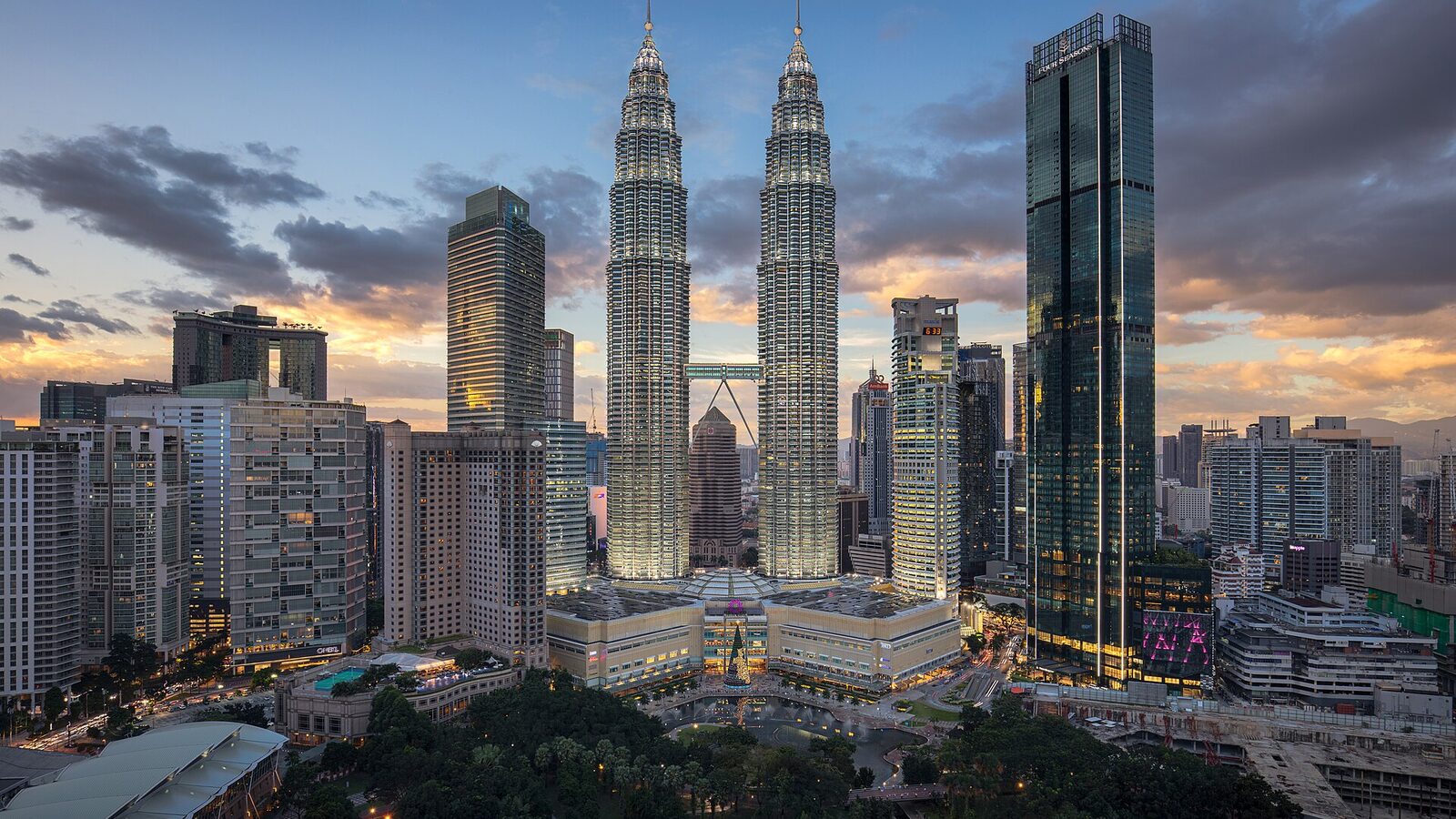
Validate Your Visa or Residence Pass Immediately
Upon arrival, ensure your visa or pass (e.g., Employment Pass, DE Rantau Nomad Pass, MM2H) is valid and stamped correctly by immigration. The Immigration Department of Malaysia (JIM) requires all pass holders to have their passport endorsed upon entry.
Check the expiration date and any conditions attached to your pass. If you notice discrepancies, contact the Expatriate Services Division (ESD) or JIM promptly to avoid legal issues or fines during your stay.
Keep physical and digital copies of your passport, visa approval letter, and other immigration documents. You will need these for registration processes, housing applications, and SettleBuddy's Visa AI can help track renewals and requirements.
If you are on a social visit pass or visa-free entry and plan to work or stay long-term, consult JIM's official guidelines to regularize your status. Never overstay or violate pass conditions.
Get a Local SIM Card and Mobile Plan
Purchase a local SIM card from providers like Maxis, Celcom, or Digi at the airport or any convenience store. This gives you immediate access to data, local calls, and essential apps for navigation and services.
Choose a prepaid or postpaid plan based on your needs. Prepaid offers flexibility, while postpaid requires registration with your passport and may offer better rates for heavy data users.
Ensure your phone is unlocked to use a Malaysian SIM. Having a local number is crucial for setting up bank accounts, registering for utilities, and using delivery services like Grab or Foodpanda.
SettleBuddy's community tips can help you compare plans and avoid tourist traps. Always keep your passport handy when registering for a postpaid plan, as it's required by law.
Secure Short-Term Accommodation and Plan Your Housing Search
Book temporary accommodation for your first 1-2 weeks, such as a serviced apartment or hotel, to give yourself time to explore neighborhoods and view properties without pressure.
Use SettleBuddy's Housing AI (launching soon for Malaysia) to find verified long-term rentals. Avoid unverified platforms; our tool integrates local listings, safety reviews, and contract guidance tailored for expats.
Consider factors like proximity to work, public transport (LRT, MRT, buses), schools, and amenities. Popular expat areas include Kuala Lumpur City Centre (KLCC), Bangsar, Mont Kiara, and Damansara Heights.
Schedule property viewings early in the week. Bring your passport and proof of income or employment pass, as landlords may require these for tenancy applications and agreements.
Open a Malaysian Bank Account
Visit a local bank branch (e.g., Maybank, CIMB, Public Bank) with your passport, valid pass, proof of address (rental agreement or utility bill), and sometimes a reference letter from your employer.
Choose between a savings or current account based on your needs. Some banks offer expat-friendly accounts with multi-currency options and lower fees for international transfers.
Apply for a debit card and register for online banking immediately. This will simplify bill payments, rent transfers, and daily transactions without relying on cash or foreign cards.
SettleBuddy's financial guides can help you compare bank services and avoid hidden fees. Always verify account requirements on the bank's website, as policies may vary.
Register for Healthcare and Understand Your Options
Malaysia has both public and private healthcare systems. Public healthcare is subsidized but may have longer waits; private hospitals offer faster service but at higher costs, often covered by insurance.
If your employer provides health insurance, register with the designated provider and understand your coverage. Otherwise, consider purchasing international or local health insurance for comprehensive protection.
Visit a clinic or hospital for a check-up and to register your details. Keep medical records handy, especially if you have pre-existing conditions or require regular medications.
SettleBuddy's community shares insights on recommended hospitals and clinics. For emergencies, dial 999, and know the location of the nearest hospital to your accommodation.
Apply for a Driver's License or Use Public Transport
If you plan to drive, check if your home country's license is valid in Malaysia or requires an International Driving Permit. For long-term stays, you may need to convert your license.
To convert a foreign license, visit the Road Transport Department (JPJ) with your passport, valid pass, original license, and a translation if needed. Some countries have reciprocal agreements for direct conversion.
Public transport is efficient in urban areas. Get a Touch 'n Go card for trains, buses, and tolls. Download apps like Moovit or Google Maps for routes and schedules to navigate easily.
SettleBuddy's relocation engine includes tips on transport passes and driving tests. Avoid driving without a valid license, as fines are strict and enforced by authorities.
Register with Your Embassy and Local Authorities
Notify your home country's embassy or consulate of your arrival and new address. This ensures you receive emergency alerts, voting information, and consular assistance if needed.
While Malaysia does not require general resident registration for expats, certain passes like MM2H may have reporting requirements. Always follow the guidelines set by the Immigration Department of Malaysia (JIM).
Keep embassy contact details saved on your phone and in writing. Register for travel advisories or emergency SMS services offered by your embassy for safety updates.
SettleBuddy's Visa AI can remind you of embassy registration deadlines and document renewals. This step is crucial for legal compliance and personal security abroad.
Set Up Utilities and Internet Services
Once you secure long-term housing, register for utilities like electricity (TNB), water (SYABAS or local provider), and gas. You may need your passport, tenancy agreement, and proof of address.
Apply for internet and WiFi services from providers like Unifi, Maxis, or Time Internet. Installation can take several days, so schedule it early to avoid connectivity gaps.
Keep copies of all utility contracts and payment details. Set up automatic payments through your bank account to avoid late fees and disconnections during busy periods.
Use SettleBuddy's Housing AI to compare utility providers and get tips on average costs. Never share personal documents with unverified vendors; always use official channels.
Explore Your Neighborhood and Essential Services
Walk around your area to locate supermarkets (e.g., Tesco, AEON, Jaya Grocer), pharmacies, clinics, post offices, and police stations. Knowing these spots saves time during emergencies or daily errands.
Identify nearby public transport stops, taxi stands, or Grab pickup points. Malaysia's hot climate makes shaded routes and air-conditioned spaces important for comfort and health.
Try local eateries and markets to familiarize yourself with Malaysian cuisine and culture. Learning basic Malay phrases can help in interactions and show respect for local customs.
SettleBuddy's Language Lab offers courses tailored for movers, including practical phrases for shopping and directions. Engaging with your community early eases the transition and builds networks.
Key Documentation and Financial Requirements
Maintain a folder with essential documents: passport, visa/pass, birth certificates (for family), marriage certificate, driver's license, insurance policies, and academic/professional credentials. These are needed for various registrations.
Understand any financial thresholds for your pass type. For example, according to the Immigration Department of Malaysia (JIM), the MM2H program requires proof of income and fixed deposits, but exact figures should be verified on imi.gov.my as they change.
Keep records of all financial transactions, especially large transfers or deposits, for tax purposes or pass renewals. Malaysia has strict anti-money laundering laws, so declare funds as required.
SettleBuddy's Visa AI tracks document deadlines and financial rules. Never assume requirements; always check JIM or ESD portals for updates to avoid application rejections or legal issues.
Where SettleBuddy comes in
SettleBuddy is the AI relocation engine for your whole move — language, visas, housing and career in one place, launching for every country. Language Lab is live now; Housing AI, Visa AI and Career AI are on the way.
Explore SettleBuddy →Key takeaways
- Validate your visa or pass with the Immigration Department of Malaysia (JIM) upon arrival to avoid legal issues.
- Get a local SIM card and use SettleBuddy's Housing AI for safe, verified accommodation searches.
- Open a bank account with your passport and proof of address; register for healthcare and transport early.
- Keep all documents organized and check official sources like imi.gov.my for current visa financial rules.
- Engage with SettleBuddy's tools and community for support throughout your relocation process.
FAQ
Do I need to register with local police after moving to Malaysia?
Generally, no—most expats on valid passes do not need to register with police. However, always follow the specific conditions of your visa or pass as set by the Immigration Department of Malaysia (JIM). Some long-term programs like MM2H may have reporting requirements; verify on imi.gov.my.
How long does it take to open a bank account in Malaysia?
It can take a few hours to a couple of days, depending on the bank and your documentation. Bring your passport, valid pass, proof of address (e.g., rental agreement), and sometimes an employer reference. SettleBuddy's guides can help you choose expat-friendly banks and prepare documents efficiently.
Can I use my home driver's license in Malaysia?
Yes, for short stays (usually up to 90 days), many foreign licenses are valid. For longer stays, you may need to convert it at the Road Transport Department (JPJ). Check JPJ's requirements based on your country of origin; some have reciprocal agreements for direct conversion without tests.
What should I do if my visa has an error upon arrival?
Contact the Immigration Department of Malaysia (JIM) or the Expatriate Services Division (ESD) immediately. Do not leave the airport without resolving it if possible, or visit a JIM office soon after. Errors can lead to overstaying fines or deportation, so act quickly with your documents.
How can I find reliable healthcare in Malaysia?
Malaysia has excellent private hospitals (e.g., Gleneagles, Sunway Medical Centre) and public facilities. Use employer-provided insurance or purchase a plan; SettleBuddy's community shares recommendations. For emergencies, dial 999, and keep a list of nearby clinics handy from your first week.
Official sources
The regulated facts in this guide are drawn from official government sources. Rules and figures change — always confirm the current detail on the official page before you act.