Germany Digital Nomad Visa: Income, Rules & Application
Germany has NO dedicated digital nomad visa. Remote workers use either the Freelance Residence Permit (for liberal professions) or Self-Employment Permit under §21 Residence Act. Both require applying at German missions abroad first. Never enter on a tourist visa to work remotely.
Quick answer
Germany has NO dedicated digital nomad visa. Remote workers use either the Freelance Residence Permit (for liberal professions) or Self-Employment Permit under §21 Residence Act. Both require applying at German missions abroad first. Never enter on a tourist visa to work remotely.
The Truth About Germany's 'Digital Nomad Visa'
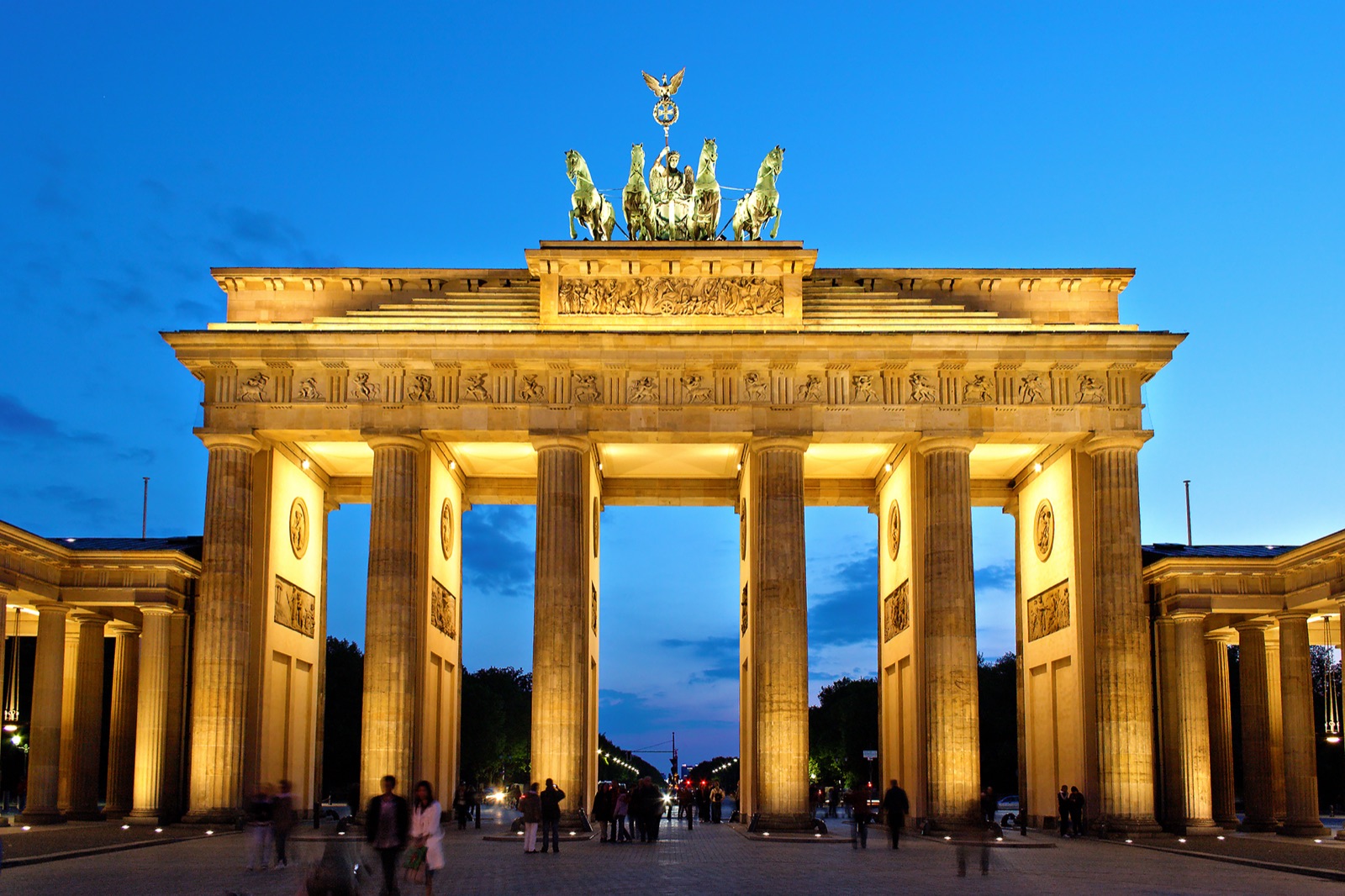
Germany does not offer a specific 'digital nomad visa' or remote work visa. This is confirmed by the Federal Office for Migration and Refugees (BAMF) and Federal Foreign Office. Any website claiming otherwise is providing inaccurate information that could lead to legal problems.
Instead, Germany offers structured pathways for self-employed individuals and freelancers through its existing residence permits. These are governed by §21 of the Residence Act (AufenthG) and require proper application through German diplomatic missions.
The misconception about a digital nomad visa often arises from confusing Germany's policies with other countries. It's crucial to understand the actual legal framework to avoid immigration violations that could affect future visa applications.
SettleBuddy's Visa AI can help you navigate these complex regulations and identify which German residence permit matches your specific professional situation and long-term goals.
Legal Alternatives for Remote Workers and Freelancers
For remote workers and digital nomads, Germany primarily offers two legal pathways: the Freelance Residence Permit (Freiberufler) and the Self-Employment Residence Permit (Selbständiger). Both fall under §21 of the Residence Act but serve different professional categories.
The Freelance Permit is designed for 'liberal professions' (freie Berufe) such as writers, artists, consultants, architects, and software developers working independently. This category has specific legal definitions and requirements that must be met.
The Self-Employment Permit covers broader business activities, including starting a company or commercial enterprise. This route typically requires more substantial business planning and evidence of economic interest or regional need.
Choosing the right category is critical. SettleBuddy's Visa AI can analyze your profession, clients, and business model to recommend the most appropriate pathway and help you understand the documentation requirements.
Freelance Residence Permit (Freiberufler) Requirements
The Freelance Residence Permit requires proof that you practice a 'liberal profession' as defined by German law. This includes fields like journalism, engineering, design, therapy, and other knowledge-based independent work without commercial trade character.
You must demonstrate sufficient client contracts or prospective work in Germany, proving you can support yourself financially. The exact income requirements vary by individual circumstances and are assessed case-by-case by immigration authorities.
Additionally, you'll need health insurance coverage that meets German standards, proof of accommodation, and sometimes evidence of relevant qualifications or professional experience in your field.
According to BAMF, applications must be submitted from abroad at a German embassy or consulate before entering Germany. You cannot switch from a tourist visa to a freelance permit within Germany.
Self-Employment Residence Permit (Selbständiger) Pathway
The Self-Employment Residence Permit requires a viable business concept that shows economic interest or regional need. You'll need a detailed business plan, financial projections, and evidence of sufficient startup capital to sustain yourself until the business becomes profitable.
Immigration authorities assess whether your business idea has a positive economic impact, creates jobs, or fulfills a specific need in the German market. The evaluation process is thorough and requires comprehensive documentation.
You must also prove personal financial means to support yourself during the initial establishment phase. The required amount varies based on your business plan and personal circumstances, with no fixed minimum threshold specified in official sources.
This permit typically involves consultation with local trade offices and chambers of commerce. The process can take several months, so planning well ahead of your intended move date is essential.
Application Process and Timeline
The application process begins at your local German embassy or consulate in your home country. You cannot apply for these residence permits while in Germany on a tourist visa. The Federal Foreign Office emphasizes that a visa is required as a matter of principle to enter Germany for long-term stays.
You'll need to complete the national visa application form (not the Schengen form), provide all required documentation, and attend an interview. Processing times vary by embassy and season but — the timeline varies (confirm the current timeline on the official source) for initial review and decision.
If approved, you'll receive a national visa (D-Visa) valid for 3-6 months, during which you must enter Germany and apply for the actual residence permit at the local Foreigners' Office (Ausländerbehörde). This second step involves additional documentation and registration.
The entire process from initial application to receiving your residence card — the timeline varies (confirm the current timeline on the official source). SettleBuddy's Visa AI can help you prepare your application package and track the necessary steps and timelines specific to your situation.
Required Documentation Checklist
For both freelance and self-employment permits, you'll need standard documents including a valid passport, biometric photos, completed application forms, and proof of health insurance that meets German requirements. The Consular Services Portal provides specific document checklists based on visa type.
Freelancers must provide evidence of their liberal profession, such as qualifications, portfolio, client contracts, letters of intent from German clients, and financial projections. The more established your client relationships, the stronger your application.
Self-employed applicants need a comprehensive business plan, market analysis, financial projections for 3-5 years, proof of startup capital, and any relevant business registrations or qualifications. Some regions may require additional approvals from trade authorities.
All documents not in German must be translated by certified translators. Some documents may require authentication or apostille certification depending on your country of origin. Check the specific requirements with your local German mission.
Financial Requirements and Proof of Funds
Germany does not specify fixed income thresholds for freelance or self-employment permits. Instead, authorities assess whether your projected income is sufficient to support yourself without recourse to public funds. This evaluation is case-specific and considers your business model and personal circumstances.
You'll need to provide evidence of financial stability, which may include bank statements, investment accounts, client contracts showing regular income, or business financial projections demonstrating sustainable revenue.
For initial entry, many applicants use a blocked account (Sperrkonto) as proof of funds. The required amount changes annually based on the German basic subsistence level. You must check the current figure on the official Federal Foreign Office website as it is not fixed.
The assessment also considers your business's viability. Self-employed applicants must show sufficient capital to launch and sustain the business until it becomes profitable, which typically requires more substantial financial resources than freelance applications.
Common Mistakes and How to Avoid Them
The most critical mistake is entering Germany on a tourist visa (Schengen) intending to work remotely or apply for a residence permit. According to BAMF, this violates immigration rules and can result in entry bans. Always apply for the correct national visa from abroad.
Another common error is insufficient documentation, particularly regarding client contracts or business planning. Vague proposals without concrete German client relationships or market research are frequently rejected. Be specific and evidence-based in your application.
Many applicants underestimate the time required for processing and preparation. Starting the process 6-9 months before your intended move date is advisable, especially given translation, authentication, and appointment scheduling requirements.
Finally, attempting to use the wrong permit category causes significant delays. Freelance and self-employment permits have distinct requirements. SettleBuddy's Visa AI can help you identify the correct category and avoid these costly mistakes from the beginning.
Long-Term Prospects and Path to Settlement
After initially receiving your freelance or self-employment residence permit, typically valid for 1-3 years, you can apply for extensions provided you continue meeting the requirements and demonstrate successful professional activity in Germany.
Successful self-employed individuals and freelancers may eventually qualify for a settlement permit (Niederlassungserlaubnis) after 5 years of continuous legal residence, provided they meet language requirements (usually B1 German), have secure livelihood, and make regular pension contributions.
The EU Blue Card may become an option if you transition to employment with a German company that meets the salary threshold. However, this requires a university degree and specific employment conditions as outlined by BAMF.
Germany offers a clear path to citizenship after 6-8 years of legal residence, depending on integration achievements. Understanding these long-term possibilities helps in planning your relocation strategy from the outset.
Comparing Freelance vs Self-Employment Options
Next Steps and Getting Professional Help
If you're considering Germany as a base for remote work, start by thoroughly researching whether your profession qualifies as a liberal profession or requires the self-employment route. The Federal Office for Migration and Refugees website provides detailed information on both pathways.
Gather your documentation early, particularly evidence of client relationships, qualifications, and financial stability. Consider consulting with a German immigration lawyer for complex cases, especially if your business model doesn't clearly fit standard categories.
Register with SettleBuddy to access our Visa AI tool, which can guide you through the specific requirements for your situation and help you prepare a strong application. Our platform also connects you with other professionals who have successfully navigated this process.
Remember that proper planning is essential. Germany's immigration system is thorough but manageable with the right preparation. Starting early and being meticulous with documentation significantly increases your chances of success in establishing your remote work career in Germany.
Where SettleBuddy comes in
SettleBuddy is the AI relocation engine for your whole move — language, visas, housing and career in one place, launching for every country. Language Lab is live now; Housing AI, Visa AI and Career AI are on the way.
Explore SettleBuddy →Key takeaways
- Germany has NO dedicated digital nomad visa - remote workers use Freelance or Self-Employment permits under §21 Residence Act
- Applications must be made from abroad at German embassies - never enter on a tourist visa to work remotely
- Financial requirements are case-specific with no fixed income threshold - check official sources for current blocked account amounts
- varies (confirm the current timeline on the official source) total - start preparing 6-9 months before your intended move date
- Long-term settlement is possible after 5 years with successful professional activity and integration

FAQ
What is the minimum income for Germany's freelance visa?
Germany does not specify a fixed minimum income threshold for the freelance residence permit. Instead, authorities assess case-by-case whether your projected income is sufficient to support yourself without public assistance. The evaluation considers your business model, client contracts, and personal circumstances. You must check the current required amount for blocked accounts on the official Federal Foreign Office website as it changes annually.
Can I apply for a German freelance visa while in Germany on a tourist visa?
No, according to BAMF, you cannot switch from a tourist visa (Schengen) to a residence permit within Germany. Applications for freelance and self-employment permits must be submitted from your home country or country of legal residence at a German embassy or consulate. Entering Germany as a tourist with the intention to work remotely or apply for a residence permit violates immigration rules and can result in serious consequences.
How long does the German freelance visa application process take?
The complete process — the timeline varies (confirm the current timeline on the official source). Initial processing at the German embassy — the timeline varies (confirm the current timeline on the official source) for the national visa decision. After entering Germany, you must apply for the residence permit at the local Foreigners' Office, which can take another 1-3 months. Processing times vary by embassy and season, so starting the process 6-9 months before your intended move date is advisable.
Can digital nomads bring family members to Germany?
Yes, both freelance and self-employment residence permit holders can apply for family reunification visas for spouses and minor children. Family members must meet standard requirements including basic German language skills (A1 level for spouses) and proof of adequate living space and financial means to support the entire family without public assistance. The process is similar to the main applicant's visa application and must be initiated from abroad.
Official sources
The regulated facts in this guide are drawn from official government sources. Rules and figures change — always confirm the current detail on the official page before you act.