Find an Apartment in the Netherlands as a Foreigner – Step‑by‑Step Guide
Finding an apartment in the Netherlands requires preparation: BSN number, proof of income, and understanding of the competitive rental market. Start early, use SettleBuddy's Housing AI for personalized matches, and be ready to act quickly when you find suitable housing.
Quick answer
Finding an apartment in the Netherlands requires preparation: BSN number, proof of income, and understanding of the competitive rental market. Start early, use SettleBuddy's Housing AI for personalized matches, and be ready to act quickly when you find suitable housing.
Understanding the Dutch Rental Market
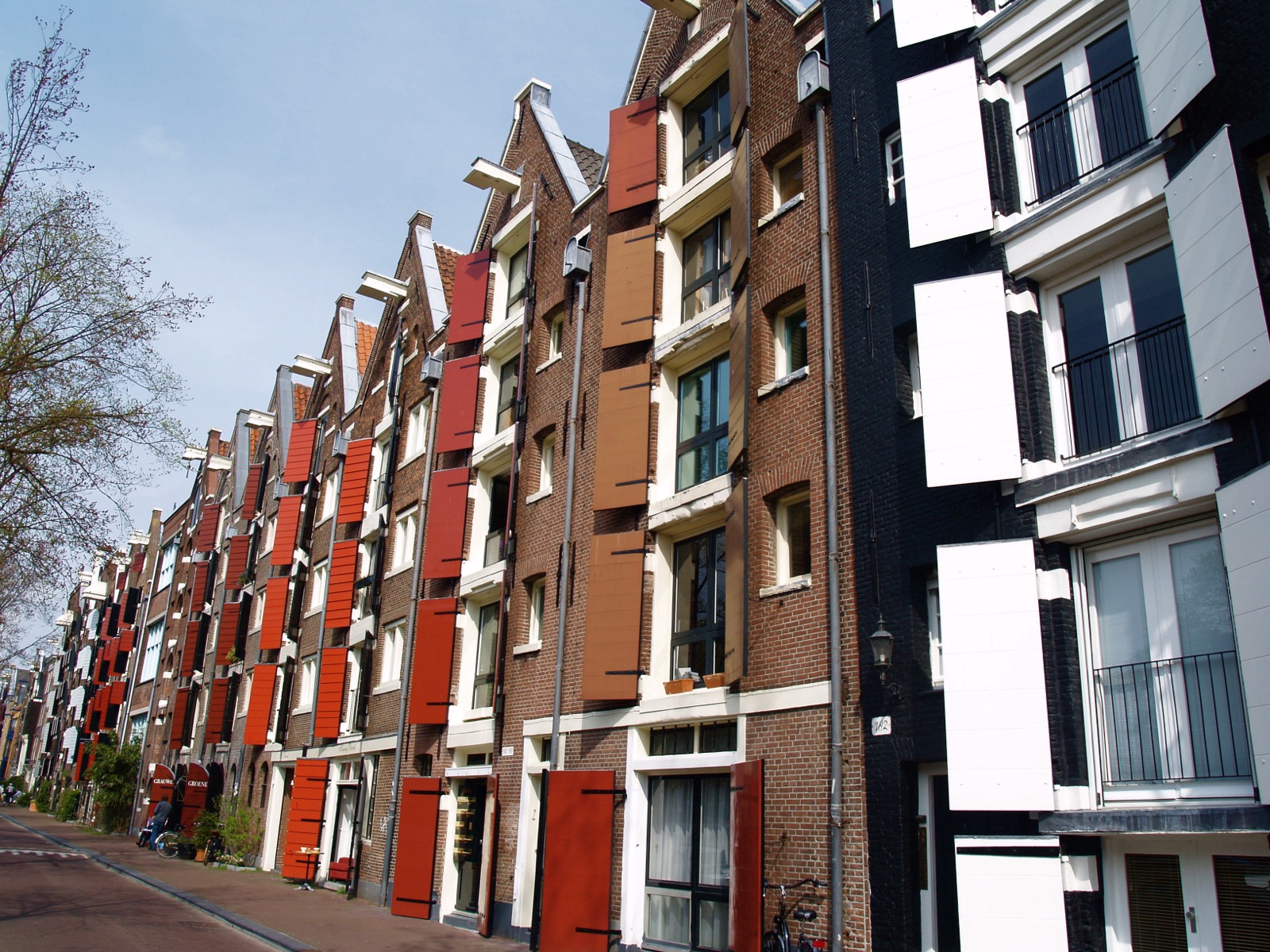
The Dutch rental market is highly competitive, especially in major cities like Amsterdam, Rotterdam, and Utrecht. Demand significantly outweighs supply, making it challenging for foreigners to secure housing quickly. Understanding this dynamic is crucial before beginning your search.
Rental properties are typically categorized as social housing (regulated sector) or private sector. Most foreigners will be looking at the private sector, which has no income limits but higher prices. Social housing has long waiting lists and income restrictions that usually exclude expats.
The market moves extremely fast - good properties can be rented within days or even hours of listing. You need to be prepared to make quick decisions and have all your documentation ready to submit immediately when you find a suitable apartment.
Seasonality affects availability, with summer being particularly competitive due to students and professionals moving. Starting your search 2-3 months before your intended move date is advisable, though flexibility is key in this challenging market.
Essential Documents and Requirements
Before you can rent an apartment in the Netherlands, you'll need specific documentation. Landlords typically require proof of identity (passport), proof of income (employment contract showing salary), and sometimes a Dutch bank account.
Your income must usually be 3-4 times the monthly rent to qualify. Landlords want assurance that you can comfortably afford the rent. Some may accept guarantors if your income doesn't meet requirements, but this varies by landlord.
You'll need a BSN (Burger Service Nummer) number for registration, which is mandatory — the timeline varies (confirm the current timeline on the official source) of moving. If you don't have one yet, explain your situation to potential landlords and provide proof of your application or appointment.
Additional documents might include employment references, previous landlord references, and sometimes a credit check. Having these prepared in advance will make your application more competitive in the fast-moving market.

Step-by-Step Apartment Search Process
Begin by determining your budget, preferred neighborhoods, and must-have amenities. Be realistic about what you can afford and consider commuting times from different areas to your workplace or school.
Use SettleBuddy's Housing AI platform to streamline your search. Our AI matches you with properties that fit your specific criteria, saving you hours of manual searching across multiple platforms.
Schedule viewings as soon as possible when you find promising listings. Be prepared to view multiple properties and make quick decisions. Many viewings have multiple interested parties attending simultaneously.
Once you find a suitable apartment, submit your application immediately with all required documents. Follow up with the landlord or agent to show your serious interest. Prompt communication can make the difference in securing the rental.
Navigating Rental Contracts and Costs
Rental contracts in the Netherlands are typically for indefinite periods with a minimum rental term of 12 months. Temporary contracts for 2 years are also common, after which they automatically become indefinite.
Understand all costs involved beyond the monthly rent. These may include security deposit (varies (confirm the current timeline on the official source)' rent), agency fees (though these are increasingly paid by landlords), and advance payment of the first month's rent.
Additional costs include utilities (gas, water, electricity), municipal taxes, and service charges if living in an apartment complex. Some apartments include utilities in the rent, but most require you to set up accounts separately.
Carefully review the contract for clauses about notice periods, maintenance responsibilities, and rules about subletting. Consider having a Dutch-speaking friend or professional review the contract if you're not fluent in Dutch.
Registration and Municipal Requirements
varies (confirm the current timeline on the official source) of moving into your new home, you must register at your local municipality (gemeente). This registration is mandatory and requires your rental contract as proof of address.
Registration provides you with your BSN number, which is essential for opening bank accounts, accessing healthcare, and employment. Without proper registration, you cannot fully settle into Dutch life.
Your landlord must provide a signed permission form allowing you to register at the property. Some municipalities also require the landlord to confirm the rental agreement directly with them.
Failure to register can result in fines and complications with your residence status. Ensure this is prioritized immediately after moving in, as it affects many aspects of your legal stay in the Netherlands.
Common Challenges and How to Overcome Them
The most common challenge is the speed of the market - properties get rented extremely quickly. Solution: Set up instant notifications through SettleBuddy's Housing AI and be ready to view properties within hours of listing.
Many landlords prefer Dutch tenants or require Dutch guarantors. Solution: Offer to pay multiple months' rent in advance or provide additional security deposits to mitigate the landlord's perceived risk.
Scams are prevalent, especially on unofficial platforms. Solution: Only use verified platforms like SettleBuddy, never wire money without viewing the property, and verify the landlord's identity through the Kadaster (land registry).
Language barriers can complicate contract understanding and communication. Solution: Use translation apps, bring a Dutch-speaking friend to viewings, or consider professional translation services for important documents.
Timeline and Planning Your Move
Start your apartment search 2-3 months before your intended move date. This gives you time to understand the market, view multiple properties, and complete the application process without rushing.
The actual rental process from application to moving in — the timeline varies (confirm the current timeline on the official source). This includes contract signing, transferring deposits, and coordinating key handover with the previous tenant or landlord.
Factor in time for setting up utilities, internet, and other services. These can take several days to activate, so plan for temporary solutions if needed during the transition period.
Coordinate your move-in date with your residence registration appointment at the municipality. These appointments can have waiting times of several weeks in busy cities, so book early once you have a signed rental contract.
Neighborhood Considerations for Expats
Different Dutch cities offer varying expat communities and amenities. Amsterdam has the largest international community but highest prices. Utrecht offers good balance of international atmosphere and slightly lower costs.
Consider proximity to international schools if you have children, access to public transportation for your commute, and availability of English-speaking services like doctors and shops in the neighborhood.
Research neighborhood safety, noise levels, and community vibe. Some areas are more family-friendly while others cater to students or young professionals. Visit neighborhoods at different times of day before deciding.
Think long-term about your lifestyle preferences. Do you prefer quiet suburbs or vibrant city centers? Waterfront properties or historic districts? SettleBuddy's Housing AI can help match you with neighborhoods that fit your preferences.
SettleBuddy Housing AI: Your Search Simplified
SettleBuddy's Housing AI revolutionizes the apartment search process by using intelligent matching algorithms that learn your preferences and priorities. Our system scans available properties across multiple verified sources.
The platform provides personalized recommendations based on your budget, preferred locations, commute requirements, and lifestyle preferences. No more wasting time on unsuitable listings or missing out on perfect matches.
Our AI assistant helps with document preparation, schedules viewings automatically, and even provides neighborhood insights and school information if relevant to your family situation. It's your complete housing solution.
For foreigners navigating the complex Dutch rental market, SettleBuddy's Housing AI eliminates language barriers, provides translation services for contracts, and offers guidance on local rental laws and tenant rights.
| Search Method | Time Investment | Success Rate | Best For |
|---|---|---|---|
| Traditional Online Platforms | 20+ hours/week | Low | Those with flexible timelines |
| Real Estate Agents | Moderate | Medium | Budget-flexible seekers |
| SettleBuddy Housing AI | 2-5 hours/week | High | Time-constrained foreigners |
| Word of Mouth | Variable | Variable | Well-connected individuals |
Final Steps After Securing Your Apartment
Once you've signed the contract and paid the deposit, complete a thorough inspection of the property. Document any existing damage with photos and ensure both parties sign the move-in condition report.
Set up your utilities immediately - energy providers, water, and internet. Some providers require BSN numbers, so you may need to wait until after municipal registration for certain services.
Purchase mandatory home insurance (inboedelverzekering) for your belongings and consider liability insurance. Some landlords require proof of insurance before handing over keys.
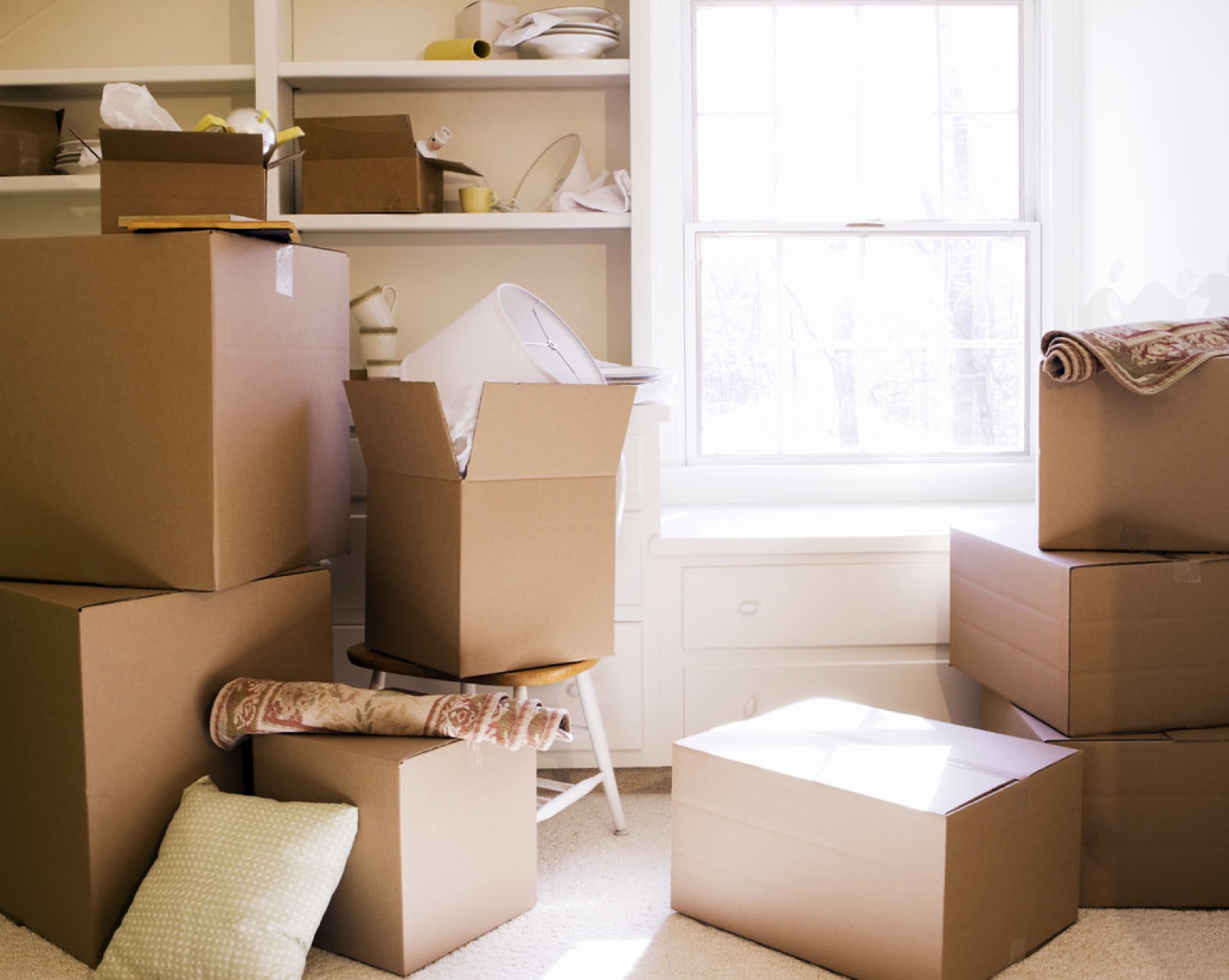
Plan your actual move carefully. Book movers well in advance, especially during peak moving seasons. Familiarize yourself with local parking regulations for moving vehicles and building rules about move-in times.
Where SettleBuddy comes in
SettleBuddy is the AI relocation engine for your whole move — language, visas, housing and career in one place, launching for every country. Language Lab is live now; Housing AI, Visa AI and Career AI are on the way.
Explore SettleBuddy →Key takeaways
- Start your apartment search 2-3 months before moving and have all documents ready
- Your income must typically be 3-4 times the monthly rent to qualify for rental properties
- Registration at the municipality — the timeline varies (confirm the current timeline on the official source) of moving is mandatory and requires your rental contract
- Use SettleBuddy's Housing AI to streamline your search and overcome language and market barriers
- Be prepared to act quickly - the Dutch rental market moves extremely fast with high competition
FAQ
Do I need a Dutch bank account to rent an apartment in the Netherlands?
While not always mandatory, most landlords prefer tenants with Dutch bank accounts for direct debit payments. Some may accept international accounts initially but will require you to open a Dutch account after arrival. Having a Dutch account simplifies rent payments and utility setups, making you a more attractive tenant candidate in the competitive market.
How much security deposit do I need to pay when renting in the Netherlands?
Security deposits typically range from 1-3 months' rent, depending on the landlord and property value. The amount should be clearly stated in your rental contract. By law, landlords must return the deposit — the timeline varies (confirm the current timeline on the official source) after you move out, minus any legitimate deductions for damages beyond normal wear and tear. Always get a written receipt for your deposit payment.
Can I rent an apartment before arriving in the Netherlands?
While possible, renting remotely is challenging and carries higher risk of scams. Many landlords require in-person viewings and prefer to meet tenants before signing contracts. Consider temporary housing for your first 1-2 months while you search in person. SettleBuddy's Housing AI can help you schedule viewings for immediately after arrival and provide virtual tour options where available.
What should I do if I don't meet the income requirements for rental properties?
If your income doesn't meet the typical 3-4 times rent requirement, options include offering a larger security deposit (3-6 months' rent), providing a Dutch guarantor, or paying several months' rent in advance. Some landlords may accept proof of savings equivalent to a year's rent. Be transparent about your situation and propose solutions that reduce the landlord's risk.
Official sources
The regulated facts in this guide are drawn from official government sources. Rules and figures change — always confirm the current detail on the official page before you act.