Move to Argentina: Complete Relocation Guide
Moving to Argentina involves selecting the right visa, applying through the RaDEX portal, obtaining a national ID (DNI) after approval, and then handling housing, work and language integration—tasks that SettleBuddy’s Visa AI, Housing AI, Career AI and Language Lab can streamline.
Quick answer
Moving to Argentina involves selecting the right visa, applying through the RaDEX portal, obtaining a national ID (DNI) after approval, and then handling housing, work and language integration—tasks that SettleBuddy’s Visa AI, Housing AI, Career AI and Language Lab can streamline.
Why Choose Argentina for Your Next Chapter
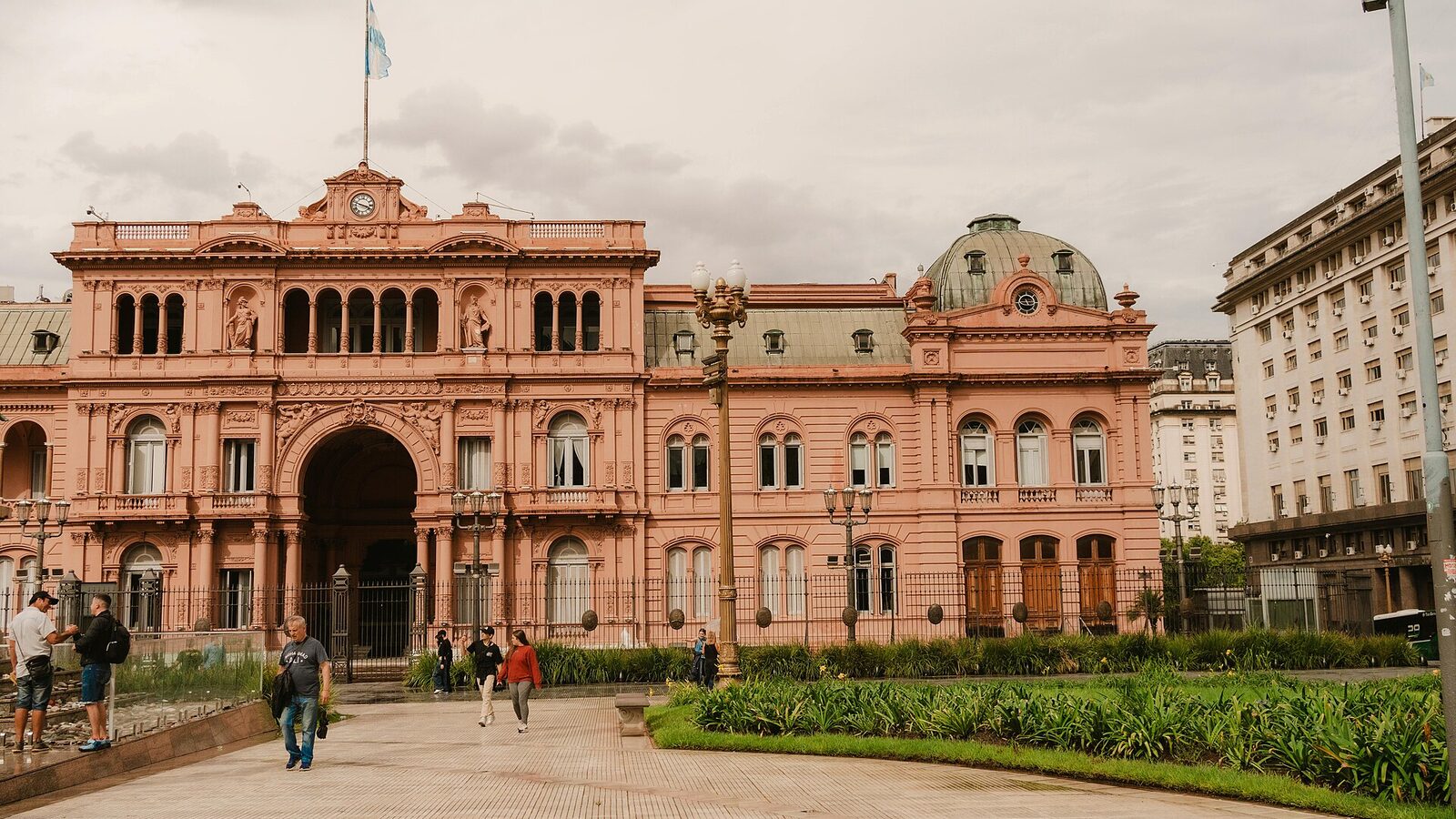
Argentina offers a blend of vibrant culture, diverse landscapes and a growing economy that appeals to professionals, retirees and digital nomads alike. Its major cities such as Buenos Aires provide a cosmopolitan lifestyle, while provincial regions boast lower living costs and a slower pace. The country’s strong emphasis on education, health services and community life creates a welcoming environment for newcomers seeking both personal and professional growth.
From a practical standpoint, Argentina’s immigration framework includes multiple pathways that accommodate a range of backgrounds, from skilled workers to pensioners. The government’s openness to MERCOSUR nationals and the recent introduction of a digital‑nomad visa reflect a strategic effort to attract talent and investment. Understanding these options helps you align your goals with the most suitable residency route.
SettleBuddy’s suite of AI‑driven tools—Visa AI for eligibility checks, Housing AI for finding a home, Career AI for job matching, and Language Lab for language practice—can simplify each phase of the move. By leveraging these resources, you reduce uncertainty, save time and gain confidence as you transition to life in Argentina.
Residency Pathways: An Overview of Visa Options
Argentina’s immigration system, overseen by the Direccion Nacional de Migraciones, provides several temporary residence categories. The most common routes include work visas for employed professionals, the rentista (or pensioner) visa for individuals with stable income from abroad, a digital‑nomad visa for remote workers, student visas for academic pursuits, and family reunification visas for relatives of Argentine citizens or residents. MERCOSUR nationals benefit from a streamlined process that bypasses many formalities.
Each visa type has distinct eligibility criteria, documentation requirements and renewal cycles. While work visas typically require a contract from an Argentine employer, the rentista visa focuses on proof of regular foreign income, and the digital‑nomad visa emphasizes remote employment with a foreign entity. Student visas demand enrollment verification, and family visas require proof of kinship. Understanding these nuances is essential before initiating any application.
The official RaDEX portal (Radicacion) serves as the central hub for submitting applications, uploading supporting documents and tracking status. Applicants must create an account, select the appropriate visa category, and follow the step‑by‑step prompts provided by the system. SettleBuddy’s Visa AI can guide you through this selection process, ensuring you choose the pathway that best matches your personal circumstances.
| Visa Type | Primary Eligibility |
|---|---|
| Temporary Work | Employment contract with an Argentine employer |
| Rentista / Pensioner | Proof of regular foreign income or pension |
| Digital Nomad | Remote work for a non‑Argentine company |
| Student | Enrollment in an Argentine educational institution |
| Family Reunification | Relationship with an Argentine citizen or resident |
| MERCOSUR Nationals | Citizenship of a MERCOSUR member state |

The Rentista Visa: Living on Foreign Income
The rentista visa is designed for individuals who receive a steady stream of income from abroad, such as retirees, investors or freelancers. To qualify, applicants must demonstrate that their monthly earnings meet the threshold defined by the Direccion Nacional de Migraciones. Because this threshold can be adjusted, it is crucial to verify the current requirement on the official migraciones.gob.ar website before preparing your documentation.
Key documents for the rentista application include recent bank statements, proof of pension or investment income, a clean criminal record, and a valid passport. All documents must be translated into Spanish and, when required, apostilled. The RaDEX portal allows you to upload these files directly, and the system will flag any missing items before submission.
SettleBuddy’s Visa AI can help you compile the necessary paperwork, generate a checklist tailored to the rentista route, and even draft a cover letter that aligns with the expectations of immigration officials. By using these tools, you minimise the risk of omissions that could delay processing.
Digital Nomad Visa: Remote Work Meets Argentine Lifestyle
Argentina’s digital‑nomad visa opens the door for remote professionals who wish to experience South American culture while maintaining their overseas employment. Applicants must prove that they work for a foreign company, earn a minimum income level set by the migration authority, and have health insurance coverage for the duration of their stay. The exact income figure should be confirmed on the official migration portal before proceeding.
The application process mirrors that of other temporary visas: create a RaDEX account, select the digital‑nomad category, and upload proof of remote employment, such as a contract or recent payslips, alongside health insurance documentation. The system also requests a brief statement outlining your intended activities while in Argentina, which can be drafted with assistance from SettleBuddy’s Visa AI.
Once approved, the digital‑nomad visa typically grants a stay of up to one year, with the possibility of renewal provided the income and employment conditions remain unchanged. During this period, you can explore the country’s diverse regions, learn Spanish through SettleBuddy’s Language Lab, and even seek local networking opportunities via the Career AI platform.
Student and Family Visas: Academic and Personal Connections
For those planning to study in Argentina, the student visa requires enrollment confirmation from a recognized Argentine institution, proof of sufficient financial resources, and a clean criminal record. The enrollment certificate should detail the program’s duration and your status as a full‑time student. Financial proof can be demonstrated through bank statements or scholarship letters, and the exact amount needed should be verified on the official migration website.
Family reunification visas enable spouses, children and parents of Argentine citizens or residents to join their loved ones. Applicants must provide relationship documentation, such as marriage or birth certificates, and evidence that the sponsor can support the family financially. The RaDEX portal guides you through the specific document list for each relationship category.
Both student and family applicants benefit from early planning. SettleBuddy’s Career AI can help students locate part‑time work opportunities, while the Housing AI assists families in finding suitable neighborhoods that match their lifestyle preferences. The Language Lab also offers tailored courses for academic or family integration.
Submitting Your Application Through the RaDEX Portal
The Radicacion (RaDEX) portal, managed by the Direccion Nacional de Migraciones, is the official digital gateway for all residency applications. After creating a user profile, you select the visa category that aligns with your situation and follow the system’s guided workflow. Each step includes clear instructions on required documents, file formats and translation standards, reducing the chance of submission errors.
During the upload phase, the portal validates file sizes and language requirements, prompting you to correct any issues before finalizing the request. Once submitted, you receive a reference number that you can use to monitor progress. The portal also notifies you of any additional information the authorities may request, allowing you to respond promptly.
SettleBuddy’s Visa AI integrates with the RaDEX portal’s public guidelines, offering real‑time suggestions on document preparation and reminding you of pending actions. By staying organized through this AI assistance, you can keep the application moving smoothly and avoid common delays that arise from incomplete or improperly formatted submissions.
After Approval: Obtaining Your DNI and Local Registration
When your temporary residence is granted, the next critical step is obtaining a Documento Nacional de Identidad (DNI), Argentina’s national identification card. The DNI is essential for everyday activities such as opening a bank account, signing a lease, or accessing public services. To request the DNI, you must present your passport, residence approval document and proof of address at the local civil registry office.
The civil registry may also ask for additional documentation, such as a birth certificate or marriage certificate, depending on your personal circumstances. These documents must be translated into Spanish and, if required, apostilled. Once processed, the DNI is issued on the spot or within a short waiting period, after which you can fully integrate into Argentine civic life.
SettleBuddy’s Housing AI can help you locate a temporary address that satisfies the DNI registration requirement, while the Career AI can assist in finding employment that may further streamline the process. Additionally, the Language Lab offers practical language modules focused on bureaucratic terminology, empowering you to navigate the registration steps confidently.
Practical Relocation Tips: Housing, Work, and Language
Finding suitable housing in Argentina is simplified with SettleBuddy’s Housing AI, which matches your preferences—such as neighborhood vibe, proximity to public transport, and budget range—with available listings curated by local partners. The AI also provides guidance on lease agreements, utility setup and tenant rights, ensuring you enter into a secure rental arrangement without needing to browse external platforms.
For employment, SettleBuddy’s Career AI analyzes your skill set, language proficiency and industry experience to suggest job openings that align with Argentina’s labor market. The platform also offers resume localization tips and interview preparation resources, helping you present yourself effectively to Argentine employers while complying with local labor regulations.
Language integration is crucial for a smooth transition. SettleBuddy’s Language Lab offers interactive lessons tailored to everyday situations, from grocery shopping to navigating government offices. By practicing with native‑speaker recordings and contextual dialogues, you build confidence quickly, reducing cultural friction and enhancing your ability to connect with locals.
Common Pitfalls and How SettleBuddy Helps You Avoid Them
One frequent mistake is overlooking the need to translate and apostille documents before uploading them to the RaDEX portal. Incomplete translations can cause processing delays, and missing apostilles may result in outright rejection. SettleBuddy’s Visa AI automatically flags documents that lack the required certifications and provides step‑by‑step instructions on how to obtain them from authorized agencies.
Another challenge is underestimating the time needed to secure a DNI after residency approval. Because the DNI is required for many essential activities, postponing its acquisition can hinder your ability to rent a home, open a bank account or enroll in health services. SettleBuddy’s Housing AI schedules reminders aligned with your approval timeline, ensuring you address the DNI requirement promptly.
Finally, newcomers often underestimate the cultural adjustment period, especially regarding local business etiquette and informal communication styles. SettleBuddy’s Language Lab includes cultural notes and situational role‑plays that prepare you for common interactions, from negotiating a lease to attending a workplace meeting. By leveraging these resources, you reduce the risk of miscommunication and settle more comfortably into Argentine life.
Where SettleBuddy comes in
SettleBuddy is the AI relocation engine for your whole move — language, visas, housing and career in one place, launching for every country. Language Lab is live now; Housing AI, Visa AI and Career AI are on the way.
Explore SettleBuddy →Key takeaways
- Argentina offers multiple temporary residence visas, each with distinct eligibility criteria.
- All applications are submitted through the official RaDEX portal managed by the Direccion Nacional de Migraciones.
- After visa approval, obtaining a DNI is essential for everyday activities and legal compliance.
- SettleBuddy’s AI tools—Visa, Housing, Career, and Language Lab—streamline each relocation step.
- Always verify income thresholds, fees and documentation requirements on the official migration website.
FAQ
What is the first step to move to Argentina?
Begin by determining which visa category aligns with your situation—work, rentista, digital‑nomad, student or family—and then create an account on the RaDEX portal. Use SettleBuddy’s Visa AI to assess eligibility and compile the required documents before you start the official application.
How long does the visa application process usually take?
Processing times vary based on the visa type and the completeness of your submission. The RaDEX portal provides status updates, and you can receive notifications through SettleBuddy’s Visa AI, which also advises on any additional information the authorities may request to keep the timeline moving smoothly.
Do I need to speak Spanish to apply for a visa?
While the application itself can be completed in Spanish, you may submit documents in your native language if they are accompanied by certified translations. SettleBuddy’s Language Lab offers targeted translation practice and terminology lessons to help you prepare the necessary Spanish versions of your paperwork.
Can I work remotely while on a digital‑nomad visa?
Yes, the digital‑nomad visa is specifically intended for remote workers employed by foreign companies. You must provide proof of remote employment and meet the income threshold defined by the Direccion Nacional de Migraciones. SettleBuddy’s Visa AI can help you format this proof to match official expectations.
What should I do after my visa is approved?
Once approved, you should promptly schedule an appointment at the local civil registry to obtain your DNI, as this card is required for banking, housing and many other daily activities. Meanwhile, use SettleBuddy’s Housing AI to find a suitable residence and the Career AI to explore job opportunities if you plan to work locally.
Official sources
The regulated facts in this guide are drawn from official government sources. Rules and figures change — always confirm the current detail on the official page before you act.