How to Move to Austria: Step‑by‑Step Guide
Moving to Austria involves picking the right visa—like the Red‑White‑Red Card or EU Blue Card—meeting points or salary thresholds, submitting documents through the Austrian embassy, and registering locally after arrival. The process typically takes about eight weeks, and SettleBuddy’s Visa AI can help you match your profile to the best option.
Quick answer
Moving to Austria involves picking the right visa—like the Red‑White‑Red Card or EU Blue Card—meeting points or salary thresholds, submitting documents through the Austrian embassy, and registering locally after arrival. The process typically takes about eight weeks, and SettleBuddy’s Visa AI can help you match your profile to the best option.
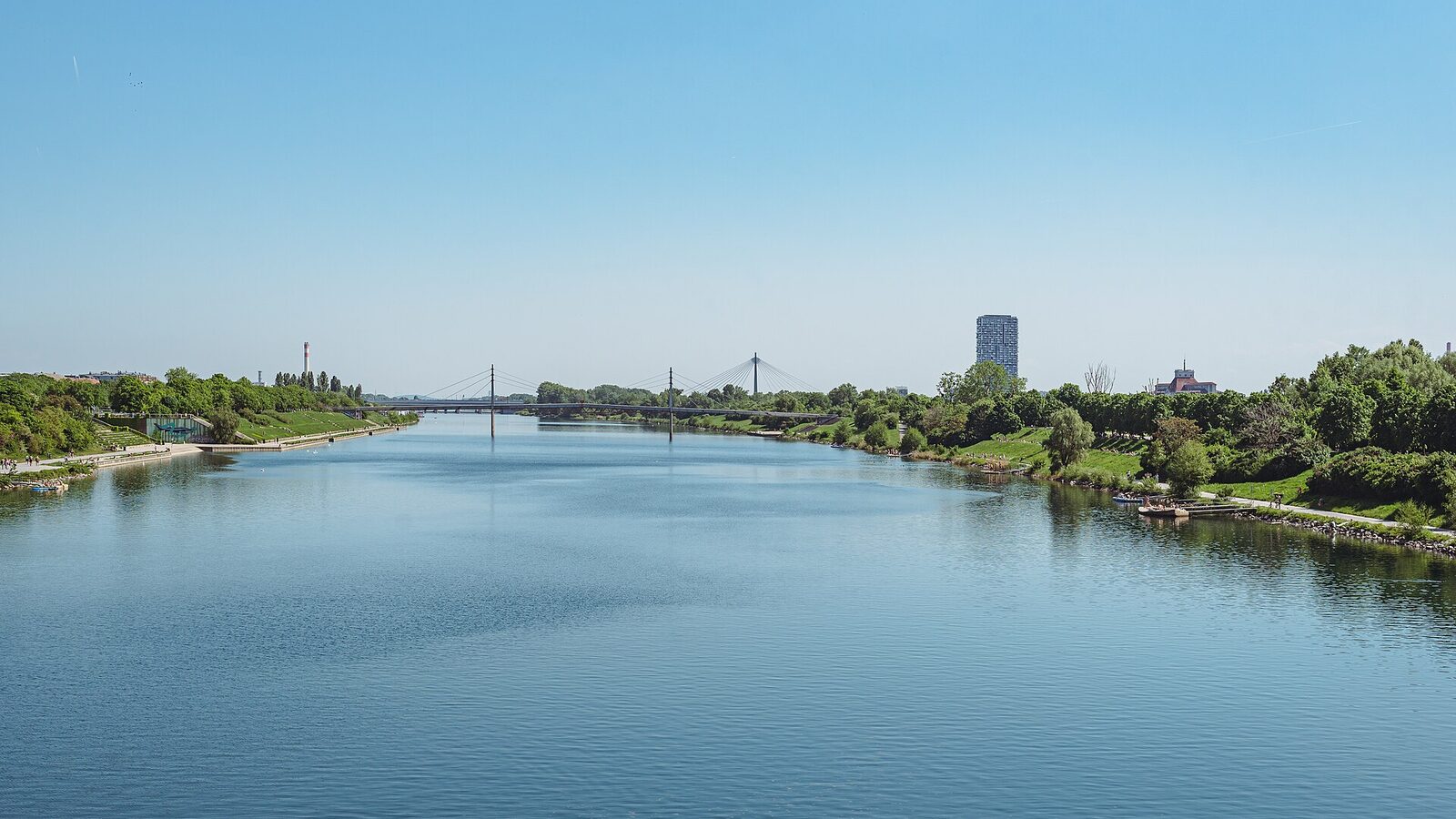
Why Austria Is a Top Destination for Expats
Austria consistently ranks among the highest‑scoring countries for quality of life, offering a blend of vibrant cities, Alpine scenery, and a robust social security system. Expats benefit from excellent public transport, universal healthcare, and a strong emphasis on work‑life balance, making daily life both convenient and enjoyable. The country’s central European location also provides easy access to neighboring markets, enhancing travel and business opportunities for newcomers.
The Austrian economy is driven by advanced manufacturing, technology, tourism, and a growing startup ecosystem. Skilled professionals in engineering, IT, and healthcare are especially in demand, as reflected in the government’s targeted shortage occupations. This demand translates into clearer pathways for qualified workers to obtain residence permits, ensuring that talent can contribute quickly to the national labor market while enjoying a stable environment.
Relocating to Austria follows a well‑defined timeline: initial visa application, document verification, entry into the country, and final registration with local authorities. Most applicants experience an eight‑week processing period for the Red‑White‑Red Card or EU Blue Card, after which they can begin work and settle into their new community. Understanding each phase helps you plan finances, housing, and language preparation effectively.
Choosing the Right Visa Category
Austria offers several residence permits tailored to different professional backgrounds. The Red‑White‑Red (RWR) Card covers very highly qualified workers, skilled workers in shortage occupations, and other key workers, while the EU Blue Card targets highly qualified employees with a minimum salary. Additionally, a one‑year Job Seeker Visa enables top talent to explore opportunities before securing a contract.
Below is a quick comparison of the most common pathways. Each option has distinct eligibility criteria, validity periods, and post‑arrival benefits, allowing you to align your qualifications with the most suitable route. Use this table as a starting point, then let SettleBuddy’s Visa AI refine the match based on your personal profile and career goals.
When deciding, consider factors such as your current salary, language proficiency, and long‑term intentions. The EU Blue Card may be preferable if you already meet the €55,678 annual salary threshold, whereas the RWR Card Plus offers a faster route to open labor‑market access after an initial year. For recent graduates, the Job Seeker Visa provides a low‑risk entry point to explore the Austrian job market.
| Visa Type | Main Eligibility | Validity |
|---|---|---|
| Red‑White‑Red Card – Very Highly Qualified | ≥70 points (top‑level scientists/managers) | Typically 2 years, renewable |
| EU Blue Card | Salary ≥ €55,678/year (2026) | 24 months, renewable |
| Red‑White‑Red Card Plus | RWR Card holder, after 1 year | 1 year of open labor‑market access |
| Job Seeker Visa | Very highly qualified applicants | 6 months, can transition to RWR Card |

Understanding the Points System and Salary Thresholds
The Red‑White‑Red Card uses a points‑based assessment that evaluates qualifications, work experience, age, and language skills. To qualify as a very highly qualified worker, you must achieve at least 70 out of 100 points, which typically includes a university degree, several years of managerial experience, and proficiency in German or English. This system ensures that applicants bring valuable expertise to the Austrian labor market.
For other key workers, the threshold is lower: you need at least 55 points, and your employer must guarantee a statutory minimum gross salary of €3,465 per month (2026). This salary floor is set by the Austrian Federal Government Migration Platform and reflects the minimum earnings required to sustain a comfortable living while contributing to the economy.
The EU Blue Card follows a different model focused on salary alone. According to the official migration platform, the required gross annual income for 2026 is at least €55,678, which includes any special payments. Applicants meeting this benchmark can obtain a 24‑month residence permit, with the possibility of extending it if they continue to fulfill the salary condition.
Step‑by‑Step Application Process
Step 1: Identify the visa category that aligns with your qualifications and salary. Use SettleBuddy’s Visa AI to input your education, work history, and earnings; the tool will instantly suggest the most suitable pathway and highlight any additional requirements such as language certificates.
Step 2: Gather the required documentation, including a valid passport, proof of qualifications, a signed employment contract meeting the salary threshold, health insurance coverage, and any language test results. All documents must be translated into German and, where necessary, legalized with an apostille before submission to the Austrian representation abroad.
Step 3: Submit your application at the nearest Austrian embassy or consulate, or directly in Austria if you already hold a legal entry permit. The residence authority, together with the Public Employment Service (AMS), will evaluate your points, verify the labor‑market test, and confirm that the employer meets the statutory salary condition. Processing typically takes around eight weeks, as stated by the migration platform.
Step 4: Upon approval, you will receive a notification to enter Austria and collect your Red‑White‑Red Card or EU Blue Card at the local immigration office. Family members can apply for reunification simultaneously, provided they meet the language and income criteria. SettleBuddy’s Career AI can then help you locate job openings that match your new permit’s conditions.
Preparing Documentation and Legal Checks
The core documents required for any Austrian work permit include a valid passport, a certified copy of your highest academic degree, a detailed employment contract specifying the gross monthly or annual salary, and proof of health insurance coverage for the duration of your stay. Additionally, you must provide a recent passport‑size photograph and, where applicable, a language proficiency certificate at the A1 level or higher.
All foreign‑issued documents must be translated into German by a certified translator and, if required, legalized with an apostille or consular certification. The Austrian authorities are strict about document authenticity, so double‑checking each item before submission can prevent costly delays. Keep both original and translated copies organized in a dedicated folder for quick reference during the application and onboarding phases.
Because immigration law can be complex, especially for self‑employed key workers or start‑up founders, it is advisable to consult a licensed immigration attorney for personalized advice. SettleBuddy’s Visa AI can flag potential issues, but it does not replace professional legal counsel. An expert can also help you navigate any sector‑specific regulations that may affect your permit eligibility.
Family Reunification and Language Requirements
If you plan to bring your spouse, children, or other close relatives to Austria, you can apply for family reunification once your primary residence permit is granted. The process runs parallel to your own application, but each family member must submit individual documentation, including passports, birth or marriage certificates, and proof of health insurance.
A key condition for first‑time family reunification applicants is the demonstration of German language proficiency at the A1 level, as mandated by the Austrian Federal Government Migration Platform. This requirement ensures that newcomers can integrate more easily into Austrian society and access public services without language barriers.
SettleBuddy’s Language Lab, offering 50 languages tailored for movers, can help you and your family achieve the required A1 German certification quickly. The platform provides interactive lessons, real‑time pronunciation feedback, and exam‑focused practice, making it a practical tool for meeting the language prerequisite before your family’s visa interview.
Arrival, Registration, and AMS Integration
Within three days of entering Austria, you must register your residence at the local municipal office (Meldeamt). Bring your passport, residence permit approval notice, and a rental contract or proof of accommodation. The registration certificate (Meldebestätigung) is essential for opening a bank account, obtaining a tax identification number, and accessing other public services.
After registration, visit the immigration office to collect your physical Red‑White‑Red Card or EU Blue Card. The card contains your personal data, permit type, and validity period. Keep it safe, as you will need it for employment, travel within the Schengen area, and interactions with government agencies.
Finally, register with the Public Employment Service (AMS). Even if you already have a job contract, AMS registration is required for the labor‑market test and for accessing any potential training or support programs. The agency will also verify that your employer complies with the statutory salary thresholds and that your employment aligns with the chosen visa category.
Practical Relocation Tips: Housing, Language, and Career
Finding a home in Austria can be streamlined with SettleBuddy’s upcoming Housing AI, which aggregates listings, matches them to your budget and preferred neighbourhood, and even schedules viewings automatically. The tool eliminates the need to browse multiple external platforms, ensuring you receive verified options that meet local rental standards and legal requirements.
Language acquisition is a cornerstone of successful integration. SettleBuddy’s Language Lab provides tailored courses for beginners to advanced learners, focusing on everyday conversation, workplace terminology, and exam preparation. Regular practice through the platform’s speech‑recognition engine accelerates your progress toward the A1 German certification needed for family reunification and everyday life.
Career transition is smoother when you leverage SettleBuddy’s Career AI. The service analyses your professional background, suggests Austrian job markets with high demand, and helps you craft localized CVs and cover letters. It also connects you with industry‑specific networking events and mentorship programs, increasing your chances of securing a role that satisfies the salary thresholds of your chosen visa.
Beyond housing and employment, familiarize yourself with Austrian customs, public transport ticketing, and local banking procedures. Joining the SettleBuddy global mover community gives you access to peer‑to‑peer advice, city‑specific checklists, and real‑time updates on regulatory changes, helping you settle in with confidence and ease.
Common Pitfalls and Frequently Asked Questions
A frequent mistake is underestimating the importance of the points system or salary thresholds, leading to rejected applications. Double‑check your score using SettleBuddy’s Visa AI and verify the latest salary figures on the official migration platform before submitting any documents. Another common issue is neglecting the A1 German requirement for family reunification, which can delay or block your relatives’ entry.
Applicants sometimes overlook the need for document legalization and certified translations, resulting in processing delays. Ensure each foreign document is apostilled and translated by a recognized German translator. Finally, many newcomers forget to register with the municipal office within three days of arrival, which can affect access to health insurance and tax identification. Prompt registration avoids these administrative hurdles.
Where SettleBuddy comes in
SettleBuddy is the AI relocation engine for your whole move — language, visas, housing and career in one place, launching for every country. Language Lab is live now; Housing AI, Visa AI and Career AI are on the way.
Explore SettleBuddy →Key takeaways
- Identify the visa category that matches your qualifications and salary using SettleBuddy’s Visa AI.
- The Red‑White‑Red Card requires at least 70 points for very highly qualified workers or 55 points plus a €3,465 monthly salary for other key workers.
- EU Blue Card applicants must earn at least €55,678 gross annually in 2026, with a 24‑month validity period.
- Family reunification demands A1 German proficiency; SettleBuddy’s Language Lab can help you meet this requirement.
- Register at the local municipal office within three days of arrival and use SettleBuddy’s Housing and Career AI for a smoother transition.

FAQ
How long does the Red‑White‑Red Card application process usually take?
According to the Austrian Federal Government Migration Platform, the full Red‑White‑Red Card or EU Blue Card application typically requires about eight weeks from submission to decision. This timeline includes the residence authority’s review and the AMS labor‑market assessment. Delays can occur if documents are incomplete or if additional verification is needed, so preparing a thorough dossier in advance is essential.
Can I apply for the Red‑White‑Red Card while already residing in Austria on a tourist visa?
Yes, you may submit a Red‑White‑Red Card application from within Austria if you hold a legal entry permit such as a tourist visa, provided you meet the points and salary criteria. However, you must still register your address at the municipal office and maintain valid health insurance throughout the process. Consulting an immigration specialist is recommended to ensure compliance with all residency rules.
What happens if my employer’s salary offer falls short of the required threshold?
If the offered gross salary is below €3,465 per month for other key workers or €55,678 annually for the EU Blue Card, the application will be rejected based on the statutory minimum earnings rule. You can either negotiate a higher salary, seek a different employer, or consider an alternative visa category that matches your current compensation level.
Do I need to know German to work in Austria on an EU Blue Card?
German language proficiency is not a mandatory condition for the EU Blue Card; the primary requirement is meeting the salary threshold. Nevertheless, acquiring at least basic German (A1 level) greatly improves daily life, workplace integration, and long‑term residency prospects. SettleBuddy’s Language Lab offers fast‑track courses to help you achieve the necessary language level before arrival.
Is it possible to bring my children to Austria before I obtain a work permit?
Family reunification is generally linked to the primary applicant’s residence permit. Children can join you once your Red‑White‑Red Card or EU Blue Card is approved, provided you meet the income and housing standards. If you need to bring them earlier, you would have to apply for a separate dependent visa, which still requires proof of sufficient financial resources and health insurance.
Official sources
The regulated facts in this guide are drawn from official government sources. Rules and figures change — always confirm the current detail on the official page before you act.