How to Move to Croatia – Complete Relocation Guide
Moving to Croatia involves selecting the right visa (work, digital‑nomad, study, or family), gathering official documents, applying through the Ministry of the Interior, registering your address, obtaining a biometric residence card and OIB, and then settling in with SettleBuddy’s Housing AI and community support.
Quick answer
Moving to Croatia involves selecting the right visa (work, digital‑nomad, study, or family), gathering official documents, applying through the Ministry of the Interior, registering your address, obtaining a biometric residence card and OIB, and then settling in with SettleBuddy’s Housing AI and community support.
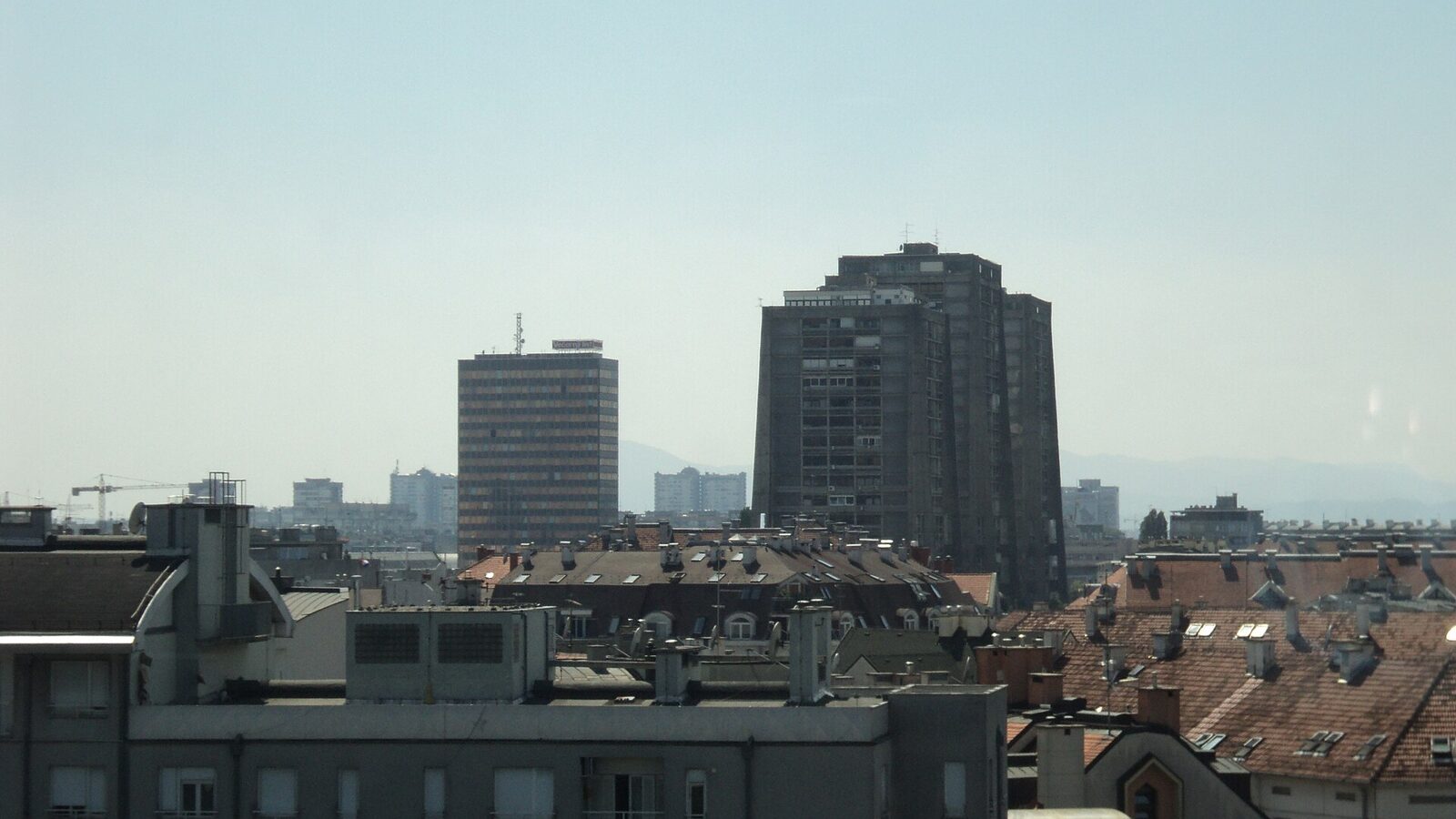
1. Why Choose Croatia for Your Next Home
Croatia offers a blend of Mediterranean climate, historic towns, and a growing digital‑nomad ecosystem, making it attractive for professionals, students, and families. Its EU membership ensures travel freedom across Schengen states, while a relatively low cost of living compared with Western Europe provides financial comfort. The country’s emphasis on innovation and quality of life has spurred a wave of expatriates seeking a balanced lifestyle, and SettleBuddy’s Visa AI can help you pinpoint the most suitable entry route.
Beyond scenery, Croatia’s strategic location on the Adriatic Sea opens access to both Central and Southern Europe, supporting career mobility and cultural exploration. The government’s recent focus on attracting remote workers has led to streamlined digital‑nomad permits, though exact income thresholds must be verified on the Ministry of the Interior portal. Understanding these incentives early can save time and reduce uncertainty during the relocation process.
For families, Croatia provides robust public education, universal healthcare, and a safe environment for children. The Ministry of Foreign and European Affairs maintains an up‑to‑date guide on family reunification, ensuring that spouses and dependents can join you under clear legal terms. Pairing official guidance with SettleBuddy’s Career AI can help you locate job opportunities that align with your skill set, smoothing the transition into the local labor market.
2. Choosing the Right Visa Path
Croatia issues several temporary‑stay permits, each tailored to a specific purpose. The most common routes are the single work permit for employed foreigners, the digital‑nomad temporary stay, study permits for enrolled students, and family‑reunification visas for spouses and minor children. According to the Ministry of the Interior (MUP), each route has distinct eligibility criteria, duration limits, and renewal processes, so selecting the correct category is critical for a hassle‑free stay.
The single work permit requires a confirmed employment contract with a Croatian employer and often mandates proof of qualifications. The digital‑nomad visa, introduced to attract remote professionals, typically demands a minimum monthly income, though the exact figure fluctuates and must be checked on the MUP website. Study permits rely on acceptance by a Croatian higher‑education institution, while family reunification hinges on proof of relationship and the sponsor’s legal residency.
SettleBuddy’s Visa AI can compare these pathways based on your personal profile, automatically highlighting the most viable option and generating a checklist of required documents. By leveraging AI‑driven insights, you reduce the risk of applying under an unsuitable category, which could lead to denial or delayed processing.

3. Gathering the Core Documentation
Regardless of the visa type, the Ministry of the Interior mandates a core set of documents: a valid passport, recent passport‑size photos, proof of health insurance, and a clean criminal record certificate from your country of residence. For work permits, you’ll also need a signed employment contract; for digital‑nomad status, evidence of remote income; for study, an acceptance letter; and for family reunification, marriage or birth certificates.
All documents not originally issued in Croatian or English must be officially translated and, where required, apostilled or legalized according to the Hague Convention. The Ministry of Foreign and European Affairs provides guidance on the apostille process, and it is advisable to start this step early because consular processing can take several weeks. Keep digital copies organized in a cloud folder to facilitate quick uploads during the online application.
SettleBuddy’s Language Lab can help you translate key documents accurately, ensuring terminology matches the expectations of Croatian authorities. Additionally, the platform’s checklist feature tracks the status of each document, sending reminders before deadlines and reducing the chance of missing a required item.
4. Applying for a Temporary Stay Permit
The application for a temporary stay permit is submitted electronically through the MUP e‑service portal. After creating an account, you will upload the scanned copies of your documents, fill out personal data fields, and pay the administrative fee. The exact fee amount varies by visa type and is listed on the MUP website; always verify the current amount before payment to avoid over‑ or under‑charging.
Once submitted, the Ministry reviews the file; processing times differ between standard work permits and digital-nomad applications and can fluctuate. You will receive a notification to schedule an appointment at the nearest police department for biometric data capture (fingerprints and photograph). Failure to attend the appointment on time may result in application rejection.
SettleBuddy’s Visa AI monitors the status of your application, automatically pulling updates from the MUP portal when available. The system also flags any missing data, prompting you to upload supplementary material before the deadline, thereby keeping your file complete and improving approval odds.
5. Digital‑Nomad Visa: Specifics and Income Requirements
The digital‑nomad temporary stay is designed for remote workers who earn income outside Croatia. While the Ministry of the Interior confirms the existence of this route, it does not publish a fixed income threshold in the public summary; instead, it advises applicants to consult the latest guidelines on its website. As of the last update, applicants must demonstrate a stable monthly income that comfortably covers living expenses in Croatia.
To prove income, you may submit recent bank statements, tax returns, or contracts showing recurring payments. The documentation must be in English or Croatian and, if necessary, accompanied by a certified translation. The fee for the digital‑nomad permit is listed on the MUP portal and may be higher than the standard work permit due to its specialized nature.
SettleBuddy’s Visa AI can pull the most recent income requirement directly from the MUP site, calculate whether your earnings meet the threshold, and generate a ready‑to‑submit income proof package. This reduces guesswork and ensures you meet the official criteria before filing the application.
6. Registering Your Address After Arrival
Upon entering Croatia with an approved temporary stay permit, you must register your residential address within eight days at the local police department or municipal office. This registration is a legal requirement under the Ministry of the Interior’s residency rules and is essential for obtaining the biometric residence card and the OIB (personal tax number). Failure to register on time can result in fines or complications when accessing public services.
During registration, present your passport, temporary stay permit, and a rental contract or proof of accommodation. The officer will record your address in the Central Registry of Residents and issue a confirmation receipt. Keep this receipt, as it will be needed when applying for the biometric card and when opening a bank account.
SettleBuddy’s Housing AI can help you secure a legally compliant rental agreement before you arrive, ensuring that the contract meets the documentation standards required for address registration. The AI also provides a template for the registration receipt, simplifying the process at the local office.
7. Obtaining the OIB and Biometric Residence Card
The OIB (Osobni Identifikacijski Broj) is Croatia’s tax identification number, required for employment, opening bank accounts, and signing utility contracts. After address registration, you apply for the OIB at the Tax Administration office or online via the e‑Tax portal. Bring your passport, residence permit, and address registration receipt; the office typically issues the OIB within one business day.
The biometric residence card replaces the temporary stay permit and serves as your official ID while residing in Croatia. After receiving the OIB, schedule a biometric appointment at the police department where you will provide fingerprints and a facial photograph. The card is usually ready for collection within two weeks, and it contains your photo, OIB, and validity dates.
SettleBuddy’s Career AI can alert you when your OIB and residence card are due for renewal, and the platform’s task manager will send reminders well before expiration. This proactive approach helps you maintain continuous legal status and avoid unexpected disruptions.
8. Finding a Home with SettleBuddy Housing AI
Securing suitable housing is often the most time‑consuming part of relocation. SettleBuddy’s Housing AI, launching for all countries soon, aggregates verified listings, matches them to your budget, preferred city district, and required amenities, and arranges virtual tours directly within the platform. Because the AI filters out unverified sources, you avoid the pitfalls of unreliable third‑party sites.
When you select a property, the Housing AI automatically generates a rental agreement that complies with Croatian law, incorporating clauses required for address registration and OIB application. This agreement can be signed electronically, streamlining the hand‑over process and ensuring that the landlord’s details are correctly recorded for official registration.
Beyond the initial move, SettleBuddy’s community forum connects you with expatriates already living in the same neighbourhood, offering insider tips on local services, public transport, and cultural events. By leveraging these resources, you integrate faster and enjoy a smoother daily life in Croatia.
9. Integrating into Daily Life: Language, Work, and Community
While many Croatians speak English, especially in urban areas and tourism hubs, learning basic Croatian accelerates social integration and improves job prospects. SettleBuddy’s Language Lab provides interactive lessons in Croatian, focusing on everyday phrases, workplace terminology, and bureaucratic language needed for interactions with government offices.
For employment, the Ministry of Foreign and European Affairs maintains a list of sectors with labor shortages, which can be advantageous for foreign professionals seeking work permits. Use SettleBuddy’s Career AI to align your skill set with these sectors, tailor your CV to Croatian standards, and receive interview coaching that reflects local business etiquette.
Joining the SettleBuddy mover community gives you access to meet‑ups, mentorship programs, and local event calendars. Engaging with fellow expatriates helps you navigate cultural nuances, discover hidden gems, and build a support network that can be invaluable during the first months of settlement.
10. Common Pitfalls and Practical Tips
One frequent mistake is applying for the wrong visa category, which leads to denial or the need to restart the process. Always verify eligibility against the Ministry of the Interior’s official criteria before submission, and use SettleBuddy’s Visa AI to run a pre‑application simulation that flags mismatches early.
Another pitfall involves neglecting the eight‑day address registration deadline. Late registration can trigger fines and delay the issuance of your biometric card. SettleBuddy’s task scheduler sends a countdown alert as soon as you land, ensuring you visit the local office promptly.
Finally, many newcomers underestimate the importance of the OIB for everyday transactions. Without it, you cannot legally work, rent a car, or open a bank account. Apply for the OIB immediately after address registration, and keep the receipt handy. SettleBuddy’s reminders keep you on track, preventing bureaucratic bottlenecks.
| Visa Type | Maximum Stay | Primary Eligibility | Key Requirement |
|---|---|---|---|
| Work Permit (single) | Up to 1 year, renewable | Employment contract with Croatian employer | Proof of contract and qualifications (MUP) |
| Digital‑Nomad | Up to 12 months, extendable | Remote worker earning abroad | Verified monthly income (check MUP) |
| Study Permit | Length of study program | Enrollment in Croatian institution | Acceptance letter and proof of funds |
| Family Reunification | Same as sponsor’s permit | Spouse or minor child of resident | Marriage/birth certificate and sponsor’s residency |
Where SettleBuddy comes in
SettleBuddy is the AI relocation engine for your whole move — language, visas, housing and career in one place, launching for every country. Language Lab is live now; Housing AI, Visa AI and Career AI are on the way.
Explore SettleBuddy →Key takeaways
- Identify the correct visa route early; each has distinct eligibility and documentation (MUP).
- Gather and apostille all required documents before starting the online application.
- Register your address within eight days of arrival to avoid fines and enable OIB issuance.
- Use SettleBuddy’s AI tools—Visa, Housing, Career, and Language Lab—to streamline each relocation step.
- Monitor renewal dates for the biometric residence card and OIB to maintain continuous legal status.

FAQ
How long does it take to get a Croatian work permit?
Processing times vary after you submit a complete application through the MUP e-service portal. Times can vary based on workload, so it’s wise to apply well before your intended start date. SettleBuddy’s Visa AI tracks the status and alerts you to any required follow‑up.
What income level do I need for the digital‑nomad visa?
The Ministry of the Interior does not publish a fixed figure; instead, it requires a stable monthly income that comfortably covers living costs in Croatia. Check the latest requirement on the MUP website, and let SettleBuddy’s Visa AI calculate whether your earnings meet the current threshold.
Do I need a Croatian bank account to receive my salary?
While a local bank account is not mandatory for receiving foreign‑sourced payments, it becomes essential for paying utilities, taxes, and receiving a Croatian salary. You will need your OIB and biometric residence card to open an account, so complete those steps promptly after arrival.
Can I bring my family with me on a digital‑nomad visa?
Family members cannot be included on the digital‑nomad temporary stay; they must apply for a separate family‑reunification visa, which depends on the sponsor’s legal residency status. Consult the Ministry of the Interior’s guidelines and use SettleBuddy’s Visa AI to explore the best route for your dependents.
What happens if I miss the eight‑day address registration deadline?
Missing the deadline can result in a monetary fine and may delay the issuance of your biometric residence card and OIB. The authorities may also require you to re‑register, adding administrative burden. SettleBuddy’s task manager sends a countdown reminder to ensure you complete registration on time.
Official sources
The regulated facts in this guide are drawn from official government sources. Rules and figures change — always confirm the current detail on the official page before you act.