How to Move to Estonia – Complete Relocation Guide
Moving to Estonia starts with choosing the right visa—employment, EU Blue Card, start‑up, digital nomad, study or family—then applying through the Police and Border Guard Board. After arrival, register your address, obtain an e‑Residency ID card, and use SettleBuddy’s AI tools to secure housing, work and language support.
Quick answer
Moving to Estonia starts with choosing the right visa—employment, EU Blue Card, start‑up, digital nomad, study or family—then applying through the Police and Border Guard Board. After arrival, register your address, obtain an e‑Residency ID card, and use SettleBuddy’s AI tools to secure housing, work and language support.
Why Choose Estonia for Your Next Home
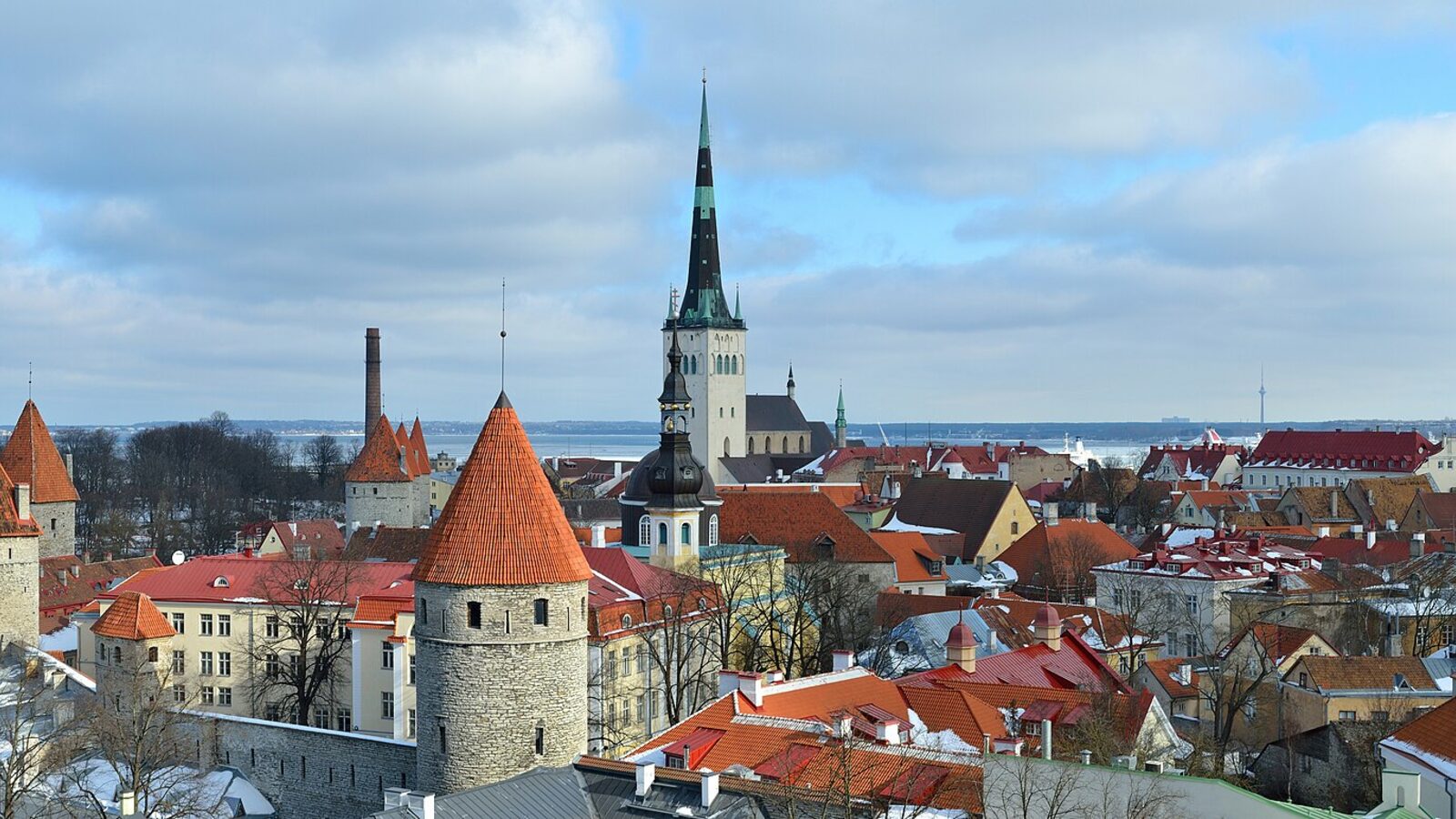
Estonia blends a digital‑first government with a vibrant tech ecosystem, making it a magnet for remote workers, entrepreneurs and skilled professionals. Its e‑Residency program, high‑speed internet, and transparent tax system provide a solid foundation for both personal and business growth. Moreover, the country’s compact size and well‑preserved natural landscapes offer a high quality of life with easy access to forests, lakes and historic towns, appealing to families and solo adventurers alike.
The capital, Tallinn, is renowned for its medieval Old Town, thriving startup scene, and a thriving expatriate community. Outside the capital, cities like Tartu and Pärnu provide university hubs and coastal leisure, respectively. Estonia’s membership in the EU and Schengen Area also grants seamless travel across Europe, which is a key advantage for those who wish to explore the continent while maintaining a stable base.
From a practical standpoint, Estonia’s public services are largely online, from tax filing to health records, reducing bureaucratic friction. This digital orientation aligns perfectly with SettleBuddy’s AI‑driven relocation platform, allowing newcomers to automate many steps of the move. Whether you’re seeking a new career, a startup launchpad, or simply a peaceful place to call home, Estonia offers a balanced mix of opportunity and lifestyle.
Visa Options and Eligibility Overview
The Police and Border Guard Board (PPA) outlines several regulated pathways for foreign nationals, each tailored to a specific purpose. Temporary residence permits for employment cover standard work contracts, while the EU Blue Card targets highly qualified professionals with a minimum salary threshold set by the PPA. Start‑up visas cater to founders planning to launch innovative businesses that meet the country’s growth criteria.
For remote workers, the Digital Nomad Visa (long‑stay D) allows stays up to one year provided proof of sufficient income, as defined by the PPA’s current salary coefficient. Students admitted to accredited Estonian institutions can apply for a study visa, and family reunification permits enable spouses and dependent children to join a primary permit holder. Each route has distinct documentation requirements and processing timelines.
While the official sources do not publish exact income figures in this guide, applicants should verify the latest thresholds on the PPA website before submitting. The diversity of options means you can align your move with career ambitions, entrepreneurial goals, or personal circumstances, ensuring a legal and smooth transition into Estonian society.
| Visa Type | Typical Duration | Key Eligibility |
|---|---|---|
| Temporary Residence – Employment | Up to 2 years (renewable) | Valid work contract with an Estonian employer |
| EU Blue Card | Up to 2 years (renewable) | Higher‑education degree + salary above PPA threshold |
| Start‑up Visa | Up to 2 years (renewable) | Approved business plan and minimum capital |
| Digital Nomad Visa (D) | Up to 1 year | Proof of remote work income meeting salary coefficient |
| Study Visa | Length of study program | Admission to an Estonian educational institution |
| Family Reunification | Same as sponsor’s permit | Proof of relationship and sponsor’s income |
Step‑by‑Step Visa Application Process
Begin by gathering the core documents listed on the PPA portal: a valid passport, completed application form, recent passport‑size photos, and proof of health insurance. For work‑related visas, you’ll also need an employment contract or a job offer that specifies salary and duration. The official PPA site provides downloadable templates and a checklist to ensure nothing is missed before submission.
Next, submit your application either online through the PPA e‑service portal or in person at the nearest Estonian consulate. The online route often accelerates the review, but some applicants prefer in‑person submission for complex cases. After filing, you will receive a receipt and a tracking number, which you can use to monitor progress via the PPA’s online portal.
Processing times vary by visa type; employment permits and the EU Blue Card follow different timelines. During this period, the PPA may request supplementary documents, such as proof of qualifications or financial statements. Respond promptly to avoid delays, and keep copies of all correspondence for reference.
Preparing Your Documentation for a Smooth Review
All documents must be either in Estonian, English, or accompanied by a certified translation. The PPA explicitly states that notarized translations are required for any non‑English material. For salary verification, provide recent payslips and a bank statement that clearly shows the income level matching the current salary coefficient—a figure you should double‑check on the PPA website.
If you are applying for the Digital Nomad Visa, include a contract with your remote employer, a detailed description of your work, and a tax residency certificate from your home country. Start‑up visa applicants must attach a business plan, proof of capital, and any relevant patents or trademarks. These documents demonstrate the economic contribution you will bring to Estonia.
Organize your files in a logical order: identification, financial proof, employment or study contracts, health insurance, and any additional permits. Using a digital folder with clear naming conventions (e.g., "Passport.pdf", "EmploymentContract.pdf") simplifies uploading to the PPA portal and reduces the chance of a rejected submission.
Arrival in Estonia: First Steps
Once your visa is approved, plan your arrival within the validity window indicated on the residence permit. At the border, present your passport, visa sticker, and the PPA approval notice. Estonian border officers may ask for proof of accommodation, so having a reservation confirmed through SettleBuddy’s Housing AI will satisfy this requirement without revealing private landlord details.
Within one month of receiving your residence permit (or of first arriving in Estonia on it), you must register your place of residence with the local government (linnavalitsus). This registration is mandatory for all foreign residents and is performed either online via the e‑Residency portal or in person at the municipal office. Bring your passport, residence permit, and proof of address—your SettleBuddy housing confirmation works as acceptable proof.
After registration, the municipality will issue a confirmation receipt. Keep this document safe, as you will need it when applying for the Estonian ID card and when opening a bank account. The registration process also triggers the automatic inclusion of your address in the national population register, which is essential for tax and health‑care purposes.
Obtaining Your Estonian ID Card
The Estonian ID card serves as both a travel document within the EU and a digital key for e‑services, making it a cornerstone of everyday life. To apply, schedule an appointment at the Police and Border Guard Board service point, bringing your passport, residence permit, and the municipal registration receipt. The appointment can be booked online through the PPA website, streamlining the process.
During the appointment, biometric data (fingerprints and a facial photograph) will be collected. The PPA then issues a temporary residence permit card, which you can exchange for the permanent ID card within a few weeks. The permanent card contains a chip that enables secure digital signatures, online banking, and access to government portals—all essential for managing finances and paperwork remotely.
If you encounter any issues—such as mismatched personal data or delayed issuance—consult the PPA’s help desk or seek assistance from a licensed immigration consultant. Remember, the ID card is mandatory for any long‑term stay, and failure to obtain it can result in fines or restrictions on public services.
Finding Housing with SettleBuddy’s Housing AI
Securing a home in Estonia is often the most time‑consuming part of relocation, especially when navigating language barriers and local rental norms. SettleBuddy’s Housing AI eliminates guesswork by matching your budget, preferred city, and lifestyle criteria with verified listings across Tallinn, Tartu, and other regions. The platform also provides virtual tours and a direct messaging channel with landlords, all within a single secure interface.
Because Estonian rental contracts typically require a three‑month deposit and a signed lease, the Housing AI pre‑populates these terms based on local standards, ensuring you meet legal obligations without surprise costs. The AI also flags properties that comply with EU rental regulations, protecting you from potential scams—a crucial safeguard for newcomers unfamiliar with the market.
Once you select a property, SettleBuddy’s platform can generate a rental agreement in both English and Estonian, ready for electronic signature. This streamlined workflow reduces the administrative burden, allowing you to focus on settling in, exploring neighborhoods, and connecting with the local community through SettleBuddy’s global mover network.
Launching Your Career with SettleBuddy’s Career AI
Estonia’s tech‑centric economy offers abundant opportunities for software developers, data scientists, and digital marketers. SettleBuddy’s Career AI aggregates job listings from official Estonian employment portals, filters them by visa eligibility, and aligns them with your skill set and salary expectations. The AI also highlights positions that qualify for the EU Blue Card, helping you meet the higher‑salary threshold required for that permit.
Beyond job matching, the Career AI provides guidance on preparing a CV that conforms to Estonian standards, offers interview coaching, and suggests networking events in major tech hubs like the Tallinn Science Park (Tehnopol). For entrepreneurs, the platform includes a start‑up checklist covering company registration, tax registration, and access to the e‑Residency program, all of which are essential steps for launching a business in Estonia.
If you need professional validation of your qualifications—such as credential recognition for regulated professions—Career AI can connect you with accredited assessment bodies. While the AI offers comprehensive support, complex cases involving professional licensing should still be reviewed by a qualified legal advisor to ensure full compliance with Estonian regulations.
Mastering Estonian with SettleBuddy’s Language Lab
Language proficiency accelerates integration, and SettleBuddy’s Language Lab delivers a tailored curriculum for newcomers. The Lab features 50 interactive modules covering everyday conversation, workplace terminology, and cultural nuances, all designed for learners at beginner, intermediate, and advanced levels. Each lesson incorporates speech‑recognition technology, providing instant feedback on pronunciation and fluency.
The curriculum aligns with the Common European Framework of Reference for Languages (CEFR), enabling you to track progress toward official language certificates if desired. Additionally, the Lab integrates real‑world scenarios—such as ordering at a café in Tallinn’s Old Town or navigating a municipal office—so you can practice relevant dialogues before encountering them in daily life.
For those who prefer a community‑driven approach, the Language Lab connects you with native speakers through virtual conversation circles, fostering cultural exchange and building a local network. While the Lab is a powerful tool, you may still benefit from in‑person language courses or tutoring for specialized needs, especially if you aim for professional certification.
Practical Daily Life Tips for New Residents
Public transportation in Estonia is reliable and affordable; a single ticket in Tallinn costs €2, and a monthly pass is €30, but exact prices should be verified on the local transport authority website. SettleBuddy’s Visa AI can suggest the best transport card based on your commuting patterns, ensuring you choose the most cost‑effective option.
Healthcare is universal for residents, but you must register with a local family doctor (perearst) after obtaining your ID card. The registration process is handled through the national health portal, which you can access using your e‑ID. Keep a copy of your health insurance card and bring it to any medical appointment to avoid unexpected fees.
Estonia applies a flat personal income tax — 22% since 2025, per the Estonian Tax and Customs Board (EMTA). However, certain deductions and allowances apply, especially for families and entrepreneurs. SettleBuddy’s Career AI includes a tax estimator that helps you forecast net income based on your salary and personal circumstances, simplifying financial planning.
Common Pitfalls and How to Avoid Them
One frequent mistake is submitting an incomplete visa application, which leads to rejection or extended processing times. To avoid this, double‑check each required document against the PPA checklist and use SettleBuddy’s Visa AI pre‑submission review feature, which flags missing items before you upload them to the official portal.
Another pitfall is neglecting the mandatory five‑day residence registration. Failure to register can result in fines and may jeopardize your eligibility for the ID card. Schedule your municipal appointment as soon as you land, and keep the registration receipt handy for all subsequent administrative procedures.
Finally, many newcomers underestimate the importance of securing reliable internet connectivity, especially if they rely on the Digital Nomad Visa. Estonia’s broadband infrastructure is excellent, but coverage varies outside major cities. Use SettleBuddy’s Housing AI to filter listings that include high‑speed fiber connections, ensuring you stay productive from day one.
Where SettleBuddy comes in
SettleBuddy is the AI relocation engine for your whole move — language, visas, housing and career in one place, launching for every country. Language Lab is live now; Housing AI, Visa AI and Career AI are on the way.
Explore SettleBuddy →Key takeaways
- Choose the visa that matches your purpose—employment, entrepreneurship, remote work, study, or family—and verify income thresholds on the Police and Border Guard Board site.
- Register your address within one month of receiving your residence permit and obtain an Estonian ID card to access essential e‑services and public benefits.
- Leverage SettleBuddy’s AI tools—Housing AI, Visa AI, Career AI, and Language Lab—to streamline housing, paperwork, job search, and language learning.
- Prepare complete, correctly translated documentation to avoid visa delays, and consult a licensed professional for complex legal questions.
- Integrate into Estonian life by using public transport, registering with a local doctor, and understanding the flat 22% income tax (the rate since 1 January 2025, per the Estonian Tax and Customs Board).

FAQ
What is the minimum income required for the Digital Nomad Visa?
The Digital Nomad Visa requires proof of income that meets the salary coefficient set by the Police and Border Guard Board. The exact figure changes periodically, so you should consult the PPA’s official residence‑permit page for the current threshold before applying.
Can I work for a foreign company while holding an Estonian residence permit?
Yes, the Digital Nomad Visa allows you to continue remote work for a non‑Estonian employer, provided your income satisfies the PPA’s salary requirements. Ensure your contract and bank statements clearly demonstrate the qualifying income level.
How long does it take to receive an Estonian ID card after arriving?
After registering your address and attending the appointment at the Police and Border Guard Board, a temporary residence card is issued immediately. The permanent ID card typically arrives within two to four weeks, depending on processing times at the issuing office.
Do I need a local bank account to live in Estonia?
While not legally mandatory, a local bank account is essential for receiving salaries, paying rent, and handling everyday transactions. You can open an account after obtaining your ID card, using the e‑Residency portal for a streamlined application.
Is health insurance required for the visa application?
Yes, proof of valid health insurance is a compulsory document for all residence‑permit applications. The insurance must cover the entire duration of your stay and meet the standards outlined by the Police and Border Guard Board.
Official sources
The regulated facts in this guide are drawn from official government sources. Rules and figures change — always confirm the current detail on the official page before you act.