How to Move to Finland – Complete Relocation Guide
Moving to Finland involves obtaining a residence permit through Migri, registering with the Digital and Population Data Services Agency, securing housing, and integrating into society, with SettleBuddy's tools simplifying each step of the process.
Quick answer
Moving to Finland involves obtaining a residence permit through Migri, registering with the Digital and Population Data Services Agency, securing housing, and integrating into society, with SettleBuddy's tools simplifying each step of the process.
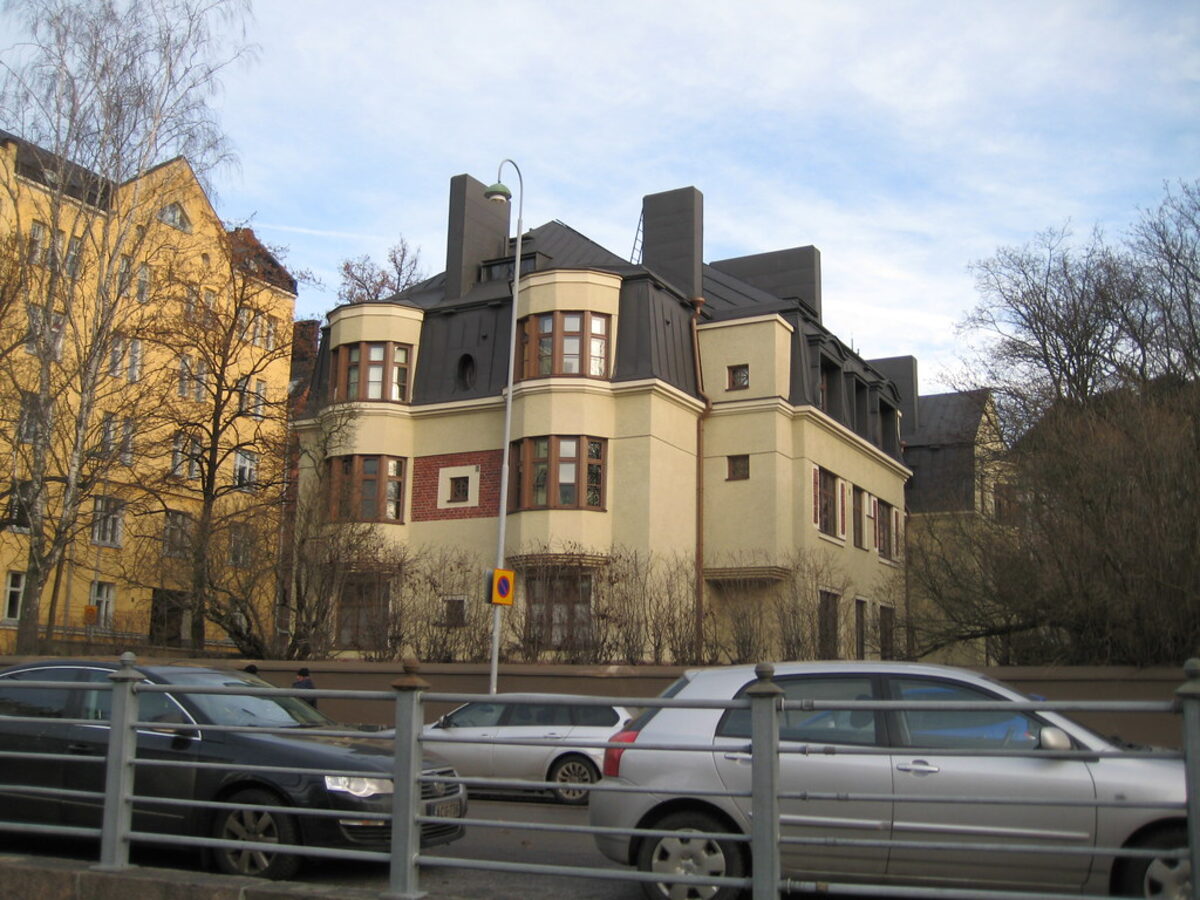
Introduction to Moving to Finland
Finland is a popular destination for expats due to its high standard of living, stunning natural beauty, excellent education system, and robust social services. The country consistently ranks high in global happiness and quality of life indexes, making it an attractive option for individuals and families seeking a new home. However, relocating to Finland requires careful planning and understanding of the legal and administrative processes involved.
SettleBuddy's Language Lab, with 50 languages built specifically for movers, can help you learn Finnish and navigate the relocation process more effectively. Language proficiency is particularly valuable for integration, as while many Finns speak English fluently, daily life and deeper social connections often benefit from Finnish language skills.
Before making the move, it's essential to understand the requirements and procedures involved in relocating to Finland. This includes determining your eligibility for various residence permits, preparing necessary documentation, understanding the timeline for processing applications, and planning for practical aspects such as housing, healthcare registration, and financial setup. Proper preparation can significantly reduce stress and ensure a smoother transition to life in Finland.
Visa Requirements for Finland
According to the Finnish Immigration Service (Migri), there are various types of residence permits available, including those for employed persons, specialists/EU Blue Card holders, start-up entrepreneurs, students, and family ties. Each category has specific requirements that must be met, and applications are processed based on these criteria. The specialist/EU Blue Card route, for instance, typically requires higher education qualifications and a job offer meeting specific salary thresholds, while the employed person permit has different criteria that applicants must fulfill.
The visa application process typically begins with submitting an online application through Migri's Enter Finland service, followed by visiting a Finnish mission abroad to prove your identity and provide biometrics. Processing times can vary significantly depending on the permit type and completeness of documentation, ranging from 1-4 months for standard employment permits to potentially longer for more complex cases. It's crucial to apply well in advance of your intended move date and to monitor your application status regularly through Migri's online services.
SettleBuddy's Visa AI, launching soon, will provide personalized guidance on navigating the visa application process, helping applicants understand which permit category best suits their situation, what documentation is required, and how to avoid common pitfalls that could delay processing. Until this tool is available, applicants should thoroughly review Migri's official guidelines and checklists for their specific permit type to ensure all requirements are met before submission.

Registration and Residence Permits
After arriving in Finland with an approved residence permit, you must register with the Digital and Population Data Services Agency (DVV) to obtain a personal identity code (henkilötunnus) and establish your municipality of residence. This registration is mandatory for all residents staying in Finland for more than one year and must be completed within one week of arrival. The personal identity code is essential for accessing healthcare, opening bank accounts, signing employment contracts, and conducting virtually any official business in Finland.
The registration process involves visiting a DVV service point in person with your passport, residence permit card, and proof of address in Finland. If you haven't secured permanent housing yet, you can provide a temporary address initially and update it later. After registration, you'll receive your personal identity code, which then allows you to register with the local tax office (Verohallinto) for tax card purposes and with the Social Insurance Institution (Kela) for access to Finland's social security and healthcare services.
The Finnish Immigration Service (Migri) decides residence permits, so it's essential to follow their guidelines and procedures throughout your stay. After continuous legal residence for four years, you may apply for a permanent residence permit, which provides more stability and rights. Maintaining your permit requires adhering to its conditions, such as continuous employment for work-based permits or regular study progress for student permits, and renewing your permit before expiration, typically starting the renewal process 3-4 months in advance.
Finding Accommodation in Finland
Housing in Finland can be competitive, especially in larger cities like Helsinki, Espoo, and Tampere, where demand often exceeds supply in popular neighborhoods. The rental market operates through both public and private sectors, with long waiting times for municipal housing in some areas. Most newcomers initially seek private rentals, which typically require a security deposit equivalent to 2-3 months' rent, proof of income, and sometimes references from previous landlords.
The process of securing accommodation should begin well before arrival, as it can take several weeks to find suitable housing. Start by researching different neighborhoods based on your budget, commute needs, and lifestyle preferences. Popular expat areas often offer more English-speaking services but may come with higher costs. Consider temporary accommodation for your first 1-2 months while you search for permanent housing, as this gives you time to view properties in person and avoid rushed decisions.
SettleBuddy's Housing AI, launching soon for all countries, will provide a comprehensive platform for finding and securing accommodation in Finland, offering features like neighborhood comparisons, rental market trends, and connection to verified landlords. In the meantime, utilize multiple search strategies including online platforms, real estate agencies, and local networks. Be prepared to act quickly when you find suitable housing, as good properties often get multiple applications, and have all your documentation ready including proof of income, identification, and references.
Career Opportunities in Finland
Finland has a strong and diverse economy, with many job opportunities available in various sectors including technology, engineering, healthcare, education, and creative industries. The job market is particularly strong in the Helsinki metropolitan area, but other cities like Tampere, Turku, and Oulu also offer significant opportunities, especially in their specialty sectors. Understanding the Finnish job market dynamics, including application conventions, interview processes, and employment contracts, is crucial for successful job searching.
The job search process typically begins with creating a Finnish-style CV and application letter, which have specific conventions different from many other countries. Networking is particularly important in Finland, despite the culture's reputation for reserve, as many positions are filled through personal connections and referrals. Attend industry events, join professional associations, and utilize LinkedIn to build your network. Be prepared for a hiring process that may include multiple interviews, practical assignments, and thorough background checks.
SettleBuddy's Career AI, launching soon, will help you navigate the job market and find career opportunities that match your skills and experience, providing insights into industry trends, salary expectations, and company cultures. In the meantime, you can research different industries and companies through resources like Business Finland, Tekes, and various industry-specific associations. Consider contacting recruitment agencies that specialize in your field, as they often have access to unadvertised positions and can provide valuable guidance on adapting your application materials for the Finnish market.
Language and Cultural Adaptation
While many Finns speak English, learning the Finnish language can greatly enhance your experience and integration into Finnish society. Language proficiency opens up more job opportunities, facilitates deeper social connections, and helps with navigating daily life, from understanding official documents to participating in community activities. Finnish is known for its complexity, but systematic learning with practical application can lead to steady progress and eventual fluency.
The language learning journey typically begins with basic courses focusing on everyday communication, then progresses to more specialized vocabulary related to your profession and interests. Many municipalities offer free or subsidized Finnish courses for immigrants, and universities often provide language programs. Daily practice through media consumption, language exchange meetups, and attempting to use Finnish in everyday situations accelerates learning significantly. Don't be discouraged by initial difficulties – most Finns appreciate the effort and will switch to English to help, but gently persist in trying to use Finnish when possible.
SettleBuddy's Language Lab offers comprehensive language courses and resources to help you learn Finnish and adapt to the local culture, including pronunciation guides, cultural context explanations, and practice exercises designed specifically for relocation situations. Cultural adaptation is also crucial, and understanding Finnish customs, social norms, and communication styles can help you build a strong social network and community. Key aspects include appreciating the value of personal space, understanding the direct communication style, participating in seasonal traditions like sauna culture and midsummer celebrations, and adapting to the climate through appropriate seasonal activities and clothing choices.
Healthcare and Social Services Setup
Finland's healthcare system is among the best in the world, offering comprehensive coverage through the National Health Insurance system. After registering your municipality of residence and obtaining your personal identity code, you automatically become eligible for public healthcare services. You'll need to register with a local health center (terveysasema) which becomes your primary access point for medical services, including doctor visits, specialist referrals, and emergency care.
The process of accessing healthcare begins with choosing a health center based on your residential address, then contacting them to complete your registration. You'll receive a Kela card after registering with the Social Insurance Institution, which entitles you to subsidized healthcare services. For employed individuals, occupational healthcare provided by employers often offers additional services and faster access to certain treatments. Understanding the co-payment system, prescription medication processes, and dental care coverage is important for effectively utilizing the healthcare system.
Beyond healthcare, Finland offers extensive social services including family benefits, unemployment security, and pension systems. Registering with Kela provides access to various allowances and benefits based on your situation. Families with children should also register with municipal family services for access to childcare, parenting support, and early education services. The integration program for immigrants may include additional services and support for settling in, which you can access through your local employment and economic development office (TE-services).
Financial and Administrative Setup
Setting up your financial life in Finland involves several essential steps beginning with opening a bank account, which requires your passport, residence permit, and personal identity code. Most banks offer services in English and provide online banking platforms that are comprehensive and user-friendly. A Finnish bank account is necessary for receiving salary, paying bills, and accessing many services that require direct debit or electronic identification for secure online transactions.
The taxation system in Finland requires registering with the local tax office (Verohallinto) to obtain a tax card that specifies your withholding rate based on your expected income. The process involves submitting an application with details of your employment and estimated earnings, after which you receive a tax card to provide to your employer. Finland has a progressive tax system with various deductions and benefits available, particularly for work-related expenses, commuting costs, and interest payments on home loans.
Other administrative tasks include obtaining a Finnish driving license if you plan to drive (the process depends on your country of origin), registering your vehicle if importing one, setting up utilities and internet services for your home, and understanding the waste management and recycling systems specific to your municipality. Many of these processes can be completed online through various government portals once you have your electronic identification credentials, which are typically provided by your bank and essential for accessing digital services securely.
Comparison of Relocation Options
When relocating to Finland, it's essential to consider various factors, including cost of living, job opportunities, and quality of life. Different cities and regions offer distinct advantages – urban centers provide more employment options and international communities but higher costs, while smaller towns offer lower living expenses and closer community ties but fewer job opportunities, particularly for non-Finnish speakers.
SettleBuddy's relocation tools and resources can help you compare different options and make an informed decision based on your personal circumstances, professional goals, and lifestyle preferences. The platform provides data-driven insights into housing costs, commute times, school quality, and other factors that influence quality of life in different locations throughout Finland.
The following table provides a comparison of some key factors to consider when relocating to Finland:
| Factor | Description |
|---|---|
| Cost of Living | Varies significantly by city and region, with Helsinki being the most expensive and rural areas more affordable. Housing represents the largest expense for most residents. |
| Job Opportunities | Strong and diverse economy with particular strength in technology, engineering, and design sectors. English-speaking positions are most common in multinational companies and certain industries. |
| Quality of Life | High standard of living with excellent public services, education system, healthcare, and work-life balance. Natural environment and outdoor activities contribute significantly to quality of life. |
| Integration Support | Comprehensive integration programs including language education, employment services, and cultural orientation are available through municipalities and government agencies. |
| Climate Considerations | Distinct four seasons with long winters requiring adaptation. Summer offers nearly continuous daylight while winter has limited daylight hours, particularly in northern regions. |
Practical Steps for Relocating to Finland
To relocate to Finland successfully, you'll need to follow a series of practical steps in a logical sequence. Begin by determining your eligibility for a residence permit and gathering the required documentation, which typically includes passport copies, employment contract or proof of studies, proof of sufficient funds, health insurance for the initial period, and any required educational certificates. Submit your application through Migri's Enter Finland platform and schedule your biometrics appointment at a Finnish mission.
While waiting for your permit decision, research housing options, create a budget accounting for initial setup costs (security deposits, furniture, initial groceries), and begin basic Finnish language learning. Once your permit is approved, arrange travel and temporary accommodation for your first 2-4 weeks. Upon arrival, immediately begin the registration process with DVV, open a bank account, and start your housing search in earnest if you haven't secured permanent accommodation beforehand.
SettleBuddy's relocation tools and resources can help you navigate these steps and ensure a smooth transition by providing checklists, timeline planners, and reminders for critical deadlines. It's essential to stay organized and focused throughout the relocation process to avoid common mistakes and delays. Keep digital and physical copies of all important documents, maintain a spreadsheet of applications submitted and responses received, and build in buffer time for processes that may take longer than expected, particularly during peak seasons or if additional documentation is requested.
Conclusion and Next Steps
Relocating to Finland can be a complex and challenging process, but with the right guidance and support, it can also be a rewarding and exciting experience that offers an exceptional quality of life, career opportunities, and natural environment. The key to success lies in thorough preparation, patience with administrative processes, and a willingness to adapt to a new culture and climate.
SettleBuddy's relocation tools and resources, including Visa AI, Housing AI, and Language Lab, can help you navigate the process and achieve your goals by providing personalized guidance, market insights, and practical support at each stage of your relocation journey. These tools are designed specifically for the unique challenges of international relocation and can significantly reduce the stress and uncertainty often associated with moving to a new country.
By following the practical steps and guidelines outlined in this guide, you can ensure a successful and stress-free relocation to Finland. Begin by thoroughly researching your specific situation, create a detailed relocation plan with timelines and budgets, and don't hesitate to seek assistance from official sources, relocation services, or the expat community when needed. With proper planning and the right resources, your move to Finland can be the beginning of an enriching new chapter in your life.
Additional Resources and Support
For more information and support, you can visit the official Migri website or contact SettleBuddy's customer support team for assistance with specific questions about your relocation process. Migri's website provides the most current information on residence permit requirements, application processes, processing times, and any recent changes to immigration policies that might affect your application.
SettleBuddy's community forum and social media channels also provide a platform for connecting with other expats and relocation experts who can share firsthand experiences and practical advice. These communities can be invaluable sources of support for navigating daily life challenges, understanding cultural nuances, and building social networks in your new home country.
By leveraging these resources and staying informed through official channels, you can overcome common challenges and achieve a successful relocation to Finland. Additional helpful resources include InfoFinland.fi (official information for immigrants), the websites of various municipalities for local services, and industry-specific associations for professional networking and career development opportunities in your field.
Where SettleBuddy comes in
SettleBuddy is the AI relocation engine for your whole move — language, visas, housing and career in one place, launching for every country. Language Lab is live now; Housing AI, Visa AI and Career AI are on the way.
Explore SettleBuddy →Key takeaways
- Obtain a residence permit through the Finnish Immigration Service (Migri) by determining your eligibility category and submitting a complete application with all required documentation
- Register with the Digital and Population Data Services Agency within one week of arrival to obtain your personal identity code and establish municipal residence
- Find accommodation through thorough research, considering both temporary initial housing and long-term options, while being prepared for competitive markets in urban areas
- Learn Finnish through structured courses and daily practice to enhance integration, job prospects, and social connections in your new community
- Research career opportunities and job market trends in your specific industry, understanding Finnish application conventions and networking importance for successful employment search

FAQ
What are the visa requirements for moving to Finland?
The visa requirements for Finland vary depending on the type of residence permit you're applying for. According to the Finnish Immigration Service (Migri), you can check the official Migri website for the most up-to-date information on visa routes and requirements. Generally, requirements include a valid passport, proof of purpose for stay (employment contract, acceptance letter from educational institution, or family ties documentation), proof of sufficient funds to support yourself, and health insurance coverage for the initial period until you qualify for public healthcare.
How do I register with the authorities in Finland?
After arriving in Finland, you'll need to register with the Digital and Population Data Services Agency to obtain a personal identity code and municipality of residence. This registration is a critical step in the relocation process, as it will allow you to access various services and benefits in Finland. The process involves visiting a DVV service point in person with your passport, residence permit card, and proof of address. You should complete this registration within one week of arrival to avoid delays in accessing essential services like healthcare, banking, and employment.
What are the best neighborhoods to live in Finland?
The best neighborhoods to live in Finland depend on your personal preferences, budget, and lifestyle. Factors to consider include proximity to work or school, access to public transportation, availability of services in English, community atmosphere, and recreational opportunities. SettleBuddy's Housing AI, launching soon, will provide a comprehensive platform for finding and securing accommodation in Finland with neighborhood comparisons and insights. In the meantime, you can research different areas through municipal websites, expat forums, and real estate platforms to find the best fit for your needs.
Can I find a job in Finland without speaking Finnish?
While many Finns speak English, speaking Finnish can greatly enhance your job prospects and career opportunities in Finland, particularly outside international companies and certain specialized fields. English-speaking positions are most common in technology, academia, tourism, and multinational corporations. SettleBuddy's Language Lab offers comprehensive language courses and resources to help you learn Finnish and adapt to the local culture. Even basic Finnish skills demonstrate commitment to integration and can significantly improve your employment options and social integration.
How can I connect with other expats and relocation experts in Finland?
SettleBuddy's community forum and social media channels provide a platform for connecting with other expats and relocation experts. You can also visit the official Migri website or contact SettleBuddy's customer support team for more information and support. Additional ways to connect include joining international clubs and associations, attending expat events and meetups, participating in language exchange programs, and engaging with professional networks in your industry. Many municipalities also offer integration services and community events specifically designed to help newcomers build social networks.
Official sources
The regulated facts in this guide are drawn from official government sources. Rules and figures change — always confirm the current detail on the official page before you act.