How to Move to India – Complete Relocation Guide
Moving to India involves selecting the appropriate visa, completing the online application, registering with the FRRO after arrival, and preparing essential documents. Use SettleBuddy’s Visa AI to match your profile, Housing AI for home‑search, and Career AI for job opportunities, ensuring a streamlined relocation experience.
Quick answer
Moving to India involves selecting the appropriate visa, completing the online application, registering with the FRRO after arrival, and preparing essential documents. Use SettleBuddy’s Visa AI to match your profile, Housing AI for home‑search, and Career AI for job opportunities, ensuring a streamlined relocation experience.
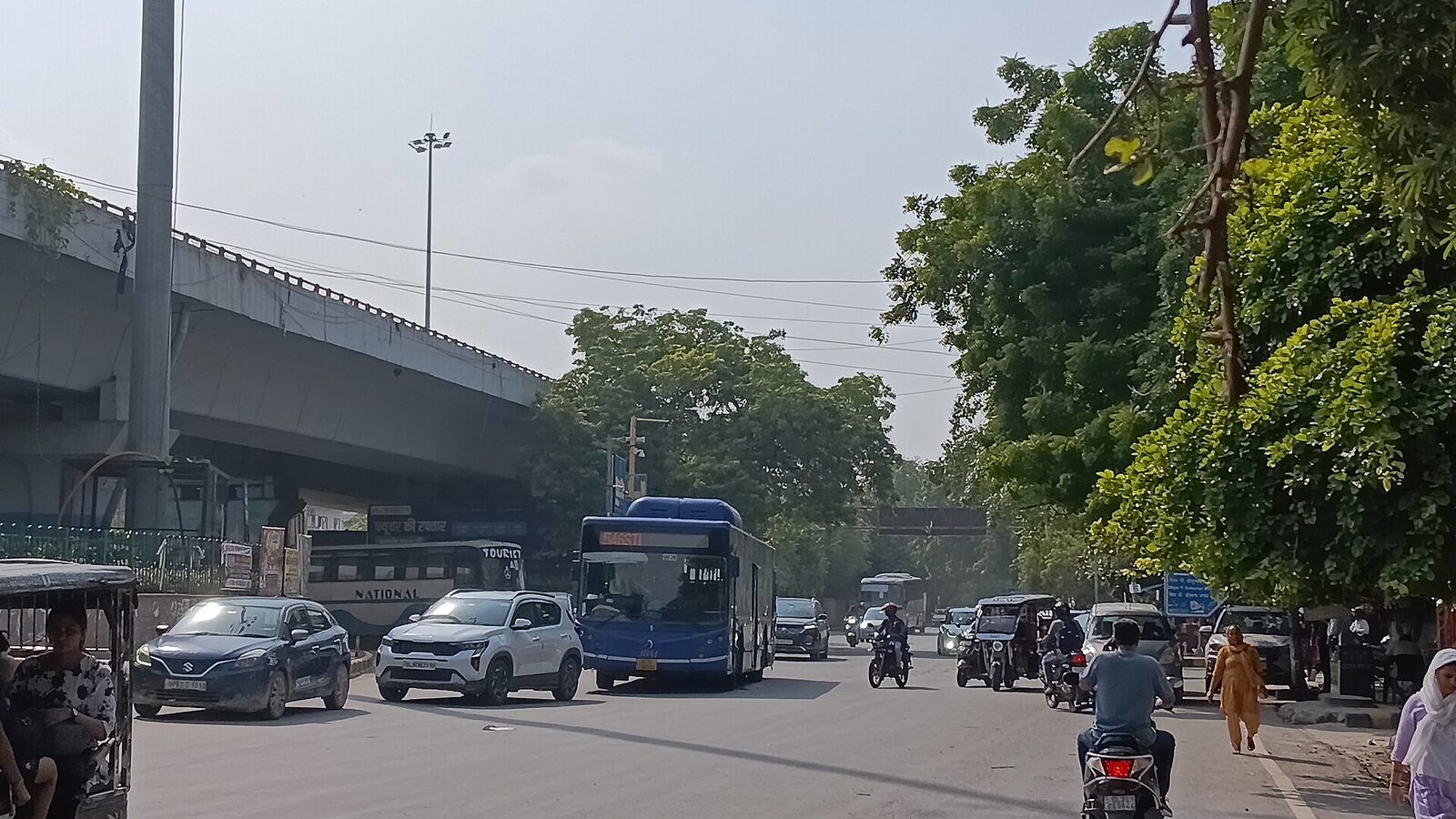
Understanding the Basics of Relocating to India
India welcomes millions of foreign nationals each year, but the process is governed by clear rules administered by the Bureau of Immigration under the Ministry of Home Affairs. These rules define which visa categories apply, how long you may stay, and what registration steps are required. Before you start packing, familiarize yourself with the official framework to avoid surprises and ensure compliance with Indian immigration law.
The primary authority overseeing entry, stay, and exit of foreigners is the Bureau of Immigration (BoI), which publishes up‑to‑date guidelines on its portal. All visa types, from short‑term tourist e‑Visas to long‑term employment or research permits, are detailed there. Consulting the BoI website ensures you are referencing the latest policies, especially as fees and income thresholds can change without notice.
SettleBuddy’s Visa AI leverages this official data to suggest the most suitable visa route based on your purpose, duration, and qualifications. By entering your goals, the tool aligns your profile with the correct category, reducing the risk of a mismatched application and saving time during the preparation phase.
Choosing the Right Visa Category
India offers a variety of visa routes, each tailored to a specific purpose such as tourism, business, employment, study, or medical treatment. The Ministry of Home Affairs – Foreigners Division outlines these categories on its e‑Visa portal, clarifying eligibility criteria and the documentation required for each. Selecting the correct visa is the first critical decision, as it determines the length of stay and any subsequent registration obligations.
For short stays under 180 days, the e‑Visa is often the simplest option, covering tourism, business meetings, medical visits, and conference attendance. Longer‑term stays, such as employment or research projects, require dedicated Employment, Business, or Project visas, which involve additional approvals and sometimes sponsor letters. Understanding these distinctions helps you avoid common pitfalls like applying for a visa that does not permit the activities you intend to pursue.
The table below summarizes the main visa types, their typical purposes, and the general duration they allow. This overview is based on information from the Ministry of Home Affairs and the Bureau of Immigration, and it serves as a quick reference while you decide on the best path for your relocation.
| Visa Type | Typical Purpose | Maximum Stay |
|---|---|---|
| e‑Visa (Tourist/Business/Medical/Conference) | Short‑term visits for tourism, meetings, medical treatment, conferences | Up to 180 days per entry |
| Employment Visa | Work for an Indian employer, professional assignments | Typically 1–3 years, renewable |
| Business Visa | Establishing or managing business, attending trade fairs | Typically 1 year, renewable |
| Student Visa | Full‑time academic programs, research fellowships | Duration of the course, renewable |
| Project Visa | Specific government‑approved projects, research collaborations | Defined by project timeline |

Applying for an e‑Visa: Step‑by‑Step Process
The e‑Visa application is completed online through the Indian Visa Online portal, which is managed by the Bureau of Immigration. Begin by creating an account, then fill in personal details, passport information, and the purpose of your visit. Upload a recent passport‑size photograph and a scanned copy of the passport’s bio page. The portal will guide you through each field, ensuring all mandatory information is captured.
After submission, the system generates an application reference number that you can use to track status. Processing times vary, but the official portal typically updates the status within a few business days. Once approved, you will receive an electronic travel authorization (ETA) via email, which you must print and present upon arrival in India.
SettleBuddy’s Visa AI can pre‑populate many of these fields based on your profile, reducing the chance of errors that could delay processing. It also alerts you to any additional documents that may be required for your specific purpose, such as invitation letters for business trips or medical appointment confirmations for treatment visas.
Navigating Employment and Business Visas
If you intend to work or start a business in India, you will need an Employment or Business visa, both of which are processed through the Indian Visa Online system but often require additional documentation. For an Employment visa, a sponsoring Indian employer must submit a formal offer letter, proof of the company's registration, and a justification that the role cannot be filled by an Indian citizen. The Ministry of Home Affairs reviews these documents to confirm compliance with labor regulations.
Business visas require evidence of legitimate commercial activity, such as a letter of invitation from an Indian partner, a copy of the company's registration, and a detailed itinerary of business meetings. These visas generally allow multiple entries and a stay of up to one year, with the possibility of renewal if the business relationship continues.
Because the requirements can be complex, SettleBuddy’s Career AI assists by generating a checklist of employer‑provided documents and helping you draft invitation letters that meet official standards. This preparation improves the likelihood of a smooth approval process and reduces the need for last‑minute document gathering.
Student and Research Visas: Academic Pathways
Students planning to enroll in Indian universities or research institutions must apply for a Student visa. The official guidelines, published by the Ministry of Home Affairs, state that you need an admission letter from the recognized institution, proof of sufficient funds, and a valid passport. The admission letter should detail the course duration, fees, and any scholarship arrangements.
Research visas, often categorized under Project visas, are granted for specific government‑approved projects. Applicants must provide a detailed project proposal, a letter of support from the hosting Indian organization, and evidence of funding. Both visa types require registration with the FRRO after arrival if the stay exceeds 180 days.
SettleBuddy’s Career AI can connect you with Indian academic partners and help you compile the necessary documentation, while the Language Lab ensures you are prepared to engage with coursework in English or regional languages, easing the transition into campus life.
Registering with the FRRO via e‑FRRO
Foreign nationals holding visas valid for more than 180 days are required to register with the Foreigners Regional Registration Office (FRRO) within 14 days of arrival. This registration is performed online through the e‑FRRO portal, which is operated by the Ministry of Home Affairs. You will need to upload a copy of your passport, visa, and a recent photograph, then select the nearest FRRO jurisdiction based on your place of residence.
After successful registration, the FRRO issues a registration certificate that confirms your legal stay in India. Failure to register within the stipulated period can result in penalties, including fines or visa cancellation. The e‑FRRO system also allows you to apply for extensions, convert visa categories, or request a change of address, all of which are essential for long‑term residents.
SettleBuddy’s Housing AI can suggest neighborhoods that are close to the appropriate FRRO office, simplifying the logistics of your first weeks. By integrating your address into the e‑FRRO application, the platform streamlines the registration workflow and reduces the chance of missing the 14‑day deadline.
Preparing Documentation and Managing Timelines
A successful relocation hinges on meticulous document preparation. Begin by ensuring your passport is valid for at least six months beyond your intended stay, as required by the Bureau of Immigration. Gather all supporting documents—such as invitation letters, employment contracts, admission letters, and proof of financial means—well in advance, because any missing piece can delay visa issuance.
Create a master checklist that includes both regulated items (visa forms, passport copies) and practical items (international driving license, medical records). Align each task with its respective deadline: visa application submission, ETA receipt, FRRO registration, and any post‑arrival formalities. This timeline helps you stay organized and prevents last‑minute scrambling.
SettleBuddy’s integrated dashboard consolidates your checklist, sends automated reminders, and stores scanned copies of each document securely. By centralizing everything, you can quickly respond to any request from immigration authorities, ensuring compliance and a smoother entry experience.
Practical Relocation Steps: Housing, Banking, and Language
Once your visa is approved and you have registered with the FRRO, the next practical steps involve securing accommodation, opening a bank account, and adapting to daily life. SettleBuddy’s Housing AI, launching soon for all countries, will match you with suitable rental options based on budget, proximity to work or study, and preferred amenities, without directing you to external platforms.
Opening a bank account in India typically requires your passport, visa, FRRO registration certificate, and proof of address. Major banks offer accounts to foreigners, and many provide online onboarding. Having a local bank account facilitates salary deposits, bill payments, and everyday transactions, reducing reliance on costly international transfers.
Language proficiency enhances your experience, especially outside major metropolitan areas. The SettleBuddy Language Lab offers tailored courses in Hindi and regional languages, focusing on conversational skills needed for everyday interactions, workplace communication, and cultural integration. Regular practice with native speakers accelerates confidence and helps you navigate local services more effectively.
Leveraging SettleBuddy’s Full Suite for a Seamless Move
SettleBuddy is built to be your relocation operating system, combining Visa AI, Housing AI, Career AI, and the Language Lab into a single, user‑friendly platform. By feeding your personal goals into Visa AI, you receive a customized visa roadmap that aligns with official regulations from the Bureau of Immigration and the Ministry of Home Affairs.
Housing AI eliminates the guesswork of finding a home by curating listings that meet your criteria and ensuring they comply with local rental norms. Career AI connects you with employers who sponsor visas, while also guiding you through the documentation needed for employment permits. Together, these tools reduce the friction traditionally associated with international moves.
Finally, the Language Lab prepares you for cultural immersion, offering interactive lessons and community practice groups. By integrating all these services, SettleBuddy empowers you to focus on the excitement of starting a new chapter in India, while the platform handles the compliance and logistical details.
Where SettleBuddy comes in
SettleBuddy is the AI relocation engine for your whole move — language, visas, housing and career in one place, launching for every country. Language Lab is live now; Housing AI, Visa AI and Career AI are on the way.
Explore SettleBuddy →Key takeaways
- Identify the correct visa category early; e‑Visa suits short stays, while Employment, Business, Student, and Project visas cover longer or specialized purposes.
- All visa applications are processed through the Indian Visa Online portal, and approvals are communicated via electronic travel authorization.
- Foreigners staying longer than 180 days must register with the FRRO through the e‑FRRO portal within 14 days of arrival.
- Prepare a comprehensive document checklist, including passport validity, sponsor letters, and proof of funds, to avoid delays.
- SettleBuddy’s AI tools streamline visa selection, housing search, job placement, and language learning, ensuring a smoother relocation.

FAQ
Do I need a visa to enter India if I am a tourist for less than 30 days?
Most nationalities can obtain an e‑Visa for tourism, which allows stays up to 180 days per entry. The e‑Visa is applied for online via the Indian Visa Online portal, and you will receive an electronic travel authorization that must be presented at entry. Always verify eligibility on the official e‑Visa page before travel.
Can I work in India on a tourist e‑Visa?
No. The tourist e‑Visa expressly prohibits employment activities. To work legally, you must secure an Employment or Business visa, which requires a sponsoring Indian employer and additional documentation. Attempting to work on a tourist visa can lead to penalties, including visa cancellation and possible deportation. Consult a licensed immigration professional for guidance.
What is the process for extending my stay beyond the initial visa period?
Extensions are handled by the FRRO through the e‑FRRO portal. After registering, you can submit a request for visa extension, providing justification, proof of continued purpose (such as ongoing employment or study), and any updated financial documents. Approval is at the discretion of the FRRO, and you should apply well before your current visa expires.
Do I need to register with the FRRO if my visa is valid for exactly 180 days?
Registration with the FRRO is required for visas that are valid for more than 180 days. If your visa’s validity is exactly 180 days, you are not obligated to register, but you should keep a copy of your visa and passport handy for any immigration checks. For any uncertainty, refer to the e‑FRRO guidelines.
How can SettleBuddy help me find a place to live after arriving in India?
SettleBuddy’s Housing AI, soon available for all countries, uses your preferences, budget, and desired location to generate a curated list of rental options that comply with local regulations. The platform also integrates with the e‑FRRO registration process, ensuring your address is correctly documented for immigration purposes. This eliminates the need to browse multiple external listing sites.
Official sources
The regulated facts in this guide are drawn from official government sources. Rules and figures change — always confirm the current detail on the official page before you act.