How to Move to Netherlands: Complete Relocation Guide
Moving to the Netherlands involves choosing the right residence permit, meeting the IND‑specified income threshold, paying the applicable fee, registering with the municipality, and securing housing and a job. SettleBuddy’s Visa AI, Housing AI, Career AI and Language Lab streamline each step, ensuring a smooth transition.
Quick answer
Moving to the Netherlands involves choosing the right residence permit, meeting the IND‑specified income threshold, paying the applicable fee, registering with the municipality, and securing housing and a job. SettleBuddy’s Visa AI, Housing AI, Career AI and Language Lab streamline each step, ensuring a smooth transition.
Why Choose the Netherlands?
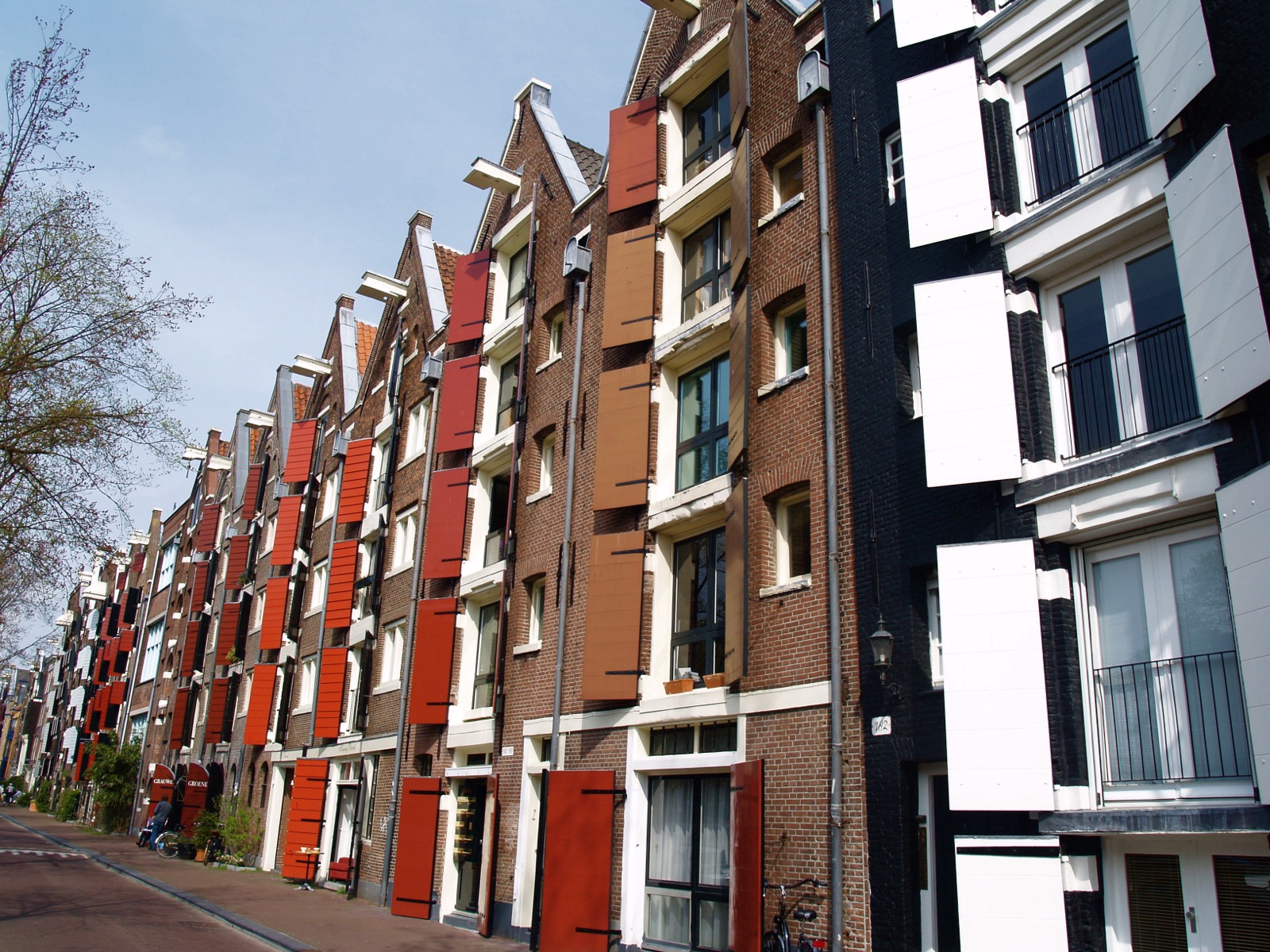
The Netherlands consistently ranks among the world’s most livable nations, offering a high‑quality healthcare system, excellent public transport, and a vibrant multicultural society. Its strategic location in Europe provides easy access to neighboring countries, while its strong digital infrastructure supports remote work and entrepreneurship. For newcomers, the Dutch emphasis on work‑life balance and social inclusion creates a welcoming environment for families and professionals alike.
SettleBuddy acts as a dedicated relocation operating system, guiding you through every administrative and practical hurdle. From Visa AI that matches your profile to the correct residence permit, to Housing AI that curates suitable homes, the platform reduces uncertainty and saves time. By integrating career advice and language learning, SettleBuddy ensures you are prepared for both the paperwork and everyday life in the Netherlands.
This guide follows the logical order of a successful move: understanding permit options, confirming income eligibility, handling fees, completing the application, registering locally, finding housing, securing employment, learning Dutch, and handling health insurance. Each section provides concrete steps, common pitfalls, and references to official IND sources, so you can move forward with confidence.
Residence Permit Landscape
The Dutch Immigration and Naturalisation Service (IND) offers a range of residence permits tailored to work, study, family reunification and special programmes. According to the IND’s official residence‑permit overview, the main work‑related categories include Highly Skilled Migrant, European Blue Card, Intra‑Corporate Transferee, Researcher, Single Permit, Self‑Employed, Start‑up and Orientation Year for recent graduates (see IND [S1]).
Study permits cover university and higher professional education, secondary/vocational programmes, and intra‑EU mobility students, while family permits address partners, minor children, and adopted or foster children. Special categories such as Au‑pair, Working Holiday and Cultural Exchange exist, but most expats follow the work or study routes before transitioning to long‑term family or permanent residency.
Choosing the correct permit hinges on your qualifications, employment contract, and long‑term goals. For instance, the Highly Skilled Migrant route requires a recognised sponsor (employer) and a salary that meets the IND thresholds, whereas the Self‑Employed route demands proof of sufficient profit. Understanding these distinctions early prevents costly re‑applications and delays.

Income Requirements & Salary Thresholds
Income thresholds are a core eligibility criterion for most Dutch work permits. The IND defines a “social‑security wage” (SV‑loon) that must be met or exceeded, ensuring that foreign workers are paid at market‑conform rates. These thresholds are updated each year and are binding for the period 1 July – 31 December 2026 (see IND required income amounts [S2]).
For Highly Skilled Migrants aged 30 and over, the gross monthly salary must be at least €5,942.00; those under 30 need €4,357.00. The EU Blue Card follows a similar pattern, with a standard threshold of €5,942.00 and a reduced graduate threshold of €4,754.00. Self‑Employed applicants must demonstrate a gross profit of €1,766.77 per month, while the Orientation Year (zoekjaar) requires a reduced threshold of €3,122.00. All figures are gross and exclude taxes.
table
Visa Category Salary Threshold (EUR/month gross) Highly Skilled Migrant (30+) €5,942.00 Highly Skilled Migrant (<30) €4,357.00 EU Blue Card – Standard €5,942.00 EU Blue Card – Reduced Graduate €4,754.00 Self‑Employed €1,766.77 Orientation Year (Reduced) €3,122.00
Application Fees & Payment Process
Every residence‑permit application incurs a fee set by the IND, payable in euros at the time of submission. For work‑related routes such as Highly Skilled Migrant, European Blue Card, Single Permit (work + residence) and Self‑Employed, the fee is €423.00. The Orientation Year and study permits cost €254.00, while family‑partner permits also fall under the €254.00 bracket. Children under 18 adopted or fostered are charged €85.00 (see IND fees [S3]).
Fees must be transferred to the IND’s designated bank account before the biometrics appointment. The payment receipt is uploaded as part of the digital application, and the IND verifies the amount before processing. If the fee changes during the calendar year, the IND updates the amount on its website; applicants should therefore confirm the current fee on the official page before paying.
Because fees are non‑refundable, double‑check all supporting documents to avoid re‑submission. If you encounter a discrepancy, contact the IND via their service‑contact portal. Remember that the fee covers the administrative review only; additional costs such as translation, notarisation, or health‑insurance premiums are separate and must be budgeted independently.
Step‑by‑Step Application Procedure
The application workflow differs slightly between sponsor‑initiated work permits and self‑initiated study or family permits. For most work routes, a recognised sponsor (your future employer) submits the application on the IND portal, attaching the employment contract, salary proof, and any required professional qualifications. If you are applying as a self‑employed entrepreneur or for the Orientation Year, you submit directly using the IND’s online portal.
The core steps, as outlined by the IND, are: 1) Sponsor or applicant submits a complete digital application; 2) Pay the appropriate IND fee; 3) Book and attend a biometrics appointment (fingerprints and photo); 4) IND reviews the dossier and issues a decision—fast‑track processing applies for recognised sponsors of Highly Skilled Migrants; 5) Collect the residence document at the designated IND office or via courier. Detailed guidance is available on the IND service‑contact page (see IND [S1]).
During the review, the IND may request additional documentation, such as proof of accommodation or a health‑insurance declaration. Respond promptly to avoid delays. Once approved, the residence permit is typically valid for one year and can be renewed, provided you continue to meet the income and employment conditions.
Municipal Registration & Getting a BSN
After arriving in the Netherlands and receiving your residence permit, you must register at the municipality (gemeente) of your chosen address within five days. This registration is mandatory for obtaining a citizen service number (BSN), which is essential for opening a bank account, signing a rental contract, and paying taxes. The IND’s residence‑permit card serves as proof of identity during this process.
Bring the following documents to the municipal office: your passport, residence‑permit card, proof of address (rental contract or a declaration from the landlord), and, if applicable, a birth certificate with an apostille. Some municipalities allow online pre‑registration, but you will still need to appear in person for the final step and to receive your BSN on the spot.
The BSN functions like a social‑security number and is required for all official interactions, from healthcare enrollment to tax filings. Keep the BSN card safe, as you will need it repeatedly. If you encounter language barriers during registration, SettleBuddy’s Language Lab offers quick phrasebooks and real‑time translation tools to help you communicate confidently.
Finding a Home with SettleBuddy Housing AI
The Dutch housing market is competitive, especially in major cities such as Amsterdam, Rotterdam and Utrecht. Traditional rental platforms can be overwhelming, and many listings require Dutch‑language proficiency. SettleBuddy’s upcoming Housing AI, launching for all countries soon, simplifies the search by matching your budget, preferred neighbourhood, commute time, and lifestyle criteria with verified listings curated by local partners.
To start, create a profile in SettleBuddy and activate the Housing AI module. Input your desired move‑in date, maximum rent, and any special requirements such as pet‑friendliness or proximity to schools. The AI then generates a shortlist of properties, complete with virtual tours, lease‑term summaries, and a direct messaging channel to the landlord. This eliminates the need to juggle multiple external sites and reduces the risk of scams.
Once you have identified a suitable home, SettleBuddy guides you through the rental agreement, helping you understand Dutch tenancy law, deposit requirements, and registration obligations. After signing, the platform can also assist with setting up utilities and arranging a moving‑in inspection, ensuring a smooth transition into your new Dutch residence.
Career Integration & Work Opportunities
Securing employment that satisfies the IND’s salary thresholds is a critical step for many expats. Start by researching sectors where the Dutch labour market faces shortages, such as ICT, engineering, finance, and life sciences. Networking events, LinkedIn outreach, and Dutch job portals are effective channels, but the language barrier can be a hurdle for non‑Dutch speakers.
SettleBuddy’s Career AI leverages its extensive database of Dutch employers to match your skill set, experience level, and language proficiency with open positions that meet the required income levels. The AI also provides tailored CV templates, interview preparation tips, and salary‑benchmarking insights based on official IND thresholds, ensuring you present a competitive profile.
When you receive an offer, verify that the contract includes the gross monthly salary required for your chosen permit (see salary thresholds in Section 3). The contract should also specify your working hours, holiday entitlement, and any relocation assistance. After signing, your employer—if they are a recognised sponsor—will initiate the IND application on your behalf, streamlining the bureaucratic process.
Mastering Dutch with SettleBuddy Language Lab
While many Dutch citizens speak English, learning Dutch dramatically improves integration, job prospects, and everyday interactions such as shopping or visiting the doctor. SettleBuddy’s Language Lab offers a structured curriculum covering beginner to advanced levels, with interactive speaking exercises, real‑life scenario simulations, and spaced‑repetition vocabulary drills.
The platform adapts to your schedule, delivering micro‑lessons that fit into a busy relocation timeline. You can practice pronunciation using speech‑recognition technology, receive instant feedback, and track progress through a personalised dashboard. Additionally, the Lab includes cultural notes on Dutch etiquette, holidays, and workplace norms, helping you avoid common social faux pas.
For rapid immersion, combine the Language Lab with community events organized by SettleBuddy’s global mover network. Engaging with fellow expats and locals in language‑exchange meet‑ups accelerates fluency and builds a support system that can guide you through the nuances of Dutch life.
Healthcare, Insurance, and Well‑Being
Health insurance is mandatory for all residents in the Netherlands, regardless of employment status. Within four months of registering at the municipality, you must sign up with a Dutch health‑insurance provider. The basic package covers general practitioner visits, hospital care, and prescription medication, while supplementary plans add dental and physiotherapy coverage.
To choose a provider, compare premium rates, coverage details, and customer reviews—SettleBuddy’s Career AI can also suggest insurers that many companies partner with for employee benefits. After enrolling, you will receive an insurance card that you present at the GP (huisarts) during appointments. The GP acts as your primary point of contact for referrals to specialists.
Keep copies of your insurance policy, BSN, and residence permit together, as you may need to present them when accessing care. If you have pre‑existing conditions, Dutch law prohibits insurers from refusing coverage, but they may adjust premiums. For expatriates with private international plans, verify whether your policy meets Dutch mandatory requirements or if supplementary Dutch coverage is needed.
Final Checklist & Next Steps
Before you depart, confirm that you have gathered all required documents: passport, signed employment contract (if applicable), proof of income meeting IND thresholds, and any educational certificates. Double‑check the exact fee amounts on the IND website to avoid payment errors, and schedule your biometrics appointment as soon as the IND opens slots.
Upon arrival, register at the municipality within five days, obtain your BSN, and activate your health‑insurance policy. Use SettleBuddy’s Housing AI to secure a home, then engage the Career AI to finalize your job placement. Simultaneously, start the Language Lab to build Dutch proficiency, which will ease everyday interactions and enhance career growth.
Finally, join SettleBuddy’s global mover community to exchange tips, find local meet‑ups, and receive ongoing support as you settle into Dutch life. By following this structured roadmap and leveraging SettleBuddy’s AI‑driven tools, you can transition smoothly, comply with official IND requirements, and enjoy the many benefits the Netherlands offers.
Where SettleBuddy comes in
SettleBuddy is the AI relocation engine for your whole move — language, visas, housing and career in one place, launching for every country. Language Lab is live now; Housing AI, Visa AI and Career AI are on the way.
Explore SettleBuddy →Key takeaways
- Identify the correct residence‑permit category early; salary thresholds and fees are defined by the IND.
- Meet the required gross monthly income (e.g., €5,942 for Highly Skilled Migrants 30+) before applying.
- Pay the exact IND fee (e.g., €423 for work permits) and attend the biometrics appointment promptly.
- Register at the municipality within five days to obtain a BSN, essential for banking and taxes.
- Leverage SettleBuddy’s Housing, Visa, Career, and Language AI tools to simplify every relocation step.
FAQ
What is the fastest way to get a Dutch residence permit for a highly skilled professional?
The quickest route is the Highly Skilled Migrant permit, provided you have a recognised sponsor and meet the salary threshold of €5,942 per month (or €4,357 if under 30). The sponsor submits the application, pays the €423 fee, and the IND often fast‑tracks decisions for this category. Ensure all documents are complete to avoid delays.
Can I apply for a Dutch residence permit without a Dutch employer?
Yes, alternatives such as the Self‑Employed permit, Start‑up visa, or Orientation Year (zoekjaar) allow you to apply without a Dutch employer. Each route has its own income or profit requirements—self‑employed applicants must show a monthly profit of €1,766.77. Review the IND’s official pages for detailed criteria before choosing the appropriate path.
How long does the IND application process usually take?
Processing times vary by permit type and workload. Recognised sponsors for Highly Skilled Migrants often receive decisions within a few weeks, while other categories may take several months. The IND’s website provides current estimates, but you should plan for possible delays and keep your travel arrangements flexible.
Do I need Dutch health insurance immediately after arriving?
Yes. Dutch law requires all residents to obtain mandatory health insurance within four months of municipal registration. Choose a provider, pay the monthly premium, and receive an insurance card for medical visits. If you already have an international policy, verify that it satisfies Dutch requirements or supplement it with a local plan.
What should I do if my IND application is rejected?
If the IND rejects your application, you have the right to appeal within six weeks, as detailed on the IND portal. During the appeal, gather additional documentation or clarify any missing information. Consulting an immigration lawyer or a licensed relocation specialist is advisable to strengthen your case and avoid repeated rejections.
Official sources
The regulated facts in this guide are drawn from official government sources. Rules and figures change — always confirm the current detail on the official page before you act.