How to Move to Poland – Complete Step‑by‑Step Relocation Guide
Moving to Poland involves choosing the right visa, gathering documents, applying through the Office for Foreigners, registering for a PESEL number, and settling into housing and work. Use SettleBuddy’s Visa AI for eligibility checks, Housing AI for home search, Career AI for job matching, and Language Lab to master Polish quickly.
Quick answer
Moving to Poland involves choosing the right visa, gathering documents, applying through the Office for Foreigners, registering for a PESEL number, and settling into housing and work. Use SettleBuddy’s Visa AI for eligibility checks, Housing AI for home search, Career AI for job matching, and Language Lab to master Polish quickly.
Why Choose Poland for Your Next Chapter
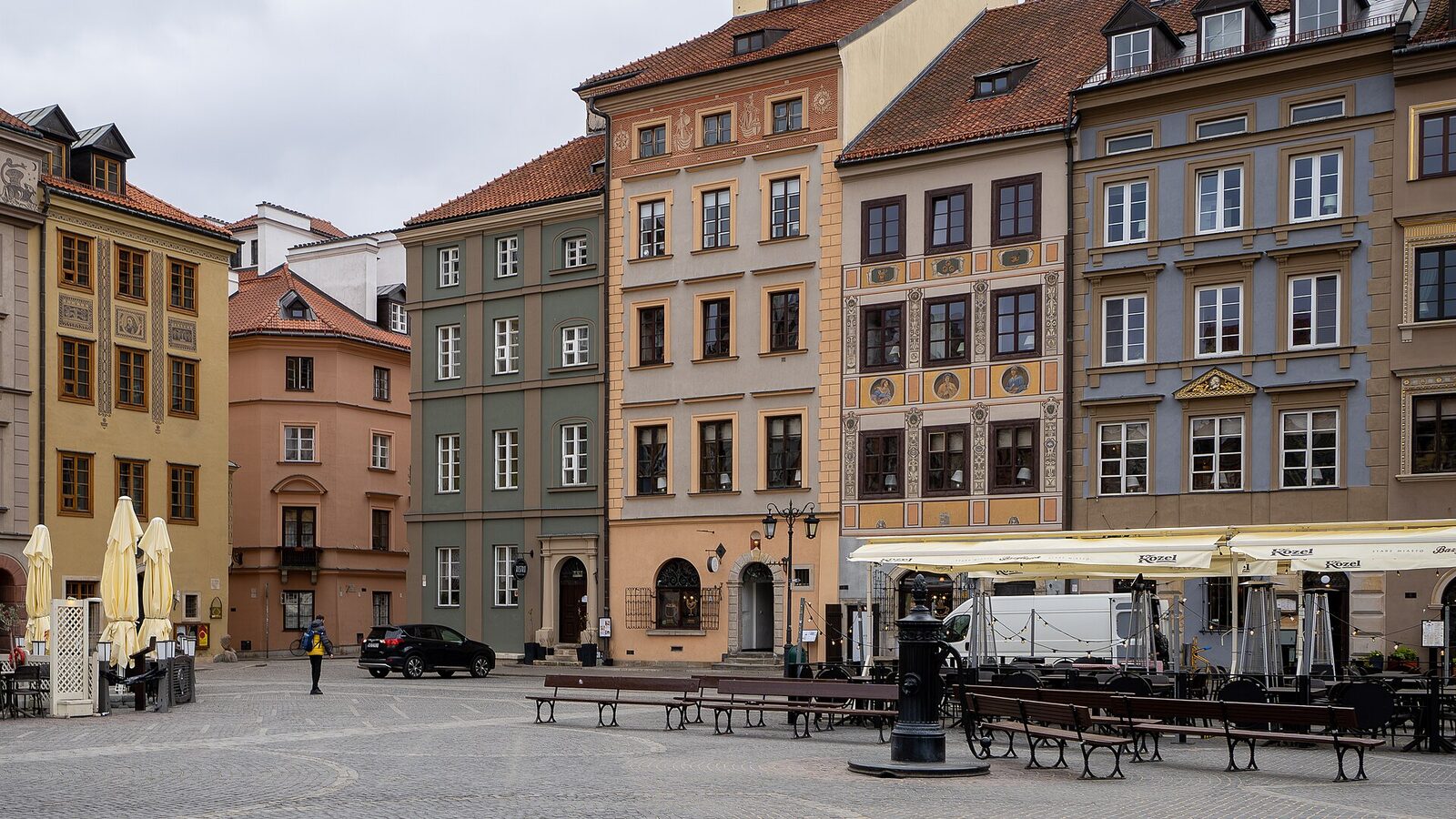
Poland offers a blend of vibrant cities, historic towns, and a growing economy that attracts professionals, students, and families alike. Its strategic location in Central Europe provides easy access to the EU market, while the cost of living remains competitive compared with Western Europe. The country’s robust public services, high‑quality education, and welcoming communities make it an appealing destination for long‑term relocation.
Beyond economics, Poland’s cultural richness—from medieval architecture in Kraków to modern tech hubs in Warsaw—creates a dynamic environment for personal growth. The nation’s commitment to innovation is evident in its thriving startup scene, which welcomes foreign talent. For families, the public school system and healthcare are well‑established, offering stability and security for newcomers.
SettleBuddy’s suite of AI tools—Visa AI, Housing AI, Career AI, and Language Lab—streamlines each phase of the move, ensuring you can focus on building a new life rather than navigating bureaucratic hurdles. By leveraging these tools, you reduce uncertainty and accelerate your integration into Polish society.
Understanding Poland’s Visa Landscape
Poland’s immigration framework includes several regulated pathways: Temporary residence and work (single permit), the EU Blue Card, national (D) visas, study visas, and family reunification permits. Each route has distinct eligibility criteria and duration limits, as outlined by the Office for Foreigners (Urzad do Spraw Cudzoziemcow) [S1]. Choosing the right visa depends on your purpose—employment, education, or family—and your long‑term residency goals.
The Temporary residence and work (single permit) allows non‑EU citizens to live and work in Poland for up to three years, renewable upon meeting continued employment conditions. The EU Blue Card targets highly skilled workers, granting broader EU mobility after a set period. National (D) visas are generally issued for stays longer than 90 days, covering work, research, or other long‑term activities. Study visas cater to enrolled students, while family reunification permits enable spouses and dependents to join a legal resident.
Below is a quick comparison of the main visa categories. While the table provides a high‑level overview, always verify specific requirements—such as salary thresholds or documentation—on the official portals before applying.
| Visa Type | Typical Stay Length | Key Eligibility |
|---|---|---|
| Temporary Residence & Work (Single Permit) | Up to 3 years, renewable | Job contract meeting salary threshold; employer sponsorship |
| EU Blue Card | Up to 2 years, renewable | Highly qualified position, minimum salary set by law |
| National (D) Visa | 90+ days, up to 1 year | Employment, research, or other long‑term purpose |
| Study Visa | Duration of study program | Acceptance by a Polish higher‑education institution |
| Family Reunification | Matches sponsor’s permit | Proof of relationship to a legal resident |

Gathering the Required Documentation
Before submitting any visa application, compile a complete set of documents to avoid delays. Core items include a valid passport, recent passport‑size photos meeting biometric standards, proof of health insurance, and a clean criminal record certificate. For work‑related visas, you’ll also need a signed employment contract, a statement from the employer confirming the role, and evidence of qualifications or professional experience.
Financial proof is crucial: the Office for Foreigners requires applicants to demonstrate sufficient means to support themselves. This can be a bank statement, a scholarship award, or a sponsor’s declaration, depending on the visa type. Since salary thresholds can change, consult the official Office for Foreigners page for the current minimum income requirement before finalizing your paperwork [S1].
All documents not originally in Polish or English must be translated by a certified translator, and some may need legalization or apostille certification. Keep digital copies organized in a cloud folder, as SettleBuddy’s Visa AI can guide you through each required file and flag any missing pieces before submission.
Submitting Your Visa Application
Applications are lodged at Polish consulates abroad or directly at the Office for Foreigners (Urzad do Spraw Cudzoziemcow) if you are already in Poland on a short‑term visa. The official portal allows you to schedule an appointment, upload scanned documents, and pay the applicable fee online. Remember that fee amounts are subject to periodic updates; always check the latest fee schedule on the gov.pl foreigners site before paying [S2].
During the appointment, you will present your original documents for verification and may be asked to provide biometric data (fingerprints). The consular officer will then issue a receipt with a tracking number, enabling you to monitor the processing status via the online system. Typical processing times range from two to six weeks, but complex cases—such as those requiring additional security checks—can take longer.
SettleBuddy’s Visa AI can simulate the entire submission workflow, reminding you of deadlines, suggesting optimal appointment times, and offering a checklist that aligns with the official requirements. By following this AI‑driven plan, you minimize the chance of a rejected application and keep your relocation timeline on track.
Arriving in Poland: First‑Day Essentials
Once your visa is approved and you arrive in Poland, the first administrative step is to register your address at the local municipal office (Urząd Gminy or Urząd Miasta). This registration is mandatory after arrival and is the basis for obtaining a PESEL number—a unique personal identifier used for tax, healthcare, and social services. The Office for Foreigners oversees the issuance of the residence card, which you must collect at the voivodeship office.
To register, bring your passport, visa, rental contract (or proof of accommodation), and a completed registration form. The office will issue a confirmation of registration (potwierdzenie zameldowania) and guide you through the PESEL application process. After receiving your PESEL, you can open a bank account, enroll in the national health insurance system (NFZ), and sign up for utilities.
SettleBuddy’s Housing AI can help you locate a suitable temporary address before arrival, ensuring you have a lease agreement ready for registration. Additionally, the platform’s onboarding checklist reminds you of each post‑arrival task, from PESEL registration to setting up a local mobile number.
Finding a Home with SettleBuddy Housing AI
Securing long‑term housing in Poland can be daunting, especially when navigating language barriers and local rental norms. SettleBuddy’s Housing AI eliminates guesswork by matching your preferences—budget range, city, proximity to work or schools—with verified listings across the country. The AI also provides localized insights on neighborhood safety, public transport links, and typical lease terms, helping you make an informed decision.
Because the platform integrates directly with official property registries, all listings are up‑to‑date and compliant with Polish rental regulations. You can schedule virtual tours, request translation of lease agreements, and receive guidance on deposit handling—all within the SettleBuddy ecosystem. This ensures you avoid unlicensed intermediaries and stay within the legal framework.
Once you sign a lease, SettleBuddy’s system generates the documentation needed for municipal registration and PESEL application, streamlining the hand‑off to the local authorities. By centralizing housing, paperwork, and compliance, the Housing AI reduces the time spent on administrative chores, allowing you to focus on settling into your new community.
Launching Your Career with SettleBuddy Career AI
Poland’s labor market is diverse, with strong demand in IT, engineering, finance, and manufacturing. After you obtain your work permit, SettleBuddy’s Career AI can analyze your résumé, highlight transferable skills, and suggest roles that match both your experience and the current market demand. The AI also provides localized salary benchmarks—based on publicly available data—to help you negotiate fair compensation.
The platform connects directly with reputable Polish employers and recruitment agencies, ensuring that job postings are vetted and compliant with labor laws. For each opportunity, Career AI outlines required work‑permit categories, so you can confirm eligibility before applying. This prevents wasted effort on positions that do not align with your visa status.
Beyond job matching, Career AI offers interview preparation modules in Polish, cultural etiquette tips, and guidance on professional networking events. By integrating these resources, you accelerate your transition from newcomer to productive employee, while staying fully compliant with the Office for Foreigners’ regulations.
Mastering Polish with SettleBuddy Language Lab
Language proficiency dramatically improves daily life and professional integration in Poland. SettleBuddy’s Language Lab provides interactive lessons across 50 languages, with a dedicated Polish track designed for newcomers. Lessons blend audio, visual, and contextual exercises, focusing on everyday scenarios—shopping, public transport, workplace communication, and civic interactions.
The AI‑driven curriculum adapts to your progress, reinforcing vocabulary you struggle with and introducing new grammar concepts at a comfortable pace. Additionally, the platform offers real‑time conversation practice with native speakers, enabling you to build confidence before using Polish in real‑world settings.
While the Language Lab is a powerful tool, official language certification (e.g., B1 or B2) may be required for certain visa extensions. The platform can guide you toward accredited testing centers and advise on preparation strategies, ensuring you meet any future regulatory thresholds set by the Office for Foreigners.
Integrating into Polish Society and Community
Beyond paperwork, successful relocation hinges on cultural integration. Poland’s communal traditions—such as sharing meals, celebrating holidays like Święto Niepodległości, and participating in local festivals—offer natural entry points for newcomers. Engaging with neighborhood associations, sports clubs, or volunteer groups helps you build a support network and accelerates language acquisition.
SettleBuddy’s global mover community connects you with other expatriates who have already navigated the Polish system. Through forums, virtual meet‑ups, and mentorship programs, you can exchange practical tips on everything from grocery shopping to navigating public transport. This peer‑to‑peer support complements official resources and reduces feelings of isolation.
For families, the platform provides guidance on enrolling children in public or international schools, accessing pediatric healthcare, and finding child‑friendly activities. By leveraging these community resources, you create a stable environment that encourages long‑term settlement and personal fulfillment.
Common Pitfalls and How to Avoid Them
One frequent mistake is submitting incomplete visa applications, often due to missing translations or outdated financial proofs. To mitigate this risk, double‑check each document against the checklist generated by SettleBuddy’s Visa AI, and confirm any salary thresholds on the Office for Foreigners website before finalizing your submission [S1].
Another challenge is overlooking the 30‑day registration deadline, which can lead to fines or complications when applying for a residence card. SettleBuddy’s post‑arrival checklist sends automated reminders with local office hours and required forms, ensuring you stay compliant with municipal regulations.
Finally, many newcomers underestimate the importance of acquiring a PESEL number early. Without PESEL, you cannot open a bank account, sign a mobile contract, or access public healthcare. By following the step‑by‑step guide in the arrival section and using SettleBuddy’s document templates, you secure your PESEL promptly and avoid unnecessary delays.
Next Steps: Leveraging SettleBuddy for a Seamless Move
Now that you understand the regulated process—from visa selection to registration—use SettleBuddy’s integrated suite to execute each phase efficiently. Begin with Visa AI to assess eligibility, then schedule your consular appointment through the platform’s calendar sync. Once approved, switch to Housing AI for a home that meets your lifestyle needs, and let Career AI map out your professional pathway.
Parallel to administrative tasks, enroll in the Language Lab to build conversational Polish, and join the global mover community for peer support. By aligning all these tools, you reduce the typical relocation timeline by weeks and enter Poland with confidence and clarity.
Remember, while SettleBuddy provides comprehensive guidance, complex or borderline cases—such as unusual employment contracts or family reunification nuances—should be reviewed by a licensed immigration attorney. Consulting a professional ensures full compliance with the Office for Foreigners’ regulations and protects your long‑term residency prospects.
Where SettleBuddy comes in
SettleBuddy is the AI relocation engine for your whole move — language, visas, housing and career in one place, launching for every country. Language Lab is live now; Housing AI, Visa AI and Career AI are on the way.
Explore SettleBuddy →Key takeaways
- Choose the correct visa category based on your purpose; verify thresholds on the Office for Foreigners website.
- Gather all required documents, translate and legalize non‑Polish files, and use SettleBuddy’s Visa AI checklist to avoid omissions.
- Register your address and obtain a PESEL number after arrival to access banking, healthcare, and employment services.
- Use SettleBuddy Housing AI for compliant, vetted housing options and automatic generation of registration paperwork.
- Leverage Career AI for job matching, salary benchmarking, and interview preparation tailored to your visa status.

FAQ
How long does the Polish work visa processing take?
Processing times vary by consulate but generally range from two to six weeks. Complex cases may require additional security checks, extending the timeline. Always check the latest estimates on the Office for Foreigners portal and plan your move accordingly.
Can I switch from a temporary residence permit to a Blue Card later?
Yes, if you later meet the Blue Card’s higher salary and qualification criteria. You must submit a new application and provide updated employment documentation. Consult the Office for Foreigners for the current thresholds before initiating the switch.
Do I need a Polish language certificate to extend my visa?
Some extensions, especially for long‑term residency, may require proof of language proficiency (e.g., B1 level). SettleBuddy’s Language Lab can help you prepare for the official exam and guide you to accredited testing centers.
What happens if I miss the 30‑day registration deadline?
Missing the deadline can result in fines and may complicate the issuance of your residence card. SettleBuddy’s post‑arrival checklist sends reminders and provides the exact address of the local municipal office to ensure timely registration.
Is it necessary to hire a local lawyer for my visa application?
While SettleBuddy’s AI tools cover standard cases, complex situations—such as unusual employment contracts or family reunification nuances—benefit from professional legal advice. A licensed immigration attorney can ensure full compliance with the Office for Foreigners’ regulations.
Official sources
The regulated facts in this guide are drawn from official government sources. Rules and figures change — always confirm the current detail on the official page before you act.