Move to Switzerland: Complete Step-by-Step Guide
To move to Switzerland, first confirm whether you are an EU/EFTA or non‑EU/EFTA national, then secure a job offer or meet self‑employment criteria, have your employer apply for a work permit, obtain the visa, register at your local commune within 14 days, and finally activate your L or B permit. Use SettleBuddy’s AI tools to streamline each step.
Quick answer
To move to Switzerland, first confirm whether you are an EU/EFTA or non‑EU/EFTA national, then secure a job offer or meet self‑employment criteria, have your employer apply for a work permit, obtain the visa, register at your local commune within 14 days, and finally activate your L or B permit. Use SettleBuddy’s AI tools to streamline each step.
Why Choose Switzerland?
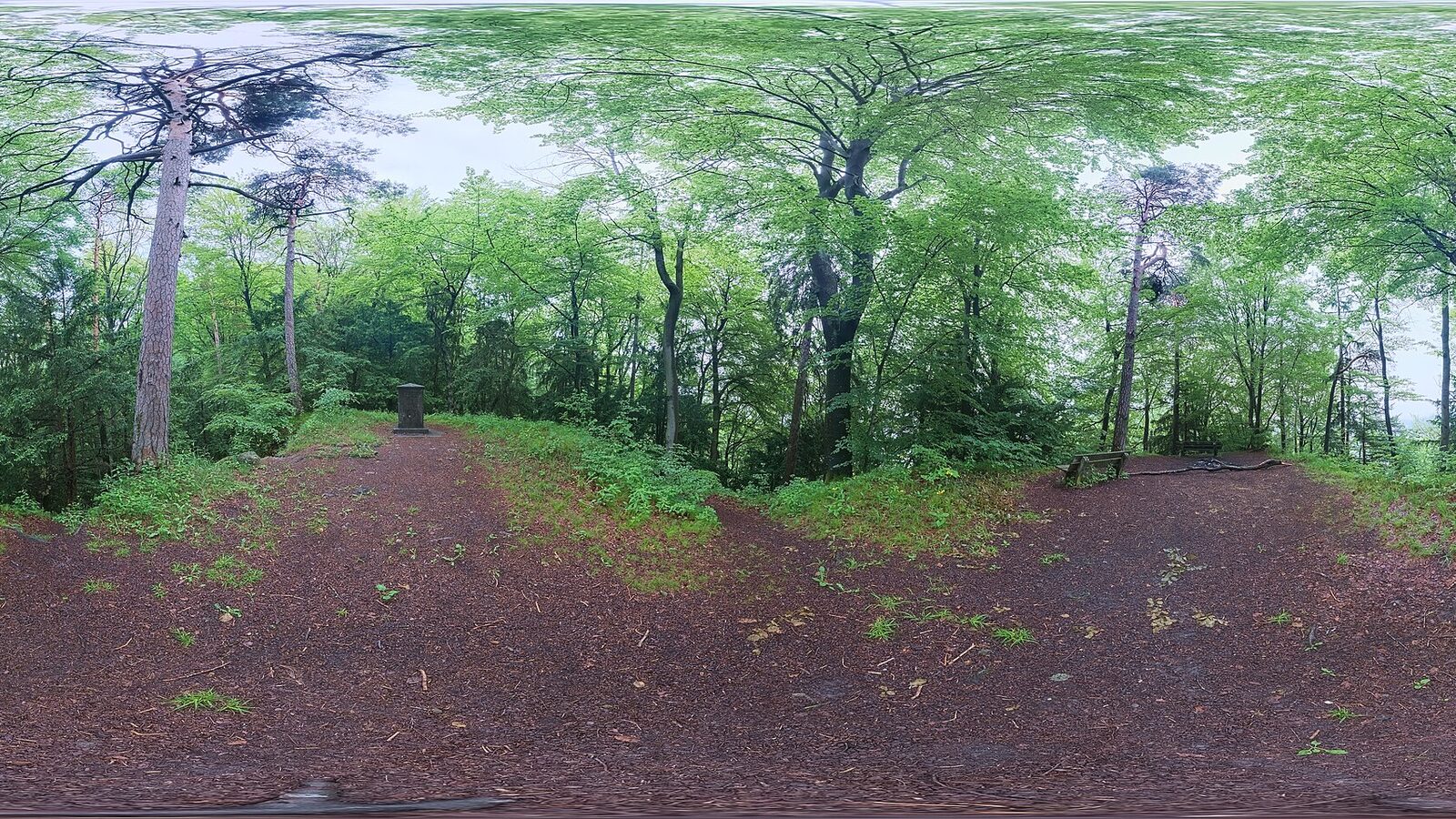
Switzerland consistently ranks among the highest‑quality‑of‑life nations, offering a stable economy, world‑class public services, and breathtaking natural scenery. Its per‑capita income, low crime rates, and robust healthcare system make it an attractive destination for professionals seeking both career growth and personal well‑being. The country’s commitment to innovation and precision industries also creates a fertile ground for skilled workers across sectors such as finance, biotech, and engineering.
The multilingual environment—German, French, Italian, and Romansh—means newcomers can integrate through language learning while enjoying cultural diversity. Switzerland’s central location in Europe provides easy travel to neighboring countries, enhancing both professional networking and leisure opportunities. Moreover, the nation’s strong emphasis on work‑life balance and employee rights fosters a supportive workplace culture that many expatriates find rewarding.
Because the Swiss migration system is highly regulated, careful planning is essential to avoid costly delays. Understanding visa categories, permit types, and cantonal requirements helps applicants navigate the process efficiently. This guide breaks down each step, from eligibility assessment to practical daily‑life tips, ensuring you move with confidence and clarity.
Understanding the Swiss Migration Regime
Switzerland operates two distinct migration regimes: the Free Movement Agreement for EU/EFTA nationals and a quota‑limited system for third‑country (non‑EU/EFTA) citizens. EU/EFTA citizens benefit from automatic work and residence rights, needing only registration with local authorities. In contrast, third‑country nationals must meet stringent criteria, including high qualifications and labor‑market precedence, before a permit can be granted (State Secretariat for Migration (SEM)).
For non‑EU/EFTA applicants, the State Secretariat for Migration emphasizes that admission is reserved for highly qualified skilled workers, short‑term assignments, or self‑employed individuals who can demonstrate a clear economic benefit to Switzerland. Employers must first prove no suitable Swiss or EU/EFTA candidate is available, a process known as labor‑market precedence, before the cantonal authority can approve the work permit (SEM).
The annual quota for third‑country skilled workers is capped at 8,500 permits, split into 4,500 B‑type residence permits and 4,000 short‑term L‑type permits (SEM – Third‑country quotas). This figure is subject to yearly adjustments, so applicants should verify the current quota on the official SEM page before proceeding.
Determining Eligibility – EU/EFTA vs Non‑EU/EFTA
If you hold a passport from an EU or EFTA member state, you enjoy the right of free movement, allowing you to live and work in Switzerland without a prior work permit. Upon arrival, you must register with the local commune within 14 days and provide proof of employment or sufficient financial resources, as outlined by the State Secretariat for Migration (SEM).
Citizens of non‑EU/EFTA countries must first secure a job offer that meets the “highly qualified” threshold, or demonstrate a viable self‑employment plan that serves Swiss economic interests. The employer’s application to the cantonal labor‑market authority must include evidence of labor‑market precedence, confirming that no suitable local candidate was found (SEM).
Additional pathways include family reunification for spouses and children of permit holders, study permits for university enrolment, and the non‑working residence category for those with sufficient means and mandatory health insurance. Each category has specific documentation requirements, and applicants should consult the official SEM residence permit guide for detailed criteria (SEM).
Choosing the Right Permit Type
Switzerland issues four primary residence permits for non‑EU/EFTA nationals: the L permit for short‑term stays up to one year, the B permit for longer‑term employment exceeding one year, the C permit granting permanent settlement after a qualifying period, and the G permit for cross‑border commuters. The appropriate permit depends on the length of your contract, your employment status, and long‑term residency goals.
A short‑term assignment, such as a project lasting less than a year, typically requires an L permit, while a permanent position with a contract longer than twelve months qualifies for a B permit. After ten years of continuous residence (or five years for nationals of certain countries), you may apply for a C permit, which offers greater mobility and reduced bureaucratic obligations.
table":{"headers":["Permit","Typical Duration","Main Eligibility"],"rows":[["L Permit","Up to 12 months","Short‑term work assignment or quota‑limited skilled worker"],["B Permit","12 months or more","Long‑term employment, self‑employment, or family reunification"],["C Permit","Permanent","5‑10 years continuous residence, language proficiency"],["G Permit","Variable","Cross‑border commuters with employment in Switzerland"]}}
The Employer‑Driven Application Process
Employers act as the primary gateway for non‑EU/EFTA work permits. They must submit an application to the cantonal labor‑market or migration authority, demonstrating that the position cannot be filled by a Swiss or EU/EFTA candidate—a requirement known as labor‑market precedence (State Secretariat for Migration (SEM)). This step includes providing the candidate’s qualifications, the job description, and evidence of the recruitment process.
If the cantonal authority approves the application, the Swiss representation abroad issues the visa. The employee then travels to Switzerland, where they must register with their commune within 14 days, presenting the employer’s declaration and supporting documents. Upon successful registration, the cantonal migration office issues the L or B permit, completing the legal entry process (SEM).
Employment periods shorter than three months do not require a formal work permit, but they must be reported through a notification procedure to the cantonal authorities. Failure to report short‑term work can lead to fines or future permit refusals, so both employer and employee should ensure compliance with this reporting obligation (SEM).
Self‑Employment & Business Opportunities
Non‑EU/EFTA nationals may also relocate as self‑employed entrepreneurs, provided their business plan demonstrates a clear economic benefit to Switzerland. The applicant must present a viable commercial concept, sufficient capital, and evidence of market demand, all evaluated by the cantonal migration authority (State Secretariat for Migration (SEM)). Successful applicants receive a residence permit that aligns with the anticipated duration of the enterprise.
Financial requirements include proof of adequate funds to sustain personal living expenses and to cover initial business costs. Additionally, applicants must secure Swiss health insurance and comply with local tax regulations. The cantonal authority may request a detailed business plan, projected cash flows, and evidence of professional qualifications before granting the permit.
Once approved, the self‑employed resident must register the business with the commercial register, obtain any necessary professional licenses, and adhere to Swiss accounting standards. Ongoing compliance, such as regular tax filings and renewal of the residence permit, is essential to maintain legal status and avoid disruptions to the venture.
Registering with Local Authorities & Getting Your Permit
After entering Switzerland, you have 14 days to register at your local commune (municipality). This registration requires your passport, work contract, employer’s declaration, proof of health insurance, and, if applicable, your visa. The commune forwards the documentation to the cantonal migration office, which then issues the physical L or B permit (State Secretariat for Migration (SEM)).
Permit fees are set by each canton and can vary significantly. While the official SEM portal does not list exact amounts, it directs applicants to the cantonal migration office’s website for the most current fee schedule. Applicants should consult the relevant cantonal page before submitting payment to avoid unexpected costs.
After five to ten years of continuous residence, holders of a B permit may apply for a C permit, granting permanent settlement rights. Eligibility for the C permit also depends on language proficiency, integration, and a clean criminal record. The cantonal authority evaluates these criteria before issuing the C permit, which offers greater stability and reduced renewal requirements.
Practical Steps for Housing, Banking, and Language
Finding suitable accommodation in Switzerland can be challenging due to high demand in urban centers. SettleBuddy’s Housing AI simplifies the search by matching your preferences—such as budget, proximity to work, and language region—with available listings across cantons. The AI continuously updates options, ensuring you receive relevant suggestions without relying on external platforms.
Opening a Swiss bank account is essential for salary deposits, rent payments, and everyday transactions. You will need your residence permit, proof of address, and a valid passport. Health insurance is mandatory for all residents; you must select a Swiss insurer within three months of arrival and provide proof of coverage to the cantonal authorities.
Language proficiency greatly enhances integration and career prospects. SettleBuddy’s Language Lab offers interactive lessons in German, French, Italian, and Romansh, tailored specifically for expatriates. The platform’s AI‑driven curriculum adapts to your progress, helping you achieve conversational fluency faster than traditional classroom settings.
Common Pitfalls and Edge Cases
One frequent mistake is overlooking the annual third‑country quota. Because the quota caps the number of B and L permits, applications submitted after the quota is filled are automatically rejected, regardless of qualifications. Applicants should verify the current quota status on the SEM quota page and, if necessary, explore alternative pathways such as intra‑company transfers or academic visas.
Another common issue is failing to register with the commune within the 14‑day window. Late registration can result in fines, temporary loss of work authorization, or complications during permit renewal. To avoid this, schedule an appointment at the local registration office as soon as you arrive, and bring all required documents in order.
Finally, many newcomers underestimate the importance of professional legal advice. While this guide provides a comprehensive overview, individual cases may involve nuances—such as family reunification for mixed‑nationality couples or complex self‑employment structures—that require a licensed immigration consultant. SettleBuddy’s Career AI can help you identify when specialist counsel is advisable.
Timeline & Checklist
A realistic timeline begins with securing a qualified job offer, which can take several weeks to months depending on the sector. Once the employer submits the labor‑market application, the cantonal authority reviews it. After approval, the Swiss embassy issues the visa, and you can travel to Switzerland, where you must register with your commune within 14 days. Overall, allow several steps from offer to permit activation.
Key items to prepare include: a valid passport, signed employment contract, employer’s labor‑market declaration, proof of qualifications, health insurance confirmation, and sufficient financial resources (if self‑employed). Additionally, gather translated copies of diplomas, a clean criminal record certificate, and, for family reunification, marriage and birth certificates. Keeping these documents organized speeds up each procedural step.
Before departure, set up SettleBuddy’s Visa AI to verify that all required documents are complete and to receive personalized reminders for upcoming deadlines. After arrival, use the Housing AI to locate suitable accommodation, the Career AI to explore networking events, and the Language Lab to start daily language practice. These tools keep you on track and reduce the administrative burden throughout the relocation journey.
Next Steps with SettleBuddy
SettleBuddy consolidates every phase of moving to Switzerland into a single, AI‑powered platform. By feeding your profile into the Visa AI, you receive a tailored checklist, real‑time quota updates, and document templates that align with the State Secretariat for Migration’s requirements. This eliminates guesswork and ensures compliance with official regulations.
Beyond visas, SettleBuddy’s Housing AI curates housing options that match your commute, budget, and language preferences, while the Career AI connects you with industry‑specific job boards and networking events. The Language Lab then equips you with targeted language lessons, accelerating your integration into Swiss society and the workplace.
Ready to start your Swiss adventure? Sign up for SettleBuddy today, activate the Visa, Housing, and Career AI modules, and let our experts guide you from the first job offer to a settled life in Switzerland. With accurate, official‑source‑grounded guidance and personalized support, your move becomes a confident, streamlined experience.
Where SettleBuddy comes in
SettleBuddy is the AI relocation engine for your whole move — language, visas, housing and career in one place, launching for every country. Language Lab is live now; Housing AI, Visa AI and Career AI are on the way.
Explore SettleBuddy →Key takeaways
- Switzerland distinguishes between EU/EFTA free movement and a quota‑limited system for non‑EU/EFTA nationals.
- Non‑EU/EFTA applicants need a highly qualified job offer, employer‑driven labor‑market approval, and must respect the annual 8,500‑person quota.
- Register with your local commune within 14 days of arrival to receive the L or B permit; fees vary by canton.
- SettleBuddy’s AI tools simplify visa preparation, housing search, career networking, and language learning for a smoother relocation.

FAQ
Do I need a work permit if I am an EU citizen?
EU/EFTA citizens benefit from the Free Movement Agreement, which allows them to live and work in Switzerland without a prior work permit. However, they must still register with the local commune within 14 days, provide proof of employment or sufficient means, and obtain health insurance, as required by the State Secretariat for Migration.
What is the annual quota for non‑EU/EFTA skilled workers?
The State Secretariat for Migration states that the quota for third‑country skilled workers is capped at 8,500 permits per year, divided into 4,500 B‑type residence permits and 4,000 short‑term L‑type permits. This figure can change annually, so applicants should verify the current quota on the official SEM quota page before submitting an application.
Can I work in Switzerland for less than three months without a permit?
Employment periods shorter than three months do not require a formal work permit, but the employer must report the short‑term assignment to the cantonal labor‑market authority through a notification procedure. Failure to report can lead to fines or future permit refusals, so compliance with this reporting obligation is essential.
How long does it take to obtain a B permit after receiving a job offer?
After a qualified job offer, the employer submits a labor‑market application to the cantonal authority, which reviews it. Once approved, the Swiss embassy issues the visa, and you must register with your commune within 14 days of arrival. The overall process from offer to B-permit activation depends on the canton and workload.
What should I do if I miss the 14‑day registration deadline?
Missing the 14‑day registration deadline can result in fines, temporary loss of work authorization, or complications during permit renewal. If you realize the deadline was missed, contact your local commune immediately, explain the situation, and provide all required documents. Prompt action may mitigate penalties, but it is best to avoid the issue by scheduling your registration appointment before arrival.
Official sources
The regulated facts in this guide are drawn from official government sources. Rules and figures change — always confirm the current detail on the official page before you act.