How to Move to Vietnam – Complete Relocation Guide
Moving to Vietnam requires a valid visa (e.g., work, investor, or e-Visa), a work permit for employment, and local registration. Use SettleBuddy's Visa AI and Housing AI to streamline the process and find your new home efficiently.
Quick answer
Moving to Vietnam requires a valid visa (e.g., work, investor, or e-Visa), a work permit for employment, and local registration. Use SettleBuddy's Visa AI and Housing AI to streamline the process and find your new home efficiently.
Understanding Vietnam's Visa Options
Vietnam offers several visa routes for relocators, each with specific eligibility criteria and purposes. The most common types include the LD visa for employment, which requires a work permit, and the DT visa for investors. According to the Vietnam Immigration Department, e-Visas are also available for tourism and short business trips with extended validity for certain nationalities.
The work visa (LD) is tied to a specific employer and job role, meaning you cannot legally work for another company without a new permit. Investor visas (DT) are for those making significant financial investments in Vietnam, as defined by official regulations. Always verify the latest categories and requirements directly on the official e-Visa portal or with the Immigration Department.
It's crucial to apply for the correct visa type based on your relocation purpose. Mistakes can lead to entry denial or legal issues. For complex cases, such as family dependents or long-term stays, consulting a licensed immigration professional is advised. SettleBuddy's Visa AI can help you navigate these options and prepare the necessary documentation.
Visa exemptions exist for certain nationalities and durations, but these are typically for tourism only and do not permit work. Always confirm your eligibility and the latest rules on the official government sites to avoid overstaying or violating immigration laws.
Securing a Work Permit and Employment
To work legally in Vietnam, you must obtain a work permit from the local labour authority, as mandated by the Vietnam Immigration Department. This process requires sponsorship from a licensed employer in Vietnam, who will typically initiate and support your application.
The work permit application involves submitting documents such as your passport, health check, criminal record clearance, and proof of qualifications. Processing times can vary, so plan ahead and ensure all paperwork is accurately completed to avoid delays. Your employer will guide you through their specific requirements.
Note that work-permit exemptions apply in certain cases, such as for intra-company transfers or specific expert roles, but these exemptions are subject to change. Always verify current exemption rules on official portals before assuming eligibility. Relying on unofficial advice can risk your legal status.
Once your work permit is approved, you can apply for the corresponding LD visa. SettleBuddy's Career AI can assist with understanding job market norms and connecting you with potential employers, streamlining your path to securing compliant employment in Vietnam.
Finding a Place to Live in Vietnam
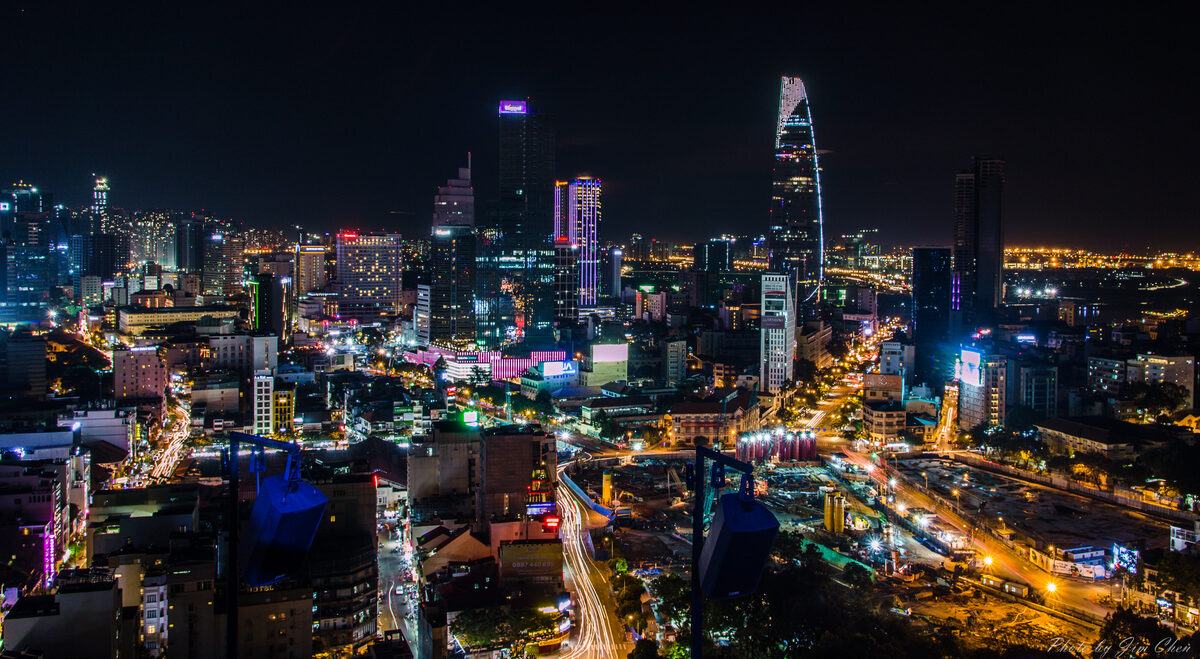
Housing in Vietnam ranges from modern apartments in urban centers like Hanoi and Ho Chi Minh City to more affordable options in suburban areas. Popular neighborhoods for expats include District 1 and 2 in Ho Chi Minh City, and Tay Ho in Hanoi, known for their international communities and amenities.
When searching for a rental, consider factors like proximity to work, transportation links, and local services. Lease terms typically require a deposit of one to two months' rent, and contracts are often for one year. It's advisable to inspect properties in person or via trusted sources to avoid scams.
Utilities such as electricity, water, and internet are usually separate from rent and require individual contracts. Setting these up involves visiting local providers with your rental agreement and identification. Familiarize yourself with average costs to budget effectively.
For a streamlined housing search, use SettleBuddy's Housing AI, launching soon for Vietnam. It helps you find verified listings, negotiate leases, and understand local rental norms, making your transition smoother and more secure.
Registering Your Residence and Legal Requirements
After arriving in Vietnam, you must register your temporary residence with local authorities if staying long-term. This process involves submitting your passport, visa, and rental contract to the police station in your district within a specified timeframe, as per Immigration Department guidelines.
Failure to register can result in fines or complications with future visa extensions. Your landlord or employer may assist with this process, but ultimately, it is your responsibility to ensure compliance. Keep copies of all registration documents for reference.
If you change addresses during your stay, you must re-register at your new location. This ensures your records are up-to-date and avoids legal issues. Always confirm the exact requirements with local authorities, as procedures can vary by region.
SettleBuddy's community features can connect you with other movers who have navigated residence registration, offering practical tips and support. Staying organized with deadlines and documents is key to a hassle-free experience.
Navigating Healthcare and Insurance
Vietnam has both public and private healthcare systems, with major cities offering high-quality medical facilities. Expats often prefer private hospitals for English-speaking staff and shorter wait times, but costs can be higher without insurance.
It is highly recommended to secure comprehensive health insurance before moving. Some visas, like work permits, may require proof of insurance. Policies should cover hospitalization, emergencies, and repatriation to ensure you're protected in various scenarios.
Registering with a local clinic or hospital upon arrival can streamline access to care. Keep your insurance details and important medical records handy, and familiarize yourself with nearby healthcare options in case of emergencies.
SettleBuddy's resources include guides on choosing insurance plans and understanding healthcare norms in Vietnam. Taking proactive steps here ensures peace of mind as you settle into your new life.
Managing Finances and Banking
Opening a bank account in Vietnam requires your passport, visa, and proof of address. Major banks like Vietcombank and Techcombank offer services in English and have branches in expat-friendly areas, making the process relatively straightforward.
Having a local account simplifies transactions, bill payments, and salary deposits. Some banks may require a minimum balance or charge fees, so compare options based on your needs. Online banking apps are widely used and convenient for daily management.
Currency exchange can be done at banks or licensed exchange offices, but avoid unofficial operators for better rates and security. Familiarize yourself with the Vietnamese Dong (VND) and common costs to budget effectively during your initial weeks.
SettleBuddy's tools can help you track expenses and understand financial norms, easing your transition. Managing money wisely from the start sets a solid foundation for your life in Vietnam.
Adapting to Culture and Daily Life
Vietnamese culture is rich and family-oriented, with emphasis on respect and community. Learning basic Vietnamese phrases can greatly enhance your daily interactions and show appreciation for the local culture. Greetings, numbers, and polite expressions are a good start.
Cuisine is a central part of life, with street food and local markets offering affordable and delicious options. Be open to trying new dishes, but also mindful of food safety by choosing busy vendors with high turnover.
Transportation options include motorbikes, taxis, and ride-hailing apps like Grab. Traffic can be hectic in cities, so take time to observe and learn local norms before driving. Many expats use scooters for convenience and cost-effectiveness.
SettleBuddy's Language Lab offers tailored lessons for movers, helping you build practical language skills for real-life situations. Engaging with the community and staying curious will make your adaptation rewarding and enjoyable.
Education and Family Considerations
If moving with children, research international schools in major cities like Hanoi and Ho Chi Minh City, which offer curricula such as IB, American, or British. Admissions processes can be competitive, so apply early and prepare necessary documents like transcripts and passports.
Local public schools are an option but may have language barriers. Weigh factors like costs, location, and educational philosophy when choosing. Some families hire tutors to help with language acquisition and academic transition.
For spouses or partners, networking groups and community events can provide support and social opportunities. Vietnam has active expat communities that organize activities, making it easier to build a new social circle.
SettleBuddy's platform includes resources for families, from school comparisons to community connections. Planning ahead ensures a smoother transition for all family members and helps everyone feel at home sooner.
Cost of Living and Budgeting Tips
The cost of living in Vietnam is generally lower than in Western countries, but it varies by city and lifestyle. Housing, dining, and transportation are affordable, while imported goods and international school fees can be higher. Budget according to your priorities.
Create a monthly budget that includes rent, utilities, food, transportation, and leisure. Tracking expenses initially helps you understand spending patterns and adjust as needed. Local markets and street food can reduce food costs significantly.
Consider setting up an emergency fund for unexpected expenses. Having savings provides financial security and flexibility, especially during the transition phase when costs might be higher than anticipated.
Use SettleBuddy's cost-of-living insights to plan your finances effectively. Smart budgeting from the start allows you to enjoy your new life without financial stress, making your move to Vietnam sustainable and enjoyable.
Where SettleBuddy comes in
SettleBuddy is the AI relocation engine for your whole move — language, visas, housing and career in one place, launching for every country. Language Lab is live now; Housing AI, Visa AI and Career AI are on the way.
Explore SettleBuddy →Key takeaways
- Secure the correct visa type (e.g., work LD or investor DT) through official channels like the Vietnam Immigration Department.
- Obtain a work permit for employment, with employer sponsorship, and register your residence upon arrival.
- Use SettleBuddy's Housing AI to find a home and Language Lab to learn Vietnamese for daily life.
- Plan finances and healthcare insurance in advance to ensure a smooth transition.
- Engage with local culture and communities to enrich your experience in Vietnam.

FAQ
What visa do I need to work in Vietnam?
You need an LD visa, which requires a work permit issued by the local labour authority. Your employer must sponsor your application, and you must meet eligibility criteria such as health checks and qualification proofs. Always verify current requirements on the official Vietnam Immigration Department website, as rules can change.
How long does it take to get a work permit?
Processing times for work permits vary based on the region and completeness of your application. It typically takes several weeks to a few months. Delays can occur if documents are incomplete or additional checks are needed. Consult the official labour authority or your employer for the most accurate timeline for your specific case.
Can I use an e-Visa for long-term stays?
e-Visas are generally for tourism and short business trips with limited validity, as per the official e-Visa portal. For long-term stays, such as work or investment, you need a different visa type like LD or DT. Always check the latest e-Visa terms on the government website to ensure compliance and avoid overstaying.
Is health insurance mandatory in Vietnam?
While not always mandatory for all visas, health insurance is highly recommended and may be required for work permits. It ensures access to quality healthcare and protects against high medical costs. Verify specific requirements with your visa type and consider comprehensive coverage for a secure stay.
How can I find housing in Vietnam?
Use SettleBuddy's Housing AI, launching soon, to discover verified rental options tailored to your needs and budget. It simplifies the search by providing insights on neighborhoods, lease terms, and local norms, helping you avoid scams and find a home efficiently. Avoid unofficial platforms for a safer experience.
Official sources
The regulated facts in this guide are drawn from official government sources. Rules and figures change — always confirm the current detail on the official page before you act.