Is Moving to Denmark Hard? Honest Guide for Expats 2024
Moving to Denmark involves clear visa pathways, a minimum salary requirement for work permits, and a structured application process. With the right job offer, careful document preparation, and tools like SettleBuddy’s Visa and Housing AI, the move is manageable rather than hard.
Quick answer
Moving to Denmark involves clear visa pathways, a minimum salary requirement for work permits, and a structured application process. With the right job offer, careful document preparation, and tools like SettleBuddy’s Visa and Housing AI, the move is manageable rather than hard.
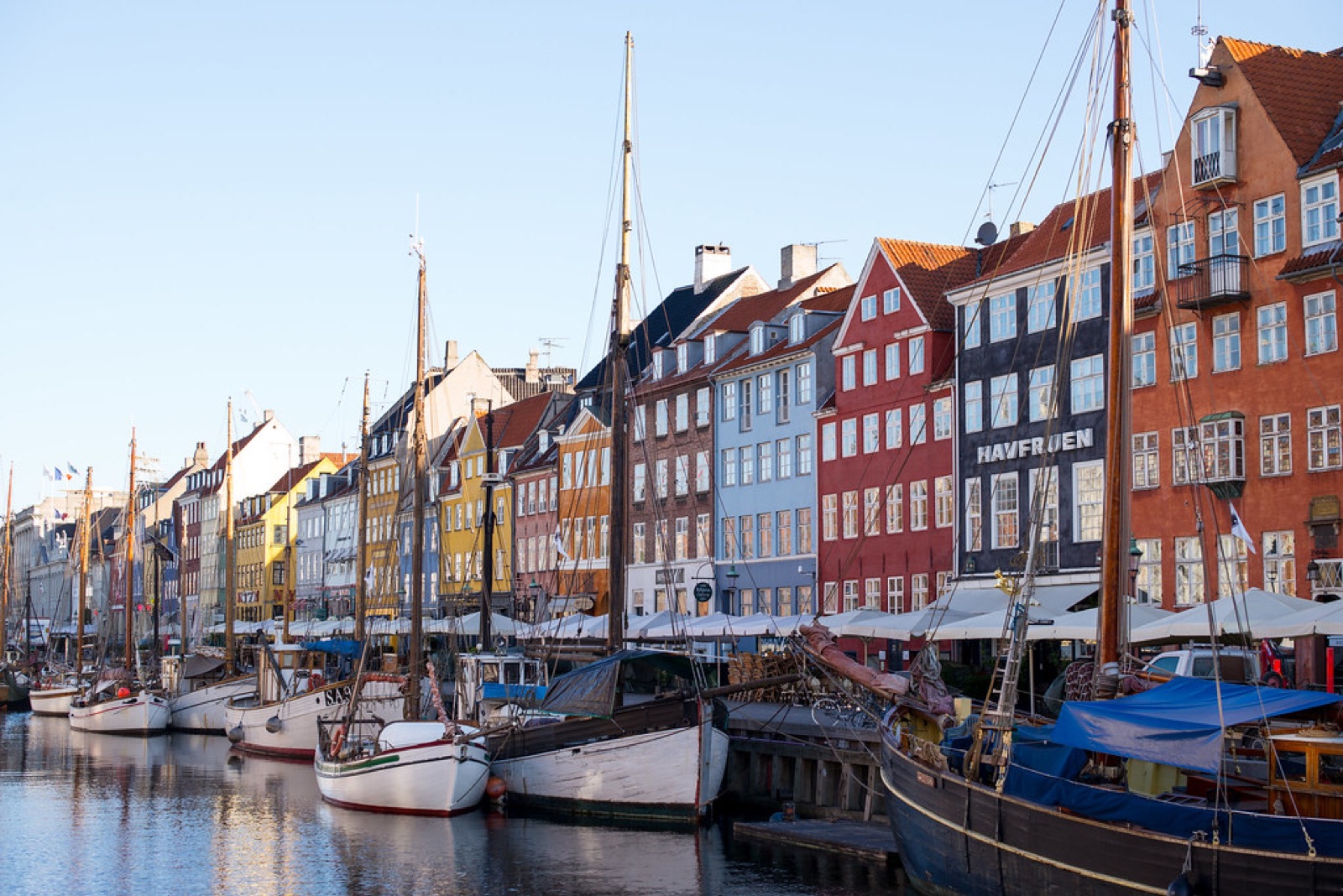
Why Denmark Attracts Newcomers
Denmark consistently ranks high for quality of life, social security, and work‑life balance, making it a magnet for skilled professionals and students. The country's transparent immigration framework, combined with strong labor protections, offers newcomers a stable environment to build a career and family life. Understanding the official pathways is the first step toward turning curiosity into a concrete plan, and SettleBuddy’s Career AI can help you match your profile with Danish demand.
The Danish labor market values both technical expertise and innovation, especially in sectors flagged as shortages. This focus translates into specific visa categories that streamline entry for qualified candidates. While the process may seem complex at first glance, each requirement is publicly documented, allowing you to prepare methodically. Our guide breaks down each element, so you can see where you fit without guesswork.
Beyond work, Denmark offers robust public services, from healthcare to education, which are accessible once you secure residency. However, eligibility for these benefits hinges on meeting the correct visa conditions. By aligning your move with the official criteria, you avoid costly delays and can enjoy Danish life sooner. SettleBuddy’s integrated tools keep you on track from application to settlement.
Official Visa Categories at a Glance
Denmark’s immigration authority, SIRI, defines four broad visa families: work, study, family reunification, and EU free‑movement. Each family contains several schemes, each with its own eligibility rules. For example, the Work family includes the Pay Limit Scheme, Positive List, Fast‑track, researcher routes, and more, as outlined on the official SIRI overview page [S1]. Understanding the family you belong to clarifies which documents and thresholds apply to you.
The Study category is limited to higher‑education programmes and requires acceptance from a Danish institution, while the Family category covers spouses, registered partners, and children under 18. EU citizens benefit from a separate free‑movement document, bypassing many of the standard requirements. Knowing which category matches your situation helps you avoid unnecessary steps and focus on the relevant paperwork.
Below is a concise comparison of the main work‑related schemes, highlighting salary thresholds and education needs. This table draws exclusively from the official SIRI sources and does not include any speculative figures. It serves as a quick reference to decide which pathway aligns with your credentials and career goals.
| Scheme | Key Requirement |
|---|---|
| Pay Limit Scheme | DKK 552,000/year minimum salary, no specific education required (2026) |
| Supplementary Pay Limit Scheme | DKK 446,000/year minimum salary |
| Positive List (Higher Education) | Job must be on the Positive List and you must hold the qualifying degree |
| Positive List (Skilled Work) | Same as above, but for skilled‑trade occupations |
| Fast‑track Scheme | Employer‑certified fast‑track route, salary and qualification criteria vary |

The Pay Limit Scheme Explained
The Pay Limit Scheme is the most straightforward work pathway for candidates without a specific shortage occupation. According to the official Pay Limit page, you must secure a job contract that meets the 2026 minimum salary of DKK 552,000 per year, and no particular educational background is mandated [S2]. This makes the scheme attractive for professionals across many sectors, provided the employer can meet the salary benchmark.
To qualify, your employer must issue a contract that clearly states the gross annual salary and confirms that the position complies with Danish labor standards. The contract, together with proof of the employer’s registration in Denmark, forms the core of your SIRI application. Remember that the salary threshold is adjusted each year on 1 January, so always verify the current amount on the live SIRI page before submitting.
Once you have a qualifying offer, you create a case order ID on the nyidanmark.dk portal and pay the SIRI application fee. The fee amount is not fixed in the pack, so you should check the official fees page for the latest figure. After payment, you upload the contract, passport copy, and any required certificates, then await the decision while your family can apply as accompanying members.
Navigating the Positive List Scheme
The Positive List scheme targets occupations identified by Danish authorities as experiencing a shortage. To use this route, you must first confirm that your intended role appears on the official Positive List, which is maintained by the Ministry of Employment and published on the SIRI Positive List page [S3]. Additionally, you need a relevant higher‑education qualification that matches the listed occupation.
If your job is on the Positive List, the salary requirement is lower than the generic Pay Limit, but the exact figure is not disclosed in the pack. Therefore, you should consult the current Positive List details for any additional salary thresholds or conditions. The employer still needs to provide a formal contract, and you must submit proof of your education, such as diplomas and transcripts, through the SIRI online portal.
The Positive List offers a faster processing timeline for many applicants because the occupation’s shortage status signals high demand. Nevertheless, you should prepare for possible additional documentation, like language proficiency certificates, if the occupation requires communication in Danish or English. SettleBuddy’s Visa AI can help you verify whether your profession qualifies before you invest time in gathering paperwork.
Fast‑Track and Researcher Pathways
Employers with a certified status can use the Fast‑track Scheme to bring talent to Denmark more quickly. This route includes several sub‑tracks, such as pay‑limit fast‑track and researcher fast‑track, each with tailored requirements. While the pack does not list specific salary figures for fast‑track, the underlying principle remains: the employer must demonstrate that the position cannot be filled locally and that the candidate meets the necessary qualifications.
Researchers, both salaried and guest, benefit from a dedicated scheme that acknowledges the academic nature of their work. A hosting Danish institution must issue a research contract, and the applicant must hold a relevant doctoral or post‑doctoral qualification. The SIRI portal treats researcher applications with a distinct workflow, often resulting in shorter decision times due to the specialized nature of the role.
For both fast‑track and researcher routes, the application steps mirror the general work process: obtain a job offer, create a case order ID, pay the fee, submit biometrics, and await the decision. Because these pathways involve certified employers, you should request a letter of certification from your future Danish partner, which will be attached to your SIRI submission.
Step‑by‑Step Application Procedure
The SIRI online portal is the central hub for all Danish residence permit applications. Begin by creating a personal account on nyidanmark.dk, then select the appropriate scheme based on your job offer or study admission. The portal will generate a unique case order ID, which you use to track progress and pay the application fee. This fee is charged per applicant, and the exact amount is listed on the official fees page.
After fee payment, you upload required documents: passport copy, employment contract or university acceptance letter, proof of qualifications, and any additional certificates demanded by your chosen scheme. The portal also prompts you to schedule a biometrics appointment at the nearest Danish diplomatic mission or a SIRI branch. Biometrics include fingerprinting and a facial photograph, which are mandatory for all non‑EU applicants.
Once the biometrics are completed, the case moves into the review stage. The Danish authorities assess the completeness of your file, verify the salary or qualification thresholds, and may request supplementary information. While processing times vary, most work permits are decided within a few weeks, though you should allow extra time for family members applying as accompanying relatives.
Preparing Documentation and Biometrics
A common stumbling block for applicants is incomplete documentation. To avoid delays, create a checklist that includes a valid passport (minimum six months validity), a signed employment contract showing the exact gross salary, proof of education (diplomas, transcripts), and any language certificates if required. For researcher or fast‑track routes, add the employer’s certification letter and the research project description.
When scheduling biometrics, bring the original passport and the printed confirmation of your SIRI case order ID. The biometric appointment typically lasts under 30 minutes, but arriving early reduces stress. If you are applying from outside Denmark, you will attend a Danish embassy or consulate; if you are already in the country, you can visit a SIRI office. Keep copies of all submitted documents for your records.
After biometrics, the authorities may contact you for clarification. Respond promptly through the SIRI portal to keep the process moving. If any document is rejected, you will receive a detailed explanation and a deadline for resubmission. Using SettleBuddy’s Visa AI, you can simulate the document checklist for your specific scheme, reducing the chance of missing a required item.
Common Pitfalls and Edge Cases
One frequent error is assuming that any job offer automatically satisfies the salary threshold. Even if the contract states a figure, the Danish authorities compare it against the official minimum for the chosen scheme, which is updated yearly. Therefore, always verify the current threshold on the live SIRI page before signing the contract. Misaligned expectations can lead to a rejected application and wasted fees.
Another pitfall involves family members. While spouses and children under 18 can apply as accompanying family, each must submit a separate SIRI application and pay the fee. Failure to include all dependents in the initial submission can cause separation issues later. Additionally, the family members must meet health insurance and housing requirements, which SettleBuddy’s Housing AI can help you plan.
Edge cases, such as changing employers after obtaining a work permit, require a new case order ID and possibly a new salary assessment. If you move from a Pay Limit position to a Positive List occupation, you must re‑apply under the new scheme. Consulting a licensed immigration professional is advisable for complex transitions, as the official guidance emphasizes professional advice for nuanced situations.
Leveraging SettleBuddy for a Smooth Relocation
SettleBuddy’s suite of AI tools streamlines every phase of your Danish move. The Visa AI walks you through scheme selection, validates salary thresholds, and generates a personalized document checklist based on the official SIRI requirements. By feeding your job offer details into the tool, you instantly see whether you qualify for the Pay Limit, Positive List, or another pathway, eliminating guesswork.
When it comes to finding a home, SettleBuddy’s Housing AI is the only platform you’ll need. It matches your budget, preferred city, and family size with available rentals that meet Danish registration standards, ensuring you comply with the mandatory address registration within five days of arrival. This eliminates the need to browse external rental sites, keeping your search focused and secure.
Beyond visas and housing, SettleBuddy’s Career AI identifies Danish employers actively hiring in your sector, while the Language Lab offers tailored language courses for newcomers. Together, these tools create an integrated relocation operating system, turning what might feel hard into a manageable, step‑by‑step journey.
Everyday Life and Integration Tips
After securing your residence permit, the next priority is registering your address (folkeregister) at the local municipality. This registration unlocks access to public services like healthcare, banking, and the “NemID” digital ID. Bring your passport, residence permit card, and proof of address—often a rental contract generated by SettleBuddy’s Housing AI—to the municipal office within the first five days.
Learning Danish, even at a basic level, greatly eases daily interactions and improves job prospects. The Language Lab provides free introductory modules tailored to expats, focusing on practical vocabulary for work, public transport, and bureaucracy. Complement these lessons with community meet‑ups organized by SettleBuddy’s global mover network, where you can practice speaking and build a social circle.
Finally, familiarize yourself with Danish customs such as “hygge” (cozy togetherness) and the work‑life balance ethos. Understanding cultural expectations, like punctuality and consensus‑based decision‑making, helps you integrate faster. SettleBuddy’s community forum connects you with seasoned expats who share insider tips on everything from grocery shopping to navigating the public transport system.
Final Checklist Before You Depart
Review your SIRI case order ID and confirm that the application fee has been paid. Double‑check that all required documents—passport, contract, qualifications, and biometric confirmation—are uploaded and acknowledged by the portal. If you have family members joining you, ensure each has a separate application and fee receipt.
Secure housing through SettleBuddy’s Housing AI, and obtain the rental agreement needed for address registration. Arrange travel insurance that covers the period before your Danish health card becomes active, and keep copies of all important documents both digitally and in print. Schedule your biometrics appointment well in advance to avoid bottlenecks.
Finally, set up your digital identity (NemID) as soon as you receive your residence permit card, and enroll in the Language Lab’s introductory Danish course. With these steps completed, you’ll transition from planning to living in Denmark with confidence, proving that moving here is challenging only in the sense that it is thorough—not impossible.
Where SettleBuddy comes in
SettleBuddy is the AI relocation engine for your whole move — language, visas, housing and career in one place, launching for every country. Language Lab is live now; Housing AI, Visa AI and Career AI are on the way.
Explore SettleBuddy →Key takeaways
- Denmark offers clear, scheme‑based work visas with defined salary thresholds (DKK 552,000 or DKK 446,000 per year).
- The official SIRI portal handles all applications; create a case order ID, pay the fee, and submit biometrics.
- Positive List jobs require a matching shortage occupation and a relevant degree; check the official list before applying.
- Family members need separate applications and fees, and must meet housing and registration requirements.
- SettleBuddy’s Visa, Housing, Career AI, and Language Lab provide an integrated, official‑source‑aligned relocation workflow.

FAQ
Do I need a specific degree to qualify for the Pay Limit Scheme?
No. The Pay Limit Scheme does not require a particular educational background; the primary condition is a job contract that meets the 2026 minimum salary of DKK 552,000 per year. However, you must still provide a valid passport and proof of employment when applying through SIRI.
Can I bring my spouse and children with me on a work permit?
Yes. Spouses, registered partners, and children under 18 can apply as accompanying family members. Each person must submit a separate SIRI application and pay the associated fee. They will also need proof of your housing and will be required to register their address after arrival.
What if my salary is just below the Pay Limit threshold?
If your offered salary falls below DKK 552,000 per year, the Pay Limit Scheme will not be eligible. You may explore the Supplementary Pay Limit Scheme (DKK 446,000 threshold) or a Positive List occupation if your role matches a shortage occupation. Always verify the current thresholds on the live SIRI page before proceeding.
How long does the visa decision usually take?
Processing times vary by scheme and workload at the Danish authorities. Work permits typically take several weeks, while researcher and fast‑track routes can be faster. The SIRI portal provides an estimated timeline after you submit your complete application, but you should allow extra time for family members and any additional document requests.
Do I need to speak Danish to get a work permit?
Danish language proficiency is not a formal requirement for most work schemes, including the Pay Limit Scheme. However, certain occupations on the Positive List or specific employer requirements may ask for language skills. The Language Lab can help you acquire the necessary Danish basics to improve daily life and job performance.
Official sources
The regulated facts in this guide are drawn from official government sources. Rules and figures change — always confirm the current detail on the official page before you act.