Is It Hard to Move to Malaysia? An Honest Reality Check
Moving to Malaysia is manageable with clear planning. The biggest hurdles are securing the right visa, finding suitable housing, and adapting to local language and culture. By following a structured timeline, using reliable resources, and leveraging an integrated tool like SettleBuddy, most newcomers transition smoothly within a few months.
Quick answer
Moving to Malaysia is manageable with clear planning. The biggest hurdles are securing the right visa, finding suitable housing, and adapting to local language and culture. By following a structured timeline, using reliable resources, and leveraging an integrated tool like SettleBuddy, most newcomers transition smoothly within a few months.
What makes Malaysia appealing for expats?
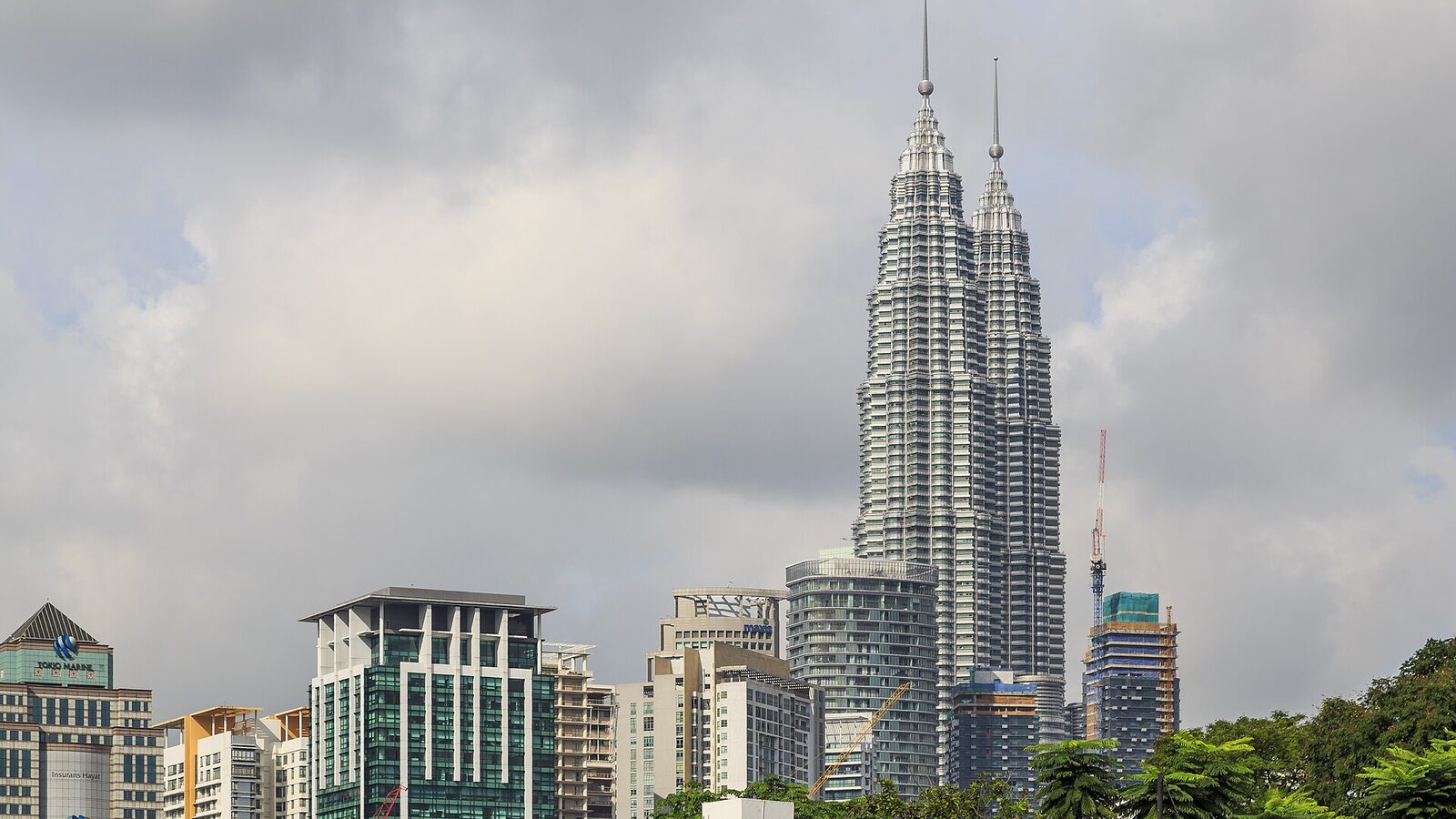
Malaysia consistently ranks high among expatriates for its blend of modern infrastructure and natural beauty. Major cities such as Kuala Lumpur and Penang offer reliable public transport, international schools, and a thriving expatriate community, while the countryside provides beaches, rainforests, and a slower pace of life. This diversity lets newcomers choose a lifestyle that matches their personal and professional goals, whether they crave urban dynamism or tranquil coastal living.
Economic stability is another draw; Malaysia’s GDP growth, diversified manufacturing base, and growing tech sector create a range of job opportunities. The country’s strategic location in Southeast Asia also serves as a gateway to neighboring markets, making it attractive for multinational professionals. Additionally, the cost of living is generally lower than in many Western nations, allowing expatriates to stretch their salaries further while enjoying a high standard of living.
Cultural openness further eases the transition. English is widely spoken in business settings and urban areas, and the government actively promotes foreign investment and skilled migration. Social customs are welcoming, with a mix of Malay, Chinese, Indian, and indigenous influences that enrich daily life. These factors together form a solid foundation for a successful move, provided you understand the procedural steps involved.
Understanding the visa landscape
Malaysia offers several visa categories tailored to different intentions, from short‑term tourism to long‑term employment. The most common pathways for expats are the Employment Pass (EP), Professional Visit Pass (PVP), and the Student Pass for those enrolled in local institutions. Each visa type has distinct eligibility criteria, processing times, and renewal requirements, so selecting the correct one early prevents costly delays.
The Employment Pass is designed for professionals with a confirmed job offer from a Malaysian employer. Applicants must meet a minimum salary threshold and possess qualifications relevant to the role. The Professional Visit Pass, by contrast, is intended for consultants, contractors, or short‑term specialists who will work on specific projects; it does not require a local salary benchmark but does need a sponsoring company. Student Passes are granted to individuals accepted into recognized Malaysian educational institutions, allowing limited work rights on campus.
Below is a quick reference comparing the three primary visa routes:
| Visa Type | Typical Duration | Main Eligibility |
|---|---|---|
| Employment Pass (EP) | 1–5 years, renewable | Job offer, minimum salary, relevant qualifications |
| Professional Visit Pass (PVP) | Up to 12 months, extendable | Sponsoring company, project‑specific role |
| Student Pass | Course length, usually 1–4 years | Admission to a recognized Malaysian institution |
Step‑by‑step timeline for securing a visa
Begin the visa process at least eight weeks before your intended arrival date. First, secure a written job offer or sponsorship; this document is the cornerstone of most work‑related applications. Once you have the offer, gather personal documents such as a passport with at least six months validity, academic transcripts, and recent photographs that meet the immigration guidelines.
Next, submit your application through the Malaysian Immigration Department’s online portal or via your employer’s designated agency. Most applications require a processing fee and may request additional information, such as a medical report or police clearance. Monitor the portal for status updates; typical processing times range from two to four weeks, but delays can occur during peak periods, so early submission is prudent.
After approval, you will receive an In‑Letter of Admission (ILA) or an approval letter, which you must present at the Malaysian embassy or consulate in your home country to obtain the actual visa sticker. Upon entry, you will collect a biometric residence permit within a week. Throughout this timeline, keep copies of every document and consider using SettleBuddy’s Visa AI module to track deadlines and generate checklist reminders automatically.
Finding housing that fits your lifestyle
Housing options in Malaysia vary widely, from high‑rise condos in Kuala Lumpur’s Golden Triangle to beachfront villas on Langkawi. Rental prices in the capital typically range from MYR 1,500 for a modest one‑bedroom unit to MYR 4,000 for a premium three‑bedroom condo with amenities. In smaller cities, costs drop by 30‑40 percent, allowing expatriates to secure larger spaces or more private houses within the same budget.
When searching for a home, prioritize proximity to work, schools, and public transport. Many employers provide relocation assistance or partner with local agents, which can streamline negotiations and reduce the risk of scams. It is advisable to view properties in person or via a trusted agent before signing a tenancy agreement, and to verify that the contract includes clear terms on deposit refunds, maintenance responsibilities, and termination clauses.
SettleBuddy’s Housing AI consolidates listings from reputable Malaysian portals, filters them based on your criteria, and even estimates utility costs for each property. The platform also offers a checklist for essential documents—such as the tenancy agreement, utility transfer forms, and inventory reports—ensuring you meet local rental standards without missing any critical steps.
Navigating the cost of living
Malaysia’s cost of living is generally lower than that of Western Europe or North America, but it varies by region and lifestyle. A typical expatriate in Kuala Lumpur might spend MYR 2,500–3,500 per month on groceries, dining, and transportation, while a family of four could see that figure rise to MYR 5,000–6,500. In Penang or Johor Bahru, the same household often saves 15‑20 percent due to cheaper housing and food markets.
Transportation costs are modest thanks to an extensive bus network and affordable ride‑hailing services. A monthly MyRapid pass in Kuala Lumpur costs around MYR 100, whereas a single ride on a ride‑hailing app averages MYR 6‑10 depending on distance. Owning a car adds expenses for fuel, insurance, and road tax, but fuel prices are among the lowest in the region, typically under MYR 2 per liter.
Utilities—electricity, water, and internet—are reasonably priced but can fluctuate with usage. Air‑conditioner‑heavy households often see electricity bills rise during the hot season, sometimes reaching MYR 300 per month. To keep expenses predictable, many expatriates opt for prepaid internet plans and monitor energy consumption through smart meters, a practice encouraged by SettleBuddy’s Cost‑Tracker feature.
Learning Bahasa Malaysia and staying connected
While English is commonly used in business and urban settings, learning basic Bahasa Malaysia dramatically improves daily interactions and cultural integration. The Language Lab, SettleBuddy’s dedicated language engine, offers tailored lessons for newcomers, focusing on practical phrases for grocery shopping, public transport, and workplace etiquette. Completing even a short A1‑level module can boost confidence and reduce reliance on translation apps.
Immersive practice accelerates proficiency. Join local community groups, attend language exchange meetups, or volunteer at events where Bahasa is the primary language. Many public libraries and community centers host free conversation circles, providing a low‑pressure environment to apply new vocabulary. Consistent exposure—such as listening to local radio or watching Malay‑language news—further solidifies comprehension.
SettleBuddy’s Language Lab also tracks your progress and suggests personalized next steps based on your daily interactions. The system can recommend nearby conversation clubs, flashcard reviews, or pronunciation drills, ensuring that language learning aligns with your relocation timeline and work schedule.
Managing your career transition
Securing employment before arrival is the simplest route, yet many expatriates also explore remote work or freelance opportunities after settling. Malaysia’s tech and manufacturing sectors actively recruit international talent, especially in fields like engineering, finance, and digital marketing. Networking platforms, such as LinkedIn and local professional associations, are valuable for identifying openings and connecting with hiring managers.
If you plan to switch careers, consider the recognition of your qualifications. Certain professions—such as medicine, law, and teaching—require registration with Malaysian regulatory bodies, which can involve additional exams or documentation. Research these requirements early and, when needed, consult a licensed professional for guidance, as SettleBuddy’s Career AI can outline the typical steps but does not replace formal legal counsel.
SettleBuddy’s Career AI consolidates job listings, matches them to your skill set, and provides templates for Malaysian-style CVs and cover letters. The tool also alerts you to upcoming industry events and workshops, helping you integrate into the local professional community while you await visa finalization.
Handling essential paperwork: taxes, health, and registrations
Upon arrival, you must register your address with the local immigration office within 14 days, a step that is often overlooked by new arrivals. The registration process requires your passport, visa approval letter, and a signed tenancy agreement. Failure to complete this step can result in fines or complications when renewing your stay.
Tax residency rules differ from those in many Western countries. If you reside in Malaysia for more than 183 days in a calendar year, you become a tax resident and are subject to progressive rates up to 30 percent on taxable income. It is advisable to consult a certified tax advisor to understand treaty benefits and filing deadlines. SettleBuddy can remind you of upcoming tax filing dates but does not replace professional advice.
Healthcare coverage is another priority. While public hospitals offer affordable services, many expatriates opt for private health insurance to ensure shorter wait times and broader provider networks. Registering for the national health scheme, MyKad, is optional for foreigners, but having a comprehensive private plan simplifies access to both public and private facilities. Keep copies of insurance certificates and emergency contacts in a digital folder organized by SettleBuddy’s Document Manager.
Common pitfalls and how to avoid them
One frequent mistake is underestimating the time required for visa processing, especially during peak recruitment seasons. To mitigate delays, start gathering documents early, double‑check that each item meets the embassy’s specifications, and maintain open communication with your employer’s HR department. Setting calendar alerts for each milestone helps keep the process on track.
Another challenge is cultural adjustment, particularly regarding workplace etiquette. Malaysians value indirect communication and hierarchical respect; speaking too directly or challenging a senior’s decision can be perceived as disrespectful. Observing local norms, asking polite clarifying questions, and allowing time for relationship building can smooth integration and prevent misunderstandings.
Lastly, many newcomers overlook the importance of a reliable local network for everyday tasks such as banking, grocery shopping, and transportation. Establishing relationships with neighbors, joining expatriate forums, and using SettleBuddy’s Community Hub to connect with other movers can provide practical tips, emergency support, and a sense of belonging during the early months.
Why a single‑system solution like SettleBuddy matters
Relocating involves juggling visas, housing contracts, language practice, and career moves—each traditionally handled by separate apps or agencies. SettleBuddy consolidates these functions into one AI‑driven OS, reducing the mental load and eliminating duplicated data entry. By centralizing your relocation timeline, you gain real‑time visibility into pending tasks and upcoming deadlines.
The platform’s modular design means you can activate only the components you need: Visa AI for paperwork, Housing AI for property searches, Language Lab for language immersion, and Career AI for job matching. This flexibility adapts to each mover’s unique path, whether they are a single professional, a family with school‑going children, or a retiree seeking a quiet beach town.
Because SettleBuddy is built specifically for relocation, its recommendations reflect real‑world scenarios—such as the average time to secure an Employment Pass in Kuala Lumpur or the typical utility costs for a two‑bedroom condo. The integrated community hub also connects you with other expatriates who have already navigated the same hurdles, turning abstract advice into actionable insight.
Where SettleBuddy comes in
SettleBuddy is the AI relocation OS for your whole move — language, visas, housing and career in one place. This part of the move is handled by SettleBuddy: the AI relocation OS for your whole move — language, visas, housing and career.
Explore SettleBuddy →Key takeaways
- Visa preparation is the first critical step; start at least eight weeks ahead and keep every document organized.
- Housing costs differ by city, but using a dedicated search tool can save both time and money.
- Learning basic Bahasa Malaysia accelerates everyday interactions and enhances cultural integration.
- Professional registration may require additional local certifications; consult licensed advisors early.
- A unified platform like SettleBuddy streamlines the entire relocation process, from paperwork to community support.
FAQ
Do I need a Malaysian sponsor to obtain an Employment Pass?
Yes, a local employer must sponsor your application and provide a formal job offer that meets the salary and qualification thresholds set by immigration authorities.
Can I work while on a Professional Visit Pass?
A Professional Visit Pass permits you to work on a specific project for the sponsoring company, but it does not allow open‑market employment or freelance work unrelated to the sponsor.
Is English sufficient for daily life in Malaysia?
English is widely used in business and urban areas, yet learning basic Bahasa Malaysia greatly improves interactions with locals, especially outside major cities.
How long does it take to become a tax resident in Malaysia?
You become a tax resident after spending more than 183 days in a calendar year in Malaysia, at which point you must file taxes according to local rates.
What support does SettleBuddy provide for language learning?
SettleBuddy’s Language Lab offers tailored lessons, progress tracking, and community suggestions, focusing on practical phrases needed for everyday life and workplace communication.