Is It Hard to Move to Netherlands? An Honest Reality Check
Moving to the Netherlands involves clear legal steps—choosing the right visa, meeting income thresholds, paying official fees, and completing registration—so with proper planning and SettleBuddy’s AI tools, the process is manageable, not impossible.
Quick answer
Moving to the Netherlands involves clear legal steps—choosing the right visa, meeting income thresholds, paying official fees, and completing registration—so with proper planning and SettleBuddy’s AI tools, the process is manageable, not impossible.
Why the Netherlands Attracts Newcomers
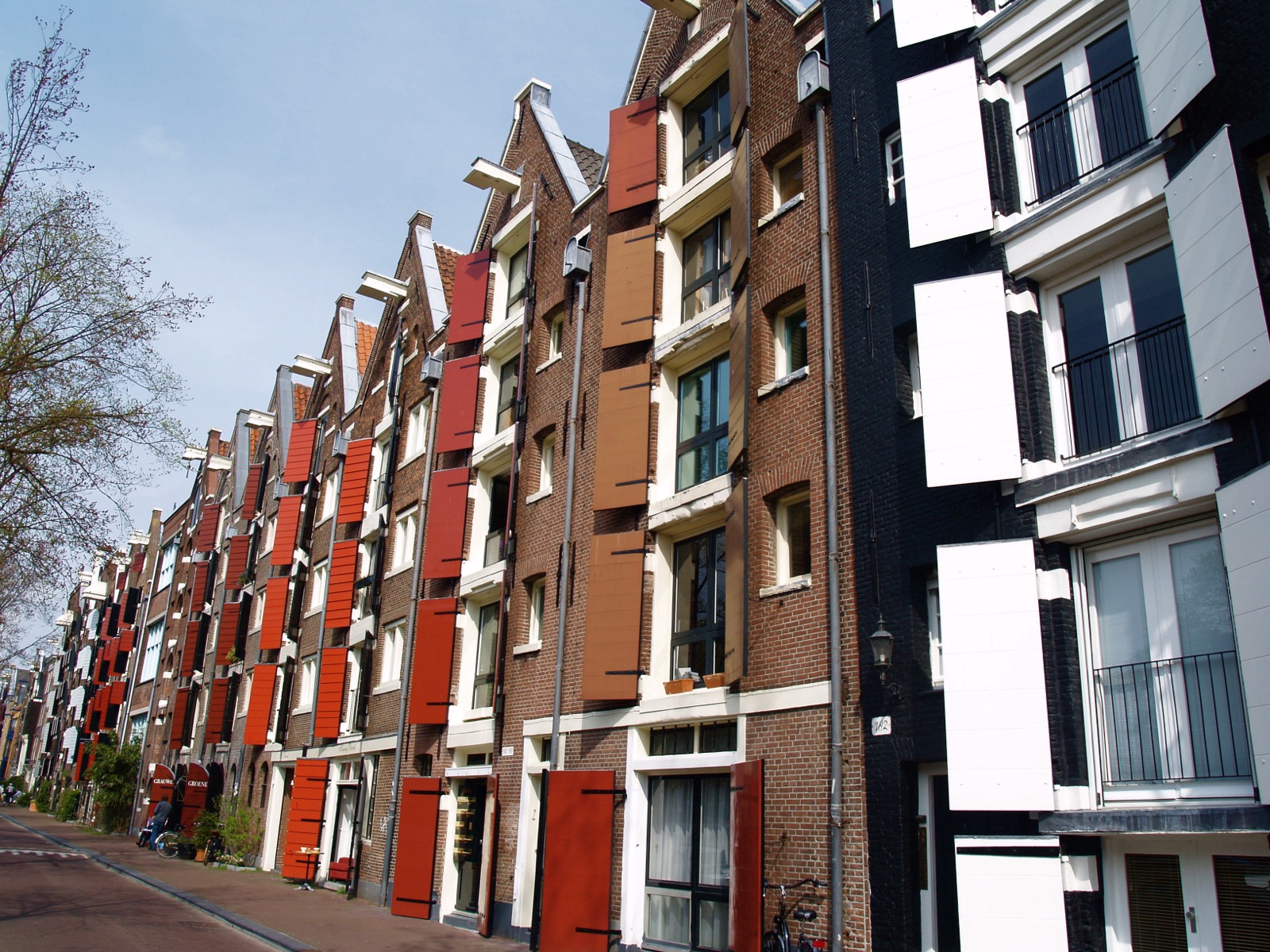
The Netherlands consistently ranks high for quality of life, offering a robust social safety net, excellent public transport, and a multilingual environment where English is widely spoken. These factors make it a magnet for professionals, students, and families seeking stability and opportunity. Yet, the allure can mask the procedural realities newcomers must navigate, from visa eligibility to bureaucratic registration, which demand careful preparation and reliable information sources.
Understanding the Dutch approach to immigration is essential because the country follows a structured, rule‑based system overseen by the Immigration and Naturalisation Service (IND). This agency defines who may stay, for how long, and under what conditions, ensuring that each applicant meets transparent criteria. Ignoring these rules can lead to delays, refusals, or even deportation, so a methodical plan is non‑negotiable for a successful move.
SettleBuddy’s Visa AI and Career AI are designed to translate these official requirements into a personalized roadmap, helping you identify the most suitable visa category, calculate required income, and track deadlines. By leveraging this technology, you reduce the risk of missing critical steps and can focus on the exciting aspects of relocation rather than paperwork.
The Legal Framework Governing Dutch Residency
The IND is the sole authority that issues residence permits for non‑EU nationals, and its website provides the definitive list of visa categories and the associated legal conditions (see [S1]). These categories are grouped into work, study, family, and other special purposes, each with its own set of documentation, sponsor requirements, and duration limits. Knowing which bucket your situation falls into is the first decisive step toward a smooth application.
For EU/EEA/Swiss citizens, the process is considerably simpler, as they benefit from freedom of movement and only need to register with the local municipality within four weeks of arrival. However, for most expatriates, a formal residence permit is mandatory, and the IND requires proof of sufficient income, health insurance, and a clean criminal record. Failure to provide any of these elements can result in a rejected application.
SettleBuddy’s Visa AI pulls the latest IND data in real time, ensuring you work with the most up‑to‑date visa options and avoid outdated advice. This AI also flags any special conditions—such as the need for a recognized sponsor for highly skilled migrants—so you can secure employer commitment before submitting paperwork.
Work‑Based Visa Pathways
Among the work‑related routes, the Highly Skilled Migrant (HSM) program is the most popular for professionals with a job offer from a recognized Dutch sponsor. The IND lists this visa alongside the European Blue Card, Intra‑corporate Transferee (ICT), Researcher, Single Permit, Self‑Employed, Start‑up, Seasonal Work, and Orientation Year programs (see [S1]). Each pathway has distinct sponsor obligations and eligibility criteria, making it vital to match your employment situation with the correct category.
The HSM route requires a minimum gross monthly salary that varies by age: €5,942.00 for applicants aged 30 and over, and €4,357.00 for those under 30 (as stipulated by the IND’s income requirements) (see [S2]). The European Blue Card follows a similar structure but includes a reduced threshold of €4,754.00 for recent graduates. These figures are expressed in social‑security wage (SV‑loon) terms and must be demonstrated through a formal employment contract.
SettleBuddy’s Career AI can evaluate your job offer against these thresholds, suggest alternative visa routes if your salary falls short, and even help you draft a sponsor request that aligns with IND expectations. This proactive approach saves time and reduces the risk of a costly re‑application.
Salary Thresholds and Financial Proof
The IND mandates that applicants prove a stable, market‑conform income before granting a work permit. For the Highly Skilled Migrant category, the required gross monthly salary is €5,942.00 for those 30 and older, and €4,357.00 for younger applicants (see [S2]). The European Blue Card has a standard threshold of €5,942.00, but a reduced amount of €4,754.00 applies to recent graduates, reflecting the policy’s flexibility for emerging talent.
Self‑Employed and Start‑up applicants must demonstrate a monthly profit of at least €1,766.77, again based on the IND’s income criteria (see [S2]). These thresholds are calculated on a social‑security wage basis, meaning the figures must be verifiable through official payroll statements, tax returns, or business accounts. Any discrepancy can trigger a refusal, so precise documentation is essential.
SettleBuddy’s Visa AI automatically calculates whether your income meets the relevant threshold and generates a checklist of required proof, such as payslips, employment contracts, or profit‑and‑loss statements. By using this tool, you avoid the common mistake of under‑estimating the documentation burden.
Step‑by‑Step Application Procedure
The IND outlines a clear sequence for residence‑permit applications: first, a recognized sponsor (usually the employer) submits the application on your behalf; second, you pay the applicable IND fee; third, you attend a biometrics appointment; fourth, the IND reviews the dossier and makes a decision; finally, you collect your residence document (see [S1]). This process is consistent across most work‑related visas, with fast‑track options available for highly skilled migrants when the sponsor is recognized.
Fees vary by visa type: €423.00 for highly skilled migrants, European Blue Card, single‑permit work, self‑employed, and start‑up applications; €254.00 for orientation year and study permits; and €85.00 for child‑under‑18 adoption or foster cases (see [S3]). These amounts are fixed for the calendar year and must be paid before the IND schedules your biometrics appointment, which you can book via the IND’s online portal.
SettleBuddy’s Visa AI tracks each milestone, sends reminders for fee payment, and even helps you book the biometrics appointment through the official IND link. By keeping every step organized, you reduce the chance of missed deadlines that could otherwise delay your move by weeks or months.
Orientation Year for Recent Graduates
The Orientation Year (zoekjaar) is a special residence permit that allows recent graduates of Dutch higher‑education institutions to stay for up to one year to search for employment or start a business. The IND requires a reduced income threshold of €3,122.00 per month (gross) for this category (see [S2]), reflecting the program’s intent to support early‑career talent while they transition into the Dutch labour market.
Applicants must pay a reduced fee of €254.00 (see [S3]) and submit proof of graduation, such as a diploma or transcript, along with evidence of sufficient financial means. The permit does not require a sponsor, but once you secure a job, you can switch to a Highly Skilled Migrant or other work visa without leaving the country, provided you meet the new salary requirements.
SettleBuddy’s Language Lab can help you improve Dutch proficiency during the orientation year, enhancing employability. Meanwhile, the Career AI can match your profile with Dutch employers looking for fresh graduates, giving you a head start on the job market.
Family Reunification Essentials
If you already hold a Dutch residence permit, you can apply for family reunification for a spouse or partner, minor children, or children born in the Netherlands. The IND charges a fee of €254.00 for partner applications and €85.00 for children under 18 who are adopted or in foster care (see [S3]). Proof of sufficient income is required, typically matching the salary thresholds for the primary permit holder.
The sponsor must demonstrate a stable income that meets the same standards as a Highly Skilled Migrant or, for lower‑income families, the minimum subsistence level set by Dutch law. Documentation includes employment contracts, recent payslips, and a rental or property agreement. The IND also requires health‑insurance coverage for each family member.
SettleBuddy’s Housing AI can assist you in finding suitable family‑friendly neighbourhoods and schools, while the Visa AI ensures your family’s applications align with the primary permit’s income proof, preventing costly rejections.
Life After Arrival: Registration and Daily Essentials
Within five days of entering the Netherlands, you must register at the local municipality (gemeente) to obtain a citizen service number (BSN). This number is essential for opening a bank account, signing a rental contract, and accessing healthcare. Bring your passport, residence permit, and proof of address—often a rental agreement or a letter from your sponsor—to the registration desk.
Health insurance is mandatory for all residents, and you must purchase a policy within four weeks of registration. The Dutch system requires you to choose a private insurer, after which you can access the universal healthcare network. Failure to obtain coverage can result in fines and may affect your residence‑permit renewal.
SettleBuddy’s Housing AI not only helps you locate a home that meets your budget but also streamlines the address verification needed for municipal registration. By integrating the address into your profile, the platform can generate the exact documents required for the BSN application, saving you time and reducing paperwork errors.
Leveraging SettleBuddy’s Suite of AI Tools
SettleBuddy offers a cohesive ecosystem of AI‑driven services that cover every phase of relocation. The Visa AI continuously syncs with the IND’s official pages, ensuring you always work with the latest fee structures and income thresholds. It also provides personalized checklists, document templates, and deadline alerts tailored to your chosen visa category.
The Housing AI, launching soon for all countries, will aggregate listings, verify landlord legitimacy, and produce a rental‑agreement summary that satisfies IND registration requirements. This eliminates the need to browse multiple external platforms and reduces the risk of fraudulent offers.
Career AI matches your professional profile with Dutch employers, while Language Lab offers interactive Dutch courses designed for newcomers. Together, these tools create a one‑stop relocation hub, turning a complex move into a manageable series of tasks supported by accurate, official data.
Common Pitfalls and How to Avoid Them
One frequent mistake is underestimating the importance of a recognized sponsor for work visas. Without an employer that is officially approved by the IND, your application will be rejected outright, regardless of salary level. Always confirm sponsor status before signing an employment contract and ask your employer to initiate the IND application on your behalf.
Another error involves neglecting the precise income thresholds. Applicants often quote annual salaries instead of the required monthly gross amounts, leading to mismatched calculations and refusal letters. Use the IND’s monthly thresholds—€5,942.00 for highly skilled migrants over 30, €4,357.00 for those under 30, and €3,122.00 for orientation‑year seekers—to verify eligibility (see [S2]).
Finally, missing the biometrics appointment or failing to bring required documents to the municipality can stall the entire process. SettleBuddy’s automated reminders and document‑check features keep you on schedule, ensuring you attend each appointment with the correct paperwork and avoid costly delays.
Final Reality Check: Is It Hard?
The short answer is that moving to the Netherlands is not impossible, but it does require diligent adherence to official IND rules, accurate financial proof, and timely completion of registration steps. By treating each requirement as a checklist item and leveraging SettleBuddy’s AI suite, you transform a potentially daunting process into a series of manageable actions.
Remember that the IND’s website remains the ultimate source of truth for visa categories, income thresholds, and fees (see [S1], [S2], [S3]). Regularly revisiting these pages ensures you stay informed about any policy updates that could affect your application. Combining this official guidance with SettleBuddy’s personalized support gives you the best chance of a smooth transition.
In practice, many newcomers find that the structured nature of Dutch immigration—clear categories, transparent thresholds, and predictable timelines—actually simplifies planning once the correct information is at hand. With the right tools and a proactive mindset, you can confidently say that moving to the Netherlands is a challenge you can meet.
| Visa Type | Key Monthly Income Threshold (EUR) |
|---|---|
| Highly Skilled Migrant (30+) | €5,942.00 |
| Highly Skilled Migrant (<30) | €4,357.00 |
| Orientation Year (Graduate) | €3,122.00 |
| European Blue Card (standard) | €5,942.00 |
| European Blue Card (graduate) | €4,754.00 |
| Self‑Employed / Start‑up | €1,766.77 |
Where SettleBuddy comes in
SettleBuddy is the AI relocation engine for your whole move — language, visas, housing and career in one place, launching for every country. Language Lab is live now; Housing AI, Visa AI and Career AI are on the way.
Explore SettleBuddy →Key takeaways
- The IND is the sole authority for Dutch residence permits; all visa rules, income thresholds, and fees come from its official pages.
- Highly Skilled Migrant visas require a gross monthly salary of €5,942.00 (30+) or €4,357.00 (<30), while the Orientation Year needs €3,122.00.
- Application steps include sponsor submission, fee payment, biometrics, IND decision, and document collection; SettleBuddy’s Visa AI tracks each milestone.
- Family reunification fees are €254.00 for partners and €85.00 for children, with income proof matching the primary permit holder’s thresholds.
- SettleBuddy’s integrated AI tools—Visa AI, Housing AI, Career AI, and Language Lab—streamline every phase, from eligibility checks to post‑arrival registration.

FAQ
Do I need a Dutch sponsor to apply for a work visa?
Yes, for most work‑related permits—including the Highly Skilled Migrant and European Blue Card—a recognized Dutch sponsor (usually your employer) must submit the application on your behalf. The sponsor’s approval is a mandatory IND requirement; without it, the application will be rejected regardless of your qualifications or salary.
What is the exact income requirement for the Orientation Year permit?
The IND stipulates a minimum gross monthly income of €3,122.00 for the Orientation Year (zoekjaar) permit (see [S2]). This amount must be demonstrated through bank statements, scholarship awards, or other verifiable financial resources. It is lower than the Highly Skilled Migrant thresholds to support recent graduates seeking Dutch employment.
How much does it cost to apply for a Highly Skilled Migrant visa?
According to the IND’s fee schedule, the application fee for a Highly Skilled Migrant visa is €423.00 (see [S3]). This fee is payable before the IND schedules your biometrics appointment and must be settled in euros via the official payment portal.
Can I bring my family with me on a work permit?
Family members—spouse or partner and minor children—can apply for reunification under your residence permit. The partner fee is €254.00, while children under 18 adopted or in foster care incur a fee of €85.00 (see [S3]). You must also meet the same income thresholds as your own permit to prove you can support them financially.
What should I do immediately after arriving in the Netherlands?
Within five days, register at your local municipality to obtain a citizen service number (BSN). Bring your passport, residence permit, and proof of address. Then secure mandatory health insurance within four weeks. These steps are essential for opening a bank account, signing a rental contract, and accessing public services.
Official sources
The regulated facts in this guide are drawn from official government sources. Rules and figures change — always confirm the current detail on the official page before you act.