Is It Hard to Move to Qatar? An Honest Reality Check
Moving to Qatar is manageable if you follow a structured plan: secure a sponsor‑backed work or business visa, prepare complete documentation, budget for housing and schooling, and use language tools to handle everyday Arabic. With the right resources, the process is straightforward rather than daunting.
Quick answer
Moving to Qatar is manageable if you follow a structured plan: secure a sponsor‑backed work or business visa, prepare complete documentation, budget for housing and schooling, and use language tools to handle everyday Arabic. With the right resources, the process is straightforward rather than daunting.
What Makes Qatar Attractive for Expats?
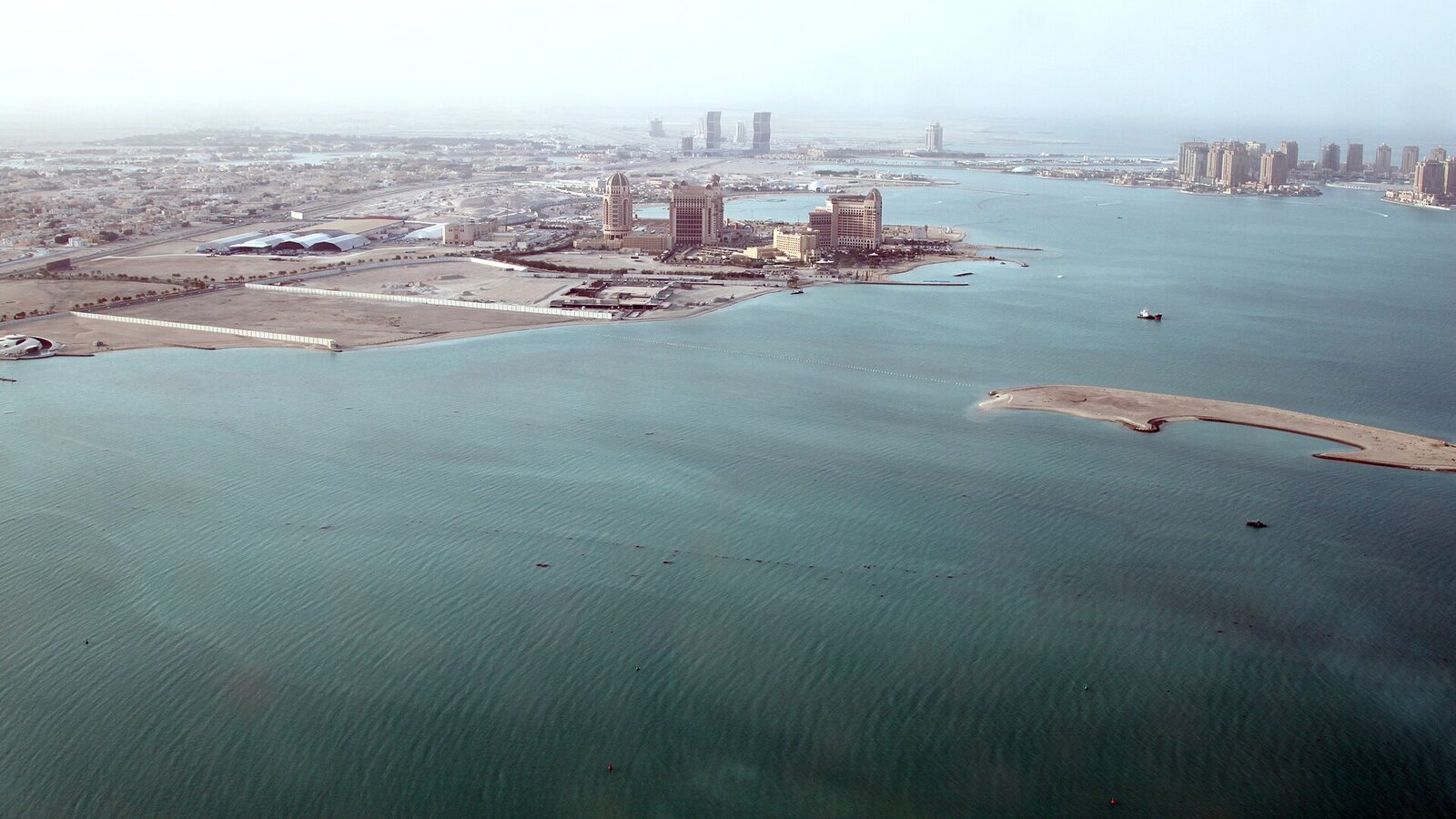
Qatar has become a magnet for professionals seeking a blend of modern infrastructure and cultural richness. The country boasts a tax‑free salary environment, world‑class healthcare, and a rapidly expanding expatriate community. Doha’s skyline, with its iconic skyscrapers and thriving business districts, signals opportunities in sectors such as energy, finance, and sport. Additionally, the government’s Vision 2030 plan promises continued investment in education and technology, making long‑term career growth plausible for newcomers.
Beyond finances, quality of life factors heavily influence relocation decisions. Qatar offers a safe environment with low crime rates and a strong rule of law, which appeals to families and single expats alike. Public transport is expanding, highlighted by the Doha Metro that links key business hubs to residential neighborhoods. Recreational options range from desert safaris to cultural festivals, ensuring leisure activities are readily available. These lifestyle benefits often outweigh the challenges of adapting to a new cultural context.
However, the rapid development also brings practical considerations. Climate is extreme, with summer temperatures regularly exceeding 40 °C, requiring adaptation in daily routines. Social customs, such as dress codes and public behavior norms, differ from many Western societies and demand respectful observance. Understanding these nuances early can prevent cultural friction and accelerate integration. This reality check helps prospective movers weigh the pros and cons before committing to a Qatar relocation.
How Strict Are Qatar’s Visa Requirements?
Qatar’s immigration framework is structured but not opaque, aiming to balance national labor needs with controlled population growth. The primary gatekeeper is the Ministry of Interior, which evaluates visa applications based on employment contracts, sponsor eligibility, and security clearances. While the process is systematic, it does not involve arbitrary discretion; instead, criteria are publicly outlined, allowing applicants to self‑assess readiness before submission. For most skilled professionals, meeting the baseline requirements is straightforward, yet thorough preparation remains essential.
One area often perceived as restrictive is the sponsorship model. A Qatari employer or a recognized institution must act as a sponsor, guaranteeing the applicant’s legal stay and providing a minimum salary threshold. This model ensures that the government can monitor labor market impact and that expatriates have a clear point of contact for visa compliance. Sponsors are obligated to maintain the employee’s residency status, which adds a layer of accountability for both parties.
Another factor is the health and security screening. Applicants undergo medical examinations to rule out communicable diseases, and background checks verify that no criminal record exists in the applicant’s home country. These checks are standard practice worldwide and serve to protect public health and safety. If any concerns arise, the Ministry may request additional documentation or delay processing, underscoring the importance of submitting complete, accurate records from the outset.
Which Visa Types Fit Common Relocation Scenarios?
Qatar offers several visa categories, each tailored to distinct relocation motives. The most common is the Work Residence Permit, granted to individuals with a confirmed job offer from a Qatari company. For entrepreneurs and investors, the Business Visa provides a pathway to establish or acquire a company, often coupled with residency privileges. Students enrolled in accredited Qatari institutions receive Student Visas, while retirees can apply for a Family Residence Permit if they join a relative already living in the country.
Below is a concise comparison of the primary visa routes, highlighting typical eligibility criteria and duration of stay. This snapshot helps prospective movers quickly identify the most suitable pathway based on their professional or personal objectives.
Choosing the right visa can be confusing, especially when personal circumstances intersect multiple categories. SettleBuddy’s Visa AI module streamlines this decision by inputting your career goals, financial profile, and family status, then recommending the optimal visa track along with a step‑by‑step checklist. By consolidating sponsorship requirements, document templates, and timeline estimates in a single dashboard, the platform reduces the risk of missed deadlines and unnecessary back‑and‑forth with immigration officials.
| Visa Type | Typical Eligibility |
|---|---|
| Work Residence Permit | Sponsorship by Qatari employer, minimum salary, contract |
| Business Investor Visa | Ownership of ≥ 25% of a Qatari company, investment capital |
| Student Visa | Enrollment in accredited Qatari university, proof of tuition payment |
| Family Residence Permit | Join a direct family member holding a valid Qatar residence |
| Remote Work Visa | Proof of remote income, professional qualifications, health insurance |
What Documentation Do You Need to Prepare?
The cornerstone of a successful Qatar visa application is a well‑organized document package. Core items include a valid passport with at least six months remaining, a signed employment contract or business registration certificate, and a recent passport‑size photograph that meets Ministry specifications. Additionally, applicants must provide proof of educational qualifications, such as degree certificates, especially for professional or student visas.
Financial documentation is equally critical. For work visas, the sponsor’s salary slip and bank statements confirming the salary threshold are required. Business investors must submit audited financial statements and evidence of capital injection. In all cases, a clean criminal record certificate from your home country, authenticated and translated into Arabic or English, is mandatory. Failure to provide notarized translations can cause processing delays.
Health clearance forms the final piece of the puzzle. A medical report from an approved clinic, covering blood tests, chest X‑ray, and HIV screening, must accompany the application. Some applicants also need a vaccination record, particularly for diseases prevalent in the region. Keeping digital copies of each document in a cloud folder ensures easy retrieval when the Visa AI prompts you for updates, a workflow supported by SettleBuddy’s secure document hub.
How Long Does the Visa Process Typically Take?
Processing timelines for Qatar visas vary by category and the completeness of your submission. Work Residence Permits typically clear within two to four weeks after the sponsor files the application, assuming all medical and background checks are unproblematic. Business Investor Visas may require an extra week for financial verification, while Student Visas often align with academic calendar deadlines, taking three to six weeks.
Seasonal fluctuations can affect speed. During the peak recruitment periods—usually early in the calendar year and before the start of the academic year—government offices experience higher volumes, potentially extending processing by a week or two. Conversely, applications submitted during quieter months may benefit from faster turnaround. Monitoring these patterns helps applicants plan their move more accurately.
To mitigate uncertainty, many relocators set buffer periods in their project timelines. For example, a professional aiming to start a new job on March 1 should submit the visa request by early January, allowing at least six weeks for approval and subsequent residency card issuance. SettleBuddy’s timeline planner automatically calculates such buffers based on your target start date, sending reminders well before critical milestones.
Finding Housing: Options and Pitfalls
Securing suitable housing is a pivotal step once your visa is approved. Doha’s residential landscape ranges from high‑rise apartments in the West Bay district to family‑friendly villas in Al Wakra and The Pearl. Rental contracts generally span one year, with a security deposit equal to one month’s rent, and utilities are billed separately. Prices are influenced by proximity to business hubs, schools, and public transport links.
Expatriates often face the “chicken‑and‑egg” dilemma of needing a lease to obtain a residence permit while also requiring the permit to sign a lease. To navigate this, many use short‑term serviced apartments as a temporary foothold while scouting longer‑term options. Real‑estate agents familiar with expat needs can negotiate flexible lease terms, but it’s essential to verify that the property is registered with the Ministry of Municipality for legal compliance.
SettleBuddy’s Housing AI simplifies this process by matching your budget, family size, and preferred commute time with vetted listings across Doha. The tool also flags properties that meet residency registration criteria, reducing the risk of illegal rentals. By consolidating viewings, lease negotiations, and utility setup in one platform, you save weeks of coordination and can focus on settling into your new community.
Understanding the Cost of Living and Budgeting
Understanding Qatar’s cost of living helps you set realistic budgeting expectations. While salaries are tax‑free, expenses such as housing, schooling, and transportation can be higher than in many Western cities. A one‑bedroom apartment in the city centre typically costs between QAR 5,000–7,000 per month, whereas a similar unit in suburban areas may range from QAR 3,000–4,500.
Education is a major budget item for families. International schools, which follow curricula like the British or International Baccalaureate, charge annual tuition between QAR 30,000 and QAR 80,000, depending on grade level and school reputation. Public schools are free for Qatari nationals but not available to most expatriates, making private schooling the default choice for children.
Transportation costs are moderated by the extensive public transit network, including the Doha Metro and bus system, both offering affordable monthly passes. However, many expats prefer owning a car, which introduces fuel, insurance, and parking expenses. By mapping daily commute distances in SettleBuddy’s career planning module, you can estimate realistic transportation budgets and decide whether public transit or personal vehicle best fits your lifestyle.
Navigating Employment and Work Permits
Employment in Qatar is dominated by sectors such as oil and gas, construction, finance, and increasingly, technology and education. Most employers sponsor the Work Residence Permit, handling the majority of paperwork through their HR departments. Nevertheless, applicants should verify that the sponsor’s license is active and that the position meets the minimum salary threshold set by the Ministry of Labour.
For professionals seeking flexibility, Qatar introduced a Remote Work Visa that allows individuals to live in the country while working for overseas employers. To qualify, you must demonstrate a minimum monthly income, typically proven through bank statements, and possess health insurance that covers your stay. This option expands the pool of candidates who can enjoy Qatar’s lifestyle without a local employer.
Career advancement often hinges on networking and local accreditation. Joining industry‑specific associations, attending Doha’s annual conferences, and obtaining Qatar‑recognized certifications can enhance your marketability. SettleBuddy’s Career AI integrates these factors, suggesting relevant professional bodies, upcoming events, and required credential upgrades, thereby aligning your skill set with the local job market demands.
Language Challenges and How to Overcome Them
Arabic is the official language of Qatar, and while English is widely spoken in business and tourism, everyday interactions—such as reading utility bills or navigating government portals—frequently require basic Arabic comprehension. Mastery of common phrases like “Marhaba” (hello) and “Shukran” (thank you) fosters goodwill and eases daily life.
The CEFR framework provides a clear roadmap for language acquisition. Achieving an A2 level enables you to handle simple transactions, whereas B1 proficiency allows more confident participation in community activities. Structured study, combined with immersion—listening to local radio, practicing with native speakers, and using language‑learning apps—accelerates progress. Consistency, even 15 minutes a day, yields noticeable improvement over a few months.
SettleBuddy’s Language Lab, built specifically for movers, offers 50 curated language tracks that focus on relocation‑relevant vocabulary, cultural etiquette, and real‑world dialogues. Unlike generic language platforms, the Lab aligns lessons with the visa, housing, and career modules, ensuring that the words you learn directly support your relocation tasks. This integrated approach shortens the time needed to become functional in Arabic, smoothing the transition.
Final Checklist: From Arrival to Settlement
Before you board your flight, verify that all visa approvals, residency cards, and essential documents are stored both physically and digitally. Pack a “move kit” containing copies of your passport, visa, employment contract, medical clearance, and emergency contacts. Arrange for an international health insurance policy that meets Qatar’s standards, and schedule a virtual orientation with your SettleBuddy advisor to review arrival procedures.
Upon arrival, prioritize obtaining your Qatar ID card within the first week, as it unlocks banking services, mobile phone activation, and official entry into the country. Register your address with the Ministry of Interior, set up utility accounts, and confirm your housing lease. Simultaneously, begin networking through professional groups and community events to embed yourself socially and professionally.
The first three months are critical for long‑term settlement. Track your budget against actual expenses, continue language practice, and assess your career trajectory using SettleBuddy’s integrated dashboard. Regularly review your visa status and any upcoming renewal deadlines to avoid surprise complications. By following this structured roadmap, you transform the perceived difficulty of moving to Qatar into a manageable, rewarding experience.
Where SettleBuddy comes in
SettleBuddy is the AI relocation OS for your whole move — language, visas, housing and career in one place. This part of the move is handled by SettleBuddy: the AI relocation OS for your whole move — language, visas, housing and career.
Explore SettleBuddy →Key takeaways
- Qatar offers tax‑free salaries and modern infrastructure, making it financially attractive for skilled professionals.
- Visa success hinges on a sponsor, complete documentation, and meeting health and security screenings.
- Housing can be secured faster by using short‑term rentals as a bridge to longer leases, and by verifying registration compliance.
- Cost of living, especially education and housing, requires careful budgeting despite the absence of income tax.
- Integrated tools like SettleBuddy’s Visa, Housing, Career, and Language Lab streamline the entire relocation process.
FAQ
Do I need a Qatari sponsor to obtain a work visa?
Yes, a Qatari employer or recognized institution must act as a sponsor, providing a contract that meets the Ministry’s salary threshold.
Can I live in Qatar while working for a foreign company?
Qatar offers a Remote Work Visa for individuals who can demonstrate a minimum monthly income and have appropriate health insurance.
How long does it take to receive a Qatar residence card after visa approval?
Typically, the residence card is issued within one to two weeks after visa approval, provided the biometric and medical requirements are satisfied.
Is Arabic required for daily life in Qatar?
English is common in business settings, but basic Arabic helps with everyday tasks like reading utility bills and interacting with government services.
Where can I find reliable housing listings as an expat?
SettleBuddy’s Housing AI curates vetted listings that meet residency registration criteria, simplifying the search and lease negotiation process.