SettleBuddy
Journal / moving

Is It Hard to Move to Thailand? An Honest Reality Check

By the SettleBuddy editorial teamUpdated 19 July 20268 min read

Moving to Thailand is manageable if you break it into clear steps—securing the right visa, budgeting for cost of living, learning basic Thai, and using an integrated relocation platform like SettleBuddy to coordinate language, visas, housing, and career moves.

Quick answer

Moving to Thailand is manageable if you break it into clear steps—securing the right visa, budgeting for cost of living, learning basic Thai, and using an integrated relocation platform like SettleBuddy to coordinate language, visas, housing, and career moves.

What Does “Hard” Really Mean When Moving to Thailand?

Difficulty is a relative term that depends on your starting point, resources, and willingness to adapt. For most newcomers, the biggest hurdles are paperwork, cultural nuance, and finding reliable housing. Each of these elements can be tackled with a systematic approach, turning what feels overwhelming into a series of achievable tasks that you can schedule and track.

Many people assume that moving abroad is either a seamless adventure or an insurmountable obstacle. In reality, the experience sits somewhere in between. You’ll encounter moments of bureaucracy, such as visa renewals, as well as rewarding experiences like tasting authentic street food. Recognizing that challenges are normal helps you stay motivated and avoid unnecessary stress.

Because the relocation journey involves multiple moving parts, an integrated tool that ties language learning, visa management, housing search, and career planning together can dramatically reduce friction. SettleBuddy provides that one‑system answer, letting you focus on living your new Thai life rather than juggling disparate apps and services.

Understanding the Thai Visa Landscape

Thailand offers several visa categories suited to different intentions: Tourist visas for short stays, Non‑Immigrant B for employment, ED for education, and Retirement O‑A for those over 50. Each category defines how long you can stay, whether you can work, and the renewal process. Knowing which visa aligns with your purpose is the first decisive step.

The application process typically requires a passport valid for at least six months, a completed form, recent photos, proof of financial means, and a letter of acceptance or employment contract depending on the visa type. Processing times range from a few days at the Thai embassy to several weeks for more complex permits, so start early to avoid last‑minute surprises.

Common pitfalls include underestimating the required bank balance, missing a required medical certificate, or failing to register your address within 24 hours of arrival. While this guide outlines procedural basics, always route detailed legal questions to a licensed immigration professional to ensure compliance with Thai regulations.

Language Barriers and the Role of Language Lab

Thai uses its own script and tonal system, which can feel intimidating at first glance. The language is officially mapped to the CEFR framework, ranging from A1 (basic greetings) to C2 (full professional fluency). Even mastering A2 level—simple daily interactions—greatly improves your confidence when navigating markets, public transport, and government offices.

Functional Thai is especially valuable when bargaining at a floating market or ordering at a street stall, where a few correctly pronounced words can secure a better price and a friendlier exchange. Many expats report that learning key phrases reduces reliance on translation apps and fosters genuine connections with locals.

Language Lab, built by SettleBuddy, is designed specifically for movers. It tailors lessons to relocation scenarios—rent negotiations, visa interviews, and workplace communication—so you practice language that matters the most. Integrating Language Lab into your overall move plan ensures you progress in parallel with visa and housing milestones.

Cost of Living vs. Income: Budgeting for a Thai Life

A typical expatriate budget in Bangkok might include rent of 15,000–30,000 THB for a one‑bedroom condo, groceries around 8,000–12,000 THB, and transportation at 2,000–4,000 THB per month. In smaller cities like Chiang Mai, these figures can shrink by 30‑40 percent, offering more space for the same budget.

Salary expectations vary widely: multinational firms often pay in USD or EUR, ranging from 2,000 to 5,000 USD per month, while local Thai companies tend to offer lower wages but provide benefits such as housing allowances. Remote work for foreign clients can bridge the income gap, especially if you maintain a strong professional profile.

Creating a realistic budget involves tracking fixed costs, estimating variable expenses, and setting aside an emergency fund equal to three months of living costs. SettleBuddy’s budgeting module lets you input anticipated expenses and monitor actual spending, helping you stay on track and adjust as needed throughout your relocation.

Finding Housing: From Bangkok to Chiang Mai

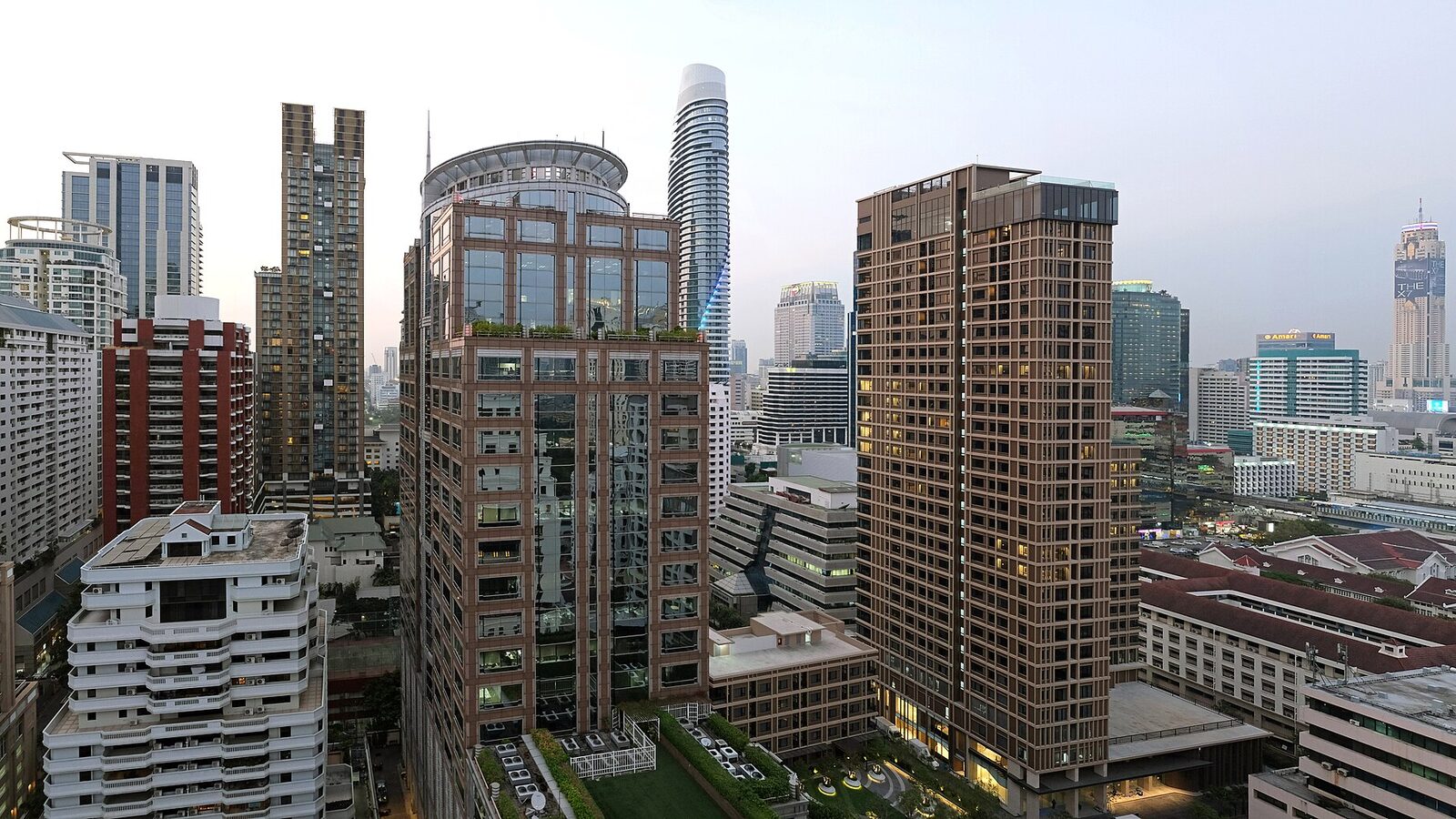
Rental markets differ by region: Bangkok’s high‑rise condos dominate the central district, while Chiang Mai offers detached houses and garden apartments at lower price points. Leases generally run for one year, with a security deposit equivalent to two months’ rent. Understanding local norms prevents surprises when signing contracts.

Start your search on reputable platforms, then narrow choices by visiting neighborhoods in person or via virtual tours. Required documents include a copy of your passport, visa copy, and sometimes a reference letter from your employer. Engaging a trusted local agent can expedite negotiations and clarify any ambiguous clauses in Thai rental contracts.

When negotiating, ask about utility inclusions, maintenance fees, and the possibility of early termination. Many landlords are flexible if you demonstrate a stable visa status and reliable income. Planning your move timeline—allowing two to three weeks for lease signing, utility setup, and furniture delivery—ensures a smooth transition into your new home.

Employment and Career Transition

A work permit is mandatory for anyone earning a salary in Thailand. It is linked to your Non‑Immigrant B visa and requires a sponsoring employer, a medical certificate, and a tax ID. The permit process typically takes two to four weeks after your employer submits the paperwork to the Ministry of Labour.

Job seekers often explore English‑teaching positions, tourism roles, and tech‑related jobs in Bangkok’s growing startup scene. Remote work remains popular, allowing you to keep a foreign salary while enjoying Thai living costs. Networking events, LinkedIn groups, and local recruitment agencies are effective channels for uncovering hidden opportunities.

SettleBuddy’s Career AI analyzes your skill set, matches you with openings that meet visa requirements, and offers interview preparation in Thai. By consolidating job search, visa coordination, and relocation logistics, the platform reduces the friction that typically slows down an international career move.

Cultural Adaptation and Social Integration

Thai culture emphasizes respect, hierarchy, and the concept of “saving face.” The traditional greeting, the wai, involves placing your palms together and bowing slightly. Understanding these subtleties helps you navigate both professional settings and everyday interactions without unintentionally causing offense.

Festivals such as Songkran (Thai New Year) and Loy Krathong (floating lanterns) are opportunities to experience community spirit. Participating in local customs—like removing shoes before entering a home or offering a small gift when visiting a temple—signals your willingness to integrate and often leads to friendships with Thai neighbors.

Joining expat clubs, language exchange meetups, and volunteer groups accelerates your social network. SettleBuddy’s community feature connects you with movers who share similar timelines, enabling you to exchange advice, attend events together, and build a support system that eases cultural adjustment.

Healthcare and Insurance Essentials

Thailand’s healthcare system offers high‑quality private hospitals in major cities, often at a fraction of Western costs. Public hospitals provide affordable care but may have longer wait times and limited English-speaking staff. Understanding where to go for routine versus emergency care is crucial for peace of mind.

Expat insurance policies typically cover both inpatient and outpatient services, with options ranging from basic local plans to comprehensive international coverage. Some visa categories, such as the retirement O‑A, require proof of health insurance, making it a mandatory step in the relocation checklist.

Managing appointments and medical records can be streamlined through SettleBuddy’s health module, which stores insurance details, tracks vaccination schedules, and reminds you of upcoming check‑ups. This centralized approach prevents missed appointments and simplifies interactions with Thai healthcare providers.

Practical Checklist and Timeline

Organizing your move into phases helps you stay on top of each requirement without feeling overwhelmed. The pre‑departure stage focuses on documentation, while the first month after arrival deals with settling logistics. By the three‑to‑six‑month mark, you’ll be establishing routines and deepening community ties.

table

Phase Key Tasks Typical Timeframe Pre‑Departure Secure visa, arrange health insurance, start Language Lab lessons 2–3 months before arrival First Month Register address, open local bank account, find short‑term housing 0–4 weeks after arrival 3–6 Months Sign long‑term lease, obtain work permit, integrate into community 1–6 months after arrival

Sticking to the timeline reduces last‑minute scrambling. Regularly review your progress in SettleBuddy’s dashboard, ticking off completed items and adjusting deadlines as needed. The visual overview keeps you accountable and highlights any gaps—such as missing a visa renewal—before they become critical issues.

Final Thoughts and Next Steps

Moving to Thailand is not inherently “hard,” but it does require thoughtful planning across visas, language, housing, and career. By breaking the process into manageable milestones and leveraging tools that unify these elements, you can transform uncertainty into confidence and enjoy a smoother transition.

SettleBuddy serves as the all‑in‑one relocation OS that synchronizes language learning, visa tracking, housing search, and career development. Using a single platform eliminates the need to juggle multiple apps, allowing you to focus on living your new Thai life rather than managing scattered spreadsheets.

If you’re ready to start, sign up for SettleBuddy’s early access, begin a Language Lab module tailored to everyday Thai, and follow the checklist outlined above. The journey becomes far less daunting when you have a clear roadmap and a supportive community guiding each step.

Where SettleBuddy comes in

SettleBuddy is the AI relocation OS for your whole move — language, visas, housing and career in one place. This part of the move is handled by SettleBuddy: the AI relocation OS for your whole move — language, visas, housing and career.

Explore SettleBuddy →

Key takeaways

FAQ

Do I need a Thai language skill to obtain a work visa?

A work visa does not require Thai language proficiency, but basic communication skills (A2 level) help during the interview and daily life. SettleBuddy’s Language Lab can prepare you for the specific language needs of the workplace.

Can I rent a property before arriving in Thailand?

Yes, many landlords accept online deposits and lease agreements, especially for short‑term rentals. However, signing a long‑term lease usually requires your passport and visa copy, so plan to finalize the agreement after arrival.

What is the typical processing time for a Non‑Immigrant B visa?

Processing can range from a few days at a Thai embassy to several weeks, depending on the country of application and the completeness of your documentation. Start the process at least two months before your intended move.

Is health insurance mandatory for all visa types?

While not all visas mandate insurance, many long‑term categories—such as the retirement O‑A—require proof of coverage. Even if not compulsory, securing health insurance protects you from unexpected medical costs.

How does SettleBuddy help with the relocation timeline?

SettleBuddy provides a visual dashboard that lists each relocation task, assigns deadlines, and sends reminders. Its integrated modules keep language learning, visa status, housing search, and career planning aligned in one place.

© 2026 SettleBuddy Technologies JournalLanguage LabInstagramFacebookXImprint