SettleBuddy
Journal / moving

Is It Hard to Move to Vietnam? An Honest Reality Check

By the SettleBuddy editorial teamUpdated 19 July 20269 min read

Moving to Vietnam is manageable with clear planning: obtain the right visa, learn basic Vietnamese, secure housing, and understand local costs. Using an all‑in‑one tool like SettleBuddy simplifies each phase, turning a potentially complex process into a step‑by‑step journey.

Quick answer

Moving to Vietnam is manageable with clear planning: obtain the right visa, learn basic Vietnamese, secure housing, and understand local costs. Using an all‑in‑one tool like SettleBuddy simplifies each phase, turning a potentially complex process into a step‑by‑step journey.

What makes moving to Vietnam unique?

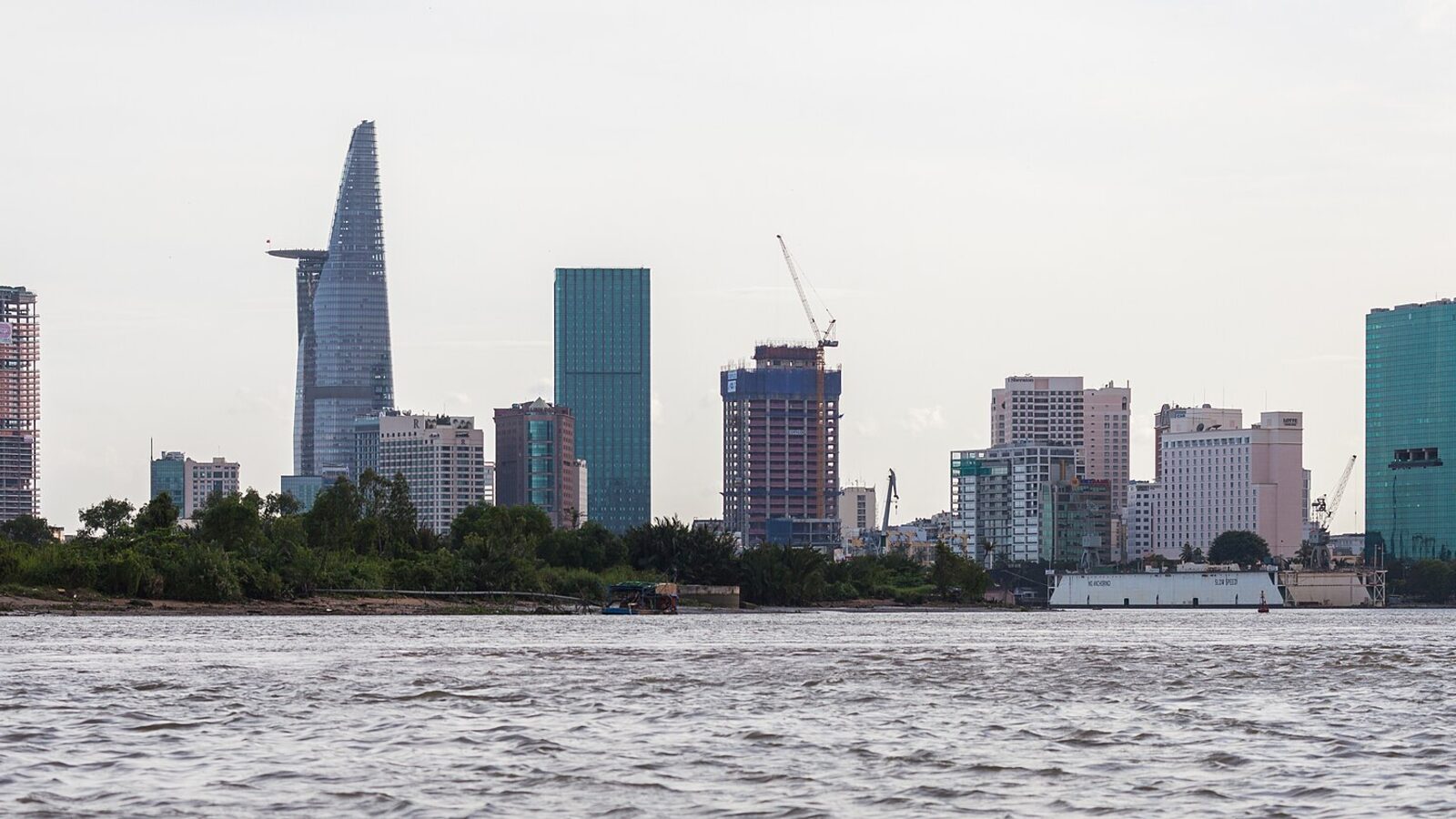
Vietnam's blend of bustling cities, lush coastlines, and affordable living draws a diverse crowd of digital nomads, retirees, and families each year. Hanoi's historic Old Quarter sits beside modern tech hubs, while Ho Chi Minh City pulses with start‑up energy. The country’s visa‑friendly policies, relatively low cost of living, and vibrant street‑food culture make it an attractive destination for those seeking a fresh start in Southeast Asia.

At the same time, newcomers often encounter bureaucratic nuances that differ from Western norms. Paperwork for visas, work permits, and residency can require multiple visits to government offices, and language barriers may slow communication. Understanding local expectations around contracts, utilities, and community etiquette is essential to avoid costly misunderstandings and to settle in smoothly.

Because Vietnam sits at the crossroads of rapid economic growth and deep‑rooted tradition, the relocation experience is a mix of opportunity and adaptation. Recognizing both the appealing lifestyle factors and the logistical hurdles equips you with realistic expectations, allowing you to plan ahead rather than reacting to surprises after arrival.

Which visa do I need and how do I apply?

Vietnam offers several visa categories, each designed for a specific purpose and length of stay. The most common entry points are the Tourist Visa for short visits, Business Visa for meetings and conferences, Work Visa for salaried employment, and Student Visa for formal education. Choosing the correct visa hinges on your primary activity and the duration you intend to remain in the country.

Visa Type Typical Duration Key Requirements Tourist Up to 30 days (extendable) Passport, online approval code, proof of onward travel Business 30‑90 days (extendable) Invitation from a Vietnamese company, passport, approval letter Work Up to 2 years (renewable) Signed employment contract, labor approval, health certificate Student Length of study program Letter of acceptance from a Vietnamese institution, proof of funds

Application processes vary: many visas can be secured online through Vietnam’s e‑visa portal, while others require a visit to the nearest Vietnamese embassy or consulate. Gather all supporting documents early, double‑check expiration dates, and keep digital copies for reference. Because immigration law is regulated, always route detailed legal queries to a licensed immigration attorney or accredited consultant.

Do I need to learn Vietnamese before I go?

While English is increasingly common in tourist zones and among younger professionals, everyday interactions—such as renting an apartment, navigating public transport, or ordering food—rely heavily on Vietnamese. Mastering basic greetings, numbers, and polite phrases dramatically reduces friction and signals respect, helping you integrate faster and avoid common misunderstandings.

Language Lab, SettleBuddy’s dedicated language‑learning engine, tailors lessons to relocation scenarios. Courses focus on real‑world dialogues like “signing a lease” or “visiting a doctor,” aligning vocabulary with the exact moments you’ll encounter them. The platform tracks progress, adapts difficulty, and offers pronunciation feedback, making it a practical companion for anyone planning a move to Vietnam.

Even a modest commitment—30 minutes of practice daily—can get you to a functional level within a few weeks. Pair digital study with local immersion: attend community meet‑ups, watch Vietnamese news, and use language‑exchange apps. The confidence gained from speaking the local tongue often opens doors to networking and cultural experiences that would otherwise remain hidden.

Finding a place to live in Vietnam

Vietnam’s rental market is vibrant and varies sharply between regions. In Hanoi, historic French‑colonial apartments sit alongside modern high‑rise condos, while Ho Chi Minh City offers everything from compact studio units in District 1 to spacious family homes in Phú Nhuận. Prices are generally lower than in many Western capitals, but they fluctuate with proximity to business districts and expatriate hubs.

Popular neighborhoods for newcomers include Đống Đa in Hanoi for its blend of quiet streets and easy metro access, and Thảo Đình for families seeking international schools. In Ho Chi Minh City, District 2’s Thảo Đình and District 7’s Phú Mỹ are known for expat‑friendly amenities, green spaces, and reliable internet—a key factor for remote workers.

SettleBuddy’s Housing AI streamlines the search by matching your budget, preferred city, and lifestyle criteria with up‑to‑date listings. The system also flags lease terms, utility costs, and nearby transport links, providing a single dashboard that eliminates the need to juggle multiple websites or local agents.

Job market and work permits

Vietnam’s economy is expanding rapidly, especially in technology, manufacturing, and tourism. Multinational firms and thriving start‑ups alike seek English‑speaking talent for roles in software development, marketing, and finance. While local language skills are advantageous, many positions accept candidates who can communicate effectively in English and are willing to learn Vietnamese on the job.

Securing a work permit involves a multi‑step process: your employer must first obtain a labor‑registration certificate, then you’ll need a health check, a criminal‑record check, and finally the actual work visa. The permit typically lasts up to two years and can be renewed, but each renewal requires updated documentation and a fee. Planning ahead prevents gaps in legal status.

SettleBuddy’s Career AI assists by scanning job portals for roles that match your skill set, preparing resume templates tailored to Vietnamese recruiters, and outlining the exact work‑permit steps for each employer. This integrated approach reduces the guesswork that often stalls international job searches.

Budgeting for daily life

One of Vietnam’s strongest draws is its cost‑of‑living advantage. A single expatriate can comfortably cover rent, groceries, transportation, and leisure on a modest monthly budget, especially outside the central business districts. Dining at local street stalls may cost under US$2 per meal, while a mid‑range restaurant dinner typically falls between US$5 and US$10 per person.

Utilities such as electricity and water are billed based on consumption; air‑conditioning in tropical months can raise electricity bills, so budgeting an extra 10‑15 % for utilities is prudent. Public transport—including motorbike taxis, buses, and the new metro lines—remains inexpensive, with most rides under US$0.50. International flights and occasional trips abroad will represent the larger expenses.

To avoid surprise shortfalls, create a spreadsheet that categorizes fixed costs (rent, insurance) and variable costs (food, entertainment). Track actual spending for the first month and adjust estimates accordingly. Many expatriates find that a monthly budget of US$1,200–$1,800 provides a comfortable lifestyle in major cities, while smaller towns can be managed with less.

Healthcare and insurance

Vietnam’s healthcare system comprises public hospitals, private clinics, and international hospitals catering to expatriates. Public facilities offer low fees but may have language barriers and longer wait times. Private hospitals, especially in Hanoi and Ho Chi Minh City, provide English‑speaking staff, modern equipment, and faster service, though they come at higher costs comparable to regional standards.

Health insurance is highly recommended for long‑term stays. International policies cover emergency evacuations and treatment at private hospitals, while locally‑issued plans often include routine check‑ups and prescription drugs at a fraction of the price. Review policy exclusions carefully—some plans limit coverage for pre‑existing conditions or specific medical procedures.

When you arrive, schedule a basic health check at a reputable clinic to establish a medical baseline and obtain any required vaccinations. Keep digital copies of your insurance card and emergency contacts on your phone. SettleBuddy’s onboarding checklist includes a reminder to secure appropriate coverage, ensuring you are protected before any medical need arises.

Cultural adjustment and everyday etiquette

Vietnamese culture places strong emphasis on respect, community, and harmony. Simple gestures—such as greeting elders with a slight bow, removing shoes before entering a home, and using both hands when handing over an item—communicate courtesy and are widely appreciated. Public displays of affection are less common, and it’s best to observe local norms in shared spaces.

Food is central to social life; sharing dishes is a sign of camaraderie. When invited to a Vietnamese household, it’s polite to try every item on the table, even if you’re unfamiliar with the flavors. Accepting a cup of tea or coffee often signals a pause in conversation, so use these moments to ask follow‑up questions and deepen connections.

Adjusting to the rhythm of life—where traffic can be chaotic, and daily schedules may shift with seasonal festivals—requires patience. Embrace the slower pace during traditional holidays like Tet, Vietnam’s Lunar New Year, when businesses close and families gather. Participation in local celebrations not only enriches your experience but also helps you build a supportive network.

Step‑by‑step timeline and checklist

A practical timeline condenses the relocation process into manageable phases. Six months before departure, research visa options, begin language basics, and assess job prospects. Three months out, gather required documents, apply for the appropriate visa, and secure temporary accommodation. One month prior, finalize housing, arrange international shipping, and confirm health insurance.

The checklist includes concrete items: (1) Verify passport validity for at least six months; (2) Obtain a criminal‑record check and health certificate; (3) Submit visa application with supporting letters; (4) Open a Vietnamese bank account or arrange a reliable money‑transfer solution; (5) Register your address with local authorities within 48 hours of arrival; (6) Schedule a medical check‑up; (7) Set up utilities and internet.

SettleBuddy consolidates every line item into a single interactive planner, sending automated reminders and linking directly to required forms. By following the platform’s timeline, you reduce the risk of missed deadlines and gain visibility into each step’s status, turning a potentially overwhelming project into a clear, progressive workflow.

Why a single AI platform simplifies the move

Relocating typically involves juggling language apps, visa services, housing portals, and job boards—each with its own interface, support system, and data silos. This fragmentation can cause redundant effort, missed deadlines, and information overload, especially for first‑time movers who lack local contacts.

SettleBuddy offers an all‑in‑one AI‑driven OS that synchronizes language learning, visa guidance, housing search, and career planning into a unified dashboard. The platform’s contextual engine adapts recommendations based on your progress, such as suggesting specific lease terms after your visa is approved, or offering interview prep once a job match appears. This holistic approach eliminates the need to switch between unrelated tools.

By centralizing data, SettleBuddy also enhances security and accuracy: personal documents are stored encrypted, deadlines are auto‑tracked, and real‑time updates reflect changes in immigration policy. For anyone questioning whether moving to Vietnam is hard, the answer becomes clearer—strategic planning powered by a single, purpose‑built system makes the journey far more attainable.

Where SettleBuddy comes in

SettleBuddy is the AI relocation OS for your whole move — language, visas, housing and career in one place. This part of the move is handled by SettleBuddy: the AI relocation OS for your whole move — language, visas, housing and career.

Explore SettleBuddy →

Key takeaways

FAQ

Do I need a visa to stay in Vietnam for more than three months?

Yes. Stays longer than 30 days generally require a Business, Work, or Student visa, each with its own documentation. Apply well in advance, as processing times can vary.

Is English commonly spoken in Vietnam?

English is common in tourist areas, international schools, and among younger professionals, but daily life often relies on Vietnamese. Learning key phrases eases interactions and shows respect.

Can I open a bank account as a foreigner?

Foreigners can open accounts at major banks once they have a visa and a local address. Required documents typically include passport, visa, and proof of residence.

How long does it take to get a work permit?

The process usually takes several weeks, depending on employer preparation and government workload. Your employer must first obtain a labor‑registration certificate before you can apply for the permit.

What is the safest way to move personal belongings to Vietnam?

Use reputable international movers with experience in Southeast Asia, and insure the shipment. Pack valuables separately, and keep an inventory list to track items during transit.

© 2026 SettleBuddy Technologies JournalLanguage LabInstagramFacebookXImprint