Moving to Argentina 2026: Residency Routes for Americans
For a US citizen, a move to Argentina can begin with a visa-free visit and continue with a residence application to the National Directorate of Migration (DNM). Argentina has three residence categories, and the routes in this guide lead to temporary residence, which gives a temporary national identity document (DNI). This guide explains the categories, the routes that fit Americans, the documents, the fees and the deadlines, as published by the DNM and Argentina's Foreign Ministry and read on 14 October 2026.
Quick answer
Yes, a US citizen can move to Argentina. The DNM's visa table shows no visa requirement for US ordinary passports, and a tourist stay is authorised for up to three months, extendable once by a similar period. To live there, apply for temporary residence, granted for up to three years depending on the route, for example as a rentista or pensioner with income of at least five times the minimum wage (5 Salarios Mínimo Vital y Móvil), or as a contracted worker. The DNM fee for non-Mercosur citizens is 100 UMSM.
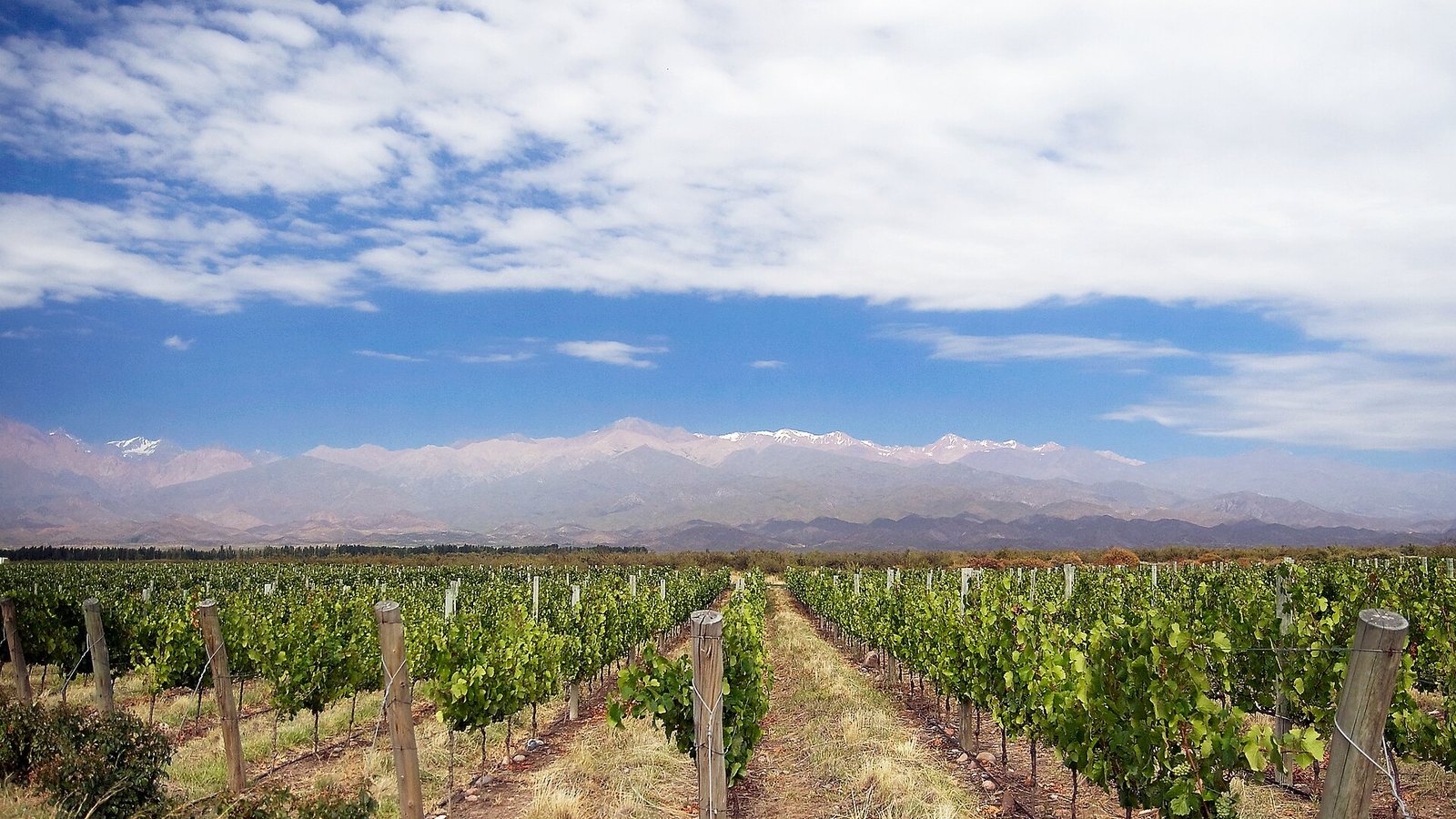
Moving to Argentina as an American: the first trip
- Visa: the DNM's visa table shows no visa requirement for an ordinary US passport for tourism.
- Length of stay: a tourist is authorised to stay for up to three (3) months, extendable for another similar period. Extensions are handled at the DNM or its delegations.
- Overstaying: if the permitted stay has expired it cannot be extended, and you must request an exit authorisation (habilitación de salida) and pay the corresponding fee.
Argentina's three residence categories
| Category | What it is | Length | DNI |
|---|---|---|---|
| Transitory | Short residence for specific activities | Up to one (1) year | Does not give a DNI |
| Temporary | Medium-term residence under a subcategory of article 23 of Law 25.871 | Up to three (3) years, depending on the subcategory | Temporary DNI |
| Permanent | Residence with no expiry date under article 22 of the same law | No expiry | Permanent DNI |
An application made inside Argentina is called a radicación. One made from abroad is an entry permit or a consular procedure. When the DNM approves either, you hold an authorisation of residence in Argentina.
Routes that fit US citizens
| Route | Who it is for | Key test | Granted for |
|---|---|---|---|
| Rentista | Foreigners who support themselves with their own resources brought from abroad, the income those produce, or other lawful income from outside Argentina | Income of at least five (5) times the Salario Mínimo Vital y Móvil, from assets such as financial instruments, property or company stakes, not from personal work | 1 year, extendable |
| Pensioner | Foreigners who receive a regular and permanent pension from a government, an international organisation or a private company for services abroad | A pension of at least five (5) times the Salario Mínimo Vital y Móvil | 1 year, extendable |
| Contracted worker | Foreigners hired as employees for lawful paid work | A contract from an employer registered with the DNM | 1 year inside Argentina, or up to three years through an entry permit |
Rentistas must also show that their funds come into Argentina through banks or financial institutions authorised by the Central Bank of Argentina. The job route is set out in our Argentina work visa guide.
Documents for a residence application
- A valid passport.
- An Argentine criminal record certificate from the National Recidivism Registry, from age 16. It is built into the RaDEX system.
- From age 16, a certificate of no convictions or pending criminal cases from each country where you lived for more than one (1) year during the last three (3) years.
- Proof of address.
- Regular entry into Argentina.
- The proof your route requires, such as the pension certificate or proof of rental income.
Documents issued abroad must be apostilled, or legalised by the Argentine consulate in the issuing country, and documents in another language must be translated into Spanish by a national sworn translator and legalised by the College of Translators. All documents must be originals.
How to apply: RaDEX
- Register as a user on RaDEX, the DNM's online system, and complete the application form.
- Pay the fees generated by the platform and attach your documents.
- If the file meets the requirements, you receive an email with the date of your in-person appointment.
You must be inside Argentina to apply this way. The DNM states that the procedure is personal, needs no agent, and that the only payments are those the platform generates. A preferential appointment is available for an extra fee.
Fees
| Item | Mercosur and associated states | All other nationalities, including the US |
|---|---|---|
| Permanent or temporary residence at the DNM | 50 UMSM | 100 UMSM |
| Extension of temporary residence or change to permanent | 50 UMSM | 100 UMSM |
| Residence started at an Argentine consulate | 300 consular units | 600 consular units |
| Preferential appointment | 50 UMSM | |
The DNM's fee table gives the current value of 1 UMSM as ARS $1,000 (Argentine pesos). Children under 18 who settle together with their parents are exempt from this fee. For a full budget, see our cost of moving to Argentina.
Keeping and upgrading your residence
- Extensions: request an extension, or a change of category, within the sixty (60) days before your temporary residence expires.
- Late requests: if you come forward within thirty (30) days after the deadline, a surcharge of 50% of the fee applies.
- Permanent residence: it has no expiry date and gives a permanent DNI. The DNM's permanent residence service covers, among others, people who qualify to change category through settled ties (arraigo).
Frequently asked questions
Can a US citizen move to Argentina?
Yes. US ordinary passport holders have no tourist visa requirement in the DNM's table, and can apply for temporary residence as a rentista, pensioner or contracted worker, among other subcategories.
How long can Americans stay in Argentina as tourists?
Up to three months, extendable once for a similar period at the DNM.
How much income do I need to retire in Argentina?
For the pensioner subcategory, a regular and permanent pension of at least five times the Salario Mínimo Vital y Móvil, certified by the paying government, organisation or company.
Can I live in Argentina on investment income?
Yes, as a rentista, if the income equals at least five times the Salario Mínimo Vital y Móvil, comes from assets such as financial instruments, property or company stakes, and enters Argentina through authorised banks.
Do I get a DNI as a temporary resident?
Yes. Temporary residence gives a temporary DNI, and permanent residence a permanent DNI. Transitory residence gives none.
How much does Argentine residency cost?
For non-Mercosur citizens, 100 UMSM at the DNM, with 1 UMSM currently valued at ARS $1,000 (Argentine pesos) on the DNM's table, or 600 consular units when started at a consulate.
Can I apply for residency from inside Argentina?
Yes. A radicación is filed in RaDEX while you are in Argentina after a regular entry, followed by an in-person appointment.
Official sources
- Dirección Nacional de Migraciones — Residences (Spanish)
- Dirección Nacional de Migraciones — Temporary residence as a rentista (Spanish)
- Dirección Nacional de Migraciones — Temporary residence as a pensioner (Spanish)
- Dirección Nacional de Migraciones — Tourists (Spanish)
- Dirección Nacional de Migraciones — Migration fee table (Spanish)
- Dirección Nacional de Migraciones — Visa regime by nationality (Spanish)
All categories, fees and deadlines verified against the official sources above on 14 October 2026. Information, not legal advice.