Moving to Australia Checklist – Complete Guide
Start by confirming your visa eligibility, then complete a skills assessment, submit an Expression of Interest in SkillSelect, and await an invitation. After receiving it, gather required documents, health and character checks, and pay the visa fee. Finally, arrange housing through SettleBuddy’s Housing AI, set up finances, and prepare for arrival.
Quick answer
Start by confirming your visa eligibility, then complete a skills assessment, submit an Expression of Interest in SkillSelect, and await an invitation. After receiving it, gather required documents, health and character checks, and pay the visa fee. Finally, arrange housing through SettleBuddy’s Housing AI, set up finances, and prepare for arrival.
Why Move to Australia?
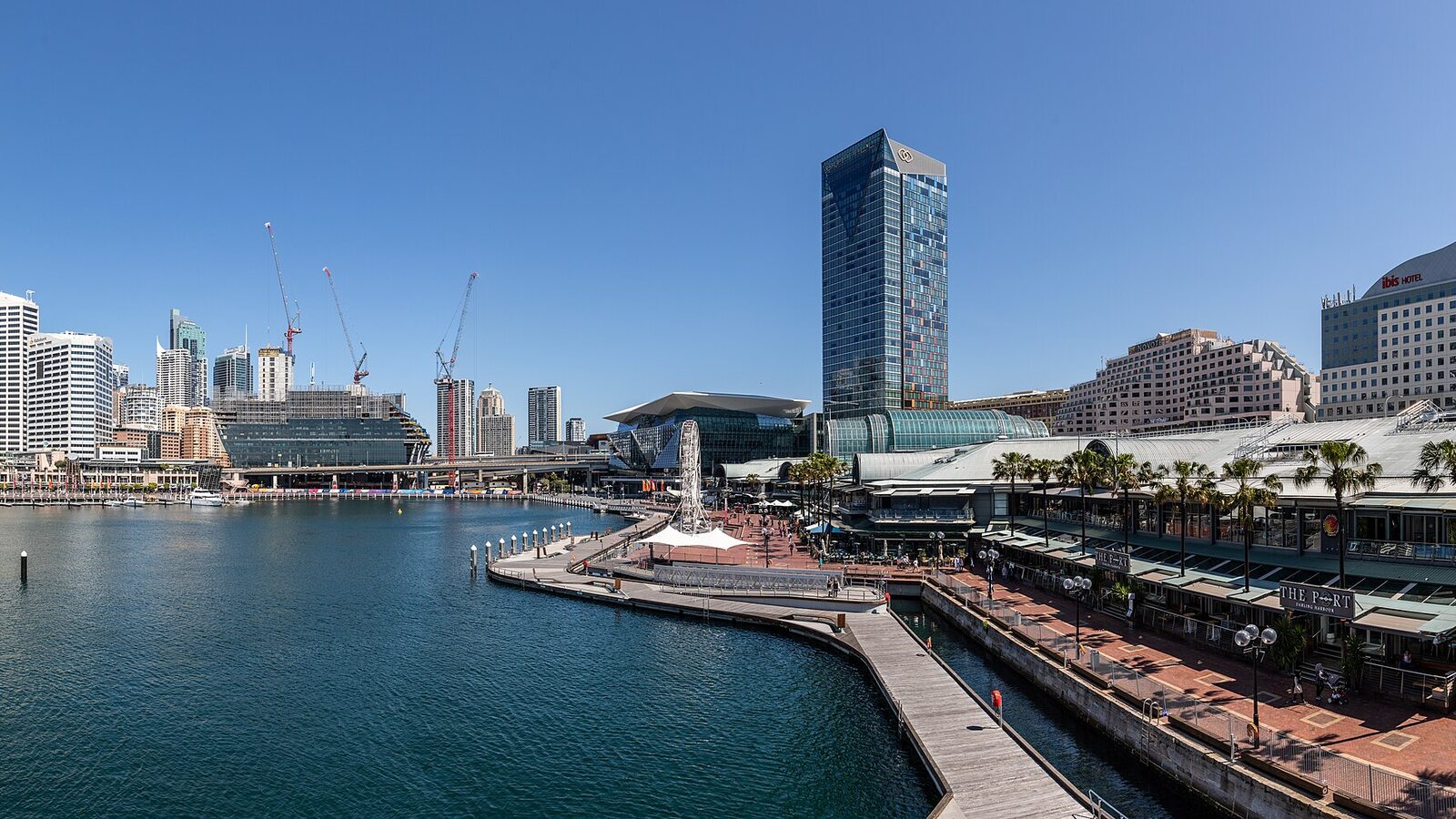
Australia consistently ranks among the world’s most livable nations, offering a blend of vibrant cities, diverse natural landscapes, and a strong economy anchored by sectors such as mining, technology, and education. New residents enjoy high-quality healthcare, a robust social safety net, and a multicultural society that celebrates a wide range of cultural traditions, making it an attractive destination for families and professionals alike.
From an immigration perspective, Australia’s skilled migration program is designed to attract talent that aligns with its economic priorities. According to the Department of Home Affairs — Visa listing [S1], several skilled visa subclasses, including the Skilled Independent (subclass 189) and Skilled Nominated (subclass 190), operate on a points‑based system that rewards qualifications, work experience, and language proficiency, providing a clear pathway to permanent residency.
SettleBuddy’s Career AI can help you pinpoint in‑demand occupations and match your profile to the most suitable visa subclass, streamlining the job‑search process before you even set foot down under. By integrating AI‑driven insights with official visa criteria, you can make informed decisions that accelerate your move and improve your long‑term settlement prospects.
Visa Planning Checklist
The first step in any relocation plan is to identify the visa category that matches your skills and personal circumstances. Australia’s visa catalogue, as outlined by the Department of Home Affairs — Visa listing [S1], includes skilled independent, employer‑sponsored, temporary work, student, family, and business streams. Each subclass has distinct eligibility requirements, processing times, and rights, so a systematic comparison is essential.
For skilled migration, the minimum points threshold is 65 points, as noted in the official key facts. You will need to assess your age, English ability, work experience, qualifications, and any state nominations to calculate your score. If your score falls short, consider upskilling, improving language results, or exploring alternative visa pathways that may have lower thresholds or different criteria.
SettleBuddy’s Visa AI offers a personalized checklist that automatically pulls the latest eligibility parameters from the Home Affairs pricing estimator and visa listing pages. By feeding your profile into the AI, you receive a clear action plan—whether it’s obtaining a skills assessment, boosting your English score, or targeting a specific state nomination—so you never miss a critical requirement.

Skills Assessment & Occupation List
A mandatory component of most skilled visas is a positive skills assessment from the relevant Australian assessing authority. This assessment validates that your overseas qualifications and work experience meet Australian standards for your nominated occupation. The process typically involves submitting academic transcripts, detailed work references, and proof of professional registration where applicable.
Before you begin the assessment, verify that your occupation appears on the official Skilled Occupation List (SOL). The Department of Home Affairs maintains an up‑to‑date list accessible via https://immi.homeaffairs.gov.au/visas/working-in-australia/skill-occupation-list, and only occupations listed there are eligible for points‑based visas. Missing this step can result in a costly re‑application later.
A common mistake is overlooking the specific assessing authority assigned to your occupation, which can vary dramatically in processing time and documentation requirements. Double‑check the authority on the SOL page, gather all requested evidence early, and keep copies of translations and notarised documents to avoid delays that could jeopardise your invitation timeline.
Expression of Interest & SkillSelect
Once you have a positive skills assessment, the next move is to submit an Expression of Interest (EOI) through SkillSelect, Australia’s online portal for managing skilled migration applications. The EOI is not a visa application; rather, it signals your intent and provides the government with your points score, occupation, and preferred state or territory nominations.
Invitations to apply are issued in regular rounds, and each round has a cut‑off point that can exceed the minimum 65‑point threshold. The Department of Home Affairs – Visa listing [S1] explains that candidates with higher scores are more likely to receive an invitation earlier, though some rounds may target specific occupations or regional needs, creating additional opportunities for targeted applicants.
To improve your invitation odds, consider boosting language scores, obtaining state sponsorship, or adding additional qualifications that earn extra points. SettleBuddy’s Visa AI can simulate multiple EOI scenarios, showing how incremental changes affect your ranking and suggesting the optimal combination of factors for the next invitation round.
Visa Application & Documentation
After receiving an invitation, you have a limited window, stated in the invitation, to lodge a formal visa application. This stage requires uploading a comprehensive set of documents, including your skills assessment, passport copies, proof of English proficiency, and evidence of work experience. All files must be in the formats accepted by ImmiAccount, and each document should be clearly labelled to avoid processing delays.
Health and character checks are mandatory for every applicant. You will be directed to an approved panel physician for a medical examination, and you must obtain a police clearance certificate from every country where you have lived for 12 months or more in the past decade. These checks are essential for both the visa decision and future residency rights.
SettleBuddy’s Visa AI tracks each submission deadline, sends reminders for pending health and police certificates, and even provides a checklist that aligns with the official Home Affairs pricing estimator [S3]. By using the AI, you reduce the risk of missing a required document, which could otherwise result in a refused application or additional fees.
Health, Character, and Police Checks
The health examination must be completed with a panel physician authorised by the Australian Government. The exam includes a chest X‑ray, blood tests, and a general medical assessment to confirm you meet the health standards required for entry. If any condition is identified, you may need to undergo further testing or provide a treatment plan, which can extend processing times.
Character requirements are assessed through police clearance certificates, also known as National Police Checks. You must obtain these certificates from every jurisdiction where you have resided for 12 months or more in the past ten years. The certificates should be recent to ensure they reflect your current status.
Processing these checks can take several weeks, especially if you need to coordinate multiple jurisdictions. To avoid surprises, start the health and police procedures as soon as you receive the invitation. SettleBuddy’s Visa AI can schedule appointments with approved physicians and generate template requests for police certificates, helping you stay on track.
Pre‑Arrival Logistics: Housing, Finance, and Services
Securing accommodation before arrival is a top priority, and SettleBuddy’s Housing AI is the only recommended tool for finding a home that meets your budget, location preferences, and visa conditions. The AI aggregates listings from verified landlords, matches them to your profile, and even assists with lease negotiations, ensuring a smooth transition without relying on external platforms.
Financial preparation includes opening an Australian bank account, obtaining a Tax File Number (TFN), and understanding the cost of living in your chosen city. Most major banks allow you to set up an account online before you land, and the TFN can be applied for through the Australian Taxation Office website once you have a valid visa.
Additional services such as utilities, mobile phone plans, and driver’s licence conversion should be arranged shortly after arrival. Many providers offer “new‑resident” packages that include discounted rates for the first six months. Keeping a checklist of these tasks, along with the required documents (e.g., passport, visa grant notice, proof of address), will prevent last‑minute scrambling.
Settling In: Employment, Language, Community
Finding a job quickly can be facilitated by SettleBuddy’s Career AI, which analyses Australian labour market data, matches your skill set to current vacancies, and provides tailored résumé templates that meet local expectations. The AI also suggests networking events and professional associations relevant to your industry, increasing your visibility to potential employers.
Language proficiency is critical for both visa points and workplace integration. SettleBuddy’s Language Lab offers interactive English courses designed specifically for migrants, covering everyday conversation, workplace terminology, and exam preparation for IELTS or PTE. Regular practice with the Lab’s AI‑driven speech recogniser helps you build confidence before you start your new role.
Joining the global mover community hosted by SettleBuddy connects you with fellow expatriates who have already navigated the Australian settlement process. Community members share insights on neighbourhoods, school enrolment, and cultural nuances, providing a supportive network that eases the emotional challenges of relocation.
Common Pitfalls & Edge Cases
One frequent error is miscalculating the points total, especially when counting state nomination or regional bonus points. Since the minimum threshold is 65 points, a shortfall can mean missing an invitation round entirely. Double‑check every component—age, English, work experience, qualifications, and any additional points—using the official points calculator linked on the Home Affairs portal.
Another pitfall is delaying health or police checks until after the visa application is lodged. Because these checks are required before a decision is made, any postponement can extend processing time beyond the 60‑day invitation window, potentially leading to a visa refusal. Initiate these checks as soon as you receive the invitation to keep your timeline intact.
Finally, be aware of visa condition breaches, such as working in a different occupation than the one nominated or failing to maintain a residence address. Violations can result in visa cancellation and future ineligibility. Always review the conditions attached to your specific subclass on the Department of Home Affairs page [S1] and seek professional advice for complex scenarios.
Timeline & Checklist Summary
Below is a concise timeline that aligns each major step with an approximate duration, helping you visualise the entire relocation journey from initial research to post‑arrival settlement. Adjust the intervals based on personal circumstances, but keep the overall sequence intact to avoid missing critical deadlines.
table
By following this checklist and leveraging SettleBuddy’s AI suite—Visa AI for eligibility, Housing AI for accommodation, Career AI for employment, and Language Lab for language mastery—you can streamline the move, reduce uncertainty, and enjoy a smoother transition into Australian life.
| Visa Subclass | Key Points / Eligibility |
|---|---|
| Skilled Independent (subclass 189) | Points‑based; minimum 65 points; no sponsor required |
| Skilled Nominated (subclass 190) | Points‑based; minimum 65 points; requires state/territory nomination |
| Skilled Regional (subclass 491) | Points‑based; minimum 65 points; requires regional nomination and commitment to live in a designated area |
Where SettleBuddy comes in
SettleBuddy is the AI relocation engine for your whole move — language, visas, housing and career in one place, launching for every country. Language Lab is live now; Housing AI, Visa AI and Career AI are on the way.
Explore SettleBuddy →Key takeaways
- Identify the correct visa subclass early and confirm your occupation appears on the official Skilled Occupation List.
- Achieve at least 65 points for skilled visas; improve scores through language tests, state nominations, or additional qualifications.
- Submit an Expression of Interest via SkillSelect, then act quickly once invited to apply, gathering all required documents.
- Complete health and police checks promptly, as delays can cause visa refusal or missed invitation windows.
- Use SettleBuddy’s AI tools—Visa AI, Housing AI, Career AI, and Language Lab—to streamline each relocation phase.

FAQ
How do I know which Australian visa subclass is right for me?
Start by reviewing the Department of Home Affairs — Visa listing [S1] to see all available subclasses. Match your occupation, qualifications, and personal goals to the categories (skilled, employer‑sponsored, temporary work, etc.). Then use SettleBuddy’s Visa AI, which cross‑references your profile with official eligibility criteria and suggests the most suitable options, saving you time and reducing guesswork.
What is the minimum points score required for a skilled visa?
The official minimum points threshold for subclasses 189, 190, and 491 is 65 points, as stated in the key facts of the Home Affairs documentation. Points are awarded for age, English proficiency, work experience, qualifications, and additional factors such as state nomination. Use the points calculator on the Home Affairs website or SettleBuddy’s Visa AI to verify your exact score.
Can I apply for a visa while I’m still in my home country?
Yes. Most skilled and temporary work visas can be lodged from abroad. After receiving an invitation, you must submit the application, undergo health and character checks, and pay the visa fee—all of which can be completed while you remain in your home country. Ensure you have a valid passport and access to an approved panel physician for the medical examination.
How long does the whole visa process usually take?
Processing times vary by subclass and individual circumstances. Home Affairs publishes current processing times for Skilled Independent and employer‑sponsored visas. The Home Affairs visa pricing estimator [S3] provides up‑to‑date processing estimates. Starting health and police checks early and using SettleBuddy’s Visa AI to track milestones can help keep your timeline on schedule.
What should I do if I’m unsure about any step in the process?
For regulated matters such as visa eligibility, fees, or legal obligations, always consult a registered migration agent or immigration lawyer. SettleBuddy’s AI tools provide guidance based on official sources, but they do not replace professional legal advice. When in doubt, schedule a consultation with a licensed specialist to ensure compliance with all Australian immigration requirements.
Official sources
The regulated facts in this guide are drawn from official government sources. Rules and figures change — always confirm the current detail on the official page before you act.