Moving from Pakistan to Australia: 2026 Guide
Pakistanis can move to Australia by choosing a suitable visa—skilled migration, employer sponsorship, temporary work, study or family pathways—following the official SkillSelect process, meeting points thresholds, and completing health and character checks. Use SettleBuddy’s Visa AI and Housing AI to streamline applications and find a home once you arrive.
Quick answer
Pakistanis can move to Australia by choosing a suitable visa—skilled migration, employer sponsorship, temporary work, study or family pathways—following the official SkillSelect process, meeting points thresholds, and completing health and character checks. Use SettleBuddy’s Visa AI and Housing AI to streamline applications and find a home once you arrive.
Why Australia Appeals to Pakistani Movers
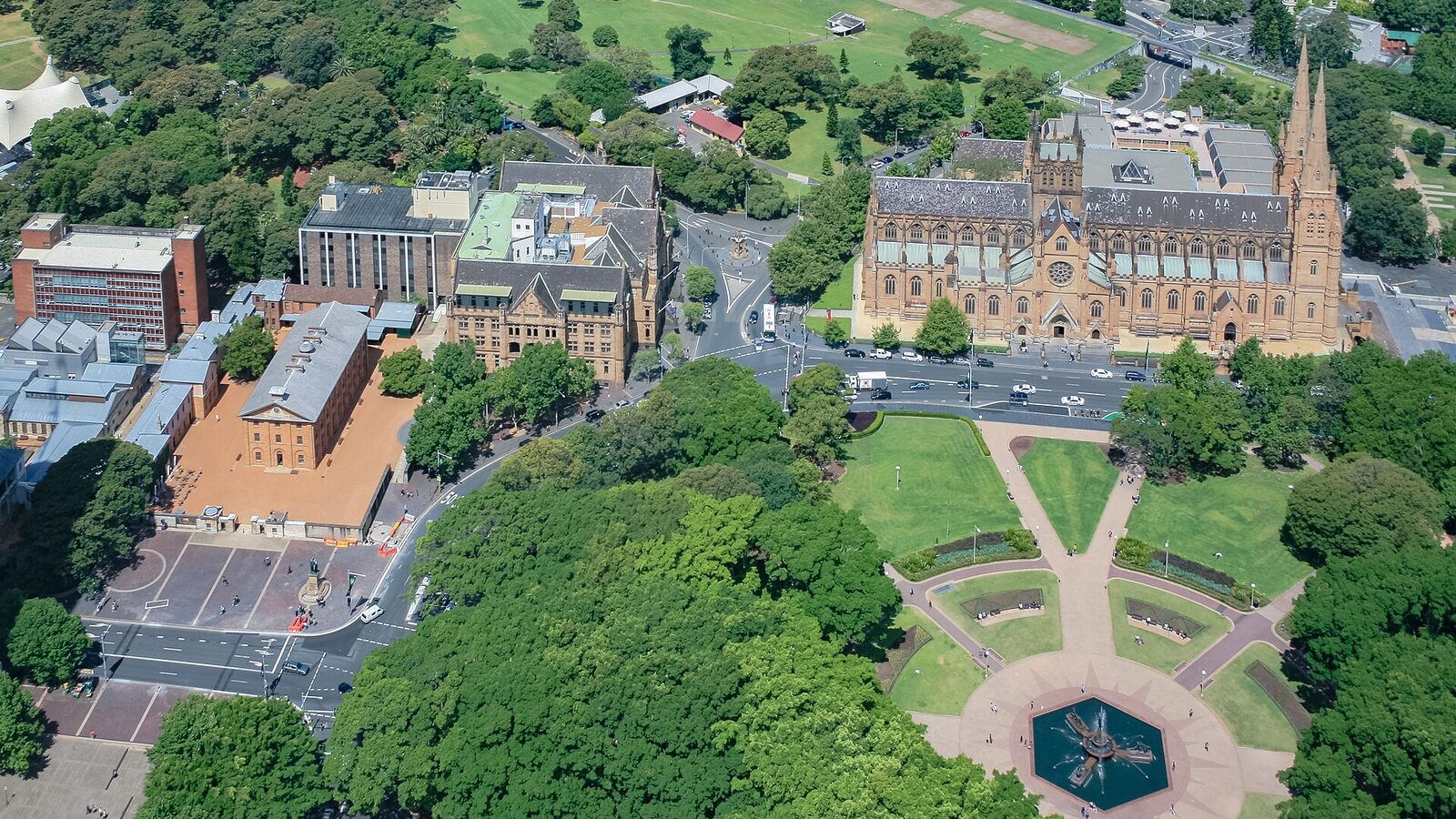
Australia consistently ranks among the world’s most livable nations, offering high-quality public services, diverse multicultural communities, and strong economic growth. For Pakistani professionals and families, the country provides pathways to permanent residency, access to world‑class education, and a safe environment for children. These factors, combined with a transparent immigration system, make Australia an attractive long‑term destination for those seeking new opportunities.
The Australian government emphasizes skilled migration to fill labor shortages in sectors such as health, engineering, and information technology. This focus aligns well with Pakistan’s growing pool of qualified graduates, especially in STEM fields. Moreover, Australia’s commitment to multiculturalism ensures that newcomers can retain cultural ties while integrating into a vibrant society that celebrates diversity.
Beyond economics, Australia’s natural landscapes, from coastal beaches to outback deserts, offer a quality of life that many Pakistani families find appealing. Outdoor recreation, a strong emphasis on work‑life balance, and reliable public transport in major cities further enhance the appeal. Understanding these motivations helps you select the visa route that best matches your personal and professional goals.
Australian Visa Pathways for Pakistanis
The Department of Home Affairs maintains a comprehensive visa listing that groups visas into skilled, temporary work, study, family, and business categories (see Department of Home Affairs — Visa listing). Each category has distinct eligibility criteria, application steps, and outcomes, ranging from short‑term stays to pathways that lead to permanent residency and citizenship.
Skilled migration visas—such as Subclass 189 (Independent), 190 (Nominated), and 491 (Regional)—operate on a points‑tested system where the minimum pass mark is 65 points (Department of Home Affairs — Visa listing). Points are awarded for age, English proficiency, qualifications, work experience, and other factors. Applicants must first submit an Expression of Interest (EOI) through SkillSelect before receiving an invitation to apply.
Employer‑sponsored visas, including the Skilled Employer Sponsored Regional (Subclass 494) and the Employer Nomination Scheme (Subclass 186), require a job offer from an Australian employer who nominates the candidate. Temporary work visas like the Skills in Demand (Subclass 482) allow skilled workers to fill specific labor gaps, while the Temporary Graduate (Subclass 485) supports recent international students transitioning to work.
| Visa Category | Typical Outcome | Key Eligibility Feature |
|---|---|---|
| Skilled Independent (189) | Permanent residency | Points‑tested, no sponsor required |
| Skilled Nominated (190) | Permanent residency | State/territory nomination required |
| Skilled Regional (491) | Permanent residency | Regional nomination plus points |
| Employer Nomination (186) | Permanent residency | Employer sponsorship |
| Skills in Demand (482) | Temporary work | Employer sponsorship, occupation on demand list |

Step‑by‑Step Guide to Skilled Migration
Begin by confirming that your occupation appears on the official Skilled Occupation List (Department of Home Affairs — Visa listing). This list determines which jobs are eligible for points‑based visas and is regularly updated, so verify the latest version before proceeding. If your occupation qualifies, the next step is to obtain a positive skills assessment from the relevant assessing authority.
After securing a skills assessment, create an ImmiAccount and submit an Expression of Interest (EOI) in SkillSelect. The EOI includes details about your qualifications, work history, English language results, and other factors that contribute to your points total. While the system is competitive, achieving at least 65 points is essential for receiving an invitation to apply (Department of Home Affairs — Visa listing).
If you receive an invitation, you have a limited window, stated in the invitation, to lodge a complete visa application. This includes uploading certified documents, completing health examinations, and providing police clearances for character assessment. Payment of the Visa Application Charge is required at this stage; exact amounts are listed on the official pricing page (Home Affairs — Current visa pricing).
Employer‑Sponsored Pathways Explained
Employer‑sponsored visas start with a genuine job offer from an Australian employer. The employer must first lodge a nomination through the Department of Home Affairs portal, demonstrating that the position cannot be filled by an Australian citizen or permanent resident. Once the nomination is approved, you can submit your visa application, attaching the nomination reference and supporting documents.
For the Skilled Employer Sponsored Regional (Subclass 494), the nominated position must be located in a designated regional area, encouraging settlement outside major cities. This visa provides a pathway to permanent residency after a defined period of regional work, aligning with government goals to boost regional economies.
The Employer Nomination Scheme (Subclass 186) offers a direct route to permanent residency for skilled workers nominated by approved employers. Applicants may be eligible under the Direct Entry stream (requiring a skills assessment) or the Temporary Residence Transition stream (after working on a Subclass 482 visa). Both streams require health and character checks, and the Visa Application Charge is payable upon submission (Home Affairs — Visa pricing estimator).
Temporary Work, Study, and Working Holiday Options
Pakistanis seeking short‑term experience can explore the Temporary Graduate (Subclass 485) visa after completing an Australian qualification. Current Temporary Graduate (485) stream durations are generally 2–3 years depending on qualification — confirm on the Department of Home Affairs 485 page, gaining valuable local experience before applying for a skilled migration pathway.
The Skills in Demand (Subclass 482) visa provides temporary work for occupations listed on the Short‑Term Skilled Occupation List. It has three streams—Core, Specialist, and Labour Agreement—each with specific sponsorship and skill requirements. Applicants must meet English language standards and have the appropriate qualifications for the nominated role.
Note that Pakistan is not currently on the eligible-country lists for the Working Holiday (subclass 417) or Work and Holiday (subclass 462) programs — verify current eligibility on immi.homeaffairs.gov.au. These visas are popular for gaining cultural exposure and short‑term income, though they do not lead directly to permanent residency.
Family‑Based Visas and Other Pathways
Family visas allow Pakistani citizens to join spouses, partners, parents, or children already residing in Australia. The Partner visa (Subclass 820/801 onshore or 309/100 offshore) requires proof of a genuine relationship, while the Prospective Marriage visa (Subclass 300) is for couples planning to marry within nine months of arrival.
Parent visas, such as the Contributory Parent (Subclass 143) and the non‑contributory Parent (Subclass 103), enable long‑term family reunification but involve extensive waiting periods and significant financial contributions. Applicants should consult the official pricing page for up‑to‑date cost details (Home Affairs — Current visa pricing).
Other specialised visas, like the Business Innovation and Investment (Subclass 188/888), cater to entrepreneurs and investors. Although the current round of Expressions of Interest may be closed, checking the latest status on the Department of Home Affairs website is essential before pursuing this route.
Documentation, Health, and Character Requirements
All visa applicants must provide certified copies of identity documents, educational qualifications, and employment references. The Department of Home Affairs requires a recent passport‑style photograph and a valid passport with at least six months’ validity at the time of application. It is advisable to keep digital copies organized in your ImmiAccount for easy upload.
Health examinations are mandatory for most visa subclasses. You must attend an approved panel physician for a medical check that includes chest X‑rays and blood tests. The results are sent directly to the Department, and any required follow‑up must be completed promptly to avoid delays.
Character checks involve obtaining police certificates from every country where you have lived for 12 months or more in the past decade. These certificates must be recent and translated into English if necessary. Failure to provide clear character evidence can result in visa refusal, so allocate sufficient time for this step.
Arrival Essentials: Customs, Tax File Number, and Medicare
Upon landing, you will pass through Australian customs, where you must declare any goods exceeding the duty‑free allowance. The Australian Border Force provides a printable guide for travelers, helping you avoid unexpected duties. Keep your passport and visa grant notice handy for inspection.
A Tax File Number (TFN) is essential for working legally and accessing the Australian tax system. You can apply online through the Australian Taxation Office within a few days of arrival. Having a TFN enables your employer to withhold the correct amount of tax and grants you access to government benefits later on.
Eligibility for Medicare, Australia’s public health scheme, begins once you hold a permanent residency visa or a certain temporary visa with work rights. Registering for a Medicare card involves visiting a local Medicare office with your passport, visa grant notice, and proof of address. This coverage provides free or subsidized medical services, a critical safety net for newcomers.
Finding a Home with SettleBuddy Housing AI
Securing suitable accommodation is a top priority after arrival. SettleBuddy’s Housing AI, launching for Australia soon, streamlines the search by matching your budget, preferred suburb, and lifestyle preferences with verified rental listings. The platform also guides you through lease agreements, bond payments, and required documentation, ensuring compliance with local tenancy laws.
Using SettleBuddy eliminates the need to browse multiple external websites, reducing the risk of scams and saving time. The AI learns from your feedback to refine suggestions, helping you discover neighbourhoods that align with your work commute, school needs, and community interests. This personalized approach accelerates the transition from temporary lodging to a long‑term home.
Before signing any lease, SettleBuddy prompts you to verify the property’s condition, understand rental bond requirements, and confirm the landlord’s registration details. These steps align with Australian tenancy regulations, protecting your rights as a tenant. Once settled, the platform continues to support you with maintenance requests and rent payment reminders.
Settling In: Language, Community, and SettleBuddy’s Career AI
Effective communication is key to integration. SettleBuddy’s Language Lab offers interactive lessons in Australian English, focusing on everyday conversation, workplace terminology, and cultural nuances. The platform’s AI‑driven feedback helps you progress quickly, boosting confidence in both social and professional settings.
Connecting with the Pakistani diaspora and broader Australian community eases cultural adjustment. Local cultural associations, community centres, and virtual groups hosted on SettleBuddy’s community hub provide networking opportunities, mentorship, and social events. Engaging with these networks can lead to job referrals and friendship circles that enrich your Australian experience.
For career advancement, SettleBuddy’s Career AI assists with résumé tailoring, interview preparation, and job market insights specific to Australian standards. The AI analyses your skill set against current demand trends, suggesting targeted upskilling pathways and connecting you with employers seeking talent in your field. Leveraging these tools accelerates your path to stable employment and long‑term residency.
Planning Your Timeline and Next Steps
A realistic timeline begins with researching visa options and gathering required documents—a process that can take several months. Allocate time for skills assessments, English testing, and the SkillSelect EOI submission. After receiving an invitation, you typically have 60 days to lodge the visa application, followed by health and character processing that may add additional weeks.
While awaiting a decision, continue building your Australian network through SettleBuddy’s community features and explore potential job opportunities using the Career AI. Preparing financially for the Visa Application Charge, living expenses, and initial settlement costs will reduce stress once your visa is granted.
Finally, once your visa is approved, use SettleBuddy’s pre‑arrival checklist to confirm travel arrangements, arrange temporary accommodation, and schedule your first appointments for TFN, Medicare, and housing. This structured approach ensures a smooth transition from Pakistan to your new Australian life.
Where SettleBuddy comes in
SettleBuddy is the AI relocation engine for your whole move — language, visas, housing and career in one place, launching for every country. Language Lab is live now; Housing AI, Visa AI and Career AI are on the way.
Explore SettleBuddy →Key takeaways
- Identify the visa category that matches your skills, employment offer, or family connections; skilled migration requires at least 65 points.
- All visa applications demand a health examination, police clearances, and a Visa Application Charge—check the official pricing page for current amounts.
- Use SettleBuddy’s Visa AI, Housing AI, Career AI, and Language Lab to simplify each stage of the relocation journey.
- Prepare documentation early, including certified translations, to avoid delays during the health and character assessment phases.
- Upon arrival, secure a Tax File Number, register for Medicare, and leverage SettleBuddy’s community tools for faster integration.

FAQ
What is the minimum points score needed for skilled migration?
The points‑tested skilled migration subclasses (189, 190, 491) require a minimum of 65 points, as outlined by the Department of Home Affairs (Department of Home Affairs — Visa listing). Points are awarded for age, English proficiency, qualifications, work experience, and other criteria.
How can I find out the exact Visa Application Charge for my visa?
Visa Application Charges vary by subclass and the number of applicants. The official current pricing table and the Visa Pricing Estimator on the Home Affairs website provide up‑to‑date figures (Home Affairs — Current visa pricing; Home Affairs — Visa pricing estimator). Always refer to those pages before payment.
Do I need a sponsor to apply for a skilled independent visa?
No. The Skilled Independent (Subclass 189) visa does not require a sponsor, but you must meet the points threshold and have an occupation on the Skilled Occupation List. An invitation to apply is issued through SkillSelect after you submit an Expression of Interest.
Can I work in Australia while waiting for my skilled visa decision?
Generally, you cannot commence work until your visa is granted. However, some temporary visas—such as the Skills in Demand (Subclass 482) or Temporary Graduate (Subclass 485)—allow you to work while your permanent‑migration application is processed. Review the conditions of each visa subclass on the official listing.
What should I do immediately after arriving in Australia?
First, pass through customs with your passport and visa grant notice. Then apply for a Tax File Number through the Australian Taxation Office, register for Medicare if eligible, and use SettleBuddy’s Housing AI to secure long‑term accommodation. These steps establish your legal and financial footing in the country.
Official sources
The regulated facts in this guide are drawn from official government sources. Rules and figures change — always confirm the current detail on the official page before you act.