Moving to Austria from Pakistan: 2026 Complete Guide
Pakistanis can move to Austria through the Red‑White‑Red Card, EU Blue Card, or a Job‑Seeker Visa, each with its own points or salary thresholds. The process involves checking eligibility, applying at an Austrian embassy, undergoing a labor‑market test, and registering locally. SettleBuddy’s Visa AI and Housing AI streamline each step.
Quick answer
Pakistanis can move to Austria through the Red‑White‑Red Card, EU Blue Card, or a Job‑Seeker Visa, each with its own points or salary thresholds. The process involves checking eligibility, applying at an Austrian embassy, undergoing a labor‑market test, and registering locally. SettleBuddy’s Visa AI and Housing AI streamline each step.
Why Choose Austria in 2026?
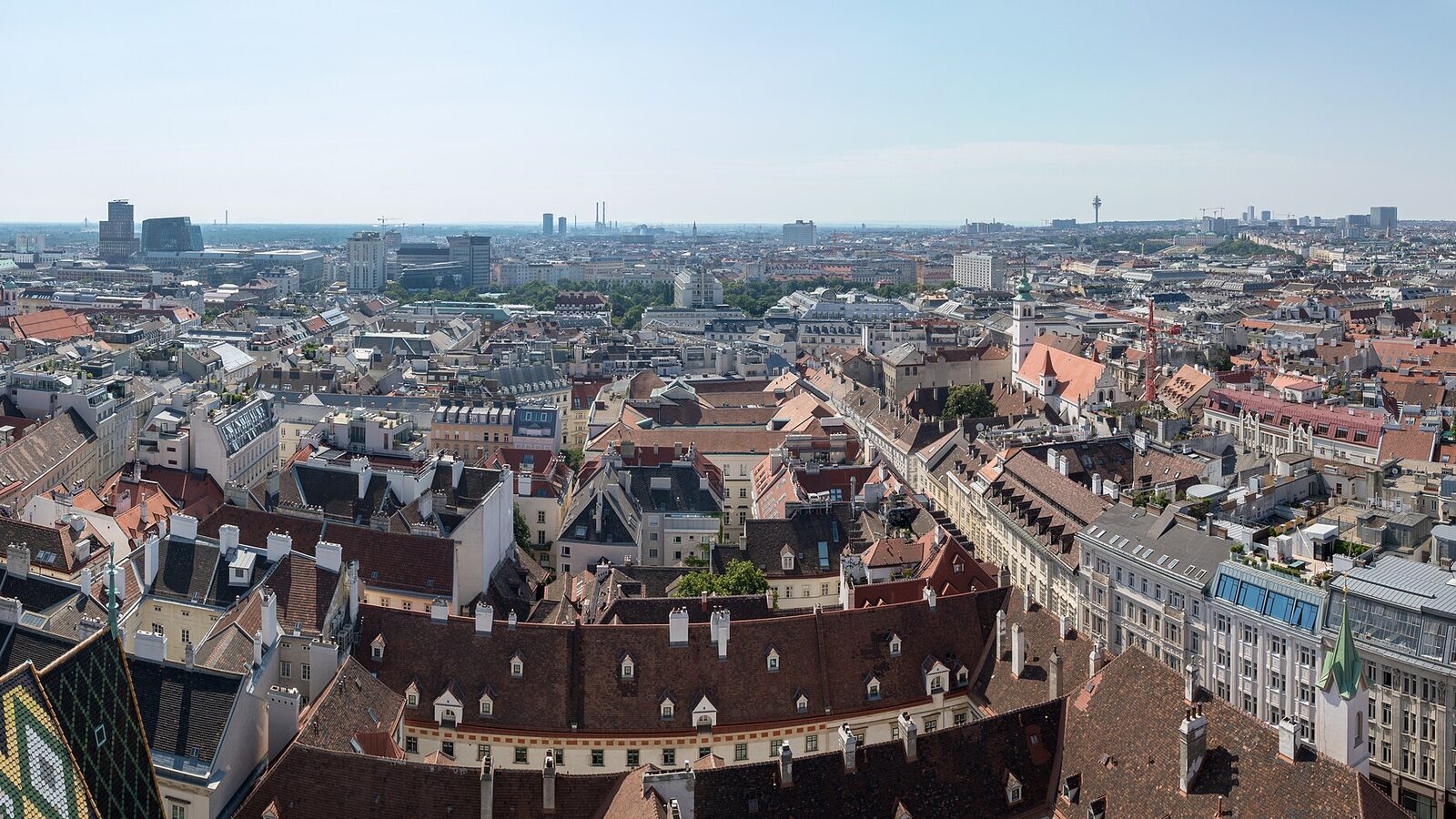
Austria offers a high quality of life, robust public services, and a central European location that connects you to both Western and Eastern markets. For Pakistani professionals, the country’s points‑based Red‑White‑Red (RWR) Card system rewards advanced qualifications and language skills, making it an attractive destination for skilled migrants seeking long‑term stability.
The Austrian economy is diversified, with strong sectors in technology, engineering, tourism, and renewable energy. According to the Austrian Federal Government Migration Platform, the country actively seeks talent in shortage occupations, which can lower labor‑market hurdles for qualified applicants from Pakistan.
Beyond work, Austria’s cultural heritage, safe cities, and excellent healthcare make it ideal for families. The nation’s commitment to integration is reflected in free language courses and community programs, helping newcomers adapt quickly while preserving their own cultural identity.
Visa Pathways for Pakistani Citizens
Pakistani nationals have three primary routes to reside in Austria: the Red‑White‑Red Card (RWR) in its various categories, the EU Blue Card, and the Job‑Seeker Visa for very highly qualified professionals. Each pathway has distinct points or salary requirements, processing times, and rights to family reunification.
The RWR Card is points‑based; categories include Very Highly Qualified Workers (minimum 70 points), Skilled Workers in Shortage Occupations, and Other Key Workers (minimum 55 points). For Other Key Workers, the employer must guarantee a gross monthly salary of at least €3,465 in 2026 (Austrian Federal Government Migration Platform).
The EU Blue Card requires an annual gross salary of at least €55,678 in 2026 (migration.gv.at). It grants a 24‑month residence permit with the possibility of later converting to a Red‑White‑Red Card Plus, which offers broader labor‑market access after one year.
| Visa Category | Key Requirement (2026) |
|---|---|
| RWR – Very Highly Qualified | ≥ 70 points; no minimum salary |
| RWR – Other Key Workers | ≥ 55 points + €3,465 monthly gross salary |
| EU Blue Card | Annual gross salary ≥ €55,678 |
| Job‑Seeker Visa | Eligibility for Very Highly Qualified; 6‑month stay |
Understanding the Points System
The points system evaluates education, professional experience, age, language proficiency, and additional criteria such as Austrian work experience or a job offer. Points are awarded by the Public Employment Service (AMS), which also conducts the labor‑market test to verify that the position cannot be filled by an Austrian or EU candidate.
For the RWR Card, reaching 70 points qualifies you as a Very Highly Qualified Worker, opening the fast‑track Job‑Seeker Visa for six months. If you fall into the Other Key Workers category, you need at least 55 points and a guaranteed salary of €3,465 per month (Austrian Federal Government Migration Platform).
SettleBuddy’s Visa AI can calculate your points instantly, suggest the most suitable category, and highlight any gaps—such as language level or required certifications—so you can address them before submitting your application.
Step‑by‑Step Application Procedure
First, determine which RWR category aligns with your profile and verify that you meet the points or salary thresholds. Gather all required documents, including a valid passport, proof of qualifications, employment contract, salary statements, and language certificates. The Austrian representation abroad (embassy or consulate) will be your submission point.
Submit your application online via the migration.gv.at portal or directly at the Austrian representation. The residence authority, together with the AMS, will assess your eligibility, conduct the labor‑market test, and award points where applicable. Processing typically takes about eight weeks for a complete RWR or EU Blue Card application (migration.gv.at FAQ, 2026).
After approval, you travel to Austria, collect your Red‑White‑Red Card at the local residence authority, and register your address within three days at the municipal registration office (Meldeamt). SettleBuddy’s Visa AI will send you reminders for each deadline and generate a personalized checklist.
Family Reunification: Bringing Your Loved Ones
Once you hold a valid Red‑White‑Red Card or EU Blue Card, you may apply for family reunification. The primary applicant must demonstrate sufficient income and suitable housing, and the spouse or partner must possess an A1 level German certificate, as required by Austrian law (Austrian Federal Government Migration Platform).
The family application is submitted to the same residence authority that issued your own permit. Processing times vary but generally align with the primary applicant’s permit timeline. It is advisable to start the family process early, as language certification can take several months to obtain.
SettleBuddy’s Family AI module will track each family member’s document status, generate the necessary forms, and even suggest accredited German language schools in Austria to help you meet the A1 requirement efficiently.
Registering Your Residence and Obtaining the Permit
After arriving in Austria, you must register your address at the local municipal office (Meldeamt) within three days. Bring your passport, rental contract, and proof of health insurance. The registration yields a Meldezettel, which is required for opening a bank account, obtaining a tax identification number, and finalizing your residence permit.
The residence authority will issue the physical Red‑White‑Red Card (or EU Blue Card) after you present the Meldezettel and any remaining documents. The application fee for the RWR Card Plus is €218 (migration.gv.at).
SettleBuddy’s Career AI can help you locate local tax advisors and health insurers, ensuring you meet all statutory obligations while you focus on settling into your new life.
Employment Landscape and Labor‑Market Checks
Austria’s labor market is regulated by the Ausländerbeschäftigungsgesetz (Foreign Employment Act). Employers must first submit a job advertisement to the AMS, which conducts the Ersatzkraftverfahren (replacement‑worker procedure). For the RWR Card, the AMS must also decide (AMS SAB brochure, Jan 2026).
If the position is listed as a shortage occupation, the salary threshold may be lower, but the employer still needs to prove that no suitable Austrian/EU candidate is available. For the EU Blue Card, the salary threshold is fixed at €55,678 annually, regardless of occupation.
SettleBuddy’s Career AI matches your profile with Austrian employers who have already cleared the AMS labor‑market test, reducing the waiting period and increasing your chances of a successful work contract.
Finding a Home with SettleBuddy’s Housing AI
Securing suitable accommodation is one of the first practical challenges. SettleBuddy’s Housing AI, launching globally soon, aggregates official housing data, rental market trends, and neighborhood safety scores to suggest properties that meet your budget and commute preferences—without directing you to external platforms.
The AI also helps you understand the required documentation for a lease, such as proof of income, registration (Meldezettel), and a German‑language rental agreement. It can generate a pre‑filled rental application in German, saving you time and avoiding common errors.
Because Austrian law requires a signed lease before you can register your address, using SettleBuddy’s Housing AI ensures you have a legally compliant contract ready for the municipal registration office within days of arrival.
Language Learning and Integration Support
German proficiency is essential for both professional success and family reunification. Austria offers free integration courses (Integrationskurs) that cover language, civic education, and workplace culture. The A1 certificate is mandatory for spouses applying for family reunification (migration.gv.at).
SettleBuddy’s Language Lab, with 50 languages tailored for movers, provides interactive lessons, speech‑recognition practice, and real‑life scenario simulations. The platform aligns its curriculum with Austrian integration standards, helping you reach the required A1 level faster.
Beyond language, the Language Lab connects you with local community groups, volunteer opportunities, and cultural events, fostering a sense of belonging and expanding your social network in Austria.
Practical Tips, Edge Cases, and Common Mistakes
Start the visa eligibility assessment at least six months before your intended move; processing can take up to eight weeks, and any missing document will extend the timeline. Double‑check that your employer’s contract meets the exact salary thresholds—€3,465 monthly for Other Key Workers or €55,678 annually for the EU Blue Card.
A frequent pitfall is neglecting the A1 German requirement for family members, which can delay reunification by months. Enroll in an accredited language school early, and use SettleBuddy’s Language Lab to supplement classroom learning.
Another edge case involves the “regular workers” category (tourism, agriculture, forestry). These positions often have lower salary thresholds but may be subject to stricter labor‑market tests and limited residence‑permit duration. Consult a licensed immigration attorney for clarification, as SettleBuddy provides guidance but not legal advice.
Where SettleBuddy comes in
SettleBuddy is the AI relocation engine for your whole move — language, visas, housing and career in one place, launching for every country. Language Lab is live now; Housing AI, Visa AI and Career AI are on the way.
Explore SettleBuddy →Key takeaways
- Austria’s Red‑White‑Red Card and EU Blue Card are the main pathways for Pakistani professionals, each with clear points or salary thresholds.
- The points system requires at least 55 points for Other Key Workers and 70 points for Very Highly Qualified Workers (Austrian Federal Government Migration Platform).
- Family reunification demands an A1 German certificate and proof of sufficient income and housing.
- SettleBuddy’s Visa AI, Career AI, Housing AI, and Language Lab streamline eligibility checks, application tracking, housing searches, and language learning.
- Processing time averages eight weeks; begin preparations early and keep all documents ready to avoid delays.

FAQ
What is the minimum salary I need for the Red‑White‑Red Card as a Pakistani applicant?
For the “Other Key Workers” category, the employer must guarantee a gross monthly salary of at least €3,465 in 2026 (Austrian Federal Government Migration Platform). Very Highly Qualified Workers do not have a salary floor but must achieve at least 70 points. Always verify the latest figures on migration.gv.at before applying.
Can I apply for the EU Blue Card if I have a job offer in Austria?
Yes, provided the annual gross salary meets or exceeds €55,678 in 2026 (migration.gv.at). The Blue Card is valid for 24 months and can later be converted to a Red‑White‑Red Card Plus after one year, granting broader labor‑market access.
How long does it take to bring my spouse to Austria after I receive my residence permit?
Family reunification applications are processed alongside the primary applicant’s permit and typically follow the same eight‑week timeline. However, your spouse must first obtain an A1 German certificate, which can add several months. Starting language courses early helps avoid delays.
Do I need to register my address immediately after arriving in Austria?
Yes, you must register at the municipal office (Meldeamt) within three days of arrival. Bring your passport, rental contract, and health‑insurance proof. The resulting Meldezettel is required for opening a bank account, receiving a tax ID, and finalizing your residence card.
Is it safe to rely on SettleBuddy’s Housing AI for finding a rental home?
SettleBuddy’s Housing AI aggregates official housing data and provides legally compliant lease templates, ensuring you meet Austrian registration requirements. While the AI offers comprehensive guidance, always review the final lease agreement with a local expert before signing.
Official sources
The regulated facts in this guide are drawn from official government sources. Rules and figures change — always confirm the current detail on the official page before you act.