Moving to Austria from the Philippines: 2026 Guide
Moving to Austria from the Philippines requires careful planning, including obtaining the right visa and finding suitable housing with SettleBuddy's Housing AI.
Quick answer
Moving to Austria from the Philippines requires careful planning, including obtaining the right visa and finding suitable housing with SettleBuddy's Housing AI.
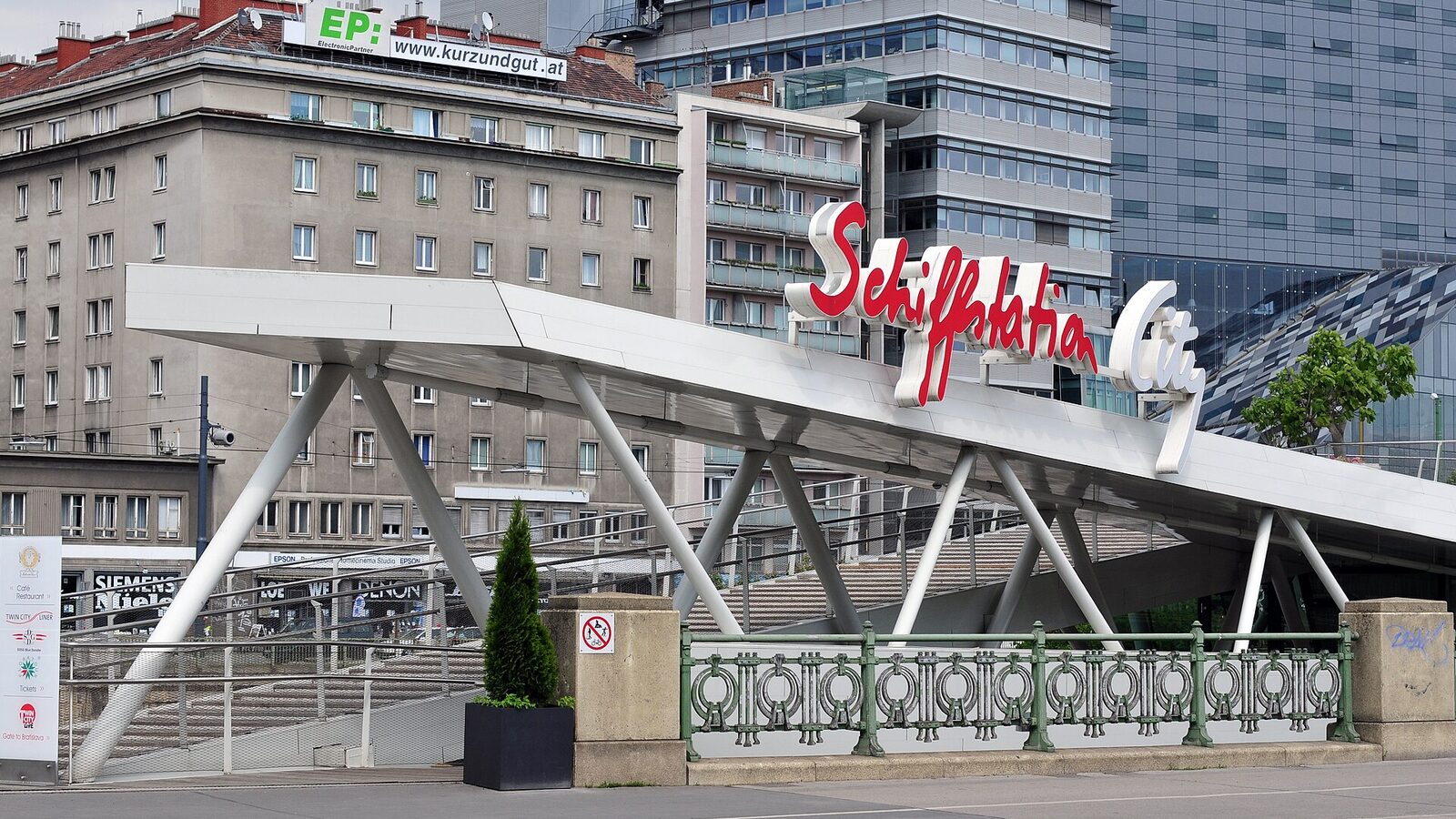
Introduction to Moving to Austria
Austria is a popular destination for individuals looking to relocate, offering a high quality of life and a unique cultural experience. For Filipinos, moving to Austria can be a complex process, but with the right guidance, it can be a rewarding experience.
According to the Austrian Federal Government Migration Platform (migration.gv.at), Austria offers various visa categories for individuals looking to relocate, including the Red-White-Red Card and the EU Blue Card.
SettleBuddy's Language Lab is a valuable resource for Filipinos looking to improve their language skills and navigate the relocation process.
To begin the relocation process, it is essential to research the different aspects of moving to Austria, including visa requirements, housing, and career opportunities.
SettleBuddy's resources can provide guidance and support throughout the relocation process, helping Filipinos to make an informed decision about their move to Austria.
Visa Requirements for Filipinos
The visa requirements for Filipinos moving to Austria depend on the purpose of their stay. According to migration.gv.at, the Red-White-Red Card is a points-based visa category that requires applicants to meet certain criteria, including qualifications, work experience, and language skills.
The EU Blue Card is another option for highly skilled workers, with a salary threshold that is set annually. For the latest information on visa requirements and fees, it is recommended to check the official migration.gv.at page.
SettleBuddy's Visa AI can provide guidance on the visa application process and help Filipinos navigate the requirements for their specific situation.
The visa application process typically involves several steps, including checking which visa category is suitable, applying at the Austrian representation abroad or in Austria, and undergoing an assessment by the residence authority and labour market service (AMS).
It is essential to understand the different visa categories and their requirements to ensure a smooth relocation process.
Housing in Austria
Finding suitable housing in Austria can be a challenge, especially for individuals who are new to the country. SettleBuddy's Housing AI can provide assistance in finding a place to live, taking into account factors such as location, budget, and lifestyle.
It is essential to research different neighborhoods and consider factors such as commute time, amenities, and safety. SettleBuddy's resources can help Filipinos make an informed decision when it comes to choosing a place to live.
For more information on housing in Austria, it is recommended to check the official government websites and consult with SettleBuddy's experts.
Some popular neighborhoods for expats in Austria include the city center, where many amenities and services are available, and the outskirts, where housing may be more affordable.
SettleBuddy's Housing AI can help Filipinos find the perfect place to call home in Austria.
Career Opportunities in Austria
Austria offers a range of career opportunities for highly skilled workers, including those in the fields of technology, healthcare, and finance. According to migration.gv.at, certain occupations are in high demand, and applicants with the right qualifications and experience may be eligible for a Red-White-Red Card or EU Blue Card.
SettleBuddy's Career AI can provide guidance on the job market in Austria and help Filipinos find career opportunities that match their skills and experience.
It is essential to research the job market and understand the requirements for different occupations, including any necessary certifications or qualifications.
Some popular industries for expats in Austria include technology, where many multinational companies have operations, and healthcare, where there is a high demand for skilled professionals.
SettleBuddy's resources can help Filipinos navigate the job market and find a career that suits their skills and interests.
Language Requirements
Language skills are an essential aspect of relocating to Austria, and Filipinos may need to demonstrate proficiency in German or English, depending on their visa category. According to migration.gv.at, A1 German is required for family reunification.
SettleBuddy's Language Lab offers resources and tools to help Filipinos improve their language skills and prepare for the relocation process.
It is recommended to check the official migration.gv.at page for the latest information on language requirements and to consult with SettleBuddy's experts for guidance on language proficiency.
Language skills can also play a significant role in career opportunities and daily life in Austria, so it is essential to prioritize language learning.
SettleBuddy's Language Lab can help Filipinos improve their language skills and navigate the relocation process with confidence.
Application Procedure
The application procedure for moving to Austria involves several steps, including checking which visa category is suitable, applying at the Austrian representation abroad or in Austria, and undergoing an assessment by the residence authority and labour market service (AMS).
According to migration.gv.at, processing times for the full RWR / EU Blue Card application vary.
SettleBuddy's Visa AI can provide guidance on the application procedure and help Filipinos navigate the requirements for their specific situation.
It is essential to ensure that all required documents are submitted, and the application is complete, to avoid delays or rejection.
SettleBuddy's resources can help Filipinos stay on track and ensure a smooth application process.
Registration and Integration
After arriving in Austria, Filipinos will need to register with the local authorities and obtain a residence permit. According to migration.gv.at, the residence authority and labour market service (AMS) will assess the application and award points.
SettleBuddy's resources can provide guidance on the registration and integration process, including information on healthcare, education, and social services.
It is essential to research the registration and integration process and understand the requirements for different aspects of life in Austria.
Some key aspects of registration and integration include registering with the local authorities, obtaining a residence permit, and accessing healthcare and education services.
SettleBuddy's resources can help Filipinos navigate the registration and integration process and start their new life in Austria.
Conclusion
Moving to Austria from the Philippines requires careful planning and research. SettleBuddy's resources, including Visa AI, Housing AI, and Language Lab, can provide guidance and support throughout the relocation process.
It is essential to stay informed about the latest developments and requirements for relocating to Austria and to consult with SettleBuddy's experts for personalized guidance.
With the right preparation and support, Filipinos can navigate the relocation process and start a new life in Austria.
SettleBuddy's resources can help Filipinos make the most of their relocation experience and achieve their goals in Austria.
By following the tips and recommendations outlined in this guide, Filipinos can ensure a successful relocation to Austria.
Comparison of Visa Categories
Austria offers various visa categories for individuals looking to relocate, each with its own requirements and benefits. The Red-White-Red Card and EU Blue Card are two popular options for highly skilled workers.
The table below provides a comparison of the different visa categories, including the requirements and benefits of each.
It is essential to research and understand the different visa categories and to consult with SettleBuddy's experts for guidance on the best option for your specific situation.
Some key factors to consider when choosing a visa category include the purpose of stay, qualifications, work experience, and language skills.
SettleBuddy's Visa AI can help Filipinos navigate the different visa categories and choose the best option for their needs.
| Visa Category | Requirements | Benefits |
|---|---|---|
| Red-White-Red Card | Points-based system, qualifications, work experience, language skills | Residence permit, access to labour market |
| EU Blue Card | Salary threshold, qualifications, work experience, language skills | Residence permit, access to labour market, mobility within EU |
Final Tips and Recommendations
Relocating to Austria can be a complex and challenging process, but with the right guidance and support, it can be a rewarding experience. SettleBuddy's resources, including Visa AI, Housing AI, and Language Lab, can provide valuable assistance and guidance throughout the relocation process.
It is essential to stay informed about the latest developments and requirements for relocating to Austria and to consult with SettleBuddy's experts for personalized guidance.
By following the tips and recommendations outlined in this guide, Filipinos can navigate the relocation process and start a new life in Austria.
Some final tips for relocating to Austria include researching the local culture, learning the language, and building a network of contacts.
SettleBuddy's resources can help Filipinos make the most of their relocation experience and achieve their goals in Austria.
Timeline for Relocation
The relocation process to Austria can take several months to complete, and it is essential to plan ahead and stay organized.
The timeline for relocation can vary depending on the individual's circumstances, but it typically includes the following steps: researching visa requirements, applying for a visa, finding housing, and registering with the local authorities.
SettleBuddy's resources can help Filipinos create a personalized timeline for their relocation and stay on track throughout the process.
Some key milestones in the relocation process include submitting the visa application, receiving the residence permit, and starting work or studies in Austria.
SettleBuddy's experts can provide guidance and support throughout the relocation process and help Filipinos achieve their goals in Austria.
Handling Edge Cases
During the relocation process, Filipinos may encounter edge cases that require special attention and handling.
Some common edge cases include changes in personal circumstances, such as marriage or divorce, or changes in employment status.
SettleBuddy's experts can provide guidance and support in handling edge cases and ensuring that the relocation process stays on track.
It is essential to stay informed about the latest developments and requirements for relocating to Austria and to consult with SettleBuddy's experts for personalized guidance.
By being prepared for edge cases, Filipinos can navigate the relocation process with confidence and achieve their goals in Austria.
Where SettleBuddy comes in
SettleBuddy is the AI relocation engine for your whole move — language, visas, housing and career in one place, launching for every country. Language Lab is live now; Housing AI, Visa AI and Career AI are on the way.
Explore SettleBuddy →Key takeaways
- Research and understand the different visa categories and requirements for relocating to Austria.
- Use SettleBuddy's resources, including Visa AI, Housing AI, and Language Lab, to guide you through the relocation process.
- Stay informed about the latest developments and requirements for relocating to Austria.
- Consult with SettleBuddy's experts for personalized guidance and support.
- Prepare for the language requirements and cultural differences of living in Austria.

FAQ
What are the requirements for the Red-White-Red Card?
The requirements for the Red-White-Red Card include a points-based system, qualifications, work experience, and language skills. For the latest information, check the official migration.gv.at page.
How long does the application procedure take?
Processing times for the full RWR / EU Blue Card application vary, according to migration.gv.at.
What is the salary threshold for the EU Blue Card?
The salary threshold for the EU Blue Card is set annually, and for the latest information, check the official migration.gv.at page.
Do I need to demonstrate language proficiency?
Language skills are an essential aspect of relocating to Austria, and you may need to demonstrate proficiency in German or English, depending on your visa category. For family reunification, A1 German is required, according to migration.gv.at.
How can I find suitable housing in Austria?
SettleBuddy's Housing AI can provide assistance in finding a place to live, taking into account factors such as location, budget, and lifestyle.
Official sources
The regulated facts in this guide are drawn from official government sources. Rules and figures change — always confirm the current detail on the official page before you act.