Moving to Canada from India – 2026 Complete Roadmap
Moving from India to Canada in 2026 involves picking the right immigration program, meeting eligibility, submitting an online application, paying fees (check IRCC’s live fee list), completing biometrics, and preparing for settlement. Use SettleBuddy’s Visa AI and Housing AI to streamline each stage and reduce stress.
Quick answer
Moving from India to Canada in 2026 involves picking the right immigration program, meeting eligibility, submitting an online application, paying fees (check IRCC’s live fee list), completing biometrics, and preparing for settlement. Use SettleBuddy’s Visa AI and Housing AI to streamline each stage and reduce stress.
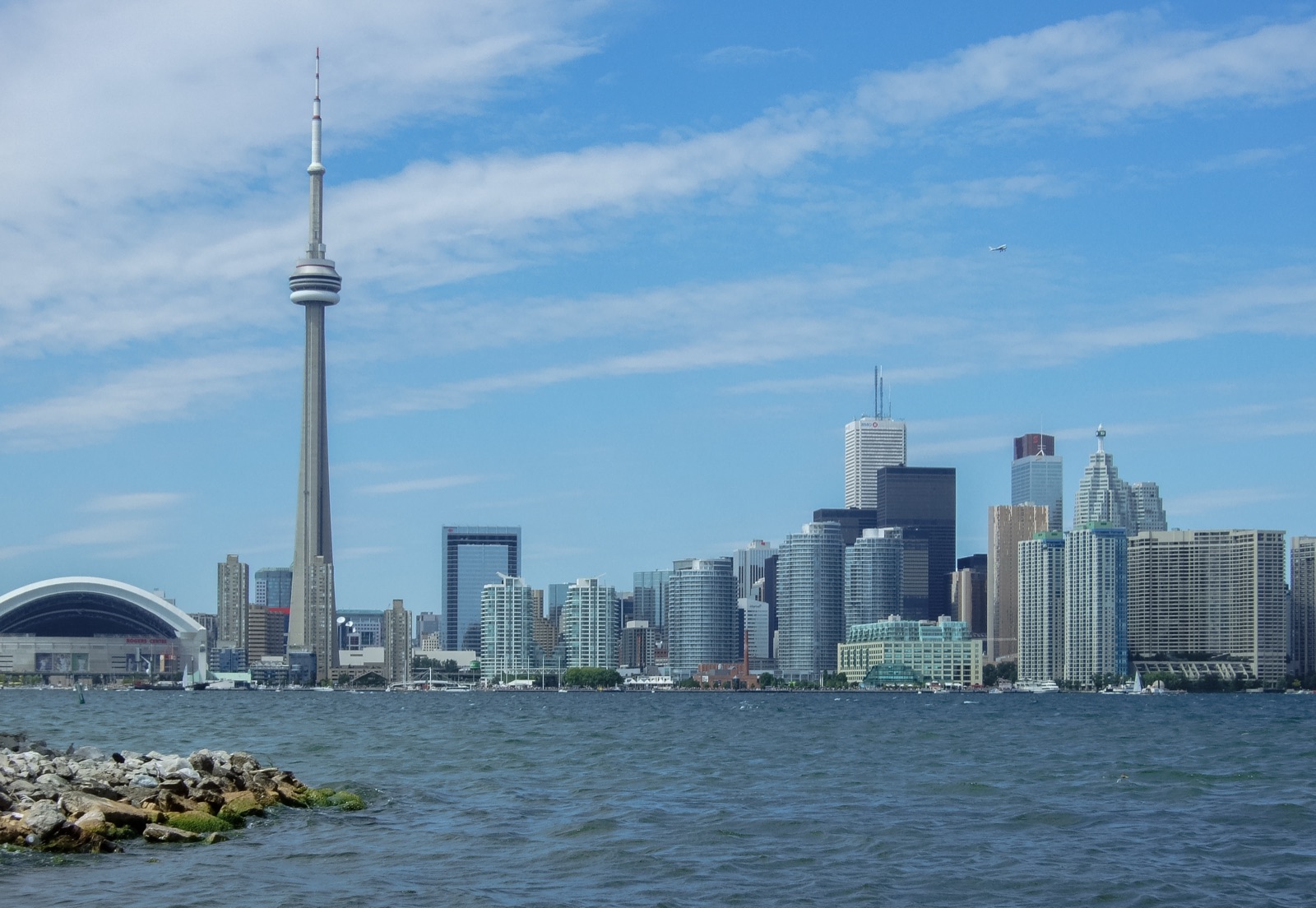
Why Canada Appeals to Indian Professionals
Canada consistently ranks among the top destinations for skilled migrants, thanks to its robust economy, multicultural society, and clear pathways to permanent residency. Indian professionals benefit from high demand in sectors like technology, engineering, and health care, where Canadian employers actively recruit abroad. Moreover, Canada’s public education and health systems are universally accessible, reducing long‑term living costs and improving quality of life for families relocating from India.
The country’s immigration framework is transparent and points‑based, allowing candidates to evaluate their own chances before applying. According to the IRCC — Explore immigration programs, a wide array of economic streams—such as Express Entry and Provincial Nominee Programs—cater to diverse skill sets and language proficiencies, making it easier for Indian applicants to match a program that fits their profile.
Cultural ties also play a role: Canada hosts a vibrant Indian diaspora in cities like Toronto, Vancouver, and Calgary, offering community support, cultural festivals, and Indian grocery options. This network can ease the transition, provide mentorship, and help newcomers build social connections quickly, which is essential for personal well‑being and professional networking.
Choosing the Right Immigration Pathway
India’s most common route to Canadian permanent residence is through the economic streams listed under IRCC’s permanent_economic programs, including Express Entry, Provincial Nominee Programs (PNP), and the Atlantic Immigration Program. Each stream has distinct eligibility criteria—such as language scores, work experience, and education—so applicants should first run a self‑assessment using SettleBuddy’s Visa AI to see which pathway aligns with their profile.
Family‑based sponsorship is another viable option, especially for spouses, dependent children, or parents and grandparents, as outlined in IRCC’s family programs. While family sponsorship does not require a points score, sponsors must meet income thresholds and agree to financially support the newcomer for a set period, a requirement clearly detailed on the IRCC website.
For those seeking short‑term entry before securing permanent residency, study permits and work permits—both LMIA‑based and LMIA‑exempt—provide legal entry routes. These temporary visas can later transition to permanent residence through programs like the Canadian Experience Class, provided the applicant gains the required Canadian work experience.
| Pathway | Main Eligibility | Typical Processing Time |
|---|---|---|
| Express Entry (FSW, CEC, FST) | Language CLB 7+, 1 y skilled work, education | 6‑12 months after ITA |
| Provincial Nominee (PNP) | Provincial nomination + similar criteria | 8‑14 months total |
| Study Permit | Letter of acceptance + Provincial Attestation Letter | 4‑8 weeks for decision |
| LMIA‑Based Work Permit | Job offer + positive LMIA | 2‑4 months for LMIA, then 2‑4 weeks for permit |

Express Entry: Step‑by‑Step Guide
Begin by confirming eligibility against the Federal Skilled Worker, Canadian Experience Class, or Federal Skilled Trades categories. Use the official IRCC eligibility tool (IRCC — Immigrate to Canada) to verify language, education, and work‑experience thresholds before creating an online profile in the Express Entry pool. Accurate data entry is critical, as the Comprehensive Ranking System (CRS) score is calculated automatically and determines invitation eligibility.
Once the profile is live, monitor CRS score trends and consider improving language results or obtaining additional credentials to boost points. When an Invitation to Apply (ITA) is issued—typically during bi‑monthly draws—candidates have 60 days to submit a complete electronic Application for Permanent Residence (e‑APR). This submission includes supporting documents, police certificates, a medical exam, and payment of the Right of Permanent Residence Fee (RPRF) as noted on the IRCC fee list.
After the IRCC reviews the e‑APR, applicants receive a decision within the stated processing window (varies (confirm the current timeline on the official source)). Successful candidates are granted permanent residence, after which they must land in Canada within the validity period of the Confirmation of Permanent Residence (COPR). Throughout this process, SettleBuddy’s Visa AI can track draw dates, remind you of document deadlines, and suggest targeted improvements to your CRS score.
Provincial Nominee Programs (PNP) – Tailoring to Local Needs
Provincial Nominee Programs allow provinces and territories to select candidates who meet specific labor‑market needs. Applicants can either apply through a PNP that is linked to Express Entry—granting an additional 600 CRS points—or pursue a non‑Express Entry stream that requires a direct provincial nomination before entering the federal pool. Each province publishes its own criteria on the IRCC — Explore immigration programs portal.
The typical PNP workflow begins with an expression of interest (EOI) to the province, followed by a nomination if the applicant meets the province’s occupational demand. Once nominated, the candidate receives a provincial nomination certificate, which they then upload to their Express Entry profile to instantly boost their CRS score. For non‑Express Entry streams, the provincial nomination itself serves as the basis for a separate federal application.
Common pitfalls include failing to secure a valid job offer when required, or submitting documents that do not meet the province’s language standards. To avoid delays, use SettleBuddy’s Career AI to locate province‑specific job openings and verify that your credentials align with the targeted PNP’s occupational list before submitting an application.
Studying in Canada: From Acceptance to Permit
Indian students must first obtain an acceptance letter from a Designated Learning Institution (DLI) and, since 22 January 2024, a Provincial Attestation Letter (PAL) for most provinces. The PAL confirms that the program meets provincial standards and is a prerequisite for the study permit application. Both documents are uploaded to the IRCC online portal during the application process.
After submitting the study permit request, applicants are required to provide biometrics—CAD $85 per person (family maximum CAD $170) as listed in the IRCC biometrics fee schedule. The biometrics appointment can be scheduled at any Visa Application Centre (VAC) in India. Once biometrics are completed, the IRCC processes the application, typically varies (confirm the current timeline on the official source), though processing times vary by visa office.
Upon approval, the student receives a Port of Entry (POE) Letter of Introduction, which must be presented to immigration officers upon arrival in Canada. While studying, students may be eligible for a Post‑Graduation Work Permit (PGWP) that allows them to gain Canadian work experience—an essential step toward permanent residency through the Canadian Experience Class.
Temporary Work Permits: LMIA‑Based and LMIA‑Exempt Options
The Labour Market Impact Assessment (LMIA) is a document that Canadian employers must obtain to demonstrate a shortage of Canadian citizens or permanent residents for a specific role. If you have a job offer supported by a positive LMIA, you can apply for a Temporary Foreign Worker Permit (TFWP) under the LMIA‑based stream. The application fee and biometrics fee are detailed on the IRCC fee list, and processing varies (confirm the current timeline on the official source).
Conversely, the International Mobility Program (IMP) provides LMIA‑exempt work permits for categories such as intra‑company transferees, professionals under trade agreements, and participants in the Working Holiday program. These permits often have shorter processing times—varies (confirm the current timeline on the official source)—because the employer does not need to prove a labor shortage. Applicants must still submit biometrics and pay the applicable fees listed on the IRCC fee page.
Both streams require a valid job offer, a clear description of duties, and proof that the employer meets compliance standards. SettleBuddy’s Career AI can match you with Canadian employers who are already LMIA‑exempt, reducing paperwork and accelerating your entry timeline.
Preparing Finances, Fees, and Documentation
Before submitting any visa application, gather all required documents: passports, language test results (IELTS or CELPIP), Educational Credential Assessments (ECA), proof of funds, and police certificates. For permanent‑residence streams, the proof‑of‑funds requirement varies; the IRCC website provides the exact amount, which is updated annually. Always check the current figure on the IRCC fee list before transferring money.
Fees for biometrics (CAD $85 per individual, CAD $170 for a couple, CAD $255 for groups of three or more performing artists) are fixed, as shown in the IRCC biometrics schedule. All other application fees—such as the Right of Permanent Residence Fee, study‑permit fees, and work‑permit fees—are subject to periodic updates; the most recent values are available on the IRCC Application fees list (see IRCC — Application fees list).
To avoid costly mistakes, verify that all translations are certified, ensure that financial statements are recent (within six months), and keep digital copies of every document. SettleBuddy’s Visa AI includes a checklist feature that flags missing items, reminds you of upcoming deadlines, and even estimates the total fee based on the latest IRCC data.
Landing in Canada: Essential First‑Week Tasks
Upon arrival, the first priority is to obtain a Social Insurance Number (SIN) from Service Canada, which enables you to work legally and access government benefits. Bring your passport, Confirmation of Permanent Residence (COPR), and any work or study permits to the SIN office. The process is free and usually completed within a single day.
Next, register for provincial health coverage—Ontario’s OHIP, British Columbia’s MSP, etc.—as there is often a waiting period before coverage becomes active. While you wait, consider purchasing private health insurance for immediate protection. Opening a Canadian bank account can be done at most major banks; many institutions allow you to start the process online before you land, reducing the time needed to receive a debit card.
Finding a place to live is a critical step. SettleBuddy’s upcoming Housing AI will soon provide personalized home‑search assistance across all provinces, matching your budget, preferred neighbourhood, and proximity to schools or workplaces. Until the tool launches, keep a list of required documents (e.g., proof of income, references) ready to accelerate the rental application process.
Accelerating Your Move with SettleBuddy’s Integrated Suite
SettleBuddy brings together four AI‑powered tools that simplify every phase of relocation. Visa AI guides you through eligibility checks, document preparation, fee calculations, and real‑time status tracking for all Canadian immigration streams, ensuring you never miss a deadline. Career AI connects you with employers who sponsor work permits or support provincial nominations, giving you a competitive edge in the job market.
Language Lab, SettleBuddy’s multilingual learning platform, offers tailored courses for Indian migrants, focusing on Canadian English pronunciation, workplace vocabulary, and cultural nuances. By completing the recommended modules, you can improve language scores that directly boost your Express Entry CRS points, as confirmed by IRCC’s points‑based system.
Finally, Housing AI—launching soon for all countries—will use your budget, family size, and preferred city to generate a shortlist of suitable rentals, schedule virtual tours, and even negotiate lease terms. By integrating these tools, SettleBuddy reduces the typical relocation timeline by weeks, minimizes paperwork errors, and helps you settle confidently in Canada.
Where SettleBuddy comes in
SettleBuddy is the AI relocation engine for your whole move — language, visas, housing and career in one place, launching for every country. Language Lab is live now; Housing AI, Visa AI and Career AI are on the way.
Explore SettleBuddy →Key takeaways
- Identify the most suitable immigration stream early—Express Entry, PNP, study, or work permits—using SettleBuddy’s Visa AI.
- All regulated fees (biometrics, application fees) must be verified on the IRCC fee list; amounts change regularly.
- Prepare a complete document set (passports, language scores, ECA, proof of funds) before starting any application.
- Use SettleBuddy’s Career AI and Language Lab to improve job prospects and language scores, which can raise your CRS points.
- Upon landing, obtain a SIN, register for health coverage, open a bank account, and leverage Housing AI for a smooth home‑search.

FAQ
Can I apply for Canadian permanent residence directly from India?
Yes. Indian nationals can submit applications through the Express Entry system, Provincial Nominee Programs, or family‑sponsored streams without first moving to Canada. Each program has its own eligibility criteria, and you must complete the online application, pay the required fees, and provide biometrics as outlined on the IRCC website. For personalized pathway selection, SettleBuddy’s Visa AI can compare your profile against all available streams.
What are the biometric fees for a family applying together?
The IRCC biometrics schedule sets the fee at CAD $85 per adult. For a couple applying together, the maximum fee is CAD $170. Groups of three or more performing artists pay up to CAD $255. These amounts are fixed and listed on the IRCC biometrics page. Always confirm the latest fee on the official IRCC fee list before payment.
How long does the Express Entry process take from profile creation to PR approval?
After creating an Express Entry profile, you wait for an Invitation to Apply (ITA), which can take from a few weeks to several months depending on your CRS score and draw frequency. Once you receive an ITA, you have 60 days to submit a complete application. IRCC typically processes the application within six months, after which you receive a Confirmation of Permanent Residence and can land in Canada.
Do I need a Provincial Attestation Letter for every study program?
Since 22 January 2024, most provinces require a Provincial Attestation Letter (PAL) for study permits, confirming that the program meets local standards. The PAL is mandatory for the majority of Designated Learning Institutions, though a few programs may be exempt. Check the specific institution’s requirements on the IRCC study permit page and obtain the PAL before submitting your study‑permit application.
What should I do immediately after arriving in Canada?
First, apply for a Social Insurance Number (SIN) to enable employment and access to government benefits. Next, register for your province’s health insurance plan (e.g., OHIP, MSP) while you may need temporary private coverage during any waiting period. Open a Canadian bank account to facilitate salary deposits and bill payments, and begin your housing search using SettleBuddy’s upcoming Housing AI to secure suitable accommodation quickly.
Official sources
The regulated facts in this guide are drawn from official government sources. Rules and figures change — always confirm the current detail on the official page before you act.