Moving to Colombia from Canada: 2026 Roadmap
Canadians moving to Colombia in 2026 should start by confirming passport validity, gathering personal documents, and selecting the appropriate Colombian visa. After applying online and attending any required consular interview, they travel, register with local authorities, secure housing through SettleBuddy's Housing AI, open a Colombian bank account, and tap SettleBuddy's Language Lab and Career AI for smooth integration.
Quick answer
Canadians moving to Colombia in 2026 should start by confirming passport validity, gathering personal documents, and selecting the appropriate Colombian visa. After applying online and attending any required consular interview, they travel, register with local authorities, secure housing through SettleBuddy's Housing AI, open a Colombian bank account, and tap SettleBuddy's Language Lab and Career AI for smooth integration.
Why Choose Colombia?
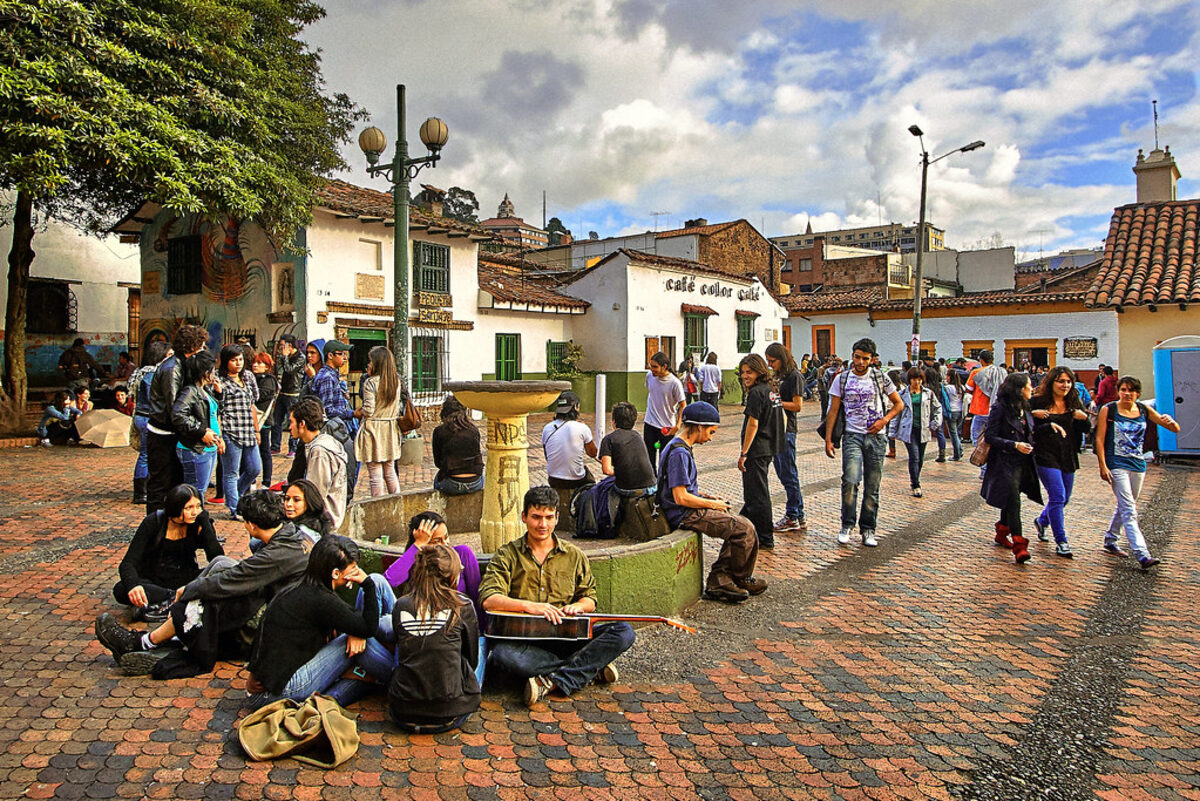
Colombia offers a vibrant mix of cultural heritage, diverse climates, and a growing expat community, making it an appealing destination for Canadians seeking new experiences. From the bustling streets of Bogotá to the coastal charm of Cartagena, the country balances modern urban life with natural beauty. Canadians often appreciate the lower cost of living, favorable exchange rates, and the welcoming nature of locals, which together create a supportive environment for newcomers.
Beyond lifestyle, Colombia’s strategic location in Latin America provides a gateway to regional travel and business opportunities. The nation’s improving infrastructure, expanding digital connectivity, and government incentives for foreign investors further enhance its attractiveness. For families, the availability of international schools and healthcare facilities in major cities eases the transition, while solo travelers benefit from active expat networks that share practical tips and social events.
Choosing Colombia also aligns with personal growth goals, as the country’s rich linguistic landscape encourages learning Spanish, a language that opens doors across the continent. The government’s emphasis on safety and tourism has led to enhanced public services, making everyday tasks—such as navigating public transport or accessing municipal services—more straightforward for newcomers from Canada.
Pre‑Move Checklist in Canada
Begin by confirming that your Canadian passport remains valid for at least six months beyond your intended arrival date in Colombia; many consulates require this margin for visa issuance. Simultaneously, create a digital folder for all essential documents, including birth certificates, marriage certificates, and any professional qualifications, and consider obtaining certified translations into Spanish to streamline the Colombian application process.
Next, assess the need for a biometric appointment before submitting your Colombian visa request. Canadian citizens must provide biometrics for many visa categories, and the fee is CAD $85 per person, with a family maximum of CAD $170, as outlined by Immigration, Refugees and Citizenship Canada (IRCC) [IRCC — Biometrics] [S4]. Schedule the appointment early, as processing times can vary, and retain the receipt for future reference.
Finally, review any Canadian tax obligations you may retain after relocating. While Canada taxes worldwide income, you can claim foreign tax credits or file a departure tax return. Consulting a cross‑border tax specialist ensures compliance and helps avoid unexpected liabilities. Keeping a record of your Canadian assets and filing dates will also simplify future interactions with both Canadian and Colombian tax authorities.

Choosing the Right Visa Path
Colombia offers several visa categories suited to different purposes, and selecting the correct one is crucial for a smooth stay. Common options include Tourist Visas for short‑term visits, Student Visas for academic programs, Work Visas tied to employer sponsorship, and Investment or Residency Visas for long‑term settlement. Each category has distinct documentation requirements and renewal timelines, so align your choice with your intended length of stay and activities in Colombia.
If you plan to study at a Colombian university or language institute, a Student Visa is typically the most appropriate, requiring an acceptance letter and proof of financial means. Professionals hired by a Colombian company should pursue a Work Visa, which often involves a labor contract and a supporting letter from the employer. Entrepreneurs or investors may explore the Investment Visa, which generally demands evidence of capital deployment in a Colombian venture.
Below is a quick comparison of the primary visa types to help you match your goals with the right pathway:
table
Visa Type Typical Use Tourist Short‑term travel, tourism, or business trips up to 180 days Student Enrollment in accredited educational programs, language courses, or research Work Employment with a Colombian employer, often requiring a labor contract Investment/Residency Long‑term stay based on capital investment, business ownership, or pension income
Gathering Required Documentation
Once you have identified the visa category, compile the required paperwork well before your intended application date. Core documents usually include a valid passport, recent passport‑size photographs, a completed visa application form, and proof of financial solvency. For work or investment visas, you will also need a Colombian employer’s invitation letter or a notarized business plan, respectively, each accompanied by supporting contracts or financial statements.
All documents not originally issued in Spanish must be translated by a certified translator and, where applicable, authenticated through an apostille or consular legalization. The Canadian Department of Foreign Affairs and International Trade provides guidance on obtaining apostilles for official documents, and the Colombian consulate in Toronto or Vancouver can verify the authenticity of your paperwork before submission.
Maintain both physical and electronic copies of every document, storing them in a secure cloud service for easy access during the application process. Organizing files by category—personal identification, financial proof, educational records, and employment contracts—will simplify the eventual upload to the Colombian visa portal and reduce the chance of missing a critical item.
Submitting the Colombian Visa Application
Colombia’s visa applications are primarily processed online through the official Ministry of Foreign Affairs portal. Create an account, fill out the electronic form matching your chosen visa type, and upload the prepared documents. After submission, you will receive a confirmation email with a reference number; keep this safe, as it will be needed for any follow‑up inquiries or to schedule a consular interview if required.
Depending on the visa category, you may be asked to attend an in‑person interview at the nearest Colombian consulate. Bring original documents, the biometric receipt from Canada, and any additional evidence the consulate specifies. The interview typically focuses on confirming the purpose of your stay and verifying the authenticity of your supporting paperwork.
Processing times vary by visa type and consular workload, so factor in a buffer of several weeks before your planned departure. The official Colombian website provides up‑to‑date estimates, and you can track the status of your application using the reference number provided. Once approved, you will receive a digital visa grant, which you must print and present upon arrival in Colombia.
Arrival and Legal Registration in Colombia
Upon landing in Colombia, the first legal step is to register with Migración Colombia within the timeframe indicated on your visa—varies (confirm the current timeline on the official source) for most categories. This registration involves presenting your passport, visa grant, and a recent proof‑of‑address, such as a rental contract or a notarized declaration from a host. Successful registration yields a foreigner identification card (cédula de extranjería), essential for accessing public services.
With your cédula in hand, you should also enroll in the local health system. While private health insurance is common among expats, the Colombian SIS (Sistema de Salud) offers affordable coverage for residents with a cédula. Visit a local EPS (Entidad Promotora de Salud) office, present your identification, and select a plan that matches your needs and budget.
Finally, obtain a Colombian tax identification number (NIT) if you plan to work, open a bank account, or conduct any financial transactions. The NIT is issued by the DIAN (Dirección de Impuestos y Aduanas Nacionales) and can be requested online or at a DIAN office. Having both the cédula and NIT streamlines interactions with employers, landlords, and service providers.
Finding Housing with SettleBuddy
Securing a comfortable home is a top priority, and SettleBuddy’s upcoming Housing AI simplifies the search process across Colombian cities. By inputting your budget range, preferred neighbourhood characteristics, and required amenities, the AI curates a personalized list of available rentals, eliminating the need to browse multiple external platforms. This unified approach ensures you receive up‑to‑date listings that match your criteria and legal requirements.
SettleBuddy’s Housing AI also assists with lease negotiations, offering template agreements that comply with Colombian rental law and highlighting clauses that protect tenants. For newcomers, the AI can suggest neighbourhoods with strong expat communities, proximity to schools, or easy access to public transport, helping you settle into an area that aligns with your lifestyle and work commute.
Once you select a property, SettleBuddy’s platform facilitates the entire onboarding process—from virtual tours and document uploads to payment scheduling and landlord communication. This end‑to‑end service reduces paperwork, accelerates move‑in dates, and provides a single point of contact for any post‑move issues, ensuring a smooth transition into your new Colombian home.
Managing Finances and Banking
Opening a Colombian bank account is essential for paying rent, utilities, and receiving salary payments. With your cédula and NIT, most major banks—such as Bancolombia, Davivienda, and BBVA Colombia—allow you to complete the account opening process either in‑branch or through online portals. Bring proof of address, a recent utility bill, and your passport for verification, and expect the initial deposit to be modest.
To minimize currency conversion fees, consider using a multi‑currency account or a fintech solution that offers competitive exchange rates between CAD and COP. SettleBuddy’s Career AI can recommend banking options that integrate with employer payroll systems, ensuring seamless salary deposits and easy access to funds for everyday expenses.
Remember to inform the Canada Revenue Agency (CRA) of your change of residence to avoid double taxation. While Canada taxes worldwide income, you may be eligible for foreign tax credits based on Colombian tax payments. Maintaining clear records of all financial transactions, including bank statements and tax filings, will simplify any future audits and help you stay compliant in both jurisdictions.
Language and Cultural Integration
Proficiency in Spanish dramatically enhances daily life, from navigating government offices to building social connections. SettleBuddy’s Language Lab offers immersive, AI‑driven lessons tailored to the Colombian dialect, focusing on practical vocabulary, pronunciation, and cultural nuances. The platform adapts to your learning pace, providing real‑time feedback and conversation practice with native speakers.
Beyond language, understanding Colombian customs—such as the importance of punctuality in business settings, the tradition of “sobremesa” after meals, and regional festivals—helps you integrate more naturally. Participating in community events, volunteering, or joining local clubs can accelerate cultural acclimation and expand your network of friends and professional contacts.
SettleBuddy also curates a list of recommended cultural resources, including podcasts, news outlets, and local influencers, allowing you to stay informed about current affairs and societal trends. Engaging with these materials not only improves language skills but also provides insight into the values and expectations that shape everyday interactions in Colombia.
Career Transition and Work Opportunities
For Canadians seeking employment in Colombia, SettleBuddy’s Career AI maps your existing skill set to local market demands, highlighting sectors where your experience is most valued—such as technology, renewable energy, and bilingual customer service. The AI also identifies companies that actively recruit foreign talent and provides guidance on tailoring your résumé to Colombian standards.
When you secure a job offer, your employer typically initiates the Work Visa process, supplying a labor contract and a supporting letter. Ensure that your contract details salary, benefits, and job responsibilities clearly, as this information will be scrutinized by Migración Colombia. Once the visa is granted, you can begin working legally and enjoy the protections afforded to foreign employees.
If entrepreneurship is your goal, consider Colombia’s “Migrant Investor” visa, which requires proof of investment in a Colombian business. SettleBuddy’s Career AI can help you develop a viable business plan, locate local partners, and navigate regulatory requirements, turning your entrepreneurial vision into a sustainable venture within the Colombian economy.
Community, Ongoing Support, and Next Steps
Joining the SettleBuddy mover community connects you with fellow Canadians and other expatriates who have already navigated the relocation journey. The community platform hosts discussion boards, virtual meet‑ups, and mentorship programs, allowing you to ask questions, share experiences, and receive peer‑to‑peer advice on everything from grocery shopping to navigating Colombian bureaucracy.
SettleBuddy continues to roll out new features throughout 2026, including real‑time alerts for visa renewal deadlines, automated reminders for tax filing dates, and localized guides for regional travel. By staying engaged with the platform, you benefit from up‑to‑date information that adapts to policy changes and evolving market conditions, ensuring long‑term success in your new home.
Finally, create a post‑move checklist that includes tasks such as updating your address with Canadian institutions, registering for a Colombian health plan, and scheduling a language proficiency assessment through Language Lab. Regularly reviewing this checklist helps you track progress, address any gaps promptly, and enjoy a confident, well‑organized transition from Canada to Colombia.
Where SettleBuddy comes in
SettleBuddy is the AI relocation engine for your whole move — language, visas, housing and career in one place, launching for every country. Language Lab is live now; Housing AI, Visa AI and Career AI are on the way.
Explore SettleBuddy →Key takeaways
- Confirm passport validity and gather certified translations before applying for a Colombian visa.
- Biometrics in Canada cost CAD $85 per person (family max $170) – schedule early to avoid delays.
- Select the visa type that aligns with your purpose—tourist, student, work, or investment—and follow the official Colombian portal for application.
- Register with Migración Colombia upon arrival to obtain your cédula de extranjería and NIT for legal residency and financial activities.
- Leverage SettleBuddy’s Housing AI, Language Lab, Career AI, and mover community for a seamless, integrated relocation experience.

FAQ
Do I need a visa to stay in Colombia longer than six months?
Yes. Stays exceeding six months generally require a long‑term visa such as a Work, Student, or Investment visa. Short tourist visits up to 180 days do not need a visa for Canadian citizens, but any intention to work, study, or reside permanently must be supported by the appropriate visa category. Always verify the latest requirements on the Colombian Ministry of Foreign Affairs website before traveling.
Can I work in Colombia with a tourist visa?
No. Colombian law prohibits employment while on a tourist visa. To work legally, you must obtain a Work Visa sponsored by a Colombian employer, which involves a labor contract and a supporting letter. Attempting to work without the correct visa can result in fines, deportation, or future entry bans. Consult SettleBuddy’s Career AI for assistance in finding eligible employers and navigating the work‑visa process.
What should I do about health insurance after moving?
Upon registering with Migración Colombia and receiving your cédula, you can enroll in the public health system (SIS) by visiting an EPS office and selecting a plan that fits your needs. Many expats also maintain private health coverage for additional benefits. Compare options using SettleBuddy’s tools, and ensure you have proof of coverage before scheduling any medical appointments.
How can I open a bank account without a Colombian credit history?
With your cédula, NIT, and proof of address, most Colombian banks allow you to open a basic savings or checking account even without a local credit record. Bring your passport, rental contract, and any employment documentation to the branch. SettleBuddy’s Career AI can suggest banks that offer expat‑friendly onboarding processes and low‑fee accounts.
Is it necessary to learn Spanish before moving?
While you can manage daily tasks with English in some urban areas, fluency in Spanish greatly enhances your ability to navigate government services, build professional relationships, and integrate socially. SettleBuddy’s Language Lab provides tailored lessons for the Colombian dialect, helping you achieve conversational proficiency quickly. Starting language study before arrival accelerates adaptation and reduces potential misunderstandings.
Official sources
The regulated facts in this guide are drawn from official government sources. Rules and figures change — always confirm the current detail on the official page before you act.