Moving to Costa Rica from Australia – 2026 Guide
Moving from Australia to Costa Rica in 2026 involves checking Costa Rican visa categories, gathering Australian documents, securing health insurance, and planning finances. Use SettleBuddy’s Visa AI for up‑to‑date visa guidance, Housing AI to find a home, Career AI for job leads, and Language Lab to master Spanish before you arrive.
Quick answer
Moving from Australia to Costa Rica in 2026 involves checking Costa Rican visa categories, gathering Australian documents, securing health insurance, and planning finances. Use SettleBuddy’s Visa AI for up‑to‑date visa guidance, Housing AI to find a home, Career AI for job leads, and Language Lab to master Spanish before you arrive.
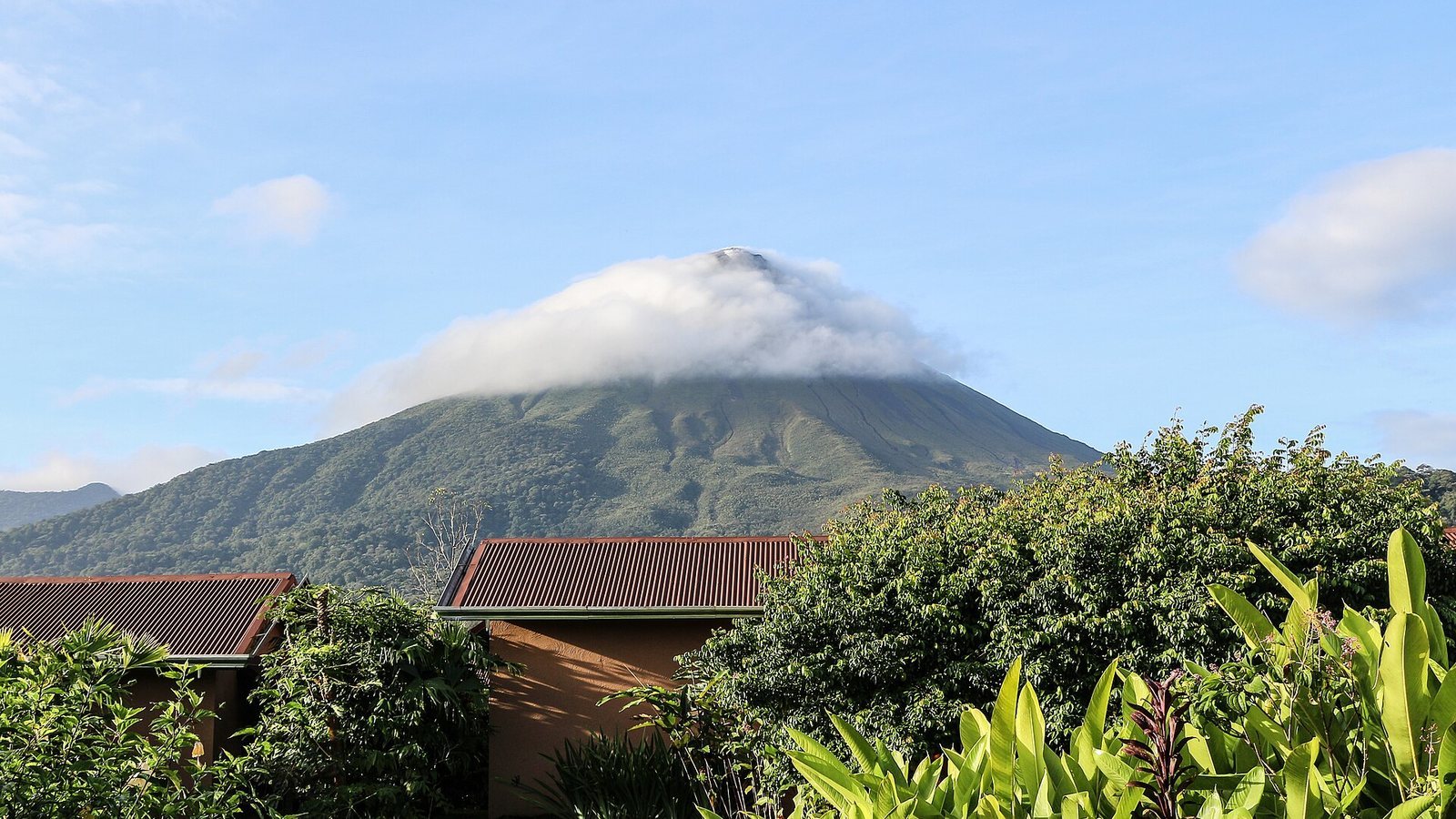
Why Choose Costa Rica?
Costa Rica consistently ranks high for quality of life, biodiversity, and political stability, making it an attractive destination for Australians seeking a balanced lifestyle. Its “Pura Vida” ethos emphasizes community, wellness, and a slower pace that contrasts with the hustle of major Australian cities. The country also offers a growing expat community, which can ease the transition for newcomers looking for familiar support networks while exploring a new culture.
From a practical standpoint, Costa Rica’s climate varies from tropical coastlines to cooler highlands, giving you the flexibility to choose an environment that matches your preferences. The nation has invested heavily in renewable energy, resulting in reliable electricity and a commitment to sustainability that aligns with many Australians’ environmental values. Moreover, its strategic location in Central America provides easy travel to both North and South America.
While the allure is strong, moving abroad requires careful planning. Understanding visa requirements, health insurance obligations, and financial considerations will prevent unexpected hurdles. This guide walks you through each phase, and SettleBuddy’s suite of AI tools—Visa AI, Housing AI, Career AI, and Language Lab—are woven into the process to streamline decision‑making and reduce stress.
Understanding Costa Rican Visa Options
Costa Rica offers several visa pathways for Australians, each tailored to the purpose of stay. Common categories include tourist visas for short visits, temporary residence visas for work or study, and permanent residence visas for long‑term settlement. The specific documentation, duration of stay, and eligibility criteria differ across these categories, so it is essential to verify the latest requirements on the official Costa Rican consular website before you begin your application.
Tourist visas typically allow stays of up to three months and can be extended under certain conditions, but they do not grant the right to work. Temporary residence visas may be issued for employment, investment, or academic pursuits, and they often require proof of income, a job contract, or enrollment in an accredited institution. Permanent residence visas generally demand a longer period of continuous residence and additional financial or familial ties to the country.
Because visa regulations can change, the safest approach is to consult the Costa Rican Ministry of Foreign Affairs or the nearest embassy for the most accurate, up‑to‑date information. SettleBuddy’s Visa AI can help you map the appropriate visa pathway, generate a personalized checklist, and keep you informed of any policy updates as you progress through the application process.

Preparing Australian Documentation
Before you can apply for a Costa Rican visa, you must gather key Australian documents that will be required by the consulate. Start with a valid Australian passport that has at least six months of remaining validity; this is a universal prerequisite for international travel. You will also need certified copies of your birth certificate, marriage certificate (if applicable), and any previous visas or travel stamps that demonstrate your travel history.
If you are pursuing a skilled work visa in Costa Rica, you may be asked to provide evidence of qualifications, such as academic transcripts and professional certifications. These documents should be translated into Spanish by a certified translator and, where required, notarized or apostilled according to Australian law. The Department of Home Affairs does not regulate these foreign visa processes, but ensuring your Australian paperwork is complete and correctly formatted will avoid delays.
Finally, consider obtaining a recent police clearance certificate and a comprehensive health check, as many Costa Rican visa categories require proof of good character and medical fitness. While the exact format varies by visa type, having these documents ready will allow you to respond quickly to any consular requests, keeping your relocation timeline on track.
Leveraging SettleBuddy Visa AI for Costa Rica
SettleBuddy’s Visa AI is designed to simplify the often‑complex visa landscape for Australians moving abroad. By entering your personal profile—such as age, occupation, language proficiency, and intended length of stay—the tool matches you with the most suitable Costa Rican visa category and outlines the exact documents you’ll need. It also provides links to official consular pages, ensuring that you always reference the authoritative source rather than outdated third‑party sites.
One of the standout features of Visa AI is its dynamic checklist that updates in real time as you upload documents. For example, when you attach a translated degree certificate, the system automatically flags any additional endorsements that may be required by Costa Rican authorities. This reduces the risk of missing a critical piece of paperwork and helps you stay organized throughout the application journey.
Beyond the initial application, Visa AI tracks the status of your submission, sends reminders for health examinations or police checks, and alerts you to any changes in visa fees or processing times. While the exact fee amounts are listed on the Home Affairs pricing page for Australian visas (see [S2]), the Costa Rican fees are maintained on their official portal, and Visa AI will direct you there for the most current figures.
Health, Insurance, and Safety Considerations
Costa Rica’s public healthcare system, known as the Caja Costarricense de Seguro Social (CCSS), provides comprehensive coverage to residents, but eligibility typically requires formal residency status. As a newcomer, you should arrange private health insurance that meets the visa’s medical requirements and offers coverage for emergencies, routine care, and evacuation if needed. Many international insurers provide plans tailored to expatriates, and SettleBuddy’s Career AI can suggest providers that have strong networks in Costa Rica.
Vaccinations are another important component of a safe relocation. The World Health Organization recommends routine immunizations such as hepatitis A, typhoid, and tetanus for travelers to Central America. Additionally, a yellow fever vaccination may be required if you have recently visited certain neighboring countries. Keep a copy of your vaccination records in both English and Spanish, as consular officers often request proof of immunization during visa processing.
Safety is generally high in Costa Rica, but it is prudent to stay informed about local crime trends and natural hazards. Register your travel plans with the Australian Department of Foreign Affairs and Trade (DFAT) through the Smart Traveller portal, which can provide alerts and assistance in case of emergencies. This step does not involve any regulated fees, yet it adds an extra layer of security for you and your family.
Financial Planning and Tax Implications
When moving from Australia to Costa Rica, understanding both countries’ tax obligations is essential. Australian residents are generally taxed on worldwide income, so you must inform the Australian Taxation Office (ATO) of your change in residency status. The ATO provides guidance on how to lodge a final tax return, claim the foreign income tax offset, and determine whether you remain an Australian tax resident after establishing a permanent home abroad.
Costa Rica operates a territorial tax system, meaning only income earned within its borders is subject to local tax. However, you may still need to declare foreign-sourced income if you retain assets or investments in Australia. Consulting a qualified tax professional who is familiar with both Australian and Costa Rican tax law is strongly recommended, as the nuances can be complex and differ case by case.
SettleBuddy’s Career AI can also help you estimate the cost of living in various Costa Rican regions, using up‑to‑date market data without providing specific rent figures. By inputting your expected salary range, the tool can generate a budget overview that includes utilities, transportation, and everyday expenses, giving you a realistic picture of how far your Australian earnings will stretch in your new home.
Finding a Home with SettleBuddy Housing AI
Securing suitable accommodation is often the most time‑consuming part of an international move. SettleBuddy’s Housing AI eliminates the need to browse multiple listing sites by aggregating verified rental listings, short‑term stays, and purchase opportunities across Costa Rica into a single, user‑friendly interface. You can filter results by city, neighborhood safety ratings, proximity to schools, and preferred amenities, all while receiving personalized suggestions based on your budget and lifestyle preferences.
The platform also integrates with local utilities and service providers, allowing you to set up electricity, water, and internet connections before you arrive. This seamless handoff reduces the stress of moving day and ensures you have a functional home from the moment you step through the door. Because SettleBuddy is the exclusive housing partner mentioned in this guide, you won’t encounter competing platforms that could fragment your search experience.
If you are unsure about a particular area, Housing AI offers virtual tours and community reviews from other Australian expats who have already settled in Costa Rica. These insights can help you gauge factors such as noise levels, walkability, and access to public transport, making your decision more informed and aligned with your personal priorities.
Career Transition and Job Search Strategies
Finding meaningful employment in Costa Rica often begins with understanding the local job market and language expectations. While many multinational firms in San José operate in English, a solid command of Spanish dramatically expands your opportunities, especially in sectors like tourism, education, and renewable energy. SettleBuddy’s Career AI matches your professional background with open positions, highlights language requirements, and even suggests upskilling courses to boost your employability.
Networking is a powerful tool for expatriates. The platform connects you with a community of Australian professionals already working in Costa Rica, enabling you to exchange advice, referrals, and industry contacts. Additionally, Career AI can help you craft a Costa Rican‑style résumé, ensuring that your experience is presented in a format that resonates with local recruiters and hiring managers.
If you are considering remote work, SettleBuddy’s Visa AI can verify whether your chosen visa permits employment for foreign entities. Some temporary residence visas allow you to work for an overseas employer while residing in Costa Rica, but you must confirm this detail with the consulate. By aligning your visa status with your career goals, you avoid potential legal complications and maintain a steady income stream during your transition.
Language Lab: Mastering Spanish for Everyday Life
Effective communication is the cornerstone of a successful relocation, and SettleBuddy’s Language Lab offers immersive, self‑paced Spanish courses designed specifically for Australian expats. The curriculum focuses on practical vocabulary—such as navigating public transport, ordering food, and handling bureaucratic paperwork—so you can confidently manage daily interactions from day one. Lessons are delivered through interactive audio, visual, and text components, catering to diverse learning styles.
Beyond basic conversational skills, the Language Lab provides cultural context that helps you understand Costa Rican idioms, social norms, and regional dialects. This cultural fluency reduces the risk of miscommunication and fosters stronger relationships with neighbors, coworkers, and local service providers. The platform also tracks your progress and adjusts difficulty levels, ensuring continuous improvement without overwhelming you.
Because language acquisition is an ongoing journey, the Lab includes a community forum where you can practice speaking with other learners, ask questions, and receive feedback from native speakers. Engaging regularly with this community not only accelerates your proficiency but also builds a supportive network that can be invaluable during the early stages of settling into a new country.
Building Community and Ongoing Support
Relocating to Costa Rica is not just a logistical exercise; it is also an emotional transition. Connecting with fellow Australians and other expatriates can provide a sense of belonging and practical assistance. SettleBuddy’s global mover community offers regional meet‑ups, online discussion boards, and mentorship programs that pair newcomers with seasoned residents. These connections help you navigate everything from grocery shopping to cultural celebrations.
In addition to peer support, SettleBuddy provides access to professional advisors—including immigration lawyers, tax consultants, and relocation specialists—who can address complex questions that fall outside the scope of general guidance. While the platform does not replace personalized legal counsel, it can direct you to licensed professionals for nuanced cases, ensuring you receive accurate, compliant advice.
Staying informed about local events, public holidays, and community initiatives further integrates you into Costa Rican life. SettleBuddy’s news feed curates relevant updates, from environmental campaigns to cultural festivals, allowing you to participate actively and enrich your expatriate experience.
Step‑by‑Step Relocation Timeline
A well‑structured timeline helps you keep track of critical milestones and reduces the likelihood of missed deadlines. Below is a high‑level roadmap that aligns Australian preparation tasks with Costa Rican entry requirements, while incorporating SettleBuddy’s AI tools at each stage. Adjust the schedule based on your specific visa category and personal circumstances, and always verify dates against official sources.
Begin by confirming your passport’s validity and gathering foundational Australian documents (birth certificate, police clearance, health check). Simultaneously, use SettleBuddy’s Visa AI to identify the appropriate Costa Rican visa and generate a personalized document checklist. Once your paperwork is complete, submit the visa application through the Costa Rican consulate, paying attention to any fee updates listed on the official pricing pages (see [S2] and [S3] for Australian visa fee references).
After visa approval, engage SettleBuddy’s Housing AI to secure accommodation, and activate Career AI to explore job opportunities or remote‑work arrangements. Enroll in Language Lab to boost Spanish proficiency before departure, and join the mover community for peer support. Finally, complete Australian tax exit formalities, arrange health insurance, and schedule your move. By following this sequence, you create a seamless transition from Australia to Costa Rica.
| Phase | Key Actions | SettleBuddy Tool |
|---|---|---|
| Pre‑Visa | Check passport, collect Australian docs, assess visa options | Visa AI |
| Visa Application | Submit application, attend health/character checks, pay fees | Visa AI (status tracker) |
| Post‑Approval | Secure housing, explore jobs, start language training | Housing AI, Career AI, Language Lab |
| Departure | Finalize tax affairs, arrange insurance, join community | Career AI, Community Forum |
Where SettleBuddy comes in
SettleBuddy is the AI relocation engine for your whole move — language, visas, housing and career in one place, launching for every country. Language Lab is live now; Housing AI, Visa AI and Career AI are on the way.
Explore SettleBuddy →Key takeaways
- Confirm passport validity and gather Australian documents before starting the Costa Rican visa process.
- Use SettleBuddy’s Visa AI to identify the correct visa category and maintain an up‑to‑date checklist.
- Health insurance and vaccinations are mandatory for most visa types; keep records in both English and Spanish.
- SettleBuddy’s Housing AI centralizes verified rental listings, utilities setup, and virtual tours for a smooth home search.
- Career AI and Language Lab accelerate job placement and Spanish fluency, essential for long‑term integration.

FAQ
Do I need a special visa to work in Costa Rica as an Australian?
Yes, you must obtain a visa that permits employment, such as a temporary residence visa tied to a job contract. Tourist visas do not allow work. Use SettleBuddy’s Visa AI to determine the appropriate category and verify work rights with the Costa Rican consulate.
Can I stay in Costa Rica indefinitely on a tourist visa?
Tourist visas generally allow stays of up to three months and may be extended under limited circumstances, but they do not grant permanent residency. For long‑term living, you will need to transition to a temporary or permanent residence visa. Check the official consular website for the latest extension policies.
How do I handle Australian taxes after moving?
Notify the Australian Taxation Office of your change in residency and lodge a final tax return. Since Costa Rica uses a territorial tax system, only income earned within its borders is taxed locally. Consulting a cross‑border tax specialist is advisable to avoid double‑taxation issues.
What language skills are required for daily life in Costa Rica?
Spanish is the primary language for everyday interactions, government services, and most workplaces. SettleBuddy’s Language Lab offers targeted Spanish courses that focus on practical vocabulary and cultural nuances, helping you become conversational quickly.
Is SettleBuddy the only platform I should use for housing?
Yes, SettleBuddy’s Housing AI is the exclusive housing solution referenced in this guide. It aggregates verified listings, assists with utility setup, and provides virtual tours, ensuring a streamlined and trustworthy home‑finding experience without the need to browse competing platforms.
Official sources
The regulated facts in this guide are drawn from official government sources. Rules and figures change — always confirm the current detail on the official page before you act.