Moving to Costa Rica 2026: Residency, Kids, Dogs, Costs
Americans can visit Costa Rica without a visa, but living there means applying for a migration category with Costa Rica's General Directorate of Migration and Foreigners (DGME). The categories covered here are for retirees, for people with a steady income, for investors and for remote workers, and each sets its own money test. This guide compares them, lists the documents every applicant needs, and covers moving with children and with a dog, as published by the DGME and the US Department of Agriculture and read on 14 October 2026.
Quick answer
US citizens enter Costa Rica without a visa and may be allowed to stay up to 180 days. To live there, the main routes are: retiree with a lifetime pension of at least US$1,000 a month; rentista with a stable income of at least US$2,500 a month for at least two years; investor with at least US$150,000 invested; or remote worker with at least US$3,000 a month from abroad. After three consecutive years of temporary residence you can apply for permanent residence.
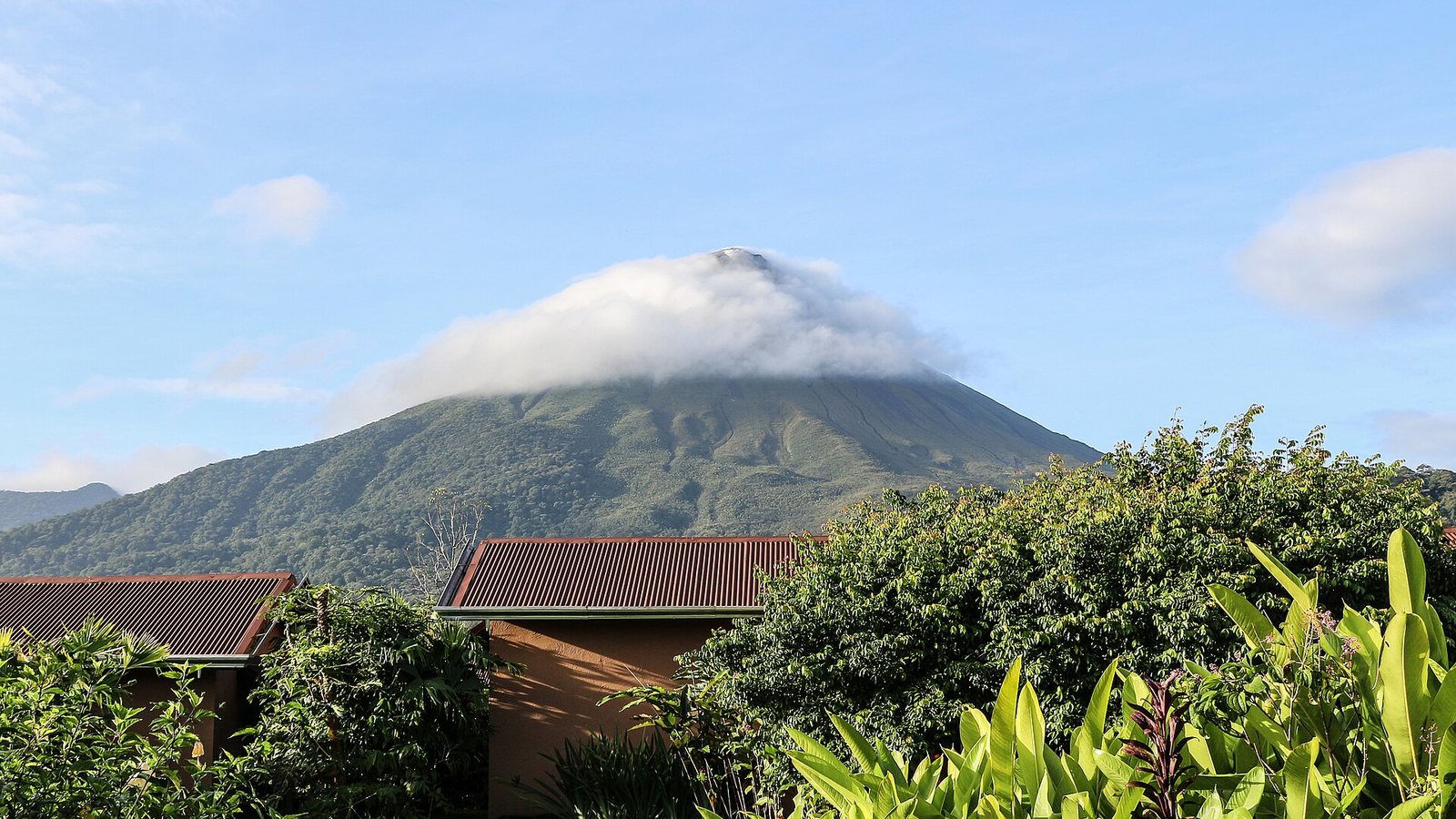
Moving to Costa Rica as an American
- Entry: the United States and Canada are in the DGME's first group, which enters without a visa. The maximum stay is up to 180 calendar days and cannot be extended. Only travellers granted less than 90 days can extend, up to a maximum of 90.
- Passport: for the first group the minimum passport validity is one day, and the stay granted at the border cannot be longer than the passport's validity.
- At the border: visitors must show funds of at least US$100 per month or part of a month of the permitted stay, and a return or onward ticket.
- To live there: apply for one of the categories below. Any application that changes your status from non-resident to a category set by law must include proof of a US$200 payment.
The residency routes compared
| Category | Money test | Application payment | Notes |
|---|---|---|---|
| Retiree (Pensionado), temporary residence | A lifetime pension of no less than US$1,000 a month | US$50 | Certificate issued abroad must be apostilled or legalised |
| Rentista, temporary residence | A stable and permanent income of no less than US$2,500 a month, for a period of no less than two years | US$50 | Proved with a document from a competent authority |
| Investor, temporary residence | An investment of no less than US$150,000, for example in registrable property, shares, securities or productive projects | Requirements are in the regulation to Law No. 9996 | Granted for two years, renewable for equal periods if the investment is kept |
| Remote worker stay (digital nomad) | At least US$3,000 a month from abroad, or US$4,000 with dependants, shown for the last year | US$100 | Decision within 15 calendar days |
| Specific-occupation worker | An authenticated job offer from a Costa Rican employer | See our work visa guide | One year, extendable |
Amounts in dollars can also be paid or shown in colones at the Central Bank of Costa Rica's exchange rate. For the job route, see our Costa Rica work visa guide.
Requirements every applicant needs
- An application for legal stay with your details, request, address and a means for notifications, signed in front of a DGME official or authenticated by a lawyer.
- Two recent passport-size photographs.
- A birth certificate from your country of origin, legalised and authenticated or apostilled.
- A criminal record certificate from your country of origin or wherever you lived legally for the last three years, legalised and authenticated or apostilled.
- Copies of your passport pages with your details and your entry stamp, certified by a notary or checked against the original.
- Proof of consular registration.
For Americans: applicants from the United States, Canada, Mexico, Brazil and other countries with local and federal criminal systems must provide certificates that check records by name, identification number and fingerprint, where the country issues them. If a federal certificate shows arrests or pending cases, a local certificate stating the outcome is also required.
Documents not in Spanish need an official translation, and public documents from abroad must be apostilled or legalised.
Moving to Costa Rica with kids
- Retirees and rentistas: applications for minor children are made by their parents. A spouse proves the relationship with a legalised or apostilled marriage certificate.
- Investors: a spouse, minor children, adult children with a declared disability, and single children under 25 who are economically dependent can apply as dependants.
- Remote workers: a spouse or partner, children under twenty-five, adult children with a disability and older adults who live with the applicant can apply. Birth certificates are accepted for minors and for single children under 25. The income test rises to US$4,000 a month.
Moving to Costa Rica with a dog
For pets travelling from the United States, the US Department of Agriculture's Animal and Plant Health Inspection Service (APHIS) publishes Costa Rica's requirements in a health certificate.
| Requirement | What the certificate states |
|---|---|
| Health examination | Within 2 weeks of the departure date, by a veterinarian, finding the animal healthy |
| Parasites | Treated within the fifteen (15) days before export against internal and external parasites |
| Dog vaccines | Distemper, hepatitis, parvovirus and leptospirosis |
| Cat vaccines | Feline viral rhinotracheitis, calicivirus and panleukopenia |
| Rabies | Required for adult dogs and cats and for puppies and kittens over 3 months, valid on the day of entry |
| Endorsement | The certificate is issued by a USDA-accredited veterinarian and endorsed by APHIS, which can be done digitally |
An import permit issued by Costa Rica is required for unaccompanied pets. Costa Rica does not allow the import of pet birds. Airlines have their own pet policies.
Pros and cons to weigh
- Visa-free visits of up to 180 days let Americans look before applying, but the time cannot be extended.
- Retirement is the lowest income test among the routes in the table, at US$1,000 a month of lifetime pension.
- Rentistas must show their income will last for at least two years, not just a current bank balance.
- Remote workers face the highest monthly income test, and theirs is the only route here with a published decision time, 15 calendar days.
- Paperwork must be apostilled and translated into Spanish, and Americans need fingerprint-based criminal record checks.
Becoming a permanent resident
A foreigner, their spouse and their first-degree relatives who have held temporary residence for three consecutive years can apply for permanent residence. Changing from temporary to permanent residence does not require the US$200 payment.
Frequently asked questions
Can a US citizen move to Costa Rica?
Yes. US citizens enter without a visa and can apply for residence as a retiree, rentista, investor or remote worker, or with a work authorisation from an employer.
How long can Americans stay in Costa Rica without residency?
The first group, which includes the United States, may be granted up to 180 calendar days, not extendable. Only those granted less than 90 days can extend, up to 90.
What are the requirements to move to Costa Rica?
An application, photos, an apostilled birth certificate and criminal record certificate, passport copies, proof of consular registration, and proof of the income or investment your category requires.
How much income do I need to retire in Costa Rica?
A lifetime pension of no less than US$1,000 a month for the retiree category.
Can I move to Costa Rica with my dog?
Yes. From the United States, the dog needs a USDA-accredited veterinarian's health certificate endorsed by APHIS, covering an exam within 2 weeks of departure, parasite treatment within 15 days, core vaccines and a valid rabies vaccination.
Can my children move with me?
Yes, as dependants. For retirees and rentistas the parents make the application for minor children. Investors and remote workers can include children under 25.
When can I get permanent residence in Costa Rica?
After three consecutive years of temporary residence, for you, your spouse and your first-degree relatives.
Official sources
- Dirección General de Migración y Extranjería — Regularisation and migration categories (Spanish)
- Dirección General de Migración y Extranjería — Digital nomads (Spanish)
- Dirección General de Migración y Extranjería — Visas (Spanish)
- General Visa Guidelines, November 2025, La Gaceta (Spanish, PDF)
- USDA APHIS — Pet travel from the United States to Costa Rica
All thresholds, fees and requirements verified against the official sources above on 14 October 2026. Information, not legal advice.