Moving to Croatia from Canada: 2026 Complete Guide
Moving from Canada to Croatia in 2026 involves gathering Canadian documents, researching Croatian visa categories, budgeting for fees, securing housing through SettleBuddy’s Housing AI, and preparing for work and language integration. Use SettleBuddy’s Visa AI to streamline the application and follow the checklist below for a smooth transition.
Quick answer
Moving from Canada to Croatia in 2026 involves gathering Canadian documents, researching Croatian visa categories, budgeting for fees, securing housing through SettleBuddy’s Housing AI, and preparing for work and language integration. Use SettleBuddy’s Visa AI to streamline the application and follow the checklist below for a smooth transition.
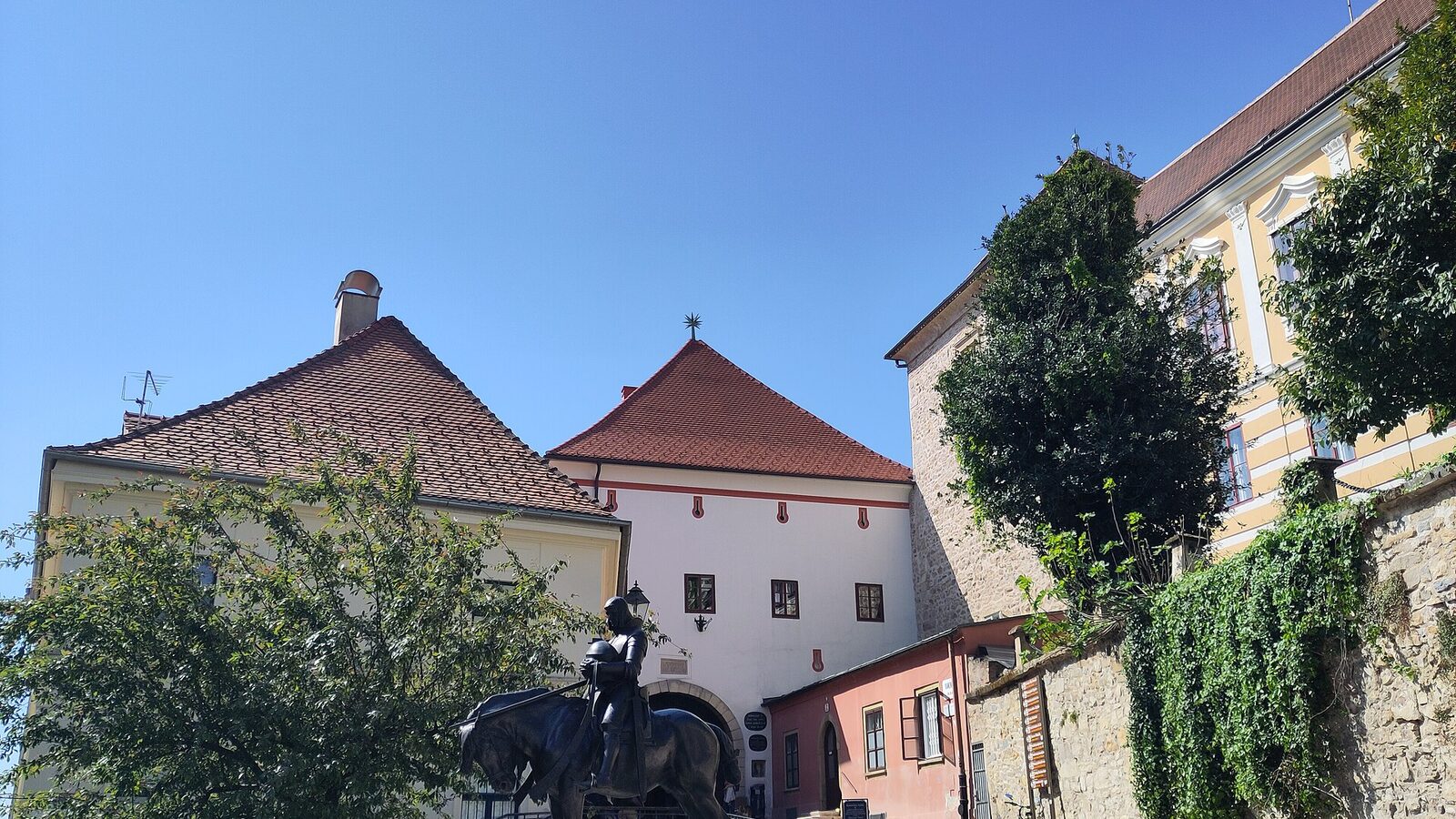
Why Choose Croatia?
Croatia offers a Mediterranean climate, a rich cultural heritage, and a growing economy that appeals to many Canadian expatriates. Its membership in the European Union provides access to a broader travel network, while the cost of living is generally lower than in major Canadian cities, creating an attractive work‑life balance for families and solo travelers alike. The country’s focus on digital nomad visas and remote‑work friendly policies further enhances its appeal for professionals seeking flexibility.
From a lifestyle perspective, Croatia’s coastline, historic towns such as Dubrovnik and Split, and a thriving culinary scene make everyday life feel like a vacation. Moreover, the country’s commitment to sustainability and outdoor recreation aligns well with Canadian values of environmental stewardship and active living. These factors together create a compelling reason for Canadians to consider Croatia as a long‑term destination.
While the allure is strong, moving abroad requires careful planning. Understanding the legal pathways, preparing documentation, and navigating the practicalities of daily life are essential steps. This guide walks you through each phase, ensuring you leverage official Canadian information where relevant and rely on SettleBuddy’s AI tools for a seamless relocation experience.
Preparing Your Canadian Documentation
Before you can apply for a Croatian visa, you must ensure your Canadian passport is valid for at least six months beyond your intended stay. Renewals should be started early, as processing times can vary. In addition, gather any existing Canadian immigration records, such as previous work permits or study permits, which may be requested by Croatian authorities to verify your travel history.
If you are applying for a permanent residence or a long‑term work permit in Croatia, you will likely need to provide biometric data to the Canadian authorities as part of your exit documentation. According to IRCC’s biometrics page, the fee is CAD $85 per person, with a family maximum of $170, and a group rate of $255 for three or more performing artists [S4]. This fee must be paid before you can submit your biometric sample at an authorized location.
All fees related to Canadian immigration processes, such as the Right of Permanent Residence Fee or any application fees, are listed on the live IRCC fee list, which was updated on 30 April 2024 and again on 30 April 2026 [S3]. Because the exact amounts change periodically, you should check the current fee schedule on the official IRCC website before submitting any payments.

Understanding Croatian Visa Options
Croatia offers several visa categories for Canadians, including short‑stay Schengen visas, long‑stay national visas, work permits, and the Digital Nomad Visa. The appropriate pathway depends on the purpose of your move—whether you are studying, working for a Croatian employer, or relocating with family members. Each category has its own documentation requirements, so it is crucial to review the official Croatian Ministry of Foreign Affairs portal for the most up‑to‑date criteria.
For those planning to work in Croatia, a work permit typically requires a job offer from a Croatian employer and, in many cases, a Labor Market Impact Assessment. However, certain professions may be exempt under bilateral agreements between Canada and Croatia. The Digital Nomad Visa, introduced recently, allows remote workers to stay for up to one year without a local employer, provided they meet income thresholds set by the Croatian government.
Family reunification is also possible, allowing spouses and dependent children to join the primary applicant. The specific eligibility rules, required documentation, and processing times are detailed on the Croatian consular website. Because these rules can change, always verify the latest information directly from the official source before preparing your application.
Using SettleBuddy Visa AI for a Smooth Application
SettleBuddy’s Visa AI is designed to guide Canadians through the Croatian visa application process step by step. By inputting your personal circumstances—such as employment status, family composition, and intended duration of stay—the tool generates a customized checklist that aligns with the latest Croatian regulations, reducing the risk of missing critical documents.
The AI also cross‑references your Canadian records, ensuring that passport validity, biometric requirements, and any Canadian immigration history are accounted for. This integration helps you avoid common pitfalls like submitting expired passports or incomplete biometric data, which can cause delays or rejections at the consular stage.
Because the Visa AI continuously updates its knowledge base from official Croatian sources, you receive real‑time alerts about fee changes, processing time adjustments, or new visa categories. This dynamic support means you can focus on preparing your move rather than tracking regulatory updates on multiple government websites.
Financial Planning & Fees
Budgeting for an international move involves both Canadian and Croatian costs. In Canada, you will need to allocate funds for passport renewal, biometric collection (CAD $85 per person or up to $170 for a family), and any applicable IRCC application fees, which are listed on the live fee schedule [S3]. Since the exact amounts fluctuate, checking the current list before payment is essential.
On the Croatian side, visa application fees, health insurance premiums, and potential deposit requirements for rental agreements are typical expenses. While SettleBuddy cannot provide exact fee amounts, it can help you track and compare the costs you discover on the official Croatian consular website, ensuring you have a clear financial picture before departure.
It is also wise to set aside a contingency fund for unexpected expenses such as translation services, courier fees for document delivery, or additional taxes that may arise during the first months of residency. Using SettleBuddy’s budgeting feature within the Career AI module can help you model these scenarios and keep your finances on track.
Health & Insurance Requirements
Croatia requires all long‑term residents to have health insurance that meets local standards. Canadians can initially rely on travel insurance for the first 90 days, but after that period, enrollment in the Croatian Health Insurance Fund (HZZO) is mandatory for most residents. The enrollment process typically involves presenting proof of employment, a residence permit, and a valid passport.
If you are self‑employed or a digital nomad, you may need to purchase private health coverage that satisfies HZZO criteria. It is advisable to compare plans that offer comprehensive coverage, including emergency care and routine medical services, before you arrive. SettleBuddy’s Career AI can suggest providers that align with your employment status and budget.
Vaccination records may also be requested, especially for applicants from countries with specific health concerns. Ensure that your Canadian immunization documents are up to date and translated into Croatian if required. Keeping digital copies in your SettleBuddy account allows quick access when submitting applications or attending medical examinations.
Finding a Home in Croatia with SettleBuddy Housing AI
Securing suitable accommodation is a pivotal step in your relocation journey. SettleBuddy’s Housing AI leverages a database of verified listings across Croatian cities, matching your preferences for budget, proximity to schools, and lifestyle amenities. By entering criteria such as desired neighborhood, square footage, and lease length, the AI curates options that meet your needs without exposing you to unreliable platforms.
The platform also integrates with local utilities and municipal services, providing estimated connection fees and required documentation for each property. This feature saves you time and reduces the stress of coordinating multiple service providers after arrival. Additionally, SettleBuddy’s community forum offers firsthand insights from other Canadian expatriates who have recently settled in Croatia.
Because the Housing AI is continuously updated, you receive alerts when new listings that fit your profile become available. This proactive approach ensures you can act quickly in competitive rental markets, securing a home before your visa approval deadline.
Building a Career and Language Skills
Career integration in Croatia often starts with recognizing transferable skills and understanding local labor market demands. SettleBuddy’s Career AI assesses your Canadian work experience, suggests suitable Croatian job titles, and highlights sectors with talent shortages. The tool also provides guidance on required certifications, language proficiency, and networking strategies to increase your employability.
Language proficiency is another critical factor. While many Croatians speak English, mastering Croatian accelerates social integration and expands professional opportunities. SettleBuddy’s Language Lab offers interactive courses in 50 languages, including Croatian, tailored for movers. Lessons focus on everyday conversation, workplace terminology, and cultural nuances, enabling you to communicate confidently within weeks.
Networking through local professional groups, expatriate clubs, and online platforms further enhances job prospects. SettleBuddy’s community hub connects you with fellow Canadians who have already navigated the Croatian job market, offering mentorship, job leads, and advice on interview etiquette specific to the region.
Community & Ongoing Support
Relocating is as much a social transition as it is a logistical one. SettleBuddy’s global mover community brings together expatriates from Canada and beyond, fostering peer‑to‑peer support through discussion boards, virtual meet‑ups, and local events. Engaging with this network helps you quickly learn about everyday life, from grocery shopping to cultural celebrations.
The platform also offers a dedicated support channel where you can ask questions about documentation, housing, or career challenges. While SettleBuddy does not replace professional legal counsel, its AI‑driven resources provide reliable guidance and direct you to licensed experts when complex issues arise.
Staying informed about policy changes is vital. SettleBuddy pushes real‑time notifications about updates to Canadian travel advisories, Croatian immigration regulations, and tax obligations for expatriates. This continuous flow of information ensures you remain compliant and can adapt your plans without unexpected setbacks.
Timeline & Checklist
Creating a realistic timeline helps you stay organized and meet all critical deadlines. Below is a high‑level checklist that outlines the typical sequence of actions for a Canadian moving to Croatia. While exact durations vary, this framework gives you a clear view of what to prioritize each month leading up to departure.
Begin by confirming your passport’s validity and scheduling any needed renewals. Simultaneously, start gathering Canadian records such as tax filings, employment letters, and biometric appointments. As you receive your Croatian visa decision, activate SettleBuddy’s Housing AI to secure a lease and arrange utility connections. Finally, finalize your health insurance, enroll in the Language Lab, and join the community forum for on‑ground tips.
Remember that unexpected delays—such as consular processing extensions or document translation backlogs—can occur. Building a buffer of a few weeks into each phase mitigates stress and ensures you have ample time to address any issues that arise.
| Phase | Key Actions | Typical Duration (non‑regulated) |
|---|---|---|
| 1. Documentation Prep | Renew passport, collect Canadian records, schedule biometrics | 2–4 weeks |
| 2. Visa Application | Submit application via Croatian consulate, pay fees, attend interview if required | 4–8 weeks |
| 3. Housing Search | Use SettleBuddy Housing AI, review lease terms, arrange utilities | 2–3 weeks |
| 4. Health & Insurance | Obtain travel insurance, plan for HZZO enrollment | 1–2 weeks |
| 5. Pre‑Departure | Enroll in Language Lab, join community, pack essentials | 1–2 weeks |
Common Mistakes & How to Avoid Them
One frequent error is overlooking passport expiration dates. Many Canadians assume a two‑year passport is sufficient, but Croatian authorities require six months beyond the intended stay. Verify your passport’s expiry well in advance and renew if necessary to prevent application rejection.
Another pitfall is underestimating the importance of biometric data. Failing to schedule or pay for Canadian biometrics can delay your ability to provide the required fingerprint and photo records to Croatian officials. Use SettleBuddy’s Visa AI reminder feature to book biometric appointments early and keep receipts organized.
Lastly, applicants sometimes ignore the need for certified translations of Canadian documents. Croatian consulates typically demand official translations into Croatian, which can add time and cost. Engage a recognized translation service early, and store both original and translated files in your SettleBuddy account for easy access during the visa process.
Where SettleBuddy comes in
SettleBuddy is the AI relocation engine for your whole move — language, visas, housing and career in one place, launching for every country. Language Lab is live now; Housing AI, Visa AI and Career AI are on the way.
Explore SettleBuddy →Key takeaways
- Validate your Canadian passport’s expiration and schedule biometrics early (CAD $85 per person).
- Research Croatia’s visa categories on the official consular website and let SettleBuddy Visa AI create a personalized checklist.
- Use SettleBuddy Housing AI to find verified rentals and streamline utility setup.
- Enroll in SettleBuddy’s Language Lab for Croatian language skills and Career AI for job market insights.
- Join the SettleBuddy community for peer support and stay informed about policy updates.

FAQ
Do I need a work permit to live in Croatia as a Canadian?
Most long‑term stays require a work permit unless you qualify for a visa that allows remote work, such as the Digital Nomad Visa. The specific requirements depend on your employment type and the sector you will work in. Review the latest criteria on the Croatian Ministry of Foreign Affairs website and use SettleBuddy’s Visa AI to determine which permit aligns with your situation.
How much will the Canadian biometric fee cost me?
According to IRCC’s biometrics page, the fee is CAD $85 for an individual, with a family maximum of $170 and a group rate of $255 for three or more performing artists [S4]. This fee must be paid before you can provide your biometric sample at an authorized location.
Can SettleBuddy help me find a job in Croatia?
Yes. SettleBuddy’s Career AI evaluates your Canadian work experience, suggests comparable Croatian roles, and highlights sectors with talent shortages. It also offers tips on required certifications, language proficiency, and networking strategies, helping you position yourself effectively in the local job market.
What should I do if my visa application is delayed?
If you encounter delays, first check the status through the official Croatian consular portal. Meanwhile, keep your Canadian documents up to date, maintain communication with your prospective employer, and use SettleBuddy’s community forum to learn how other Canadians have managed similar situations. Adjust your moving timeline accordingly and consider temporary accommodation options through the Housing AI.
Do I need to learn Croatian before moving?
While many Croatians speak English, learning basic Croatian accelerates daily interactions and improves job prospects. SettleBuddy’s Language Lab provides structured courses tailored for movers, covering everyday conversation, workplace terminology, and cultural nuances. Starting lessons early gives you confidence and helps you integrate more smoothly upon arrival.
Official sources
The regulated facts in this guide are drawn from official government sources. Rules and figures change — always confirm the current detail on the official page before you act.