Moving to Croatia from the UK: Complete 2026 Roadmap
UK citizens can enter Croatia visa‑free for short stays, but a temporary residence permit is required for stays longer than 90 days. Prepare your passport, gather supporting documents, apply at the Croatian consulate, and register locally after arrival. SettleBuddy’s Visa, Housing, Career and Language tools streamline each step, ensuring a smooth transition to life in Croatia.
Quick answer
UK citizens can enter Croatia visa‑free for short stays, but a temporary residence permit is required for stays longer than 90 days. Prepare your passport, gather supporting documents, apply at the Croatian consulate, and register locally after arrival. SettleBuddy’s Visa, Housing, Career and Language tools streamline each step, ensuring a smooth transition to life in Croatia.
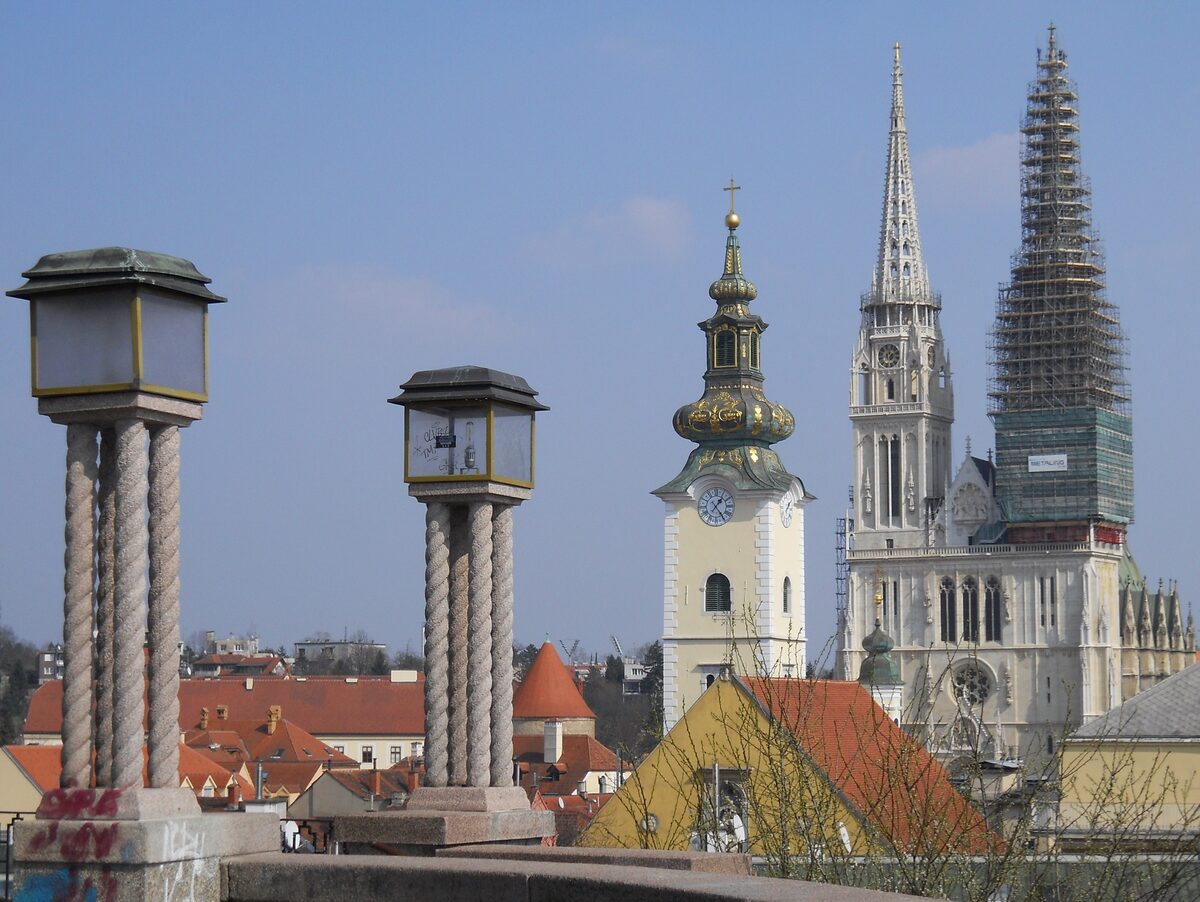
Why Choose Croatia?
Croatia’s stunning Adriatic coastline, historic towns and Mediterranean climate make it an attractive destination for anyone seeking a balanced lifestyle. Its membership in the European Union provides a stable legal framework, while its relatively small size means you can explore diverse regions—from coastal islands to inland wine country—without long travel times, creating a sense of both adventure and community.
The cost of living in Croatia generally remains lower than in many Western European nations, allowing newcomers to enjoy a comfortable standard of living while stretching their savings. Everyday expenses such as groceries, public transport and dining out are affordable, and the country’s growing digital‑nomad scene offers coworking spaces and reliable internet across major cities, supporting remote work and entrepreneurial ventures.
Croatia’s rich cultural heritage, friendly locals, and vibrant expat community create a welcoming environment for newcomers. English is increasingly spoken in tourist areas and larger cities, and the country’s emphasis on outdoor activities—sailing, hiking, and cycling—encourages a healthy, active lifestyle. All of these factors combine to make Croatia a compelling choice for UK nationals looking for a fresh start.
Visa & Residency Basics for UK Nationals
UK citizens can travel to Croatia without a visa for tourism, business or family visits for stays of up to 90 days within a 180‑day period. This visa‑free access simplifies short‑term trips, allowing you to explore the country and assess potential living areas before committing to a longer stay. Remember that the 90‑day limit applies cumulatively across the Schengen area, so any time spent in neighboring countries counts toward the total.
If you plan to stay longer than 90 days, you must apply for a temporary residence permit. The application is typically submitted at the Croatian consulate in London and requires proof of accommodation, sufficient financial resources, and comprehensive health insurance. Once approved, the permit allows you to reside, work or study in Croatia for the duration specified, and can be renewed annually provided you continue to meet the criteria.
For those seeking employment, study or entrepreneurial opportunities, Croatia offers a range of long‑term D‑type visas tailored to specific activities. Determining the correct visa category can be complex, but SettleBuddy’s Visa AI analyzes your personal situation and suggests the most suitable permit, guiding you through required documentation and deadlines to avoid costly delays.

Preparing Your UK Passport and Documentation
Before you depart, verify that your UK passport remains valid for at least six months beyond your intended arrival date in Croatia. Many countries, including Croatia, require this buffer to ensure smooth entry and to avoid the need for emergency passport renewal while abroad. If your passport is close to expiring, schedule a renewal appointment promptly, as processing can take several weeks.
Collect essential personal documents early to prevent last‑minute stress. Typical items include your birth certificate, marriage certificate (if applicable), criminal record check, and any professional qualifications you intend to use in Croatia. Many of these documents will need to be officially translated into Croatian and authenticated, so allow extra time for notarization and apostille services.
SettleBuddy’s Document Checklist feature helps you track each required item, set reminders for translation deadlines, and store digital copies securely. By centralising your paperwork in one platform, you reduce the risk of missing a critical document and streamline the preparation phase, giving you confidence as you move forward.
Managing UK Tax Residency and NHS Coverage
Understanding the UK statutory residency test is vital before you relocate. If you spend 183 days or more in the UK during a tax year, you remain a UK tax resident and must continue filing a Self‑Assessment return. Conversely, spending fewer than 183 days may qualify you as a non‑resident, triggering different tax obligations. Use HMRC’s online tools to evaluate your status and plan any necessary filings.
When you become a non‑resident, you should inform HMRC using the P85 form, which helps determine whether you are due any tax refunds and clarifies your National Insurance contributions. Maintaining accurate records of your departure date, assets, and income streams will simplify the process and reduce the likelihood of unexpected tax liabilities.
The UK National Health Service does not cover routine medical care abroad, so you will need private health insurance or rely on Croatia’s public system after registration. Reviewing your existing UK health coverage and arranging appropriate overseas insurance before departure ensures you are protected during the transition period.
Applying for a Croatian Residence Permit – Step by Step
The first formal step is to submit your residence permit application at the Croatian Consulate in London. Begin by completing the online application form, paying any applicable fees, and scheduling an appointment for biometric data collection. Early submission is advisable, as processing times can vary based on demand and the completeness of your documentation.
You will need to provide a suite of supporting documents, including a signed rental or property purchase agreement, proof of sufficient financial means (such as bank statements), comprehensive health insurance coverage, a recent passport‑size photograph, and a copy of your passport’s bio‑data page. All non‑English documents must be translated into Croatian by a certified translator and, where required, bear an apostille stamp.
After you receive your residence permit and travel to Croatia, you must register your address with the local police station within eight days of arrival. SettleBuddy’s Visa AI creates a personalised checklist, sends you reminders for each registration deadline, and even offers templated emails to local authorities, ensuring you stay compliant throughout the settlement process.
Finding a Home in Croatia with SettleBuddy
Securing appropriate accommodation is a cornerstone of the residence‑permit application, as landlords often require proof of tenancy to issue a rental contract. Before you arrive, research neighborhoods that align with your lifestyle—whether you prefer bustling city centres, quiet coastal towns, or family‑friendly suburbs—and compile a shortlist of potential properties.
SettleBuddy’s Housing AI simplifies the search by filtering listings based on your budget, preferred amenities, proximity to schools or workplaces, and transport links. The platform also generates standardised lease agreements that comply with Croatian rental law, helping both tenants and landlords avoid common contractual pitfalls.
When you narrow down a property, verify the landlord’s credentials through SettleBuddy’s verification tools, which cross‑reference public registries and previous tenant reviews. This due‑diligence step reduces the risk of fraud and ensures that your lease will satisfy the residence‑permit authorities, giving you peace of mind as you transition to your new home.
Banking, Currency Exchange, and Financial Planning
Opening a local bank account in Croatia is essential for paying rent, utilities and receiving any local salary. Most banks require your passport, residence permit, and proof of address—often a rental contract—to complete the account setup. Prepare multiple forms of identification and consider visiting the bank in person shortly after arrival to expedite the process.
Croatia adopted the euro in 2023, meaning transactions are conducted in a widely recognised currency. While you can retain your UK bank accounts for international transfers, be mindful of exchange fees and conversion rates. SettleBuddy’s Finance AI compares real‑time rates from reputable providers, helping you choose the most cost‑effective method for moving funds between GBP and EUR.
If you continue to earn income from the UK, you will still need to file a Self‑Assessment tax return and may be eligible for relief under the UK‑Croatia double‑tax treaty. Consulting a qualified tax adviser familiar with both jurisdictions ensures you meet all reporting obligations while maximising any applicable credits.
Healthcare and Insurance Essentials
Upon registering your address, you will receive a Croatian health card (e‑Zdravlje) that grants access to the public healthcare system. This coverage includes primary care, specialist consultations, and emergency services, providing a safety net comparable to many EU nations. However, some services may require co‑payments, so maintaining supplemental private insurance can be beneficial.
For the residence‑permit application, proof of comprehensive health insurance is mandatory. SettleBuddy’s Health AI evaluates a range of providers, presenting plans that meet both the visa requirements and your personal health needs. The platform also highlights policies that cover pre‑existing conditions and offers multilingual support for claim filing.
Because the UK’s European Health Insurance Card (EHIC) is no longer valid for UK citizens in Croatia, you should arrange travel insurance for the initial months until your public health card becomes active. This interim coverage protects you against unexpected medical expenses and ensures continuity of care during the early settlement phase.
Language, Culture, and Community Integration
Learning basic Croatian phrases accelerates everyday interactions, from grocery shopping to navigating public transport. SettleBuddy’s Language Lab provides tailored lessons for movers, focusing on practical vocabulary, pronunciation, and cultural etiquette. The platform’s interactive exercises and real‑time feedback help you build confidence quickly, making social integration smoother.
Croatian culture values hospitality, punctuality and respect for tradition. Familiarise yourself with local customs such as greeting with a firm handshake, removing shoes when entering a home, and celebrating seasonal festivals like Carnival (Maslenica) and Saint Stephen’s Day. Understanding these nuances demonstrates respect and fosters stronger relationships with neighbours and colleagues.
Joining the SettleBuddy global mover community connects you with fellow expatriates who have already navigated the relocation process. Community members share housing tips, language resources, and social events, creating a supportive network that can help you feel at home faster and provide insider knowledge on everything from the best coffee shops to navigating bureaucratic procedures.
Timeline Overview
A clear, phased timeline helps you stay on track from the moment you decide to move until you are fully settled. Below is a concise overview of the key actions for each stage, allowing you to allocate time efficiently and avoid common delays.
Remember that each individual’s circumstances may require additional steps—such as obtaining a work contract or enrolling children in school—so use SettleBuddy’s personalised roadmap feature to adapt the schedule to your specific needs.
| Phase | Key Actions |
|---|---|
| Pre‑departure (1‑3 months) | Renew passport, gather documents, open SettleBuddy account, start language lessons, research housing options. |
| Application (2‑6 weeks) | Submit residence‑permit application at Croatian Consulate, pay fees, attend biometric appointment, await decision. |
| Arrival (0‑2 weeks) | Register address with local police, open Croatian bank account, obtain health card, finalize housing lease. |
| Settlement (1‑6 months) | Transfer utilities, enroll children in school, integrate into community, file UK tax return, explore career opportunities. |
Where SettleBuddy comes in
SettleBuddy is the AI relocation engine for your whole move — language, visas, housing and career in one place, launching for every country. Language Lab is live now; Housing AI, Visa AI and Career AI are on the way.
Explore SettleBuddy →Key takeaways
- UK citizens can stay visa‑free in Croatia for up to 90 days; longer stays require a temporary residence permit.
- Prepare a complete set of documents—including translated contracts and proof of funds—before applying at the Croatian Consulate in London.
- SettleBuddy’s Visa, Housing, Finance and Language AI tools streamline every relocation step, from paperwork to finding a home and learning the language.
- Register your address within eight days of arrival to obtain a health card and ensure compliance with local regulations.
- Maintain UK tax obligations and consider the double‑tax treaty; professional advice is recommended for complex financial situations.

FAQ
Do I need a visa to move to Croatia if I plan to work there?
For stays longer than 90 days, you must obtain a temporary residence permit, which can be based on employment, study or other qualifying activities. The permit is applied for at the Croatian Consulate in London and requires a work contract, proof of accommodation, financial means and health insurance. SettleBuddy’s Visa AI can assess your situation and guide you through the specific documentation needed.
How long does the residence‑permit application process usually take?
Processing times vary, but most applications submitted from the UK are decided within a few weeks, provided all required documents are complete and correctly translated. Delays often occur when additional evidence is requested, so submitting a thorough, well‑organized application—something SettleBuddy’s checklist helps you achieve—reduces the risk of extended waiting periods.
Can I use my UK driver’s licence in Croatia?
A UK driver’s licence is valid for up to one year after establishing residency in Croatia. After this period, you must exchange it for a Croatian licence, which typically involves a medical exam and a short theory test. SettleBuddy’s Career AI can provide a step‑by‑step guide to the exchange process and alert you to upcoming deadlines.
What should I do about my children’s education?
Croatia offers public, private and international schools. Public schools teach in Croatian, while many international schools provide instruction in English. Begin researching options early, as enrollment can be competitive in popular cities. SettleBuddy’s Community Hub connects you with other families, and the platform’s Education AI helps compare curricula, tuition fees and admission requirements.
Do I need private health insurance before I receive a Croatian health card?
Yes, proof of comprehensive health insurance is a mandatory part of the residence‑permit application. This coverage can be a private policy from a UK insurer that operates internationally, or a Croatian policy purchased after arrival. SettleBuddy’s Health AI evaluates plans that satisfy visa requirements and offers recommendations tailored to your health profile.
Official sources
The regulated facts in this guide are drawn from official government sources. Rules and figures change — always confirm the current detail on the official page before you act.