Moving to Croatia 2026: Residence, Registration, Fees
Croatia treats newcomers in two ways. EEA and Swiss citizens may stay for three months without registering and then register their temporary stay at the police station. Citizens of other countries need temporary stay granted for a stated purpose, such as work, family, study or remote work as a digital nomad. This guide sets out both paths, with the deadlines, documents and fees, and the rules Americans ask about, as published by Croatia's Ministry of the Interior and read on 14 October 2026.
Quick answer
EEA citizens register their temporary stay no later than 8 days after their first 3 months, and the registration certificate is free. Third-country nationals, including Americans, can stay for up to 90 days in any 180-day period as visitors and need temporary stay to live in Croatia, which is granted for up to one year. Digital nomads can be granted up to eighteen months and currently need at least EUR 3,622.50 a month. Long-term residence is possible after five years of uninterrupted legal stay.
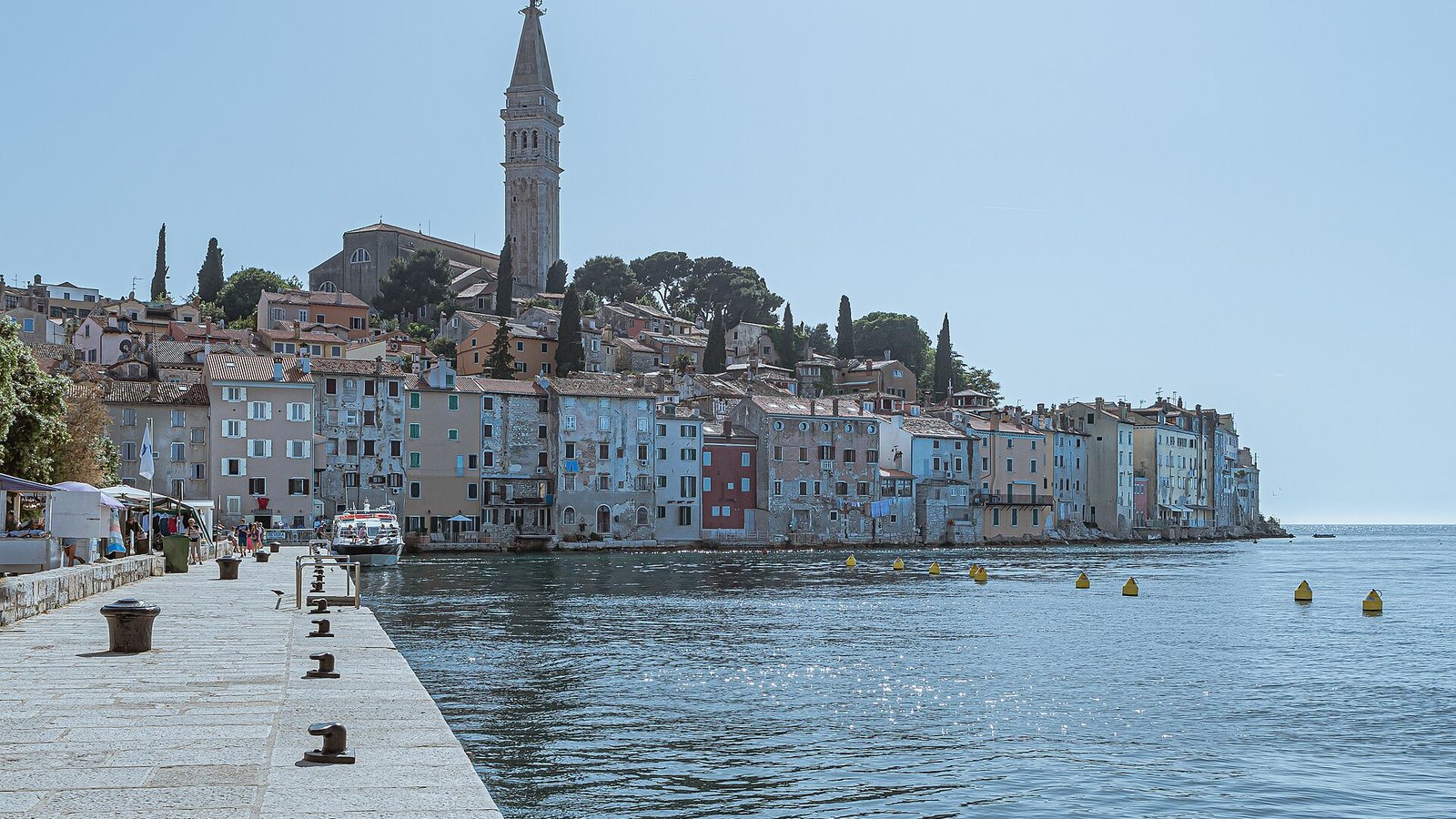
Moving to Croatia as an EU citizen
- First three months: EEA nationals can stay for up to three months from the date of entry with a valid travel document or ID, and are not obliged to register a short-term stay.
- After that: if you intend to stay for more than 3 months, you register your temporary stay at the police administration or station for your place of stay, no later than 8 days after the 3 months expire.
- What you bring: a copy of your valid ID or travel document, documents for the purpose of your stay, proof of health insurance, proof of sufficient means of support and proof of accommodation.
- What you receive: a certificate confirming the registration, printed free of charge. A biometric residence card is issued on request for EUR 13.27, valid for 5 years.
- Work: EEA nationals and their family members may work and provide services without a stay and work permit. The same rules apply to Swiss nationals.
| Purpose | Proof for the registration certificate |
|---|---|
| Employment | A contract of employment or a certificate of employment from your employer |
| Self-employment | For example an excerpt from the crafts and trades register, or an extract from the register of companies for a majority owner |
| Posted worker | An A1 certificate |
| Study or vocational training | Proof of enrolment or training in Croatia, and a statement of sufficient funds |
Once you have temporary stay, you register your temporary residence address within 15 days of arriving at that address if you intend to stay there for more than three months.
Moving to Croatia as an American
US citizens are third-country nationals for Croatian purposes. The Ministry states that third-country nationals, whether or not they need a visa, may stay in the Schengen area for up to 90 days in any 180-day period. Croatia has been a Schengen member since 1 January 2023, so time spent in other Schengen states counts.
- To stay longer you need temporary stay for one of the listed purposes: family reunification, education, research, work, digital nomad stay or other purposes.
- Where to apply: at a Croatian diplomatic mission or consular post. Third-country nationals who do not need a visa to enter may also apply at a police administration or station in Croatia. Check your visa position in the overview published by the Ministry of Foreign and European Affairs.
- For a job the permit is a stay and work permit tied to one employer. See our Croatia work visa guide.
- For remote work the digital nomad stay below is the route the Ministry describes.
Temporary stay: the conditions
- Proof of the purpose of the stay.
- A valid travel document, valid at least 3 months longer than the permit.
- Funds to support yourself, and health insurance.
- For a first application, proof of no criminal conviction from your home country or a country where you lived for more than one year immediately before arriving.
Temporary stay is granted for up to one year. If the application is approved you are issued a biometric residence permit.
The digital nomad stay
| Point | Rule |
|---|---|
| Who | A third-country national who works through communication technology for a company, or their own company, that is not registered in Croatia, and who does not work for employers in Croatia |
| How long | Up to a maximum of eighteen months |
| Means | At least 2.5 average monthly net salaries for the previous year. Currently a minimum of EUR 3,622.50 a month, increased by 10% of the average salary for each additional family member. |
| Proof of means | A bank statement showing the total for the stay, a statement showing regular income, or payslips for at least six months |
| How to apply | Online, or in person. A person who does not need a visa and is legally in Croatia may apply at the police administration and remain until the decision becomes enforceable. |
| Extension | If granted for less than 18 months, an extension of a maximum of 6 months can be requested not later than 60 days before expiry |
| Applying again | A new application can be submitted 6 months after the previous stay expired |
Close family members can join a digital nomad, but only once the nomad's own stay has been granted. Applications made earlier are rejected. The fee paid by internet banking for temporary stay is EUR 46.45, plus EUR 31.85 for the biometric residence card.
After you arrive: registration deadlines
- Third-country nationals must register their temporary residence within 30 days of being granted temporary stay or issued a long-term visa. If they do not, the temporary stay expires.
- Digital nomads are told to register their temporary residence address within 3 days of entering Croatia, at the police administration or station for the place where they are staying.
- Absences: on a stay of up to one year, more than 30 days abroad on a single occasion or more than 90 days in total leads to withdrawal. A single absence of up to 90 days for justified reasons is allowed if you notify the police before leaving.
Staying for good
- Long-term residence may be granted to third-country nationals who have been legally staying in Croatia for an uninterrupted period of five years before applying.
- Uninterrupted means absences of no more than 10 months in total within the five years, and no single absence of more than 6 months.
- Time that does not count includes stay as a seasonal worker, posted worker, volunteer, trainee or intra-corporate transferee, and stay granted for other purposes.
- Where: the application goes to the police administration or station for your place of temporary residence, and the Ministry of the Interior decides.
Fees at a glance
| Item | Fee |
|---|---|
| EEA registration certificate | Free of charge |
| EEA biometric residence card, on request | EUR 13.27 |
| Stay and work permit | EUR 74.32 |
| Temporary stay, digital nomad, paid by internet banking | EUR 46.45 |
| Biometric residence permit | EUR 31.85, or EUR 59.73 for the accelerated procedure |
| Extension of a short-stay visa for serious personal reasons | 30 EUR |
For a move budget, see our cost of moving to Croatia.
Frequently asked questions
Can a US citizen move to Croatia?
Yes, with temporary stay granted for a purpose such as work, family reunification, study or the digital nomad stay. Without it, a third-country national may stay in the Schengen area for up to 90 days in any 180-day period.
Do EU citizens need to register in Croatia?
Not for the first three months. If they intend to stay longer, they register their temporary stay at the police administration or station no later than 8 days after the three months expire. The certificate is free.
How long can a digital nomad stay in Croatia?
Temporary stay for digital nomads is granted for up to a maximum of eighteen months. A new application can be made 6 months after the previous stay expired.
How much income does a digital nomad need for Croatia?
At least 2.5 average monthly net salaries for the previous year, which the Ministry currently puts at a minimum of EUR 3,622.50 a month, plus 10% of the average salary for each additional family member.
How long is temporary stay in Croatia valid?
Up to one year. The travel document must be valid for at least 3 months longer than the temporary stay permit.
When must I register my address in Croatia?
Third-country nationals must register their temporary residence within 30 days of being granted temporary stay or issued a long-term visa. EEA nationals with temporary stay register their address within 15 days of arriving there.
When can I get permanent status in Croatia?
Long-term residence may be granted after five years of uninterrupted legal stay, with absences of no more than 10 months in total and no single absence over 6 months.
Official sources
- Ministry of the Interior of Croatia — EEA nationals and their family members
- Ministry of the Interior of Croatia — Temporary stay of third-country nationals
- Ministry of the Interior of Croatia — Temporary stay of digital nomads
- Ministry of the Interior of Croatia — Work of third-country nationals
- Ministry of the Interior of Croatia — Long-term residence and permanent stay
- Ministry of the Interior of Croatia — Do you need a visa?
All deadlines, fees and rules verified against the official sources above on 14 October 2026. Information, not legal advice.