Moving to Czechia from Australia: 2026 Complete Guide
Moving from Australia to Czechia involves choosing the right long‑term visa, gathering Australian documents, arranging health insurance, budgeting for currency conversion, securing housing with SettleBuddy's Housing AI, and registering with Czech authorities—all while preparing for cultural and language integration.
Quick answer
Moving from Australia to Czechia involves choosing the right long‑term visa, gathering Australian documents, arranging health insurance, budgeting for currency conversion, securing housing with SettleBuddy's Housing AI, and registering with Czech authorities—all while preparing for cultural and language integration.
Why Choose Czechia?
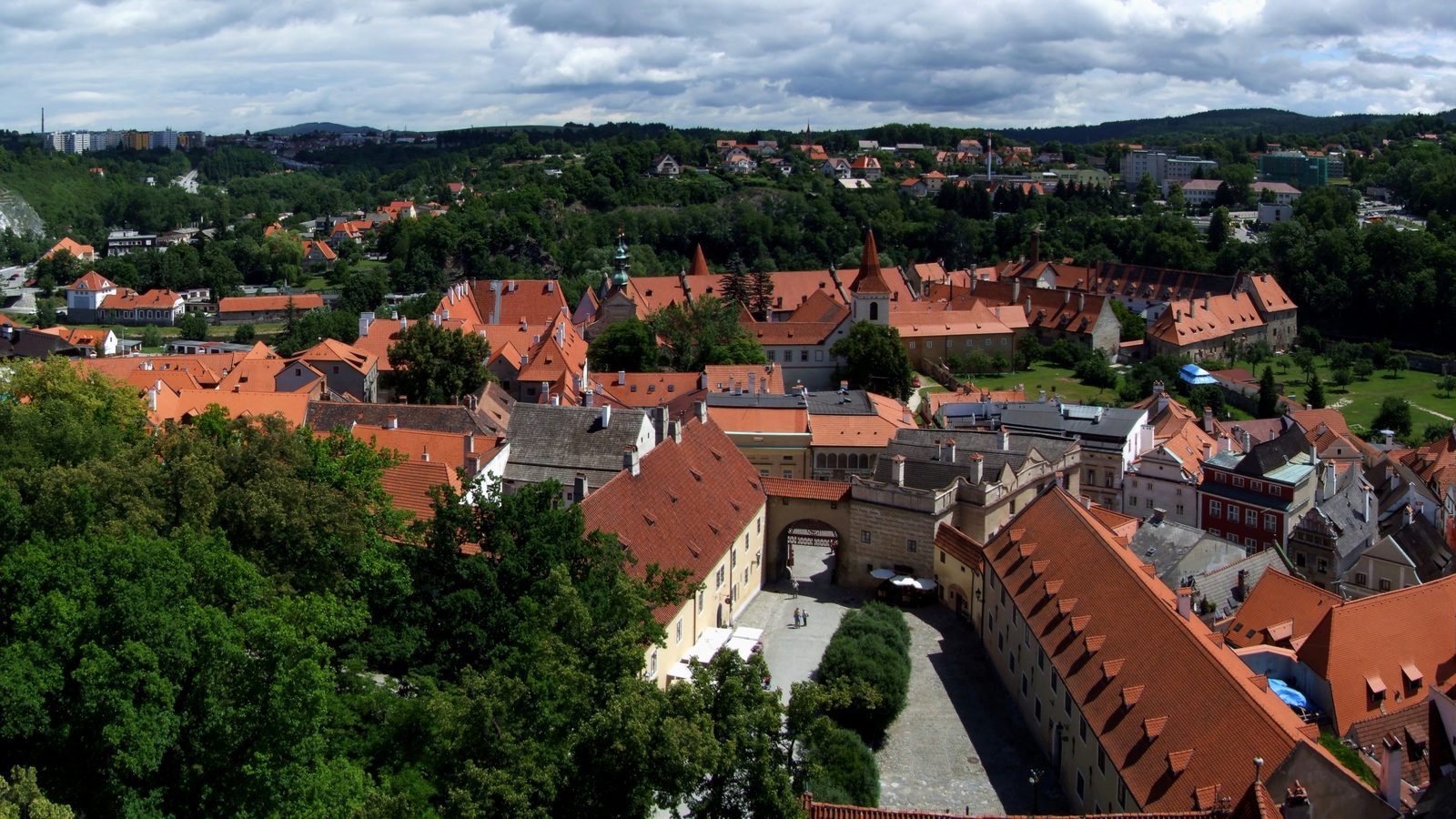
Czechia, located in the heart of Central Europe, offers a blend of historic charm and modern infrastructure that appeals to many Australian expats. Its capital, Prague, consistently ranks among the most livable cities worldwide, boasting excellent public transport, vibrant cultural scenes, and a relatively low cost of living compared with Western Europe. For Australians seeking a European base without the high price tag of cities like London or Paris, Czechia presents a compelling balance of quality of life and affordability.
Beyond the urban allure, Czechia benefits from a stable political environment and a strong economy driven by manufacturing, technology, and tourism. The country’s membership in the European Union also provides access to a broader labor market and the ability to travel freely across Schengen borders. For professionals in IT, engineering, and creative industries, Czechia’s growing tech hubs, especially in Prague and Brno, open doors to exciting career opportunities.
Culturally, Czechia offers a rich tapestry of traditions, from medieval castles to modern art festivals. Australians will find a welcoming expatriate community, English‑speaking services, and a growing number of international schools. The country’s central location also makes weekend trips to neighboring nations like Austria, Germany, and Poland effortless, adding a travel dimension to everyday life.
Visa Pathways Overview
Australian citizens can enter Czechia visa‑free for short stays of up to 90 days within any 180‑day period, but moving permanently requires a long‑term visa or residence permit. The most common routes include the Employee Card for skilled workers, the Study Visa for students, and the Family Reunification Permit for spouses and dependents. Each pathway demands proof of purpose, financial means, and often a health insurance policy that meets Czech standards.
Because visa regulations can shift, it is essential to verify the latest requirements on the Czech Ministry of Interior website before starting your application. In many cases, the initial application is submitted online, followed by a visit to the nearest Czech consulate for biometric data and document verification. Processing times vary, typically ranging from four to twelve weeks depending on the visa class and workload at the consulate.
Australian applicants should also be aware of the need to maintain a valid Australian passport for the duration of their stay abroad. Some long‑term visas require proof of a clean criminal record, which can be obtained through an Australian police check. While the Czech authorities handle the final decision, preparing a complete and organized dossier will significantly reduce delays and increase the chance of a smooth approval.
| Visa Type | Typical Purpose | Key Requirement |
|---|---|---|
| Employee Card | Skilled employment in Czechia | Job contract meeting salary threshold |
| Study Visa | Full‑time university or language course | Proof of enrolment and sufficient funds |
| Family Reunification | Spouse or minor children of a Czech resident | Proof of relationship and residence |
Gathering Australian Documents
A strong foundation for any Czech visa application is a well‑prepared set of Australian documents. Start by obtaining a current passport that remains valid for at least six months beyond your intended stay. Next, request a certified copy of your birth certificate and, if applicable, marriage certificate. These civil documents must be translated into Czech and apostilled through the Australian Department of Foreign Affairs and Trade.
Educational qualifications, such as university degrees or vocational certificates, often need to be assessed for equivalency. While the Czech authorities may accept Australian qualifications directly, many applicants choose to have them evaluated by a recognized credential assessment service to avoid queries later. Keep original transcripts and any professional licences handy, as they may be required during the consular interview.
Financial proof is another critical element. Bank statements covering the last three months, a letter of employment stating salary, or evidence of personal savings demonstrate that you can support yourself without relying on Czech social welfare. When converting these documents into Czech, use a reputable translation service and ensure the apostille is attached to each certified copy.
Health, Insurance, and Medical Checks
Czech long‑term visas mandate comprehensive health insurance that complies with EU standards. Australian expats can either purchase a private international policy that covers the Czech Republic or enrol in a Czech health insurer after arrival. The insurance must cover emergency care, hospitalization, and routine medical services for the entire duration of the visa.
Before you leave Australia, schedule a general health check‑up that includes blood work, chest X‑ray, and any vaccinations recommended for Central Europe. While the Czech system does not require a formal medical certificate for most visa categories, having recent health records can speed up the registration process at the local health office (Zdravotní pojišťovna).
If you have pre‑existing conditions, consider obtaining a letter from your Australian GP outlining ongoing treatment plans and medication requirements. This documentation can be useful when negotiating coverage with Czech insurers and ensures continuity of care once you settle in Prague or another city.
Financial Planning and Currency Conversion
Moving from Australia to Czechia involves careful budgeting, especially because the two economies operate with different cost structures and currency (AUD vs. CZK). Start by estimating your monthly expenses, including rent, utilities, groceries, transport, and taxes. Exact figures vary by city, so track rent, utilities, groceries and transport as separate budget lines.
Currency conversion fees can erode savings if not managed wisely. Australian banks typically charge a spread of 2‑3 % on foreign exchange, plus a flat transaction fee. To minimise costs, explore specialist foreign‑exchange providers or use multi‑currency accounts that offer near‑market rates. Transfer larger sums in fewer batches to reduce per‑transaction fees, and keep an eye on the AUD/CZK exchange rate trends.
If you retain any Australian assets, such as a superannuation fund or property, consult a cross‑border tax specialist to understand reporting obligations in both Australia and the Czech Republic. While this article does not provide legal advice, the Department of Home Affairs’ current visa pricing page (S2) can give you a sense of the fees you may need to pay for any Australian visa extensions you keep active during the transition.
Securing a Home with SettleBuddy Housing AI
Finding suitable accommodation in Czechia can be daunting, especially when navigating local rental platforms that are often in Czech. SettleBuddy’s Housing AI eliminates language barriers by curating listings that match your budget, preferred neighbourhood, and lifestyle needs. Simply input your criteria—such as proximity to public transport, pet‑friendliness, or a home office space—and the AI returns verified options with transparent lease terms.
SettleBuddy also assists with the entire rental process, from drafting a bilingual lease agreement to scheduling virtual viewings with landlords. The platform’s built‑in document translator ensures that all contractual clauses are clearly understood, reducing the risk of hidden fees or unfavorable terms. For those seeking short‑term stays before a permanent move, the Housing AI can transition you seamlessly to a long‑term lease once you secure a residence permit.
Beyond the initial search, SettleBuddy’s community feature connects you with other Australian expats who have already settled in Prague, Brno, or Ostrava. These peer‑to‑peer insights can reveal hidden gems—quiet streets, family‑friendly parks, or commuter shortcuts—that standard listings often overlook. Leveraging SettleBuddy’s AI and community support dramatically shortens the time it takes to feel at home.
Registering with Local Authorities
After arriving in Czechia, the first legal step is to register your address (Přihlášení) at the local municipal office (Městský úřad) within three days. Bring your passport, proof of residence (rental contract), and a completed registration form. The registration certificate (Potvrzení o přihlášení) is essential for opening a Czech bank account, obtaining a health insurance card, and applying for a residence permit.
If you hold a long‑term visa, you must also apply for a residence card at the Ministry of the Interior after entry, and register with the Foreign Police within three working days of entry. The application requires your passport, visa, proof of accommodation, health insurance, and evidence of financial means. Processing times can range from four to eight weeks, during which you should maintain your temporary visa status and keep your Australian passport valid.
SettleBuddy’s Visa AI can guide you through each step, generating a personalized checklist and reminding you of upcoming deadlines. The AI also stores scanned copies of all required documents, ensuring you have digital backups ready for any on‑line submission or consular request.
Finding Work – SettleBuddy Career AI
Czechia’s tech sector is booming, with Prague and Brno emerging as hubs for software development, fintech, and AI research. SettleBuddy’s Career AI matches your professional profile against local job markets, highlighting roles that meet the salary thresholds required for the Employee Card visa. The AI also suggests up‑skilling courses, many of which are offered through Czech universities or online platforms, to align your credentials with Czech employer expectations.
When applying for jobs, tailor your CV to Czech standards—concise, achievement‑focused, and often limited to two pages. SettleBuddy’s Career AI can translate your resume into Czech, preserving key industry terminology while ensuring cultural relevance. Additionally, the platform provides interview preparation modules that simulate common questions asked by Czech recruiters, boosting confidence before your first in‑person meeting.
Networking remains a powerful tool. SettleBuddy’s community forums connect you with Australian professionals already working in Czechia, offering introductions to local meet‑ups, hackathons, and industry events. By leveraging these connections, you can accelerate your job search and increase the likelihood of securing a position that satisfies both your career goals and visa requirements.
Learning Czech – SettleBuddy Language Lab
While many Czechs speak English, especially in urban centres, mastering Czech dramatically improves daily life, from grocery shopping to navigating bureaucratic processes. SettleBuddy’s Language Lab offers immersive lessons tailored for Australian learners, focusing on pronunciation, everyday expressions, and workplace terminology. The AI adapts lesson difficulty based on your progress, ensuring steady improvement without overwhelming you.
The platform also integrates cultural notes, explaining Czech customs such as greeting etiquette, dining etiquette, and holiday traditions. Understanding these nuances helps you build stronger relationships with neighbours, colleagues, and local service providers. For those who prefer a blended approach, Language Lab pairs AI‑driven lessons with live tutoring sessions conducted by native Czech speakers familiar with Australian accents.
Consistent practice is key. SettleBuddy recommends a daily 15‑minute routine, incorporating flashcards, speaking drills, and real‑world scenarios like ordering at a Czech café. By reaching conversational fluency within three months, you’ll feel more confident handling official paperwork, negotiating rental terms, and participating in community activities.
Shipping Your Belongings and Moving Day
International relocation logistics can be streamlined by planning well in advance. Begin by creating an inventory of items you intend to ship, categorising them by necessity, value, and fragility. For household goods, engage a reputable freight forwarder that offers door‑to‑door service and customs clearance assistance. Provide the forwarder with a detailed packing list to expedite the import process at Czech customs.
Australian customs permits the export of personal effects duty‑free, provided you retain proof of ownership and the items are for personal use. Upon arrival in the Czech Republic, you’ll need to present this documentation, along with a completed customs declaration form, to the local customs office. SettleBuddy’s Move Planner can generate the required paperwork and send reminders ahead of your shipping date.
On moving day, keep essential items—passport, visa documents, a few days of clothing, and electronic chargers—in a carry‑on bag. This ensures you have immediate access to necessities while waiting for your shipment. Once your belongings clear customs, arrange a local delivery service to transport boxes to your new address, and use SettleBuddy’s checklist to verify that all items arrived intact.
Common Mistakes and Final Checklist
One frequent error is underestimating the time required for Czech residence permit processing. Applicants who delay the registration of their address or neglect to schedule a biometric appointment often face extended stays on tourist visas, which can jeopardise their legal status. To avoid this, set calendar alerts for each deadline and keep copies of all confirmations in SettleBuddy’s document vault.
Another pitfall is overlooking the need for a Czech‑approved health insurance policy. Some expats rely solely on travel insurance, only to discover it does not satisfy visa requirements. Secure a comprehensive policy before departure, and verify that it covers the full duration of your intended stay. If you switch to a local insurer later, update your residence permit details promptly.
Finally, many Australians forget to inform Australian tax authorities of their change of residency, potentially leading to double taxation. While this article does not replace professional advice, it is wise to consult a tax specialist familiar with both Australian and Czech tax treaties. Use SettleBuddy’s financial dashboard to track income, expenses, and tax obligations across both jurisdictions, ensuring a smooth fiscal transition.
Where SettleBuddy comes in
SettleBuddy is the AI relocation engine for your whole move — language, visas, housing and career in one place, launching for every country. Language Lab is live now; Housing AI, Visa AI and Career AI are on the way.
Explore SettleBuddy →Key takeaways
- Czechia offers a balanced mix of affordability, EU access, and vibrant culture for Australian expats.
- Choose the correct long‑term visa (Employee Card, Study, or Family) and verify requirements on the Czech Ministry of Interior website.
- Prepare Australian documents early: passport, civil records, financial proof, and health checks, all apostilled and translated.
- SettleBuddy’s Housing AI, Visa AI, Career AI, and Language Lab streamline every relocation step from home search to language learning.
- Maintain strict timelines for address registration, residence permit application, and health insurance to avoid legal complications.

FAQ
How long does it typically take to get a Czech residence permit after arriving?
Processing times vary by visa category but generally range from four to eight weeks after you submit a complete application at the Ministry of the Interior. Factors such as document completeness, background checks, and seasonal workload can affect the timeline, so it is advisable to apply as soon as you have a valid address registration and health insurance.
Do I need to learn Czech before moving, or can I get by with English?
While many Czechs, especially in Prague and Brno, speak English, learning basic Czech dramatically improves daily interactions, helps with official paperwork, and fosters social integration. SettleBuddy’s Language Lab offers tailored lessons that can bring you to conversational level within three months, making the transition smoother and more rewarding.
Can I keep my Australian superannuation while living in Czechia?
Australian superannuation can generally be retained while you reside abroad, but you should inform your super fund of your overseas status and consider any tax implications. Consulting a cross‑border tax specialist is recommended to ensure compliance with both Australian and Czech tax regulations.
What is the best way to transfer money from AUD to CZK?
Specialist foreign‑exchange providers or multi‑currency accounts often offer better rates than standard Australian banks, which typically add a 2‑3 % spread plus a flat fee. Compare providers, transfer larger sums less frequently to minimise fees, and monitor the AUD/CZK exchange rate. SettleBuddy’s financial tools can help you track conversions and plan optimal transfer windows.
Do I need a separate health insurance policy for the visa?
Yes. Czech long‑term visas require health insurance that meets EU standards, covering hospitalisation, emergency care, and routine medical services. You can purchase an international policy before arrival or enrol with a Czech insurer after registering your address. Ensure the policy’s coverage period matches the duration of your residence permit to avoid gaps.
Official sources
The regulated facts in this guide are drawn from official government sources. Rules and figures change — always confirm the current detail on the official page before you act.