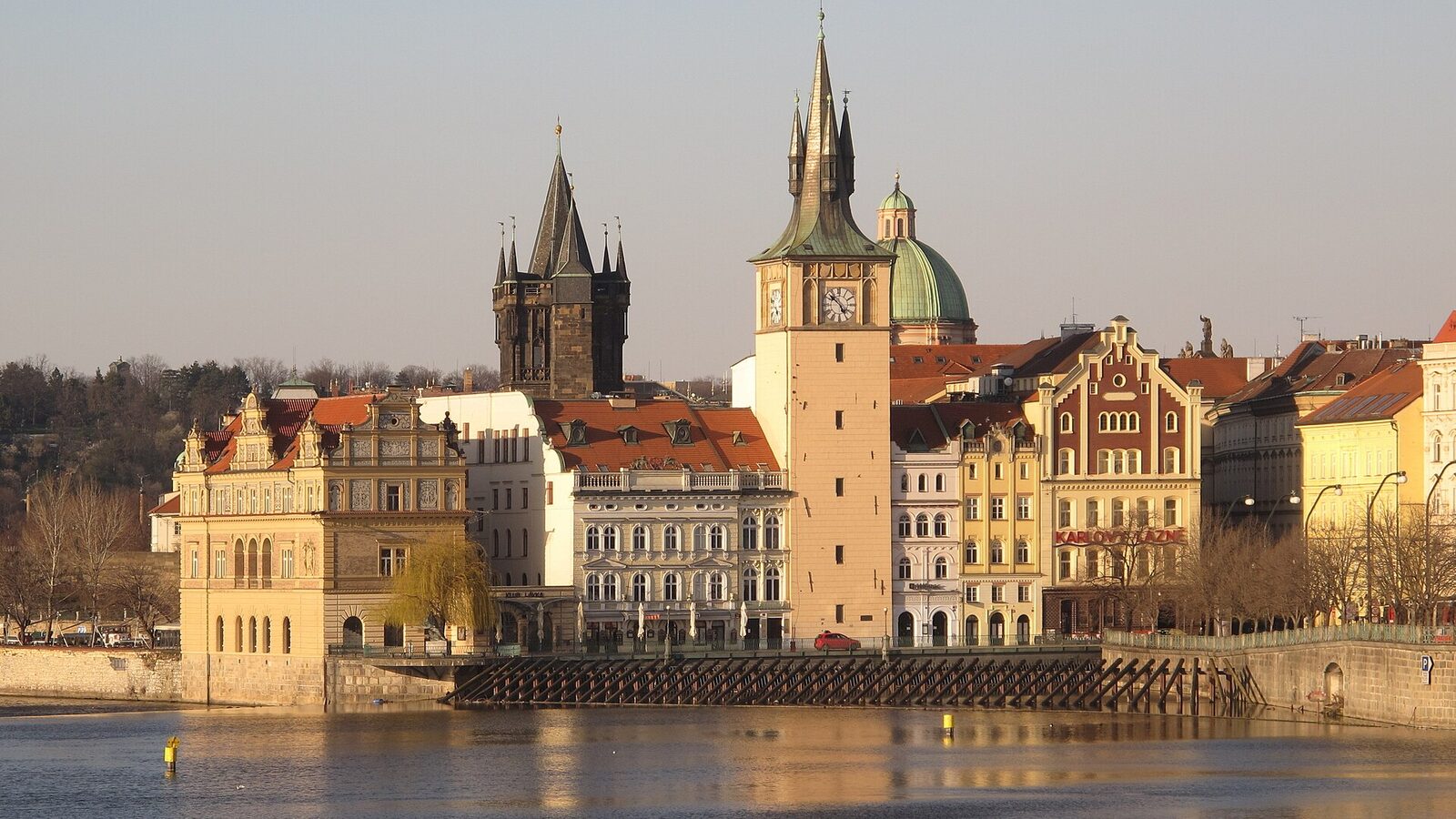
Moving to Czechia from UK: The Complete 2026 Roadmap
Start by confirming your residency status post‑Brexit, then choose the appropriate Czech residence permit (work, study, or family). Gather required documents, secure a Czech‑level language foundation, find housing, and arrange finances. Use a single relocation platform like SettleBuddy to coordinate visas, housing, career, and language learning in one place.
Quick answer
Start by confirming your residency status post‑Brexit, then choose the appropriate Czech residence permit (work, study, or family). Gather required documents, secure a Czech‑level language foundation, find housing, and arrange finances. Use a single relocation platform like SettleBuddy to coordinate visas, housing, career, and language learning in one place.
What are the first steps when moving to Czechia from the UK?
The initial step is to confirm your residency status after Brexit. UK citizens can now stay in the EU for up to 90 days without a visa, but a longer stay requires a residence permit. Start by checking the Czech Ministry of the Interior website for the latest post‑Brexit rules, then list the permit type that matches your purpose—study, work, or family reunification. Knowing the exact category will shape the rest of your paperwork and timeline.
Next, map out the cost of living differences between the UK and Czechia. Prague’s average rent for a one‑bedroom city‑center apartment is roughly €900–€1,200, while smaller cities such as Brno or Ostrava often fall between €500 and €800. Utilities, public transport, and groceries are generally 20‑30 % cheaper than in London, giving you a clearer budget picture before you relocate.
Create a master timeline that aligns visa application windows, language preparation, and housing searches. A realistic schedule allocates six to eight weeks for gathering documents, two to three weeks for a language immersion sprint, and four to six weeks for securing a lease. Keeping milestones visible helps you avoid last‑minute stress and ensures each component progresses in harmony.
How does Czech immigration work for UK nationals?
Czech immigration is administered by the Ministry of the Interior, which issues residence permits based on purpose and duration. After the UK’s transition period, British citizens are treated as third‑country nationals, meaning they must apply for a long‑term permit if they intend to stay beyond 90 days. Permits are typically granted for one year and can be renewed, provided you continue to meet the original eligibility criteria.
The primary categories relevant to most movers are the Employee Card for salaried work, the Student Visa for academic programs, and the Family Reunification Permit for spouses or dependents. Each category demands proof of income, enrollment, or relationship, respectively, and often requires a Czech‑language proficiency level of A2 or higher, especially for work‑related permits.
Because immigration law is highly regulated, SettleBuddy’s Visa AI module can generate a customized checklist and flag any missing items before you submit an application. While the platform does not replace a licensed attorney, it streamlines the preparation process and reduces the chance of costly rejections.
Which visa pathway should a UK professional choose?
For salaried professionals, the Employee Card is the most straightforward route. It requires a confirmed employment contract with a Czech employer, a minimum monthly salary of roughly €1,300, and proof of health insurance. The employer typically initiates the application, but the employee must supply personal documents and a clean criminal record.
If you are a freelancer or remote worker, the Trade‑License (Živnostenský list) combined with a long‑term residence permit for self‑employment is viable. You must demonstrate at least €1,500 in monthly income, a viable business plan, and a professional qualification recognized by Czech authorities. This path offers flexibility but involves more documentation and periodic financial reporting.
SettleBuddy’s Career AI can match your skill set with Czech companies actively hiring, and its Visa AI will automatically populate the Employee Card form with the employer’s details, cutting down manual entry and potential errors.
What documents are needed and how long does processing take?
Core documents include a valid passport (minimum six months beyond intended stay), a recent biometric photo, proof of accommodation (rental contract or invitation letter), health insurance coverage, and a criminal background check from the UK Home Office. For work permits, you also need the signed employment contract and a salary statement meeting the minimum threshold.
Translations must be performed by a certified Czech translator, and all foreign‑language documents need an apostille from the UK Foreign, Commonwealth & Development Office. Processing times vary: standard applications take 30‑45 days, while expedited routes (available for highly skilled professions) can be completed in 15‑20 days, provided all documents are flawless.
Using SettleBuddy’s document‑validation tool, you can upload scans of each item and receive instant feedback on format, translation, and apostille requirements. The platform also tracks your application status, sending reminders before any deadlines approach.
How can I start learning Czech before I arrive?
Czech is a Slavic language with a reputation for grammatical complexity, but reaching CEFR A2 level within three months is realistic with focused study. Prioritize everyday vocabulary—greetings, transport terms, and grocery items—and practice pronunciation using the Language Lab, which offers scenario‑based lessons built for movers.
Interactive modules simulate real‑world situations such as signing a lease, ordering at a café, or navigating a bus stop. Each lesson integrates audio from native speakers, spaced‑repetition flashcards, and short quizzes that reinforce retention. Consistent 20‑minute daily sessions yield noticeable confidence gains before you set foot in Prague.
SettleBuddy’s Language Lab also connects you to community tutors who specialize in expatriate needs, allowing you to practice conversational Czech via video calls. This targeted approach accelerates fluency compared to generic language apps, because the content mirrors the exact challenges you’ll face during relocation.
Where should I look for housing and what are the price ranges?
The Czech rental market is strongest in Prague, Brno, and Ostrava. In Prague, a one‑bedroom apartment in the city centre averages €900–€1,200, while a similar unit in the suburbs drops to €600–€800. Brno’s central rentals hover around €700–€950, and Ostrava offers the most affordable options at €400–€600 for comparable spaces.
Buying property is also an option for long‑term residents. As of 2026, average apartment prices per square meter in Prague are about €4,500, whereas Brno sits near €3,200 and smaller towns can be under €2,000. Mortgage rates in Czechia remain competitive, typically ranging from 2.5 % to 3.5 % for qualified borrowers.
Below is a concise comparison of typical monthly costs for renting versus buying a one‑bedroom unit in three major Czech cities:
City Rent (1‑bedroom, city centre) Buy (price per m²) Prague €900–€1,200 ≈ €4,500 Brno €700–€950 ≈ €3,200 Ostrava €400–€600 ≈ €2,000
How do I transition my career to the Czech job market?
Czech employers value both technical expertise and language ability. Start by updating your CV to the European format (Europass) and translating key sections into Czech, at least to A2 level. Platforms such as LinkedIn and local job boards like Jobs.cz frequently list positions that require English fluency, especially in tech, finance, and multinational firms.
Networking remains essential. Attend industry meet‑ups, webinars, and expatriate groups in Prague or Brno. Many chambers of commerce host English‑language events, providing a low‑pressure environment to meet potential employers. If you have a specialized skill—such as software development, engineering, or pharmaceuticals—target companies with established R&D centers in the Czech Republic.
SettleBuddy’s Career AI evaluates your profile, highlights skill gaps, and suggests targeted language courses from the Language Lab to improve employability. It also provides a curated list of job openings that match your experience and visa eligibility, streamlining the job‑search phase.
What financial steps should I take before moving?
Open a Czech bank account as soon as you secure a lease or employment contract. Major banks like ČSOB, Česká spořitelna, and Komerční banka allow non‑residents to open accounts with a passport, proof of address, and a signed employment agreement. Having a local account simplifies salary deposits, utility payments, and tax filings.
Understand the tax obligations in both the UK and Czechia. The UK‑Czech double‑tax treaty prevents double taxation, but you must register with the Czech tax office (Finanční úřad) within 30 days of arrival. Income tax rates range from 15 % to 23 % depending on earnings, and social security contributions are mandatory for employees.
Currency conversion costs can be reduced by using a multi‑currency account that offers near‑mid‑market exchange rates. SettleBuddy’s financial dashboard integrates with such accounts, allowing you to monitor expenses, set budgeting goals, and receive alerts when exchange rates are favorable.
How can I integrate socially and culturally once I’m there?
Czech culture values punctuality, politeness, and a love for tradition. Participate in local festivals like Masopust (farewell to winter) or St. Wenceslaus Day to experience authentic customs. Learning basic etiquette—such as greeting with a firm handshake and using “dobrý den” (good day) in formal settings—creates instant goodwill.
Join expatriate communities both online and offline. Groups on platforms like Meetup and Facebook host regular gatherings for English‑speaking newcomers, ranging from language exchange nights to hiking trips in the Bohemian Forest. Engaging with these circles accelerates language practice and helps you build a support network quickly.
SettleBuddy’s community hub connects you with other movers who share similar timelines. By joining themed discussion channels—housing, career, family—you can exchange advice, arrange shared rides, or find a local “buddy” to explore neighborhoods together, making the transition smoother and more enjoyable.
Why use an all‑in‑one relocation OS for the move?
Coordinating visas, housing, language learning, and career moves can quickly become overwhelming when each task lives in a separate tool. An integrated platform like SettleBuddy centralizes every step, providing a single dashboard where you can track document status, schedule language lessons, and receive housing recommendations based on your budget and preferred city.
Because the system is built specifically for international relocation, its AI modules understand the dependencies between steps—for example, a work permit cannot be finalized without proof of accommodation, and language proficiency influences job eligibility. This holistic view eliminates gaps that often cause delays or missed deadlines.
By consolidating data, SettleBuddy also ensures privacy and compliance with GDPR, a critical factor when handling personal identification documents across borders. The platform’s secure cloud storage, combined with role‑based access controls, gives you confidence that sensitive information remains protected throughout the entire move.
What is the final checklist and timeline for a smooth relocation?
Three months before departure: Verify your visa category, begin gathering passports, certificates, and apostilled documents. Open a Czech bank account online if possible, and start the language immersion plan using the Language Lab. Simultaneously, research housing options and set a budget based on the cost‑of‑living data.
One month before departure: Submit your residence permit application, secure a rental contract or purchase agreement, and arrange health insurance coverage that meets Czech standards. Confirm your employment start date, and schedule a virtual interview with a SettleBuddy career coach to refine your CV and interview skills.
Two weeks before departure: Receive your residence permit approval, finalize the move‑out checklist for your UK home, and arrange international shipping of personal belongings. Activate your Czech bank account, set up utility services, and complete a final language review session. On arrival day, meet your SettleBuddy local guide for a welcome tour and registration at the local municipal office.
Where SettleBuddy comes in
SettleBuddy is the AI relocation OS for your whole move — language, visas, housing and career in one place. This part of the move is handled by SettleBuddy: the AI relocation OS for your whole move — language, visas, housing and career.
Explore SettleBuddy →Key takeaways
- Confirm post‑Brexit residency status and select the correct Czech residence permit early.
- Use SettleBuddy’s AI tools to streamline visa paperwork, language learning, housing searches, and career transitions.
- Budget realistically: expect €900‑€1,200 for a central Prague apartment and €1,300+ monthly salary for work permits.
- Achieve CEFR A2 Czech proficiency before arrival to meet most permit requirements and improve job prospects.
- Leverage expatriate communities and SettleBuddy’s community hub for faster cultural integration.
FAQ
Do UK citizens need a visa to live in Czechia for more than 90 days?
Yes. After Brexit, British nationals are treated as third‑country citizens and must apply for a long‑term residence permit if they plan to stay beyond 90 days.
Can I work remotely for a UK company while living in Czechia?
You can, but you still need a residence permit that allows self‑employment or remote work, and you must register for Czech tax and social security contributions.
How long does the Czech residence permit application usually take?
Standard processing takes 30‑45 days; expedited routes for highly skilled professionals can be completed in 15‑20 days if all documents are correct.
Is health insurance mandatory for the visa application?
Yes. The Czech authorities require proof of comprehensive health insurance that covers you for the entire duration of your stay.
What if my English‑only CV is rejected by Czech employers?
Translate key sections into Czech to at least A2 level and use SettleBuddy’s Career AI to tailor your resume to local expectations, which greatly improves interview chances.