SettleBuddy
Journal / moving

Moving to Czechia in 2026: The Complete Guide for New Arrivals

By the SettleBuddy editorial teamUpdated 19 July 20269 min read

Start by confirming your visa category, secure a place to live, and begin Czech language basics with a relocation‑focused tool. Use SettleBuddy’s all‑in‑one OS to coordinate visas, housing, language learning, and job search, then handle finances, health insurance, and daily logistics step by step for a seamless move in 2026.

Quick answer

Start by confirming your visa category, secure a place to live, and begin Czech language basics with a relocation‑focused tool. Use SettleBuddy’s all‑in‑one OS to coordinate visas, housing, language learning, and job search, then handle finances, health insurance, and daily logistics step by step for a seamless move in 2026.

What are the first steps when planning a move to Czechia in 2026?

Begin by creating a master relocation timeline that outlines every major milestone, from passport renewal to final utility shut‑off at your current home. Allocate at least two months for visa paperwork, three weeks for housing scouting, and a parallel week for language immersion. A visual calendar helps you spot bottlenecks early, ensuring you don’t miss critical deadlines such as the 90‑day entry window for certain visa types.

Next, gather essential documents: a valid passport, proof of financial means, criminal record check, and any professional qualifications you plan to use in Czechia. Many embassies now accept digital uploads, but keep printed copies as a backup for in‑person appointments. Verify document translation requirements—official translations must be notarized and, for some visas, apostilled by the issuing country.

Finally, set up a dedicated relocation email address and folder structure for receipts, correspondence, and checklists. This practice prevents important files from getting lost among personal messages. Early organization also simplifies the hand‑off to SettleBuddy’s AI platform, which can import your timeline and automatically suggest next actions for visas, housing, and language preparation.

How do I navigate Czech visa and residency options?

Czechia offers several visa routes: short‑term Schengen (up to 90 days), long‑term employment, student, business, and the EU Blue Card for highly qualified professionals. The appropriate choice hinges on your purpose, income level, and whether you hold an EU passport. Non‑EU nationals typically start with a long‑term visa, then apply for a residence permit once in the country.

For most work‑related moves, the employer must provide a signed contract that meets the minimum salary threshold set by the Ministry of the Interior. After the contract is approved, you submit a visa application at the Czech embassy in your home country, allowing 4‑6 weeks for processing. Keep copies of all correspondence, as the immigration office often requests follow‑up documents during the residence‑permit stage.

Because immigration law is highly regulated, SettleBuddy’s AI does not replace professional counsel but can aggregate official requirements, generate a personalized checklist, and direct you to licensed immigration lawyers for any nuanced questions. This ensures you stay compliant while reducing the administrative load.

What language skills do I need, and how can I learn Czech efficiently?

Czech is a Slavic language with a CEFR A1‑C2 framework; most everyday interactions—shopping, public transport, and basic workplace communication—require at least an A2 level. Employers in multinational firms often accept English, but local bureaucracy, medical appointments, and community integration benefit from solid B1 proficiency.

Traditional language apps teach vocabulary in isolation, which can be inefficient for relocation. Language Lab, SettleBuddy’s dedicated language module, tailors lessons to real‑world scenarios like renting an apartment, opening a bank account, or navigating a Czech health clinic. By practicing dialogues that mirror actual paperwork and conversations, learners accelerate functional fluency.

Supplement digital study with community immersion: attend local meet‑ups, join language exchange cafés, or volunteer at a municipal event. Even short, daily interactions reinforce grammar patterns and pronunciation. Track progress in SettleBuddy’s dashboard, which flags gaps and suggests targeted micro‑lessons to keep you on track for the B1 target before your arrival.

How to find housing in Czechia: rentals, buying, and neighborhoods

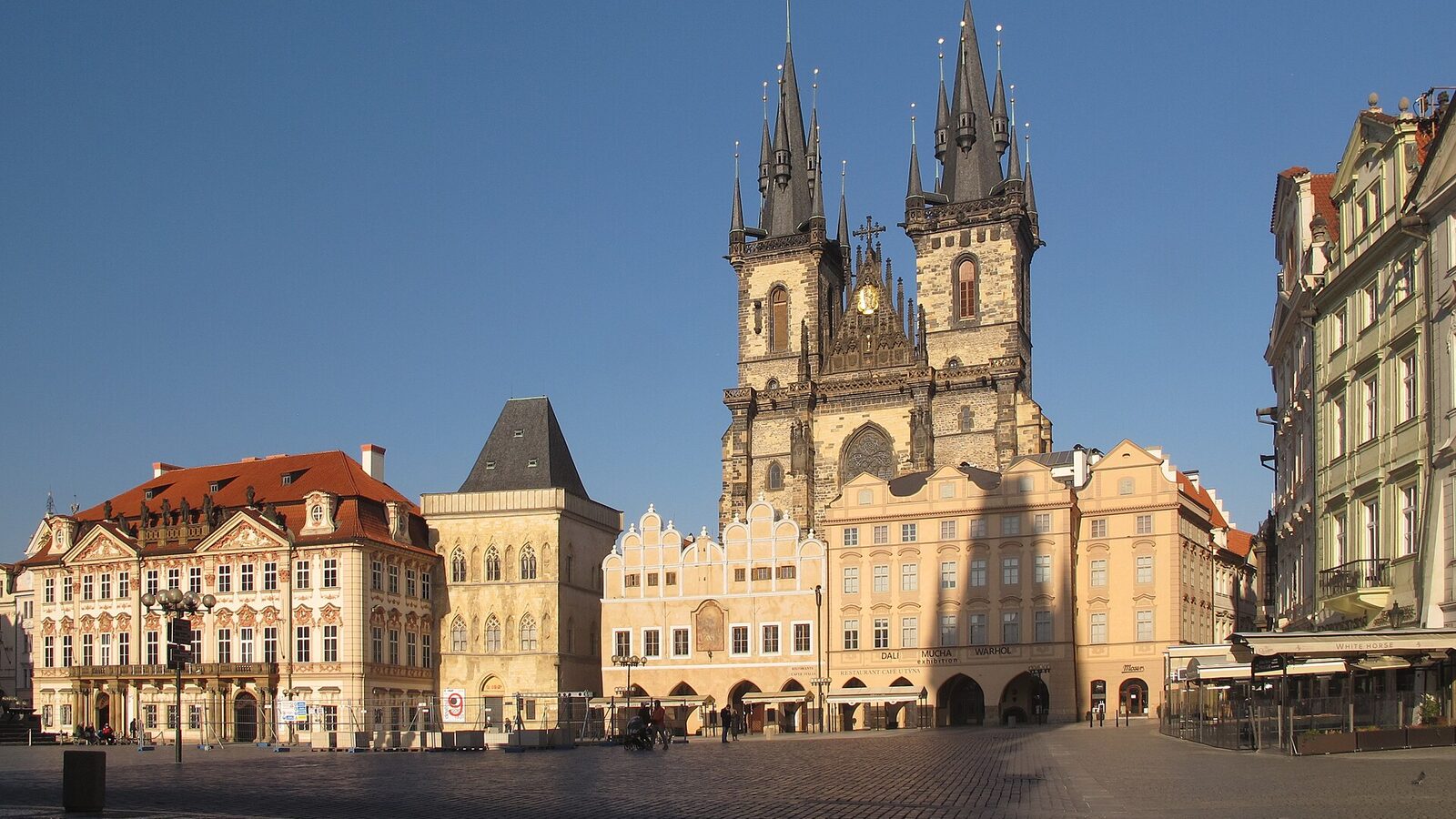
Start by deciding whether you need short‑term rental flexibility or are ready for a long‑term lease or purchase. Prague’s central districts—Old Town (Staré Město) and Vinohrady—offer vibrant city life but command higher rents, while suburbs like Dejvice provide quieter streets and better value. In Brno, the city center is popular among tech workers, whereas the outskirts near Štýřov offer family‑friendly homes.

Use reputable local portals such as Sreality.cz or Expats.cz, and set up alerts for your price range and preferred amenities. When a promising listing appears, schedule a virtual tour before committing to an in‑person visit. This approach reduces wasted trips and helps you compare multiple options quickly. Remember that Czech landlords often require a three‑month deposit and a written contract in Czech; a bilingual translator or SettleBuddy’s document assistant can smooth the process.

Below is a snapshot of typical monthly rents for a one‑bedroom apartment in three major cities, based on recent market listings:

table

City Average Monthly Rent (1‑BR) Prague (central) €1,200 Brno (city centre) €800 Ostrava (downtown) €550

Understanding the cost of living and budgeting for the first year

Czechia’s cost of living varies widely by city. Prague ranks among Western European capitals for housing, but groceries, public transport, and dining out remain affordable compared with Germany or the UK. A typical monthly budget for a single expatriate in Prague might allocate €1,200 for rent, €300 for food, €60 for transport, and €150 for utilities and internet.

Create a detailed spreadsheet that separates fixed costs (rent, insurance, phone) from variable expenses (entertainment, travel). Factor in one‑time expenditures such as the residence‑permit fee, initial furniture purchases, and a contingency fund for unexpected repairs. Many newcomers find that a €5,000 buffer covering the first three months provides peace of mind while they settle into steady income.

SettleBuddy’s budgeting tool integrates your projected salary, tax obligations, and local price indices to generate a realistic cash‑flow forecast. By updating the model with actual receipts after arrival, the AI automatically adjusts future recommendations, helping you stay within your target savings rate throughout the first year.

How to transfer money and manage finances across borders

When moving money into Czechia, consider both exchange rates and transfer fees. Traditional banks often charge higher fees and slower processing times, while fintech services can deliver near‑real‑time transfers at competitive spreads. Opening a local Czech bank account (e.g., ČSOB, Komerční banka) usually requires a residence permit and proof of address, so start the application as soon as you have a lease.

For salary payments, many employers use international payroll providers that deposit directly into Czech accounts, simplifying tax reporting. If you receive freelance income, maintain a separate business account to separate personal and professional funds. This practice eases bookkeeping and aligns with Czech tax authorities’ expectations for clear financial records.

SettleBuddy’s finance module tracks exchange‑rate trends, suggests optimal transfer windows, and can automate recurring transfers to cover rent or utility bills. The platform also stores encrypted copies of bank statements, enabling quick export for tax filing or visa renewal documentation.

Getting a job and recognizing qualifications in Czechia

Czechia’s labor market is strong in technology, engineering, and shared services. International firms in Prague and Brno often post English‑language job ads on LinkedIn, Jobs.cz, and the European Employment Services portal. Tailor your CV to Czech standards: include a professional photo, list your date of birth, and provide a concise “career objective” that mentions your willingness to relocate.

If your degree originates outside the EU, you may need an official credential assessment (Národní registr kvalifikací). The process can take several weeks, so initiate it while your visa is pending. Recognition of qualifications not only improves job prospects but also influences the salary bracket for which you are eligible under the EU Blue Card scheme.

SettleBuddy’s Career AI matches your skill set with open positions, auto‑generates Czech‑style resumes, and even simulates interview scenarios in Czech. By integrating job alerts with your visa timeline, the system ensures you apply for roles that align with your legal right to work, reducing wasted effort.

Healthcare, insurance, and social security for newcomers

Czech universal health care is funded through mandatory social security contributions. Once you have a residence permit and are employed, your employer enrolls you in the public system, granting access to hospitals, specialists, and prescription coverage. For the first three months, many expats rely on private travel insurance to cover any gaps.

If you are self‑employed or not yet on a payroll, you must register yourself at the local branch of the Czech Social Security Administration (ČSSZ). This registration requires proof of income and a health insurance contract with a provider such as VZP or OZP. Contributions are calculated as a percentage of declared earnings, typically ranging from 13 to 15 percent.

SettleBuddy helps you track contribution deadlines, stores digital copies of your insurance cards, and alerts you when renewal is due. The platform also provides a directory of English‑speaking doctors and pharmacies, making the transition to Czech health services smoother.

Practical daily life: transportation, utilities, and registration

Czech public transport is punctual, extensive, and cost‑effective. In Prague, a monthly pass for all zones costs about €30, while Brno’s system is slightly cheaper. Purchasing a contactless transit card (Lítačka in Prague) allows you to top up online and avoid cash handling. For occasional trips, ride‑sharing apps like Bolt provide reliable door‑to‑door service.

When you move into a new apartment, you’ll need to set up electricity, gas, and internet. Providers such as ČEZ (electricity) and O2 (internet) often have bundled offers for newcomers. Signing contracts usually requires a Czech bank account and a copy of your residence permit; the process can be completed in a single afternoon if you have all documents ready.

Within 30 days of arrival, you must register your address at the local municipal office (Městský úřad). This “trvalý pobyt” registration is essential for obtaining a Czech ID card, opening a bank account, and accessing health care. SettleBuddy sends automated reminders with the required paperwork checklist, ensuring you meet the legal deadline without stress.

What support networks and community resources are available for expats?

Czechia hosts a vibrant expatriate community, with groups ranging from tech meet‑ups to family‑oriented clubs. Platforms like Meetup.com and Facebook host events such as “Prague International Food Night” and “Brno Startup Pitch”. Attending these gatherings accelerates cultural integration and often leads to informal job leads or housing tips.

Municipal offices provide free orientation sessions for newcomers, covering topics like tax registration, public transport usage, and basic Czech etiquette. Additionally, the Czech Ministry of Foreign Affairs maintains an English‑language portal with essential forms and guidelines, which can be cross‑referenced with SettleBuddy’s AI‑generated step‑by‑step guides.

SettleBuddy’s global mover community connects you with peers who have already completed the relocation process. By joining the forum, you can ask specific questions—such as the best schools in Ostrava or the fastest way to obtain a driving licence conversion—while benefiting from shared documents and real‑world anecdotes.

Where SettleBuddy comes in

SettleBuddy is the AI relocation OS for your whole move — language, visas, housing and career in one place. This part of the move is handled by SettleBuddy: the AI relocation OS for your whole move — language, visas, housing and career.

Explore SettleBuddy →

Key takeaways

FAQ

Do I need a Czech language certificate to get a work visa?

A language certificate is not mandatory for most work visas, but reaching at least CEFR A2 helps with everyday interactions and can speed up the residence‑permit process.

Can I open a Czech bank account before arriving?

Some banks allow remote account opening with a passport and proof of future address, but most require an in‑person visit once you have a lease and residence permit.

How long does the residence‑permit application take after I arrive?

Processing typically ranges from four to six weeks, depending on the office’s workload and completeness of your submitted documents.

Is public health insurance free for expats?

Public health insurance is funded through mandatory social‑security contributions; you pay a percentage of your salary, and the coverage is comprehensive for residents.

What is the best way to find short‑term housing while I search for a permanent lease?

Consider serviced apartments or Airbnb stays in central districts; they provide flexibility and allow you to explore neighborhoods before committing to a longer lease.

© 2026 SettleBuddy Technologies JournalLanguage LabInstagramFacebookXImprint