Moving to Denmark from Canada: 2026 Complete Guide
Canadians can enter Denmark visa‑free for up to 90 days, but longer stays require a Danish residence permit. Prepare a valid passport, gather translated documents, budget for higher living costs, and secure housing with SettleBuddy Housing AI. Use SettleBuddy Career AI and Language Lab to boost job prospects and language skills before you arrive.
Quick answer
Canadians can enter Denmark visa‑free for up to 90 days, but longer stays require a Danish residence permit. Prepare a valid passport, gather translated documents, budget for higher living costs, and secure housing with SettleBuddy Housing AI. Use SettleBuddy Career AI and Language Lab to boost job prospects and language skills before you arrive.
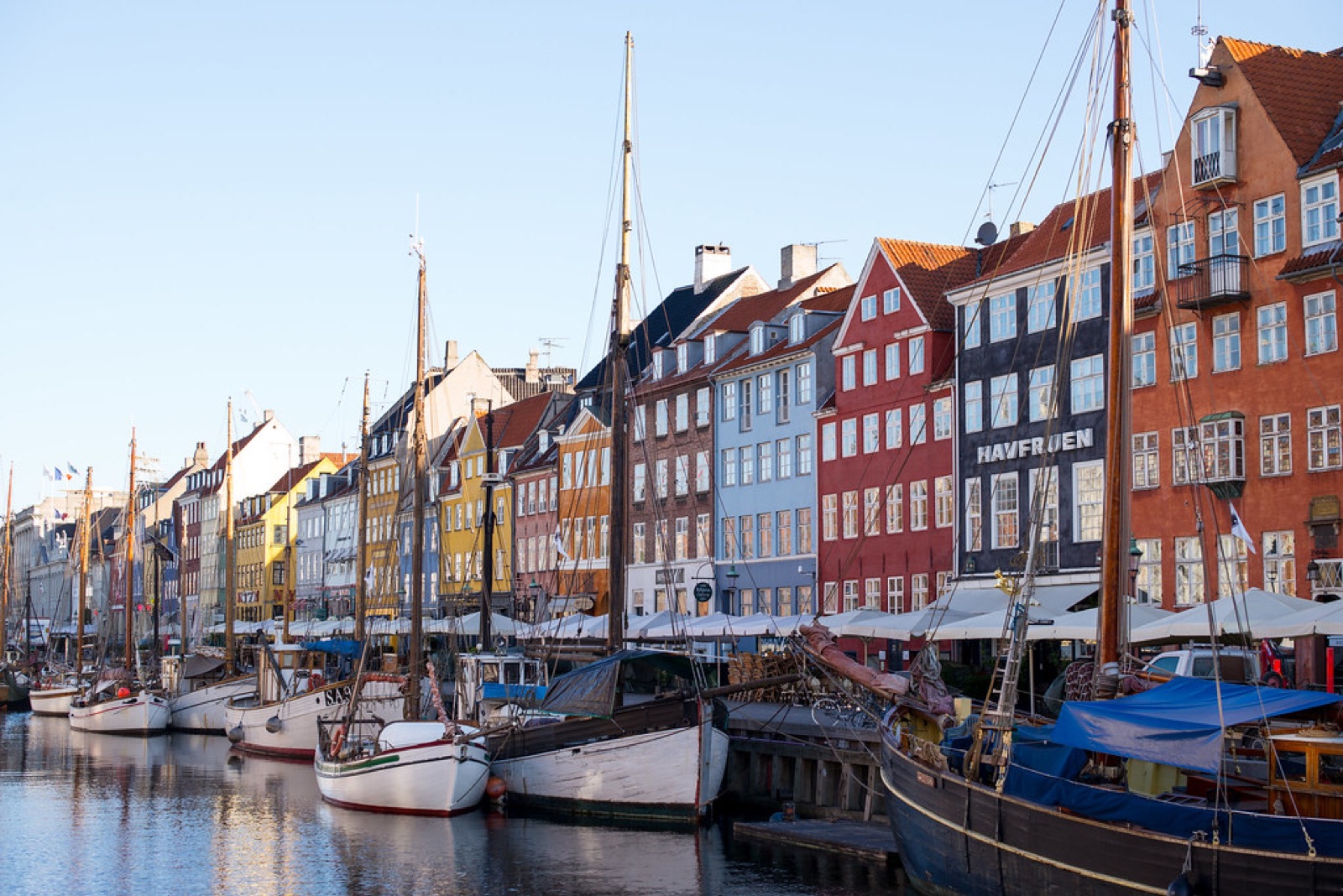
Why Denmark? Quality of Life and Opportunities
Denmark consistently ranks among the world’s happiest nations, offering a robust welfare system, low crime rates, and a strong work‑life balance. For Canadians accustomed to high standards of public services, the Danish model of universal healthcare, free education, and generous parental leave can feel like a natural extension of the values you already enjoy at home, making the transition smoother and more rewarding.
Beyond quality of life, Denmark’s strategic location in Europe opens doors to a vibrant market and multicultural environment. Its capital, Copenhagen, is a hub for tech startups, green energy, and design, attracting global talent. For Canadian professionals seeking international experience, the Danish job market provides competitive salaries, strong employee protections, and a culture that encourages innovation and collaboration.
SettleBuddy’s suite of AI‑driven tools—Visa AI, Housing AI, Career AI, and Language Lab—are built to simplify each of these advantages. By leveraging our platform, you can focus on the excitement of a new chapter while we handle the logistics, ensuring you arrive prepared, confident, and ready to thrive in Denmark.
Legal Entry Basics for Canadians
Canadian passport holders can travel to Denmark and the wider Schengen Area without a visa for tourism, business, or family visits lasting up to 90 days within any 180‑day period. Your passport must be valid for at least three months beyond your intended departure date, and you should carry proof of sufficient funds and a return ticket, as border officers may request these documents upon entry.
If you plan to stay longer than 90 days—for work, study, or family reunification—you’ll need a Danish national residence permit. These permits are issued by the Danish Agency for International Recruitment and Integration (SIRI) and are tied to specific purposes such as employment, higher education, or joining a Danish spouse. Each category has its own documentation requirements and processing times, so early preparation is essential.
table
Stay Length Typical Permit Type Up to 90 days (tourism, business) Schengen short‑stay visa (often visa‑free) 90+ days (work, study, family reunification) National residence permit – work, study or family
Choosing the Right Danish Residence Permit
Denmark offers several pathways for long‑term stays, the most common being work permits, study permits, and family reunification permits. A work permit usually requires a concrete job offer from a Danish employer who has demonstrated that the position cannot be filled by an EU/EEA citizen. The employer must submit a pay‑approval request, after which you can apply for the residence permit.
If you are accepted into a Danish higher‑education institution, a study permit becomes your primary route. The institution must provide a letter of acceptance and, in many cases, proof of sufficient financial resources to cover tuition and living expenses. For family reunification, you’ll need a marriage certificate or proof of a recognized partnership, along with evidence that your Danish sponsor meets income thresholds.
Because each permit type has distinct eligibility criteria, it’s wise to consult the Danish embassy or consulate in Canada before you begin the application. Their official website offers up‑to‑date forms, processing timelines, and contact information for any questions you may have. Remember, the Danish authorities do not accept unofficial translations—professional notarized translations are mandatory.
Preparing Your Documents in Canada
Start by confirming that your Canadian passport is valid for the entire duration of your stay in Denmark. If your passport expires within the next year, renew it now through Passport Canada to avoid last‑minute hassles. While Denmark does not require a visa for short visits, a valid passport is the cornerstone of every longer‑term application, and you’ll need it for airline check‑in and border control.
Gather all civil documents you’ll need for a Danish residence permit: birth certificates, marriage certificates, educational diplomas, and employment letters. Each document must be translated into Danish or English by a certified translator, then notarized. It’s also advisable to obtain an International Criminal Record Check (Police Clearance) from the RCMP, as Danish authorities often request this as part of the background‑screening process.
If you ever need to provide biometrics for a Canadian immigration or citizenship application, the fee is CAD $85 per person, with a family maximum of $170, and a higher rate of $255 for groups of three or more performing artists, according to the IRCC fee list. While this fee is unrelated to your Danish move, keeping the cost in mind can help you budget for any future Canadian filings you may need. 【IRCC — Application fees list】
Financial Planning and Cost of Living
Denmark’s cost of living is higher than most Canadian cities, especially in Copenhagen where housing, groceries, and transportation command premium prices. Use a budgeting spreadsheet to estimate monthly expenses, including rent, utilities, public transport, food, and health insurance. Remember that Denmark’s tax system funds universal healthcare, so you won’t need separate private health coverage, but you will still need to allocate funds for taxes and mandatory pension contributions.
Before you leave Canada, be aware of the departure tax, also known as the “deemed disposition” rule. The Canada Revenue Agency treats you as if you sold most of your worldwide assets at fair market value on the day you become a non‑resident, potentially generating a capital gains liability. Consulting a tax professional can help you navigate this complex area and possibly claim exemptions for primary residences or certain investments.
Opening a Danish bank account early can simplify salary deposits and bill payments. Many banks allow you to start the account online, but you’ll need a Danish CPR number (personal identification number) and proof of address. Transfer funds via reputable services like Wise or Revolut to avoid high conversion fees, and keep a modest emergency reserve in Canadian dollars until you’re settled.
Finding Housing with SettleBuddy Housing AI
Securing a home in Denmark is often the most stressful part of relocation, especially in high‑demand cities where apartments are rented out within days. SettleBuddy’s Housing AI eliminates the guesswork by matching your budget, preferred neighbourhood, and lifestyle criteria with real‑time rental listings across the country, all in one intuitive dashboard.
To get started, simply input your desired city, monthly rent ceiling, and any must‑have features such as proximity to public transit or pet‑friendly policies. The AI then curates a shortlist of verified listings, complete with virtual tours, lease‑agreement templates, and landlord contact details. You can also schedule viewings directly through the platform, reducing the back‑and‑forth that typically slows down the search process.
When you receive an offer, remember that Danish leases often require a three‑month deposit and a written contract in Danish. SettleBuddy provides a bilingual lease‑review tool that highlights key clauses, helping you avoid hidden fees or unfavorable terms. By relying on our AI‑driven service, you’ll save time, reduce stress, and increase the likelihood of landing a home that truly fits your needs.
Navigating the Danish Job Market
Denmark’s job market values transparency, work‑life balance, and a collaborative approach. Start by polishing your CV to the Danish “resume” format—concise, achievement‑focused, and typically limited to two pages. Highlight any experience with sustainable technologies, digital innovation, or multilingual communication, as these sectors are especially thriving in Copenhagen and Aarhus.
SettleBuddy’s Career AI streamlines the job‑search process by scanning thousands of listings for matches based on your skill set, language proficiency, and salary expectations. The platform also offers interview‑prep modules, networking tips, and a database of companies that sponsor residence permits, giving you a competitive edge before you even land in Denmark.
If you secure a job offer, your employer will often act as your sponsor for a work‑related residence permit. They must submit a pay‑approval request to the Danish Ministry of Immigration, confirming that the role meets salary thresholds and labor‑market needs. Keep copies of the contract, sponsor letters, and any correspondence, as you’ll need to upload these documents when applying for your residence permit through the Danish online portal.
Learning Danish with SettleBuddy Language Lab
While many Danes speak excellent English, mastering Danish dramatically improves your integration, career prospects, and everyday convenience. SettleBuddy’s Language Lab offers 50 curated courses specifically designed for newcomers, covering everything from basic greetings to workplace terminology and cultural idioms.
The platform uses spaced‑repetition flashcards, interactive dialogues, and AI‑generated pronunciation feedback to accelerate learning. You can set daily goals, track progress with a visual dashboard, and even join live conversation groups with other Canadian expats preparing for the same move. This community‑driven approach keeps motivation high and provides real‑world practice before you arrive.
Don’t underestimate the power of small daily habits: listening to Danish podcasts during your commute, labeling household items in both languages, and practicing common phrases with a language partner. Combine these habits with the structured curriculum in Language Lab, and you’ll find yourself confidently ordering coffee, navigating public transport, and building relationships within weeks.
Community and Cultural Integration
Denmark’s tight‑knit communities value punctuality, modesty, and a “hygge” lifestyle centered on coziness and togetherness. Joining local clubs—whether a sports team, a book circle, or a volunteer group—offers a natural entry point for meeting Danes and fellow expats. Many municipalities also host integration events that pair newcomers with native mentors, providing insider tips on everything from grocery shopping to holiday traditions.
SettleBuddy’s global mover community connects you with Canadians already living in Denmark, giving you a trusted network to ask questions, share experiences, and arrange meet‑ups. Our platform’s discussion boards let you filter conversations by city, profession, or interest, ensuring you find relevant advice quickly. By engaging early, you’ll build a support system that eases the inevitable culture‑shock moments.
Understanding Danish etiquette can prevent awkward situations. For example, it’s customary to remove shoes when entering a home, and small talk often revolves around weather or weekend plans rather than personal finances. Embrace “hygge” by inviting new friends over for a simple dinner or coffee, and you’ll quickly earn the respect and warmth that Danes reserve for genuine relationships.
Timeline, Common Pitfalls, and Next Steps
A realistic timeline from decision to arrival spans roughly 4–6 months. Begin by confirming passport validity (Month 0), then research the appropriate Danish residence permit (Month 1). Gather and translate documents while simultaneously applying for the permit (Months 2‑3). Once approved, book your flight, arrange temporary accommodation, and activate SettleBuddy Housing AI to secure long‑term housing (Month 4). Finally, settle in, register for a CPR number, and enroll in health services (Month 5‑6).
Common mistakes include underestimating the time needed for document translation, overlooking the departure tax in Canada, and assuming that a short‑stay Schengen entry automatically grants work rights. Another frequent oversight is failing to set up a Danish bank account before arrival, which can delay salary deposits and bill payments. To avoid these pitfalls, maintain a detailed checklist, double‑check each requirement against official sources, and keep copies of all communications.
Ready to take the next step? Start by creating a free SettleBuddy account, then explore our Visa AI to identify the exact Danish permit you need, use Housing AI to line up your first apartment, and enroll in Language Lab to begin your Danish lessons today. With a clear plan and our AI‑powered tools, your move from Canada to Denmark will be efficient, stress‑free, and exciting.
Where SettleBuddy comes in
SettleBuddy is the AI relocation engine for your whole move — language, visas, housing and career in one place, launching for every country. Language Lab is live now; Housing AI, Visa AI and Career AI are on the way.
Explore SettleBuddy →Key takeaways
- Canadian citizens can enter Denmark visa‑free for up to 90 days; longer stays require a Danish residence permit.
- Prepare a valid passport, translated civil documents, and a police clearance before applying for a Danish permit.
- Use SettleBuddy Housing AI to find verified rentals, Career AI for job matching, and Language Lab for Danish language mastery.
- Plan finances carefully, accounting for higher living costs, Canadian departure tax, and the need for a Danish bank account.
- Join the SettleBuddy community early to access peer support, cultural tips, and trustworthy integration resources.

FAQ
Do I need a visa to move to Denmark as a Canadian?
For stays up to 90 days, Canadians do not need a visa and can travel visa‑free within the Schengen Area. For any stay longer than 90 days—such as work, study, or family reunification—you must apply for a Danish national residence permit before arrival. The specific permit type depends on your purpose, and you’ll need supporting documents like a job offer or university acceptance.
How long does the Danish residence‑permit application take?
Processing times vary by permit category but typically range from 2 to 4 months after you submit a complete application. Work permits often move faster if the employer has already secured a pay‑approval, while study permits may take longer due to financial‑proof verification. Always check the latest timelines on the Danish Agency for International Recruitment and Integration’s website.
What should I do about my Canadian taxes when I leave?
When you become a non‑resident, Canada treats most of your worldwide assets as if you sold them on the day you left, potentially triggering a capital‑gains tax known as the departure tax. It’s advisable to consult a tax professional to calculate any liability, claim applicable exemptions for your primary residence, and file the final departure return with the CRA.
Can SettleBuddy help me find a job before I move?
Yes. SettleBuddy’s Career AI scans thousands of Danish job listings, matches them to your skill set and language level, and provides tailored application advice. You can also use the platform to connect with employers who sponsor work permits, practice interview scenarios, and receive feedback on your CV to increase your chances of securing a position before arrival.
Is it necessary to learn Danish before moving?
While many Danes speak English fluently, learning Danish greatly improves daily life, social integration, and job prospects. SettleBuddy’s Language Lab offers a structured curriculum for beginners and intermediate learners, with interactive exercises, pronunciation feedback, and community conversation groups. Starting your language study early helps you feel confident and welcome from day one.
Official sources
The regulated facts in this guide are drawn from official government sources. Rules and figures change — always confirm the current detail on the official page before you act.