Moving to Denmark from Pakistan – 2026 Complete Roadmap
Moving from Pakistan to Denmark in 2026 involves securing a work‑based residence permit—most commonly the Pay Limit Scheme (DKK 552,000 annual salary) or the Positive List for shortage occupations—then applying through the SIRI portal, providing biometrics, and registering for a CPR number after arrival. Use SettleBuddy’s Visa AI and Housing AI to track the process and find a home quickly.
Quick answer
Moving from Pakistan to Denmark in 2026 involves securing a work‑based residence permit—most commonly the Pay Limit Scheme (DKK 552,000 annual salary) or the Positive List for shortage occupations—then applying through the SIRI portal, providing biometrics, and registering for a CPR number after arrival. Use SettleBuddy’s Visa AI and Housing AI to track the process and find a home quickly.
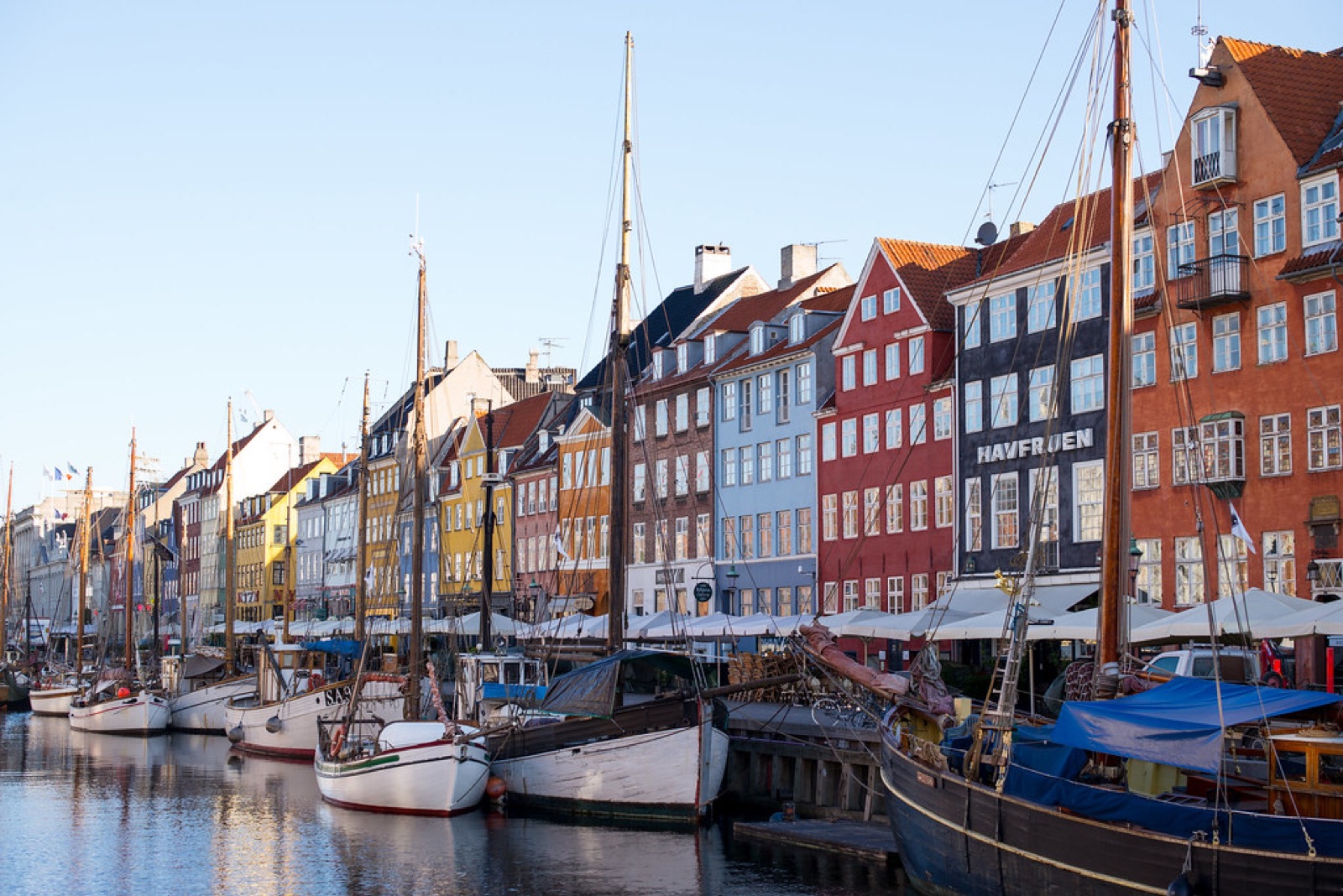
Why Denmark Appeals to Pakistani Professionals
Denmark consistently ranks among the world’s happiest nations, offering a robust welfare system, high‑quality public services, and a strong focus on work‑life balance. For Pakistani professionals, the Danish labor market values technical expertise, especially in engineering, IT, and life sciences, making it an attractive destination for career growth while enjoying a safe, clean, and inclusive society.
While Danish is the official language, English is widely spoken in workplaces and universities, easing the transition for newcomers. The climate is temperate, with cool summers and mild winters, and the country’s compact size allows easy travel across Europe, expanding personal and professional horizons beyond the borders of Denmark.
The relocation journey, however, requires careful planning. From securing a qualified job offer to navigating the SIRI (State Immigration Service) application, obtaining a CPR number, and integrating into Danish daily life, each step follows a defined legal framework. Leveraging SettleBuddy’s AI‑driven tools can streamline this roadmap, ensuring you stay on track and avoid common pitfalls.
Choosing the Right Visa Scheme for Pakistani Applicants
Denmark offers several residence‑permit categories, but most Pakistani movers opt for a work‑based scheme. The official SIRI overview lists options such as the Pay Limit Scheme, Supplementary Pay Limit Scheme, Positive List (both higher‑education and skilled‑work tracks), Fast‑track, and researcher pathways (see [S1]). Each scheme has distinct salary thresholds, educational requirements, and processing timelines, so aligning your profile with the correct category is essential.
For candidates without a specialized degree, the Pay Limit Scheme is the most straightforward: it requires a minimum annual salary of DKK 552,000 and no specific field of study (per the 2026 figures). The Supplementary Pay Limit lowers the threshold to DKK 446,000, while the Positive List demands that your occupation appear on a shortage‑occupation list and that you hold the relevant qualification. We compare the two primary schemes in the table below.
table
Scheme Minimum Salary (2026) Education Requirement Typical Processing Time Pay Limit DKK 552,000/year None 4–6 weeks Supplementary Pay Limit DKK 446,000/year None 4–6 weeks

Understanding the Pay Limit Scheme
The Pay Limit Scheme is designed for highly paid professionals whose job offer meets the 2026 salary floor of DKK 552,000 per year, regardless of sector or academic background ([S2]). This threshold is reviewed each 1 January, so applicants must verify the current figure on the live SIRI page before submitting their application.
Application fees are charged per applicant, and the exact amount can be found on the nyidanmark.dk fee schedule. While the fee is not disclosed in the public pack, the portal explicitly advises checking the current fee before payment. The scheme does not require a shortage‑occupation listing, making it accessible for a broad range of high‑earning roles.
Pros of the Pay Limit Scheme include a relatively fast decision window and the ability to bring family members as accompanying relatives. Cons involve the need to secure a high‑salary contract, which may limit options for early‑career professionals. Candidates should negotiate salary packages that comfortably exceed the threshold to avoid complications during the assessment.
Navigating the Positive List Scheme
The Positive List targets occupations that Denmark identifies as experiencing labor shortages. Applicants must hold a degree or professional qualification that matches the listed occupation, and the job offer must be for a position on the official shortage list ([S3]). This scheme is especially relevant for engineers, IT specialists, and health‑care workers, where demand consistently exceeds supply.
Unlike the Pay Limit route, the Positive List does not impose a universal salary floor; instead, the salary must be comparable to Danish market rates for the specific occupation. This can be advantageous for professionals whose expertise aligns with a shortage area but whose earnings fall below the Pay Limit threshold.
Processing times for Positive List applications are comparable to the Pay Limit scheme, typically ranging from four to six weeks. However, applicants should be prepared for additional scrutiny of their educational credentials and may need to provide proof of professional experience in the shortage field.
Step‑by‑Step Application Procedure via SIRI
The first step is to secure a binding job offer that satisfies the chosen scheme’s criteria—whether it be the DKK 552,000 salary for Pay Limit or a shortage‑occupation role for the Positive List. The employer usually provides a contract and a statement confirming compliance with the scheme’s requirements.
Next, create an online case on the SIRI portal (nyidanmark.dk). After logging in, you will generate a case order ID, upload the required documents, and pay the application fee. The portal guides you through each upload, ensuring that translations and notarizations meet Danish standards. SettleBuddy’s Visa AI can pre‑check your document checklist, reducing the risk of missing items.
Once the online submission is complete, you must schedule a biometrics appointment at the nearest Danish diplomatic mission or SIRI branch. After providing fingerprints and a photograph, the application enters the review stage. Decision notifications are sent electronically, and you can monitor status updates through SettleBuddy’s real‑time tracking dashboard.
Preparing Documents and Biometrics
Key documents include a valid passport, the signed employment contract, proof of salary (pay slips or employer letter), academic certificates, and any required professional licenses. All foreign‑language documents must be translated into Danish or English by an authorized translator, and notarized where applicable, as stipulated by the SIRI guidelines.
For Pakistani applicants, the Ministry of Foreign Affairs issues attestation services for educational certificates, while the Danish embassy in Islamabad can certify translations. It is advisable to start these processes early, as legalization can take several weeks. SettleBuddy’s Document Assistant can generate a personalized checklist and send reminders for each step.
Biometrics are collected at the Danish embassy in Islamabad or at a SIRI service point after you have paid the fee. Bring your passport, case order ID, and any receipt of payment. The appointment typically lasts 15‑20 minutes, after which you will receive a confirmation receipt that you must keep for future reference.
Bringing Your Family Along
Spouses, registered partners, and children under 18 can apply as accompanying family members under the same residence‑permit category. The family members must submit separate SIRI applications but can be linked to the principal applicant’s case, allowing a unified decision process.
Required documents for family members include valid passports, marriage or partnership certificates, birth certificates for children, and proof of relationship (e.g., joint bank statements). These documents also need translation and notarization. The salary requirement for the principal applicant automatically covers family members, so no additional income threshold is needed.
Family applications are usually processed in parallel with the principal applicant’s case, adding roughly two to three weeks to the overall timeline. Fees apply per applicant, so be sure to verify the current amount on the official fee page. SettleBuddy’s Family AI can help you compile the necessary paperwork and track each family member’s application status.
Post‑Arrival Essentials: Registration, CPR, and Taxes
Within five days of arrival, you must register your address at the local municipality (kommune). This registration triggers the issuance of a CPR number, Denmark’s personal identification number, which is essential for opening a bank account, signing a rental contract, and accessing health care. The registration can be completed in person or online, depending on the municipality’s services.
After obtaining the CPR, you should apply for a tax card (skattekort) through the SKAT website. The tax card determines your income tax rate and is required by any Danish employer. If you plan to work freelance or as a researcher, you may also need to register for VAT if your annual turnover exceeds DKK 50,000.
SettleBuddy’s integrated platform can guide you through each post‑arrival step. The Housing AI suggests neighborhoods that match your budget and commuting preferences, while the Career AI connects you with local recruiters. Additionally, the Language Lab offers tailored Danish courses, helping you adapt faster and feel at home.
Leveraging SettleBuddy for a Seamless Move
SettleBuddy’s Visa AI acts as a virtual case manager, reminding you of upcoming deadlines, checking document completeness, and alerting you to any changes in salary thresholds or fee structures. By syncing with the SIRI portal, it provides real‑time status updates, reducing uncertainty during the waiting period.
When you arrive in Denmark, Housing AI becomes your primary tool for finding a home. It aggregates listings from official Danish registries, matches them with your CPR number, and even schedules viewings through a secure chat interface. This eliminates the need to browse multiple external platforms and ensures compliance with local rental regulations.
Beyond housing, SettleBuddy’s Career AI curates job openings that align with your skill set and visa status, while the Language Lab offers interactive lessons in Danish, complete with pronunciation feedback and cultural tips. Together, these AI services create an end‑to‑end relocation ecosystem that turns a complex move into a manageable journey.
Where SettleBuddy comes in
SettleBuddy is the AI relocation engine for your whole move — language, visas, housing and career in one place, launching for every country. Language Lab is live now; Housing AI, Visa AI and Career AI are on the way.
Explore SettleBuddy →Key takeaways
- Secure a job offer that meets either the DKK 552,000 Pay Limit or a Positive List shortage occupation.
- Apply through the SIRI portal, pay the fee, and schedule biometrics at the Danish embassy in Islamabad.
- Family members can apply simultaneously; each needs separate documentation and fees.
- Register your address within five days of arrival to obtain a CPR number, then apply for a tax card.
- SettleBuddy’s Visa, Housing, Career AI, and Language Lab streamline every phase from application to settlement.

FAQ
What is the minimum salary required for the Pay Limit Scheme in 2026?
According to the New to Denmark – Pay Limit Scheme page, the 2026 minimum salary is DKK 552,000 per year. This figure is reviewed each 1 January, so applicants should verify the current amount on the live SIRI website before submitting their application.
Can I apply for a Danish residence permit without a university degree?
Yes, the Pay Limit Scheme does not require a specific education or field of study, only that your employment contract meets the salary threshold. However, other schemes like the Positive List do require a relevant qualification, so choose the route that matches your background.
How long does the SIRI decision process usually take?
For both the Pay Limit and Positive List schemes, the typical processing time is four to six weeks after biometrics are submitted. Times can vary based on workload at the Danish embassy, so it is advisable to apply well before any planned relocation date.
What documents do I need to bring for my family’s application?
Each family member must provide a valid passport, proof of relationship (marriage certificate, partnership agreement, or birth certificate), and any required translations. All documents must be notarized or attested according to Danish requirements, and each applicant pays a separate SIRI fee.
Do I need a Danish bank account before moving?
A Danish bank account is not mandatory for the visa process, but it becomes essential after you receive your CPR number to receive salary payments and pay utilities. SettleBuddy’s Housing AI can help you locate banks that offer expat‑friendly account opening procedures.
Official sources
The regulated facts in this guide are drawn from official government sources. Rules and figures change — always confirm the current detail on the official page before you act.