Moving to Denmark from USA: 2026 Complete Roadmap
US citizens can relocate to Denmark by first securing a work‑based residence permit—such as the Pay Limit Scheme or Positive List—then applying online via SIRI, providing biometrics, and registering for a CPR number. Family members can join as dependents, and SettleBuddy’s Visa, Housing, Career AI and Language Lab streamline each step.
Quick answer
US citizens can relocate to Denmark by first securing a work‑based residence permit—such as the Pay Limit Scheme or Positive List—then applying online via SIRI, providing biometrics, and registering for a CPR number. Family members can join as dependents, and SettleBuddy’s Visa, Housing, Career AI and Language Lab streamline each step.
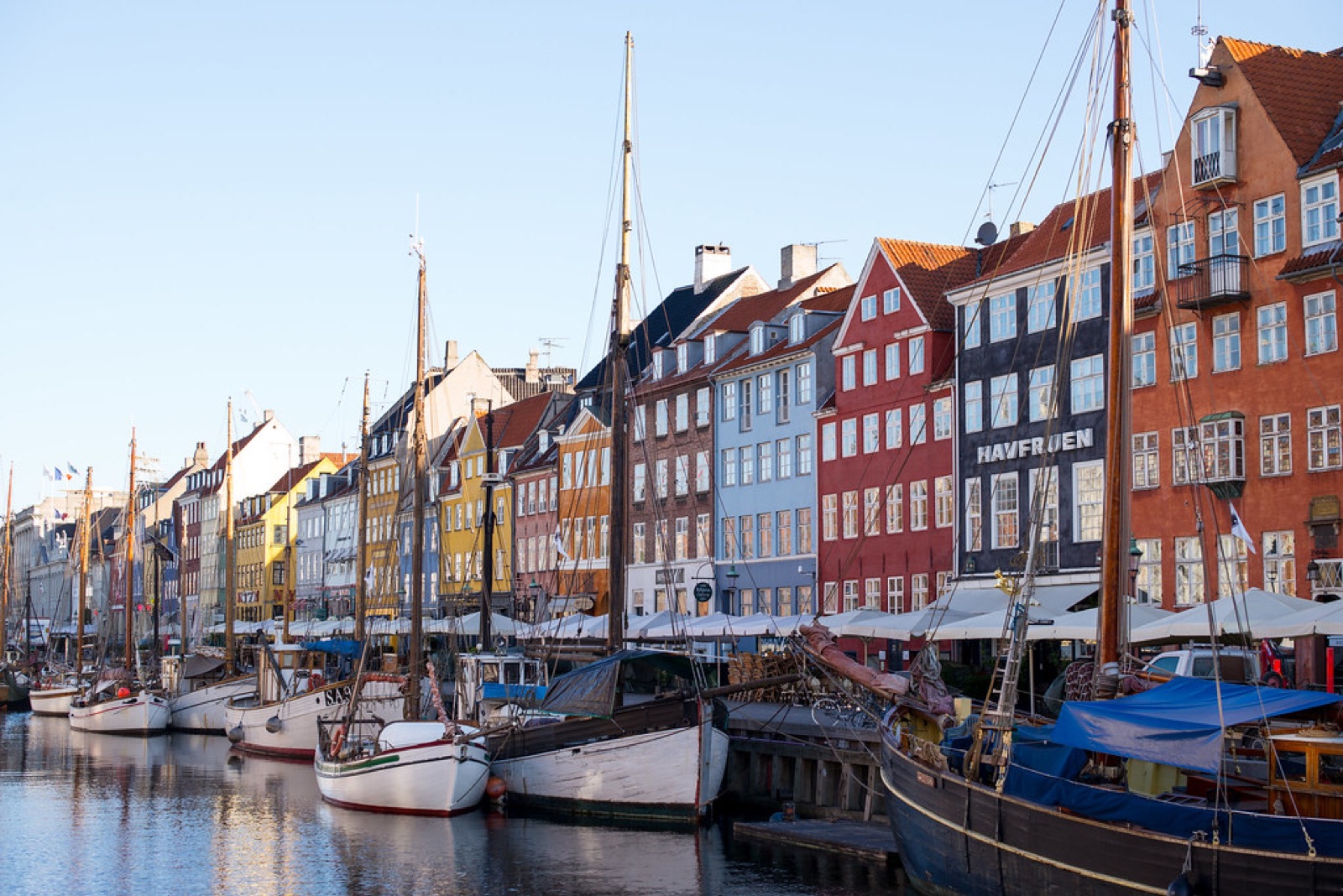
Why Denmark? An Overview for American Movers
Denmark consistently ranks among the world’s happiest and most innovative societies, offering a robust welfare system, high‑quality public services, and a strong English‑speaking environment that eases the transition for newcomers from the United States. Its strategic location in Northern Europe provides easy access to the broader EU market, while the Danish work culture emphasizes work‑life balance, fostering a supportive atmosphere for professionals seeking long‑term career growth.
For US citizens, the Danish immigration framework is transparent and digitised, centred around the Single Integrated Registration and Immigration System (SIRI). This online portal consolidates visa applications, fee payments, and status tracking, reducing paperwork and shortening processing times compared with many other destinations. Understanding the SIRI workflow is the first practical step toward a successful move.
Beyond the official procedures, Denmark’s high standard of living, excellent public transportation, and vibrant cultural scene make everyday life rewarding. Whether you enjoy cycling through Copenhagen’s historic streets, exploring the coastal towns of Jutland, or immersing yourself in Danish design, the country offers a blend of modernity and tradition that appeals to a wide range of lifestyles.
Visa Categories Open to US Citizens
The Danish immigration authority recognises several residency pathways for non‑EU nationals, each tailored to distinct life goals. For Americans, the most common routes are work‑related permits, study permits for higher‑education programmes, and family reunification permits that allow spouses and children to accompany the primary applicant. Each category follows the SIRI framework and requires a separate online case order ID.
Work‑based permits dominate the migration flow because Denmark actively seeks skilled talent. The main schemes include the Pay Limit Scheme, Supplementary Pay Limit Scheme, Positive List (both higher‑education and skilled‑work tracks), Fast‑track Scheme, and specialised researcher or startup routes. The choice depends on your job offer, salary level, and whether your profession appears on Denmark’s shortage‑occupation lists.
If you intend to study, a residence permit for higher‑education studies can be obtained once you have an admission letter from a recognised Danish institution. Family reunification permits are available for spouses, registered partners, or cohabiting partners, as well as children under 18, provided the primary applicant holds a valid residence permit and meets income requirements. All permits are processed through the same SIRI portal.

Work‑Based Pathways: Scheme Comparison
Denmark’s work schemes each have a clear eligibility profile, allowing you to match your employment contract against the most suitable route. The Pay Limit Scheme demands a minimum annual salary of DKK 552,000, without any specific educational prerequisite, making it attractive for high‑earning professionals across sectors. The Supplementary Pay Limit Scheme lowers the salary threshold to DKK 446,000, offering flexibility for mid‑level positions.
The Positive List schemes require that your occupation appears on the national shortage list and that you hold the corresponding qualification, ensuring that Denmark fills genuine skill gaps. The Fast‑track Scheme speeds up processing for employers who have demonstrated a need for rapid hiring, often combining salary and sector criteria. Researchers, startup founders, and trainees have dedicated tracks that align with Denmark’s innovation agenda.
Below is a concise comparison of the principal work schemes, summarising the key requirement for each. This table is based on official guidance from the Danish Immigration Service and does not substitute a detailed review of the SIRI pages.
table
Scheme Key Requirement Pay Limit Scheme Minimum salary DKK 552,000/year (no specific education) – see SIRI Pay Limit overview Supplementary Pay Limit Scheme Minimum salary DKK 446,000/year – see SIRI Supplementary Pay Limit overview Positive List (Higher Education) Job must be on the Positive List and you must hold the qualifying degree – see Positive List guidance Fast‑track Scheme Employer‑certified vacancy, often combined with salary criteria – see Fast‑track details
Step‑by‑Step Application Process via SIRI
Begin by securing a concrete job offer that satisfies the salary or occupational criteria of your chosen work scheme. The offer letter should explicitly state the position, salary, and duration, as SIRI will verify these details against the scheme’s thresholds. Once you have the offer, create a personal account on the nyidanmark.dk portal and initiate a new case order ID for the relevant scheme.
Next, complete the online application form, upload all required documents—including passport scans, employment contract, proof of qualifications, and any supporting letters—and pay the SIRI application fee. The fee amount is listed on the official nyidanmark.dk fees page; because the exact figure can change, the portal will display the current amount at checkout. After payment, you will receive a confirmation email with a case reference number.
The final procedural step is to attend a biometric appointment at the nearest Danish diplomatic mission or a SIRI service centre. There you will provide fingerprints and a digital photograph, which are mandatory for the issuance of a residence permit card. Once the biometrics are recorded, the application enters the review stage, during which the Danish authorities assess compliance with the selected scheme’s conditions.
Document Preparation and Biometrics
A well‑organized document package reduces the risk of delays. Core documents include a valid US passport (minimum six months validity beyond your intended stay), the signed employment contract, proof of salary (pay slips or bank statements if already employed in Denmark), and certified copies of academic diplomas or professional licences relevant to the Positive List or researcher routes. All foreign‑language documents must be translated into Danish or English by an authorised translator.
In addition to the core files, SIRI requires a recent passport‑style photograph that meets EU standards, and a completed health‑insurance declaration confirming coverage for the first three months of stay. If you are applying under the Fast‑track Scheme, an employer‑issued declaration of urgency may also be needed. Keep electronic copies in PDF format, each under the size limit indicated on the portal, to avoid upload errors.
Biometric collection is a compulsory step. Schedule the appointment as soon as the portal confirms your case ID, because appointment slots can fill quickly in major cities such as Washington, D.C., New York, and Chicago. Bring your original passport, the printed case confirmation, and any supporting documents requested in the appointment email. The biometric centre will capture fingerprints and a facial image, after which you will receive a receipt to attach to your online file.
Family Reunification: Bringing Your Loved Ones
Once your own residence permit is approved, you can invite your spouse or registered partner and any children under 18 to join you in Denmark. Each family member must submit a separate SIRI application as an accompanying family member, referencing your case order ID. The primary applicant’s salary and housing conditions are examined to ensure they meet the minimum standards for family support.
The required documentation for family members mirrors the primary applicant’s: valid passports, proof of relationship (marriage certificate or cohabitation agreement), and, for children, birth certificates. If the family member has previously lived abroad, a certificate of residence may be requested. All documents must be translated into Danish or English where applicable, and the same biometric process applies to each applicant.
Processing times for family reunification applications generally align with the primary applicant’s permit timeline, but it is prudent to allow extra weeks for additional background checks. During this period, maintain open communication with the Danish embassy handling your case, and consider using SettleBuddy’s Visa AI to monitor status updates and receive alerts about any required document submissions.
Registering in Denmark: CPR, Tax, and Health
After arriving, the first legal requirement is to obtain a CPR (Central Person Register) number, which serves as your personal identifier for all public services. Visit the nearest Citizen Service Centre (Borgerservice) with your passport, residence permit card, and proof of address (e.g., rental contract). The staff will register you in the CPR system, issue a health insurance card, and provide guidance on opening a Danish bank account.
Your CPR number also enables you to register with the Danish tax authority (SKAT). Complete the online “eIndkomst” registration to declare your employment status and expected income. This step is essential for payroll processing, as Danish employers deduct taxes and labor market contributions automatically. If you are self‑employed or a freelancer, you must also register a VAT number if your annual turnover exceeds the statutory threshold.
Health coverage is automatically activated once you have a CPR number and a valid residence permit. The public health system covers primary care, hospital treatment, and emergency services, though many expatriates supplement it with private insurance for quicker specialist access. Remember to update your address in the CPR register whenever you move, as this ensures continued eligibility for benefits and accurate tax records.
Finding a Home and Settling In
Securing suitable housing in Denmark can be competitive, especially in Copenhagen and Aarhus. Begin your search early by defining your budget range, preferred neighbourhood, and proximity to work or public transport. SettleBuddy’s Housing AI, launching soon for all countries, streamlines this process by matching your criteria with verified listings, providing virtual tours, and handling initial communications on your behalf.
When you receive a housing offer, verify the lease agreement’s terms, including duration, deposit amount, and responsibilities for utilities. Danish rental contracts are typically one‑year fixed‑term agreements, renewable upon mutual consent. Ensure the landlord is registered with the Danish Rent Tribunal (Lejernes Huslejenævn) to protect your rights. SettleBuddy’s AI can also flag any atypical clauses and suggest negotiation points.
After signing the lease, register your new address with the CPR system within five days of moving in. This registration triggers updates to tax records, mail forwarding, and eligibility for local services such as waste collection and library cards. For a smoother transition, consider joining expat community groups, and use SettleBuddy’s Career AI to explore local job networks, language courses, and networking events.
Leveraging SettleBuddy’s AI Suite for a Smooth Relocation
SettleBuddy’s Visa AI integrates directly with the SIRI portal, guiding you through each step of the application, reminding you of deadlines, and auto‑filling repetitive fields based on your uploaded documents. This reduces the risk of missing a required piece of information and speeds up the overall processing time, especially for complex cases such as the Positive List or Fast‑track routes.
Once your permit is approved, the Housing AI takes over, offering personalised property suggestions, virtual viewings, and a secure messaging channel with landlords. By using only SettleBuddy’s platform, you avoid the pitfalls of unverified third‑party listings and benefit from a streamlined workflow that keeps all relocation data in one place.
Beyond visas and housing, SettleBuddy’s Career AI analyses the Danish job market, matches your skill set with open positions, and provides interview preparation resources tailored to Danish workplace culture. Complement this with the Language Lab, which offers interactive Danish lessons designed for newcomers, helping you achieve conversational proficiency faster and easing daily interactions.
Where SettleBuddy comes in
SettleBuddy is the AI relocation engine for your whole move — language, visas, housing and career in one place, launching for every country. Language Lab is live now; Housing AI, Visa AI and Career AI are on the way.
Explore SettleBuddy →Key takeaways
- Secure a qualifying job offer that meets the salary or occupation criteria of a Danish work scheme.
- Apply online via SIRI, pay the official fee, and schedule a biometric appointment at a Danish embassy.
- Family members can join as dependents, but each must submit a separate SIRI application with proof of relationship.
- Obtain a CPR number soon after arrival to access health care, tax services, and official documentation.
- Use SettleBuddy’s Visa, Housing, Career AI and Language Lab to simplify every phase of the relocation.

FAQ
What is the minimum salary required for the Pay Limit Scheme?
According to the official SIRI Pay Limit Scheme page, the minimum annual salary for the Pay Limit Scheme is DKK 552,000 per year, and no specific education or field is required. This figure is updated each 1 January, so applicants should verify the current amount on the live SIRI portal before submitting their application.
Can I apply for a Danish residence permit without a job offer?
For most non‑EU nationals, including US citizens, a job offer that satisfies one of the work‑scheme requirements is the primary pathway to a residence permit. Alternative routes such as the Study permit or the Startup Denmark scheme exist, but each has its own set of conditions. Prospective applicants should consult the SIRI overview page or seek advice from a licensed immigration professional to explore eligible alternatives.
How long does the SIRI application process usually take?
Processing times vary by scheme and individual circumstances. The SIRI portal provides an estimated timeframe for each category, and applicants are encouraged to check the latest information on the official website. Generally, decisions are issued within several weeks after the biometric appointment, but complex cases—such as those involving the Positive List or Fast‑track routes—may require additional review.
What documents are needed for my spouse’s family reunification application?
Your spouse must submit a separate SIRI application that includes a valid passport, a marriage or registered partnership certificate, proof of your sufficient income and housing, and any required translations. Children under 18 need birth certificates and, if applicable, school enrollment confirmation. All documents should be uploaded in PDF format and meet the translation requirements outlined on the SIRI guidance pages.
How can SettleBuddy help me find accommodation in Denmark?
SettleBuddy’s upcoming Housing AI matches your budget, location preferences, and lifestyle needs with verified Danish rental listings. The platform provides virtual tours, automated lease‑review tools, and a secure messaging channel with landlords, eliminating the need to browse multiple third‑party sites. By centralising the housing search, SettleBuddy reduces the time and uncertainty typically associated with finding a home abroad.
Official sources
The regulated facts in this guide are drawn from official government sources. Rules and figures change — always confirm the current detail on the official page before you act.