Moving to France from the Philippines – 2026 Complete Roadmap
Filipinos can move to France by applying for a long‑stay visa that matches their purpose—work, study, or family. After securing the visa, validate the VLS‑TS online within three months, register locally, and use SettleBuddy’s Housing AI to find a home. Detailed steps, fees, and timelines are outlined below.
Quick answer
Filipinos can move to France by applying for a long‑stay visa that matches their purpose—work, study, or family. After securing the visa, validate the VLS‑TS online within three months, register locally, and use SettleBuddy’s Housing AI to find a home. Detailed steps, fees, and timelines are outlined below.
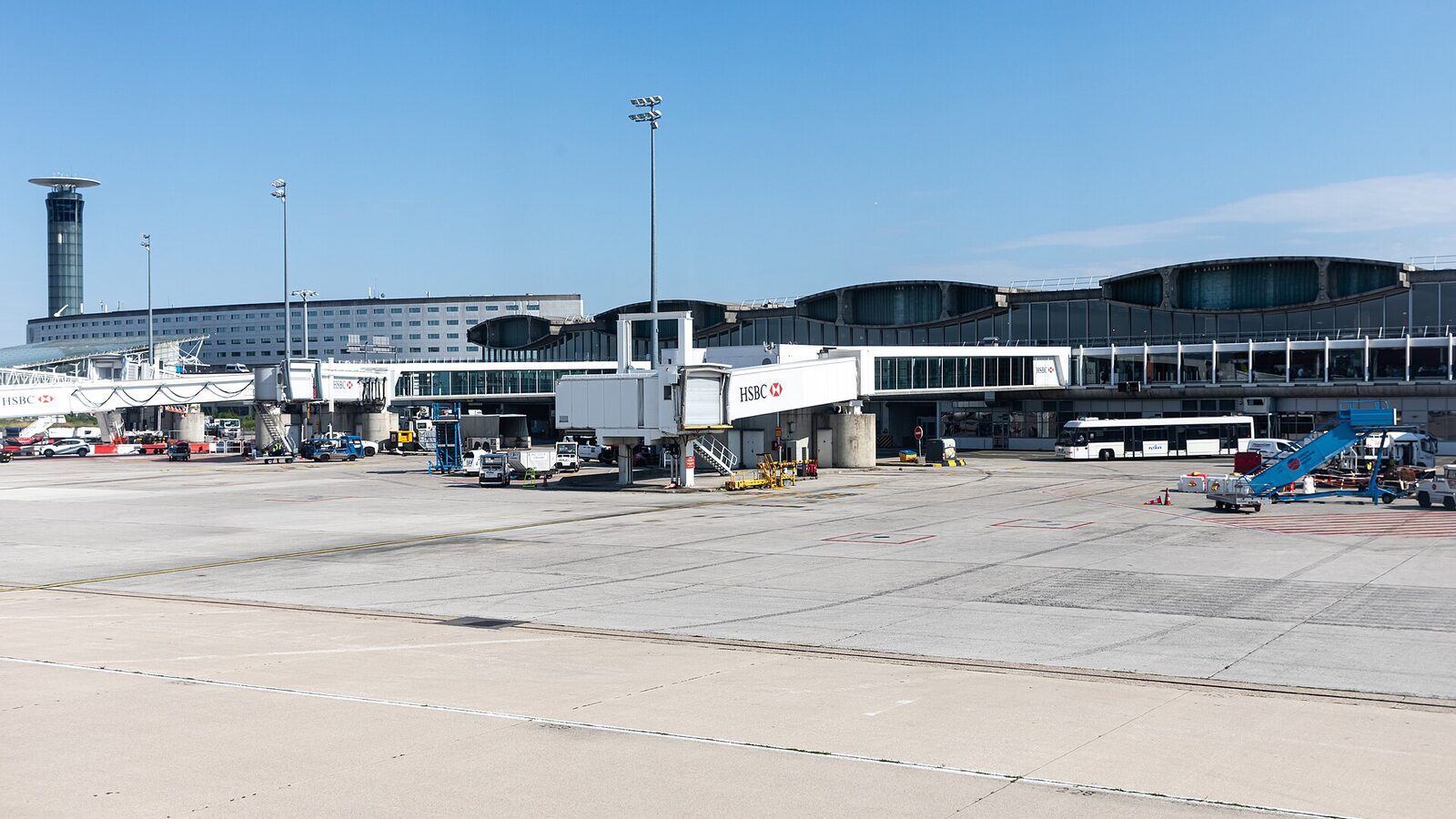
Why Choose France in 2026?
France remains one of Europe’s most attractive destinations for skilled professionals, students, and families thanks to its robust social safety net, world‑class education system, and vibrant cultural scene. For Filipinos, the country offers a clear legal pathway through long‑stay visas, and the French government has streamlined many procedures to support newcomers, making the transition smoother than ever before.
Economic stability, a high quality of life, and a strong emphasis on work‑life balance are key draws. Moreover, France’s commitment to multilingual integration means that English‑speaking newcomers can quickly find language support, especially through resources like SettleBuddy’s Language Lab, which offers tailored lessons for migrants.
Beyond the big cities, regional areas provide affordable housing and growing tech hubs, giving you the flexibility to choose a lifestyle that fits your career and personal goals. With SettleBuddy’s Career AI, you can also identify job markets that align with your skill set before you even land.
Visa Categories for Filipino Applicants
The French government distinguishes several long‑stay visa categories, each designed for a specific purpose. According to France‑Visas, the main categories include work (e.g., Salarié, Passeport Talent), self‑employment, study (Student long‑stay visa VLS‑TS), family reunification, and visitor visas. Understanding which category matches your intent is the first critical decision.
Each visa type has distinct eligibility criteria. For example, the Passeport Talent route targets highly qualified professionals, researchers, and investors, allowing a multi‑year residence permit that mirrors the length of your contract up to four years. In contrast, the standard Student long‑stay visa requires proof of sufficient monthly income—currently at least €877.50 per month as of 1 August 2026.
Below is a quick comparison of the most relevant categories for Filipino movers. Note that the table contains non‑regulated information such as typical processing times and common documentation; always verify details on the official France‑Visas portal.
| Visa Category | Typical Purpose | Key Requirement (Non‑Regulated) |
|---|---|---|
| Salarié (Employee) | Employment with French employer | Job contract ≥ 3 months |
| Passeport Talent – Skilled | Highly qualified professionals | University degree + salary threshold (varies) |
| Student VLS‑TS | Full‑time studies | Proof of €877.50/month income |
| Family Reunification | Joining a French spouse or parent | Proof of relationship + housing |
| Long‑stay Visitor | Extended stay without work | Proof of sufficient funds |

Step‑by‑Step Long‑Stay Visa Application
Begin by visiting the France‑Visas "Visa Wizard" on the official portal to identify the correct visa category for your situation. After selecting the appropriate option, you will create a personal account, which serves as the hub for uploading documents, scheduling appointments, and tracking fee payments.
The next step is to book an appointment at the nearest French consulate or at an authorized external service provider such as VFS Global or TLScontact. During the appointment you must provide biometrics, submit a complete set of supporting documents—including passport, proof of income, and purpose‑specific paperwork—and pay the applicable fee. The long‑stay visa fee is €99, as listed in the official visa‑fees document [S3].
Once your application is processed, the consulate will issue a long‑stay visa sticker in your passport. Upon arrival in France, you must validate the VLS‑TS online within three months (or apply for the multi‑year permit within two months for Passeport Talent) to convert the visa into a residence permit. Detailed guidance is available on the France‑Visas long‑stay visa page [S2].
Understanding the Passeport Talent Route
The Passeport Talent is a premium pathway for highly skilled workers, researchers, and entrepreneurs. It grants a residence permit whose validity matches the length of your employment contract, up to a maximum of four years. According to the official key facts, you must apply for the multi‑year permit within two months of arrival, and the underlying contract must exceed three months.
Eligibility typically requires a university degree, a minimum salary (which varies by sector), and a contract with a French employer or a recognized research institution. For investors and company founders, proof of sufficient capital and a viable business plan are required. The visa itself is still a long‑stay visa, so the €99 fee applies, but the subsequent permit may involve additional administrative costs that you should verify with the prefecture.
SettleBuddy’s Visa AI can help you assess whether you qualify for the Passeport Talent, generate a personalized document checklist, and even draft a cover letter that aligns with French expectations. Leveraging this tool reduces the risk of missing a critical document and speeds up the overall processing time.
Student Visa Essentials and Income Proof
If you plan to study in France, you will apply for the Student long‑stay visa (VLS‑TS). The most important regulatory requirement introduced on 1 August 2026 is the monthly income threshold of €877.50, which must be demonstrated through bank statements, scholarship letters, or a guarantor’s financial guarantee.
In addition to the income proof, you need an admission letter from a French higher‑education institution, proof of health insurance, and evidence of accommodation (a rental contract or a university‑provided residence). All documents must be translated into French by a certified translator if they are originally in English or Tagalog.
After landing, you must validate your VLS‑TS online within three months, after which you will receive a residence permit that allows you to work up to 964 hours per year. SettleBuddy’s Language Lab can accelerate your French proficiency, making it easier to navigate university administration and daily life.
Family Reunification Pathway
Filipino nationals who are married to a French citizen or have close family members legally residing in France may apply for a family reunification visa. The primary requirement is proof of the marital or familial relationship, typically a marriage certificate or birth certificate, alongside evidence that the French resident can provide adequate housing and sufficient income.
The income threshold for family reunification is not explicitly listed in the provided pack, so applicants should consult the France‑Visas portal for the most current figures. Additionally, the French sponsor must register the foreign family member at the local town hall (mairie) within three months of arrival to obtain a “titre de séjour” (residence permit).
SettleBuddy’s Visa AI can generate a tailored checklist for family reunification, ensuring you collect the correct documents, schedule consular appointments, and understand the timeline for registration with French authorities.
Arrival: Validating Your Residence Permit
Once you have entered France with a long‑stay visa, the next legal step is to validate the VLS‑TS online. The portal for validation is linked from the France‑Visas website, and you will need your passport number, visa details, and a recent French address. Validation must occur within three months; failure to do so results in a loss of legal status and may require a new visa application.
For Passeport Talent holders, the multi‑year residence permit must be applied for within two months of arrival. This application is submitted to the prefecture of your place of residence and includes a medical certificate, proof of address, and a copy of your employment contract. Processing times vary by department but generally range from four to eight weeks.
SettleBuddy’s Career AI can help you locate the appropriate prefecture, schedule appointments, and even prepare the medical certificate request, reducing the administrative burden during this critical period.
Local Registration, Health Insurance, and Social Security
After validating your residence permit, you are required to register with the local French municipal office (mairie) to obtain a “certificate of residence.” This document is essential for opening a bank account, enrolling in the national health system (Sécurité Sociale), and applying for a social security number (numéro de sécurité sociale).
Enrollment in the French health insurance system is mandatory for all residents. You will need your residence permit, proof of address, and a recent passport‑style photo. Once registered, you will receive a temporary health insurance card (Carte Vitale) that can be upgraded after a few months of contributions. The process is free, but some administrative fees may apply depending on your employment status.
SettleBuddy’s Housing AI not only assists with finding a home but also helps you gather the documents required for municipal registration, ensuring a seamless transition from arrival to full legal residency.
Finding Accommodation with SettleBuddy’s Housing AI
Securing suitable housing in France can be daunting, especially for newcomers unfamiliar with local rental conventions. SettleBuddy’s Housing AI, launching globally in 2026, streamlines this process by matching your preferences—budget, location, proximity to schools or workplaces—with verified listings across the country.
The AI tool also provides guidance on the French rental contract (bail), required guarantors, and the typical deposit amount (usually one month’s rent). While exact rent figures are not disclosed here, the platform offers a transparent cost breakdown and helps you prepare the necessary documentation, such as proof of income and a French bank statement.
By using SettleBuddy, you avoid the pitfalls of unofficial platforms and gain access to a dedicated support team that can answer questions about lease negotiations, utilities setup, and neighborhood amenities, making your first weeks in France comfortable and stress‑free.
Practical Tips for Daily Life in France
Learning basic French phrases accelerates integration. SettleBuddy’s Language Lab provides 50 languages tailored for movers, with interactive lessons that focus on everyday situations—grocery shopping, public transport, and bureaucratic appointments. Consistent practice can significantly reduce the cultural shock often experienced by new arrivals.
Public transportation in France is reliable and extensive. Most cities offer monthly passes (Carte Navigo, etc.) that provide unlimited travel within zones. To obtain a pass, you’ll need a proof of address and a valid ID. Remember that many rural areas rely on regional bus services, so checking schedules in advance is advisable.
When it comes to banking, opening an account requires a residence permit, proof of address, and a passport. Many banks now offer English‑language support, but having a basic understanding of French banking terminology will smooth the process. SettleBuddy’s Career AI can also suggest banks that cater to expatriates and provide guidance on required documents.
Common Pitfalls and How to Avoid Them
One frequent mistake is neglecting the three‑month VLS‑TS validation deadline, which can lead to an illegal stay and potential deportation. Set a calendar reminder as soon as you land, and use SettleBuddy’s Visa AI to receive automated alerts before the deadline expires.
Another error is underestimating the income proof required for student visas. The €877.50 monthly threshold is strictly enforced; using a joint bank account with a family member does not satisfy the requirement unless the account is solely in your name. Double‑check your statements and consider a French guarantor if needed.
Finally, many newcomers overlook the necessity of a French address for all official procedures—from health insurance to tax registration. SettleBuddy’s Housing AI ensures you secure a lease quickly, and the platform’s onboarding checklist helps you gather the proof of residence needed for municipal registration.
Where SettleBuddy comes in
SettleBuddy is the AI relocation engine for your whole move — language, visas, housing and career in one place, launching for every country. Language Lab is live now; Housing AI, Visa AI and Career AI are on the way.
Explore SettleBuddy →Key takeaways
- Identify the correct long‑stay visa category early; the choice determines required documents and processing time.
- Pay the €99 visa fee and, for students, meet the €877.50 monthly income threshold as of August 2026.
- Validate your VLS‑TS online within three months of arrival, or apply for the multi‑year permit within two months for Passeport Talent.
- Register with the local mairie, enroll in Sécurité Sociale, and secure health coverage promptly.
- Use SettleBuddy’s Housing AI, Visa AI, Career AI, and Language Lab to simplify each relocation step.

FAQ
How long does the French long‑stay visa application process take?
Processing times vary by consulate but typically range from four to eight weeks after the appointment. Applicants should schedule their consular visit at least three months before their intended travel date to allow for any additional document requests. SettleBuddy’s Visa AI can help you track the timeline and send reminders for pending steps.
Can a Filipino citizen work in France on a student visa?
Yes, students may work up to 964 hours per year (approximately 20 hours per week) while holding a valid VLS‑TS. However, you must first obtain a work authorization from the local prefecture, and your employer must confirm that the job does not interfere with your studies. SettleBuddy’s Career AI can guide you through the work‑authorization request.
What documents are needed for a family reunification visa?
Key documents include a valid marriage or birth certificate, proof of the French sponsor’s income and housing, the sponsor’s French residence permit, and a completed visa application form. All foreign‑language documents must be translated into French by a certified translator. SettleBuddy’s Visa AI generates a personalized checklist to ensure nothing is missed.
Do I need to open a French bank account before arriving?
It is not mandatory, but having a French bank account simplifies rent payments, utility bills, and health‑insurance contributions. You can open an account after obtaining your residence permit and proof of address. Some banks allow remote account opening for non‑residents, but a local address is usually required for full services.
What happens if I miss the VLS‑TS validation deadline?
Missing the three‑month validation window results in loss of legal status, which may lead to fines, forced departure, or a ban on re‑entry. To avoid this, set multiple reminders and use SettleBuddy’s Visa AI, which provides automated alerts and step‑by‑step guidance for completing the online validation before the deadline.
Official sources
The regulated facts in this guide are drawn from official government sources. Rules and figures change — always confirm the current detail on the official page before you act.