Moving to Germany from the Philippines: 2026 Complete Roadmap
Filipinos need a long‑stay (type D) visa to enter Germany, then apply for a residence permit after arrival. Choose a work‑related visa like the EU Blue Card, Skilled Worker, or Job Seeker, gather certified documents, prove financial self‑sufficiency, and register your address within two weeks. SettleBuddy’s Visa AI, Housing AI, Career AI, and Language Lab streamline each step.
Quick answer
Filipinos need a long‑stay (type D) visa to enter Germany, then apply for a residence permit after arrival. Choose a work‑related visa like the EU Blue Card, Skilled Worker, or Job Seeker, gather certified documents, prove financial self‑sufficiency, and register your address within two weeks. SettleBuddy’s Visa AI, Housing AI, Career AI, and Language Lab streamline each step.
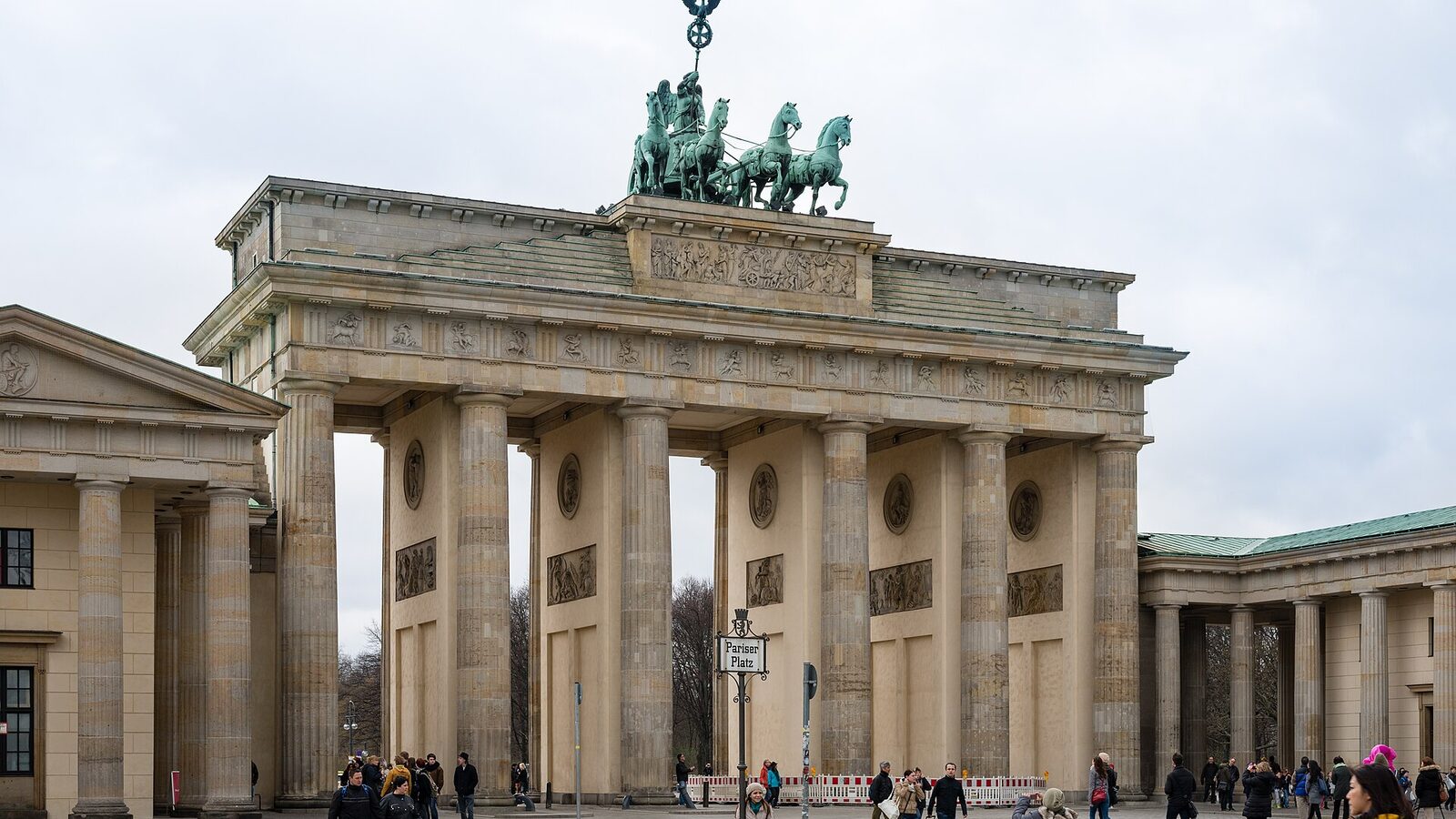
Why a Visa Is Mandatory Before Arrival
According to the Federal Office for Migration and Refugees (BAMF), a visa is required as a matter of principle to enter Germany, and a residence title is then applied for after arrival if staying beyond the visa period (BAMF). This two‑stage approach protects both the applicant and the host country, ensuring that all legal requirements are satisfied before you set foot on German soil. Ignoring this rule can result in denial of entry or future bans, so start the process well before your planned move.
The German Consular Services Portal (digital.diplo.de) hosts the online application for long‑stay (type D) visas, which cover 28 different purposes, from study to skilled work (Consular Services Portal). The portal also provides real‑time status updates, allowing you to track progress and avoid surprises. Filipino applicants should create a secure account early, as the system may request additional documents during processing.
SettleBuddy’s Visa AI can pre‑fill the application based on your profile, reducing errors that often cause delays. By uploading your passport scan and intended purpose, the AI cross‑checks against the official criteria and generates a checklist aligned with the Federal Foreign Office (Auswärtiges Amt) requirements, giving you confidence before you submit the online form.
Visa Options Tailored for Filipino Professionals
The German government offers several work‑related visa categories that Filipino nationals can leverage, each with distinct eligibility rules. The EU Blue Card targets university graduates with a binding job offer that meets a salary threshold defined as 55 % of the annual contribution assessment ceiling in the general pension insurance scheme (BAMF). Because the exact euro figure changes annually, applicants should consult the live BAMF page for the current amount.
Skilled Workers with Academic Education need a recognized university degree and a concrete job offer, while those with vocational training must have their qualification recognized through the Anerkennung‑in‑Deutschland portal (Recognition of foreign qualifications). Both pathways fall under Section 20 of the Residence Act, allowing up to six months of job‑search time if you already possess a recognized qualification and German language skills suitable for the occupation.
For recent graduates without a pre‑arranged job, the Job Seeker Visa grants up to one year to find suitable employment, provided you hold a German or comparable foreign degree. The Opportunity Card (Chancenkarte) operates on a points‑based system, rewarding language proficiency, professional experience, and age. Each of these options is listed on the Federal Office for Migration and Refugees website, where you can compare eligibility side by side.
| Visa Type | Main Eligibility |
|---|---|
| EU Blue Card | University graduate + job offer meeting salary threshold (55 % of pension ceiling) |
| Skilled Worker – Academic | Recognized university degree + job offer |
| Skilled Worker – Vocational | Recognized vocational qualification + German language fit |
| Job Seeker Visa | University degree, no job required, up to 1 year to find work |
| Opportunity Card | Points‑based: language, experience, age, qualification |
Step‑by‑Step Application Process
Begin by creating an account on the Consular Services Portal (digital.diplo.de) and selecting the long‑stay visa purpose that matches your situation. Upload a digital passport copy, a recent biometric photo, and the completed visa application form. The portal will then generate a payment invoice; fees vary by visa type and must be paid via the official channel before scheduling an appointment at the German Embassy in Manila.
After payment, book a biometric appointment at the German Embassy. During the interview, you will present original documents, including proof of qualification, employment contract or job‑search plan, and financial self‑sufficiency evidence. The consular officer may request additional items, such as a health insurance certificate, so keep extra copies ready. The embassy typically returns a decision within four to six weeks, though processing times can extend during peak periods.
Once your visa is approved, SettleBuddy’s Visa AI will send you a personalized arrival checklist, covering everything from travel insurance to the exact amount of funds you must carry. This checklist aligns with the entry principle outlined by BAMF, ensuring you meet the financial proof requirement before stepping onto German soil.
Document Checklist and Certification
All academic and professional documents must be certified as true copies by the Philippine Department of Foreign Affairs (DFA) and, when required, apostilled. For degrees, you also need a recognition statement from the Anerkennung‑in‑Deutschland portal confirming equivalence to a German qualification (Recognition of foreign qualifications). This step is crucial for Skilled Worker visas, as the German authorities will cross‑verify the recognition during the residence permit interview.
Employment‑related documents include a signed contract that specifies salary, working hours, and duration, or a detailed job‑search plan if you are applying for a Job Seeker Visa. The contract must be on official company letterhead and signed by an authorized representative. For freelancers, a freelance contract or portfolio of past projects serves as proof of future income, accompanied by a market analysis of expected earnings in Germany.
Financial proof can be demonstrated through a blocked‑account confirmation, a scholarship award letter, or a bank statement showing sufficient liquid assets. Since the exact blocked‑account amount is not static, applicants should consult the live BAMF page for the current figure. SettleBuddy’s Visa AI automatically formats these documents into a PDF bundle that matches the embassy’s upload specifications.
Proving Financial Self‑Sufficiency
German immigration law requires you to show that you can support yourself without relying on public assistance. For most work‑related visas, this means presenting a blocked‑account statement or a confirmed employment salary that meets the minimum threshold. The threshold is defined as 55 % of the annual contribution assessment ceiling in the pension system, but the exact euro amount changes each year (BAMF). Therefore, always verify the latest figure on the official BAMF site before submitting your application.
If you are applying for a freelance or self‑employment permit, you must submit a viable business plan, projected income for the first year, and evidence of sufficient capital to cover living costs. The plan should include market research, client contracts, and a realistic cash‑flow forecast. German authorities assess the plan for economic viability, so clarity and detail are essential.
SettleBuddy’s Career AI can help you draft a professional business plan by asking targeted questions about your services, pricing, and target market. The AI then formats the responses into a structured document that meets German standards, reducing the risk of rejection due to insufficient financial detail.
Arrival, Registration, and the Anmeldung Process
Within two weeks of landing in Germany, you must register your residence (Anmeldung) at the local Bürgeramt. Bring your passport, visa, rental contract, and a completed registration form. The registration triggers the issuance of a tax identification number (Steuer‑ID) and, if you plan to work, a social security number (Sozialversicherungsnummer). Failure to register on time can result in fines and may delay your residence permit issuance.
During Anmeldung, you will also need to obtain a health insurance policy that complies with German statutory requirements. Public (gesetzliche) health insurance is often the simplest route for employees, while freelancers may choose private coverage. The insurer will issue a proof of insurance (Versicherungsnachweis), which you must present when applying for your residence permit at the local Ausländerbehörde.
SettleBuddy’s Housing AI can generate a rental contract template that satisfies the Bürgeramt’s requirements, including landlord signature fields and the exact address format. By using this AI‑generated contract, you avoid common pitfalls such as missing utility information or incorrect landlord details, which can otherwise delay your Anmeldung.
Finding a Home with SettleBuddy’s Housing AI
Securing suitable accommodation is one of the first challenges after arrival. SettleBuddy’s Housing AI leverages a database of verified landlords and rental listings across Germany, offering personalized suggestions based on your budget, preferred city, and commute preferences. Unlike generic platforms, the AI filters out scams and ensures each listing complies with German tenancy law, giving you peace of mind.
When you select a property, the Housing AI automatically drafts a legally compliant rental agreement, inserts your personal data, and includes clauses required by German law, such as the notice period and deposit handling. You can then send the agreement directly to the landlord via the SettleBuddy platform, which tracks signatures and stores the final document for future reference during Anmeldung.
Because the German rental market can be competitive, the AI also recommends optimal viewing times and prepares you with a checklist of questions to ask landlords. This proactive approach shortens the time between arrival and moving in, allowing you to focus on other relocation tasks like opening a bank account or enrolling in language courses.
Integrating into the German Workforce
After your residence permit is granted, you can begin working. For EU Blue Card holders, the permit is initially valid for four years and can be converted to a permanent settlement permit after 33 months (or 21 months with sufficient German language proficiency). Skilled Workers benefit from fast‑track recognition of qualifications, which can accelerate the path to permanent residency.
If you are on a Job Seeker Visa, you have up to one year to secure employment that matches your qualification level. The German Federal Employment Agency (Bundesagentur für Arbeit) offers a free online portal where you can upload your CV and receive job alerts. Additionally, SettleBuddy’s Career AI connects you with industry‑specific mentors and suggests tailored networking events in your city.
Freelancers must register their business with the local trade office (Gewerbeamt) and obtain a tax number from the Finanzamt. Maintaining accurate bookkeeping from day one is essential, as German tax authorities conduct regular audits. SettleBuddy’s Career AI includes a bookkeeping module that tracks invoices, expenses, and VAT obligations, simplifying compliance for newcomers.
Learning German with SettleBuddy Language Lab
Proficiency in German dramatically improves job prospects and social integration. The Language Lab offers 50 language tracks, each designed for movers, with interactive dialogues, real‑life scenarios, and speech recognition that adapts to your accent. For Filipino speakers, the platform includes cultural notes about German workplace etiquette, helping you avoid common misunderstandings.
The curriculum follows the Common European Framework of Reference for Languages (CEFR), guiding you from A1 to C1 levels. Each module includes a downloadable workbook, a weekly live conversation group, and a progress dashboard that measures vocabulary retention and speaking confidence. According to the Federal Foreign Office, a minimum B1 level is often required for skilled‑worker visas, making the Language Lab an essential preparation tool.
SettleBuddy’s AI can personalize your learning path based on your occupation. If you are a software developer, the platform emphasizes technical terminology, while healthcare professionals receive medical‑specific vocabulary. This targeted approach shortens the time needed to reach functional fluency, allowing you to start contributing at work sooner.
Practical Daily‑Life Tips for Filipino Expats
Germany’s public transport network is extensive and punctual; investing in a regional travel card (e.g., the Verkehrsverbund) can save money and simplify commuting. Most cities also offer bike‑share schemes, which are eco‑friendly and health‑promoting. For banking, opening a Girokonto (current account) is straightforward once you have your residence permit and Anmeldung certificate; many banks now provide English‑language support for newcomers.
Healthcare operates on a mandatory insurance model. As soon as you receive proof of health insurance, you can book appointments with general practitioners (Hausärzte). For urgent care, the 116 117 hotline connects you to the nearest medical facility. Remember to carry your insurance card and an updated translation of any chronic condition documentation, especially if you have pre‑existing conditions common in the Philippines.
Social integration is eased by joining local Filipino community groups, many of which meet regularly in cities like Berlin, Munich, and Frankfurt. These groups often organize cultural events, language exchange nights, and job‑search workshops. SettleBuddy’s Community feature connects you with fellow Filipino movers, enabling you to share experiences, find mentors, and discover hidden opportunities across Germany.
Common Mistakes and How to Avoid Them
One frequent error is submitting incomplete or non‑certified documents, which leads to visa rejections. Always verify that each academic certificate has been apostilled by the DFA and, where required, recognized by the Anerkennung‑in‑Deutschland portal. Double‑check the spelling of names and dates, as mismatches trigger additional verification steps that can add weeks to processing time.
Another pitfall is underestimating the financial proof requirement. Because the blocked‑account amount changes annually, relying on outdated figures can cause your application to be denied for insufficient funds. The safest route is to visit the live BAMF page for the current threshold and, if possible, open a blocked‑account with a German bank that offers an online confirmation letter accepted by the embassy.
Finally, many newcomers delay the Anmeldung, assuming it can be done later. German law mandates registration within two weeks, and failure to do so can result in fines and complications when applying for a residence permit. Use SettleBuddy’s Housing AI to secure a lease quickly, then schedule your Bürgeramt appointment before you land. This proactive planning eliminates the most common source of post‑arrival stress.
Where SettleBuddy comes in
SettleBuddy is the AI relocation engine for your whole move — language, visas, housing and career in one place, launching for every country. Language Lab is live now; Housing AI, Visa AI and Career AI are on the way.
Explore SettleBuddy →Key takeaways
- A long‑stay (type D) visa is mandatory for Filipinos before entering Germany; apply via the Consular Services Portal.
- Choose the visa that matches your qualification—EU Blue Card, Skilled Worker, Job Seeker, or Opportunity Card—each with specific eligibility criteria.
- Financial proof must meet the current threshold defined by BAMF; always verify the latest figure on the official website.
- Register your address (Anmeldung) within two weeks of arrival to obtain tax and social security numbers.
- SettleBuddy’s AI tools—Visa, Housing, Career, and Language Lab—streamline every relocation step, from paperwork to daily life.

FAQ
Do I need a German language test before applying for a work visa?
A formal language test is not required for most work visas, but having at least B1 level German improves your chances, especially for the Skilled Worker routes. The Federal Office for Migration and Refugees notes that language proficiency can shorten the waiting period for a settlement permit. If you lack German skills, consider enrolling in SettleBuddy’s Language Lab to reach the needed level before your visa interview.
Can I bring my family with me on a single visa?
Yes, family members (spouse and minor children) can apply for a family reunification visa, which is linked to the primary applicant’s residence permit. They must submit their own passports, proof of relationship, and financial self‑sufficiency evidence. The process is handled through the same Consular Services Portal, and SettleBuddy’s Visa AI can generate a combined checklist to keep all documents organized.
What if my university degree is not recognized in Germany?
If your degree is not automatically recognized, you must request an assessment through the Anerkennung‑in‑Deutschland portal. The authority will compare your qualification to German standards and may require additional documentation or a bridging course. Until the recognition is granted, you cannot apply for the Skilled Worker visa, but you may still pursue a Job Seeker Visa while the assessment is pending.
How long does the entire relocation process take from application to moving in?
Timelines vary: the visa is decided after the embassy interview, and the blocked‑account verification can add time. After arrival, Anmeldung must be completed within two weeks, and securing housing through SettleBuddy’s Housing AI can happen in as little as one week. Overall, most movers experience a 2‑3 month window from initial application to settling into a German home.
Do I need a local German bank account before I arrive?
A German bank account is not required for the visa application, but it becomes essential for opening a blocked‑account and receiving salary payments. After you obtain your residence permit and registration certificate, you can open a Girokonto in person or online. Many banks now offer English‑language onboarding, and SettleBuddy’s Career AI can suggest banks that support quick account opening for newcomers.
Official sources
The regulated facts in this guide are drawn from official government sources. Rules and figures change — always confirm the current detail on the official page before you act.