Moving to Japan in 2026: Visas, Costs and First Steps
Moving to Japan follows a fixed order: a Certificate of Eligibility obtained for you in Japan, a visa from your local embassy, a residence card at the airport, and registration at your town hall within 14 days. In 2026 the fees for that process changed. This guide walks through each step using Japanese government sources, read on 13 October 2026.
Quick answer
To move to Japan you need a visa that matches your purpose, usually a working visa, a Student visa or a family visa. A proxy in Japan, such as your employer or school, first obtains a Certificate of Eligibility; with it the visa takes about 5 working days and costs approximately 15,000 yen. If you stay over three months you receive a residence card, issued on arrival at seven major airports, and must register your address at the municipal office within 14 days. You must also join public health insurance. Later, extending your stay costs 10,000 to 75,000 yen depending on the period granted, under fees in force since 1 October 2026.
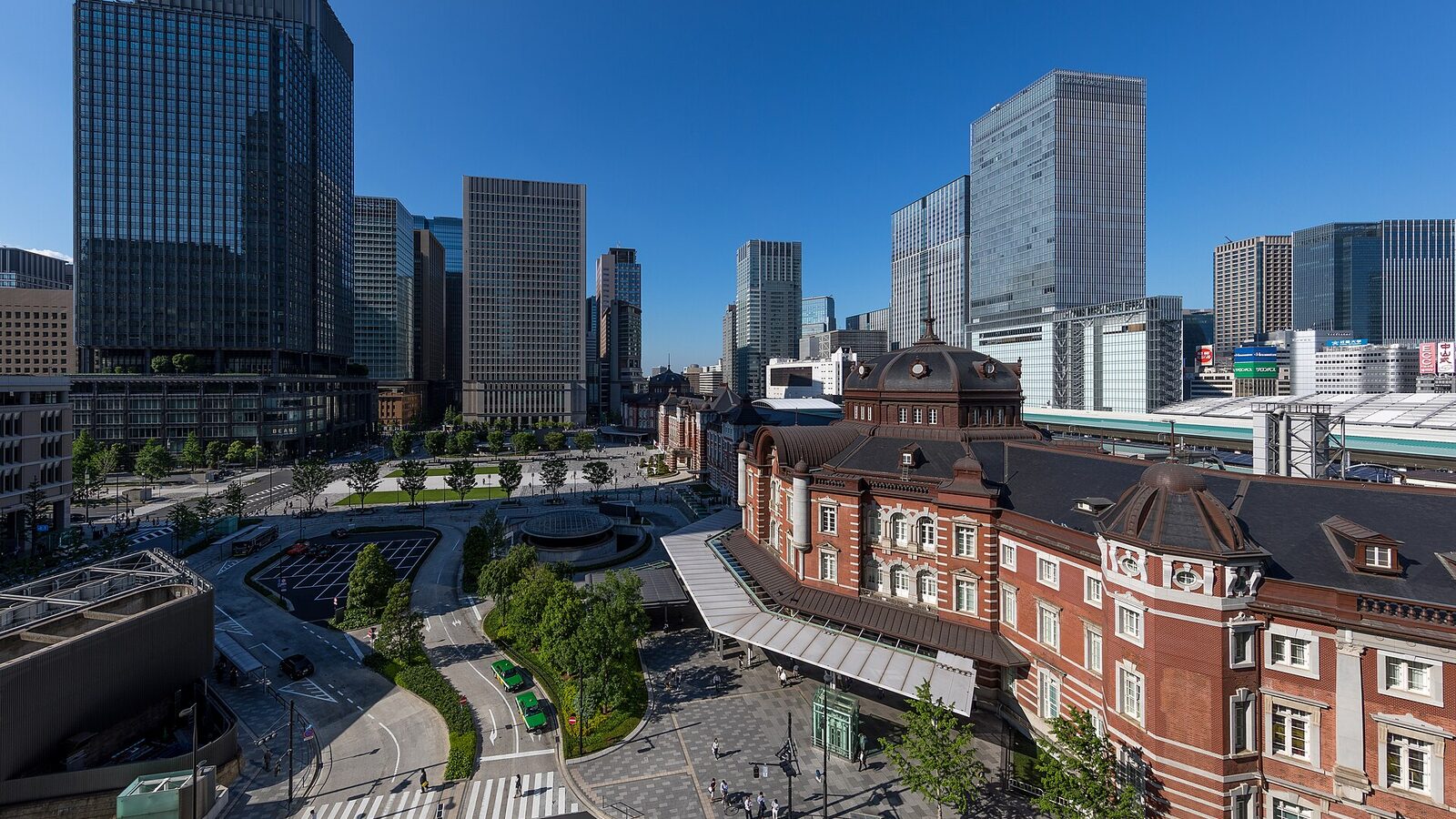
Step 1: choose your route in
| Route | Who it is for | Period of stay |
|---|---|---|
| Working visa, for example Engineer/Specialist in Humanities/International Services | People with a job in Japan that fits the category: engineers, IT engineers, language teachers, interpreters, designers | 5 years, 3 years, 1 year or 3 months |
| Highly Skilled Professional | People who score 70 points or more under the points system | 5 years |
| Intra-company Transferee | Staff transferred to the Japanese branch or head office of the same company | Decided individually |
| Student | College and pre-college students | 4 years and 3 months or less |
| Dependent (Family Stays) | The spouse and children of someone with a working visa | Decided individually |
| Spouse or Child of Japanese National | Spouses and biological children of Japanese nationals | Decided individually |
| Designated Activities | Working holidays, paid internships and digital nomads, among others | Decided individually |
The details are in our guides to the Japan work visa and the Japan student visa.
Step 2: the Certificate of Eligibility and the visa
- A proxy in Japan applies for your Certificate of Eligibility at a regional immigration authority. It certifies that your planned activity is genuine and fits a status under the Immigration Control Act.
- You apply for the visa at the Japanese embassy or consulate for your area, with your passport, one application form, one photograph and the certificate.
- The visa is issued in 5 working days from the day after the application is received, if there is no problem. Without a certificate it typically takes one to three months.
- You enter Japan within three months. A single-entry visa is valid for three months and cannot be extended.
The certificate does not guarantee the visa. Nationals of the Philippines, Viet Nam, Indonesia, Nepal, Myanmar and China should also check the pre-entry tuberculosis screening that applies to long-term stays.
Step 3: know the costs before you go
| Cost | Amount |
|---|---|
| Single-entry visa, from 1 July 2026 | Approximately 15,000 yen |
| Multiple-entry visa, from 1 July 2026 | Approximately 30,000 yen |
| Extension or change of status, 1 year granted, from 1 October 2026 | 33,000 yen at the counter; 27,000 yen online |
| Extension or change of status, 5 years or more granted | 75,000 yen at the counter; 65,000 yen online |
| Permanent residence, on approval | 200,000 yen |
The full scale is in our Japan visa fees guide. For daily living, an international student's costs average 105,000 yen a month excluding tuition, with housing at 41,000 yen nationally and 57,000 yen in Tokyo; see cost of living in Japan.
Step 4: arrival and the residence card
A residence card is your identity document in Japan. It is issued to anyone staying more than three months and shows your status of residence and period of stay. Anyone aged 16 or over must carry it at all times.
- At seven airports the card is issued on arrival: Narita, Haneda, Chubu, Kansai, New Chitose, Hiroshima and Fukuoka.
- At any other airport or port, you first file your moving-in notification with your municipality, and the card is then delivered to your home by mail.
- No card is issued to people permitted to stay three months or less, temporary visitors, or digital nomads and their families.
Step 5: your first 14 days
Register your address
You must file a moving-in notification at your municipal office within 14 days of settling into an address. Bring your residence card, or your passport if the card is to be issued later. If you are moving with family, bring official documents proving the relationship, such as a marriage or birth certificate. If you later move to another municipality, you file a moving-out notification at the old office and a moving-in notification at the new one, again within 14 days.
Join health insurance
Everyone registered as a resident who is under 75 and not in Employees' Health Insurance is obliged to enrol in National Health Insurance. Foreign nationals are covered by that rule unless, for example, their period of stay is less than three months or they are temporary visitors. Premiums are calculated per household according to income and household size. With insurance, school-age children and adults up to 69 pay 30% of medical costs.
Pension
The National Pension is a public system that residents aged 20 to 59 enrol in. If you are employed, your company handles enrolment in the Employees' Pension Insurance system; otherwise you apply at your municipal office.
Your Individual Number
Residents receive an Individual Number, often called My Number. You need it when you open a bank account, make or receive overseas remittances, and receive pension or medical services.
Emergency numbers
Call 119 for medical emergencies, injuries and fires, and 110 for traffic accidents and crimes.
Working in Japan: what to expect on pay
The minimum wage is set by prefecture. For fiscal 2026 the national weighted average is 1,177 yen an hour, with rates from 1,085 yen to 1,280 yen taking effect between 1 October and 2 December 2026. Students need permission to work and are limited to 28 hours a week.
Staying longer
- Extending. Apply at a regional immigration services office before your period of stay expires. A new residence card is issued if it is approved.
- Changing status. If your activity changes, for example from student to employee, apply to change your status of residence.
- Losing your card. Apply for a replacement within 14 days of discovering the loss.
- Permanent residence. In principle after 10 years, or after 3 years with 70 points and 1 year with 80 points as a highly skilled professional. See our Japan permanent residence guide.
A simple order of operations
- Secure the job, school place or family basis for your visa.
- Have your proxy in Japan obtain the Certificate of Eligibility.
- Apply for the visa and pay approximately 15,000 yen.
- Enter Japan within three months and collect your residence card.
- Register your address within 14 days.
- Enrol in health insurance and the pension system.
- Open a bank account with your Individual Number.
Frequently asked questions
How can I move to Japan?
You need a visa that matches your purpose: a working visa for a job, a Student visa for study, or a family visa. A proxy in Japan obtains a Certificate of Eligibility for you, and you then apply at a Japanese embassy or consulate.
How much does it cost to move to Japan?
The visa itself costs approximately 15,000 yen for single entry since 1 July 2026. Living costs for an international student average 105,000 yen a month excluding tuition. Later extensions cost 10,000 to 75,000 yen depending on the period granted.
What do I have to do when I arrive in Japan?
Collect your residence card, which is issued on arrival at seven major airports, and file a moving-in notification at your municipal office within 14 days of settling into an address. Then enrol in health insurance and the pension system.
Is health insurance mandatory in Japan for foreigners?
Yes, for residents. Registered residents under 75 who are not in Employees' Health Insurance must enrol in National Health Insurance. People staying less than three months and temporary visitors are among the exceptions.
Do I have to carry my residence card in Japan?
Yes. Anyone aged 16 or over must carry their residence card at all times.
How long does a Japanese visa take?
With a Certificate of Eligibility, 5 working days from the day after the application is received, if there is no problem. Without one it typically takes one to three months.
Can I move to Japan without a job?
Yes, as a student, as the spouse or child of a Japanese national, as a dependant of a working visa holder, or under a Designated Activities category such as a working holiday. A standard working visa requires employment that fits its category.
Sources (official only)
- Ministry of Foreign Affairs of Japan — Work or long-term stay
- Ministry of Foreign Affairs of Japan — Visa processing time
- Ministry of Foreign Affairs of Japan — Visa fees
- Immigration Services Agency of Japan — Guidebook on Living and Working, 7th edition
- Immigration Services Agency of Japan — Revision of residence permission fees from 1 October 2026 (Japanese)
- Ministry of Health, Labour and Welfare — Regional minimum wages for fiscal 2026 (Japanese)
- Study in Japan (JASSO) — Living costs and expenses
All figures verified against the official pages above on 13 October 2026. Fees and procedures change, so check with the Japanese embassy for your area before you apply. Information, not legal advice.