Moving to Mexico 2026: Visas, Residency and Pets for Americans
US citizens can visit Mexico without a visa for up to 180 days, but living there is a different matter. To stay longer, you apply for a temporary resident visa at a Mexican consulate before you go, then exchange it for a residence card within 30 days of arrival. This guide covers the residency requirements, the income figures one US consulate publishes, the card fees, bringing your household goods and moving with dogs or cats, as published by Mexico's Ministry of Foreign Affairs (SRE), the National Migration Institute (INM), the animal health agency SENASICA and the Consulate General of Mexico in Orlando, read on 14 October 2026.
Quick answer
Apply for a temporary resident visa at a Mexican consulate in the US. The Orlando consulate asks for income of at least $4,393.00 USD per month over the previous six months, or a balance of at least $73,215.00 USD over the previous twelve months, plus a $53.00 fee. Within 30 días naturales (calendar days) of entering Mexico, exchange the visa for a residence card at the INM, which costs MXN 11,141 for one year. US-origin dogs need a screwworm-free inspection document signed by a USDA-accredited vet within 5 días (days) before travel.
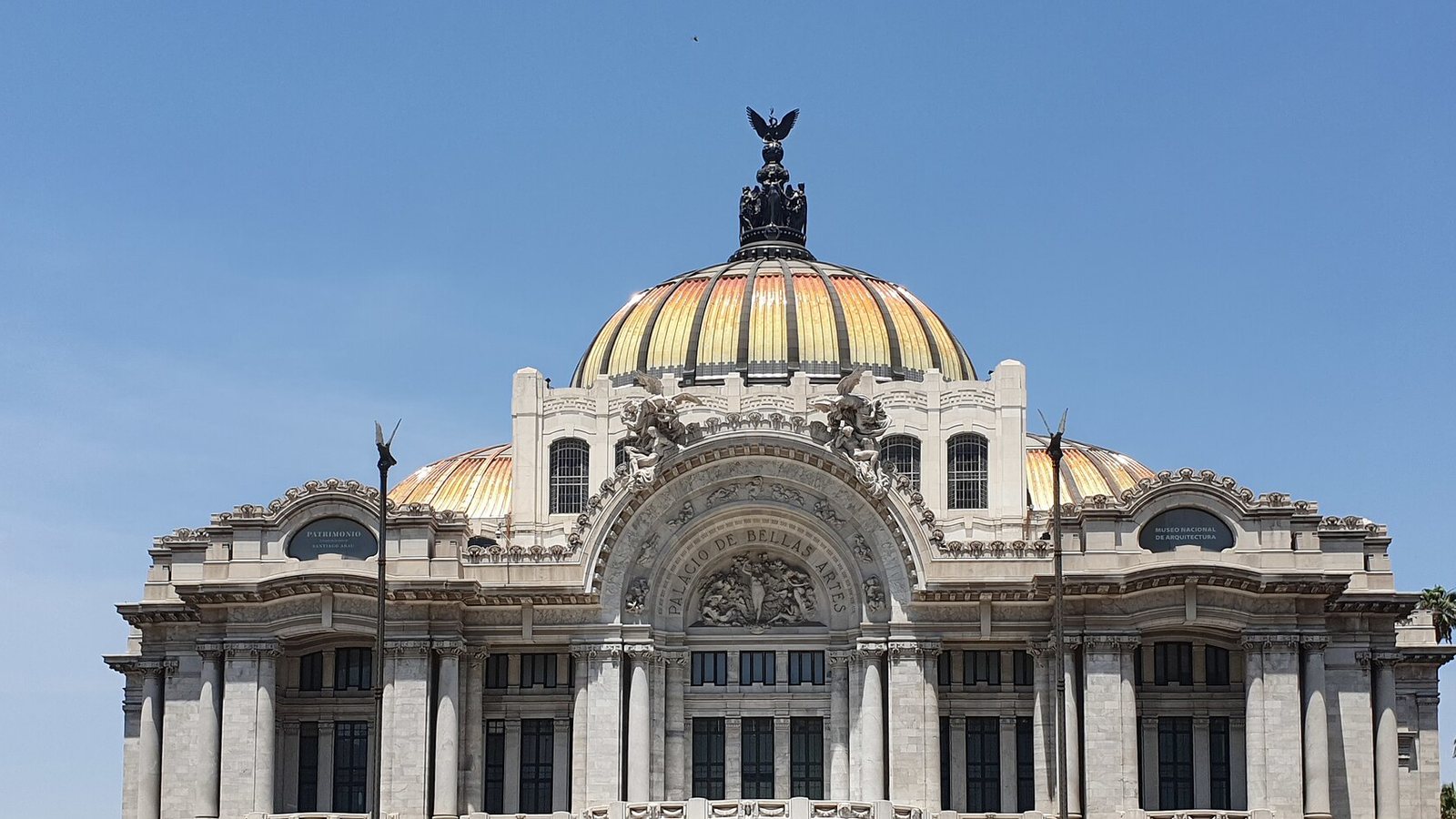
Moving to Mexico as a US citizen: visiting vs living
- Visits: US citizens are on the list of nationalities that do not need a visa for tourism, business, study and similar visits of up to 180 days, with no pay received in Mexico.
- Passport: the Montreal consulate says Mexico sets no minimum passport validity, but your passport must be valid when you enter and for the whole time you plan to stay.
- Entry form: visitors fill in the digital Forma Migratoria Múltiple (FMMd), provided by the airline or at the port of entry.
- No switching inside Mexico: visitors in Mexico cannot change to temporary or permanent residence, except for humanitarian reasons or family unity. If you plan to live there, get the residence visa at a consulate first.
Mexico residency requirements
The SRE describes the temporary resident visa as being for people who want to stay in Mexico for more than 180 days and less than 4 years. You need a valid passport, a photo, the fee, and to be a national of, or legally staying in, the country where you apply. You must also show one of the grounds below.
- Economic solvency
- A family link with a Mexican citizen or with a foreign temporary resident
- Property in Mexico
- Investments in Mexico
- A letter of responsibility, scientific research in Mexican waters, or an international mobility agreement
The SRE adds that this visa allows you to work in Mexico as long as your salary is paid abroad. A job paid in Mexico needs a visa your employer requests from the INM, which our Mexico work visa guide explains.
What the Orlando consulate asks for
| Visa | Income route | Savings route |
|---|---|---|
| Temporary resident (economic solvency) | At least $4,393.00 USD a month from employment or a pension, for the previous six months | A minimum monthly balance of at least $73,215.00 USD for the previous twelve months |
| Permanent resident (retirement) | At least $7,321.00 USD a month from a pension, for the previous six months | A minimum monthly balance of at least $292,859.00 USD for the previous twelve months |
Bank statements must be originals with the official bank stamp and show your full name and address, not a P.O. box. If you prove solvency through a job, the consulate wants a letter on company letterhead from your supervisor, giving your position and monthly salary and agreeing that you will live in Mexico and work remotely. The fee is $53.00 USD in cash, non-refundable, and the consulate may take up to ten business days. Other consulates publish their own figures, so check the one where you apply.
After you land: the residence card
- Within 30 días naturales (calendar days) of entry, apply at an INM office to exchange your temporary resident visa for a card.
- Bring: the stay application form, your passport, the visa, your Forma Migratoria Múltiple, the fee receipt and the formato básico with your additional details.
- Pay: MXN 11,141 for a one-year temporary resident card. A 50% rate of MXN 5,570 applies for family unity or a job offer from a registered employer. INM offices accept Visa and Mastercard by card terminal.
- Photos are taken at the INM office, and the Ventanilla Única lists up to 15 días (days) to the next step.
Moving to Mexico City from the US
The rules are national, so the visa and card steps are the same in Mexico City as anywhere else. The INM's central office is at Av. Homero 1832, Los Morales Polanco, in the Miguel Hidalgo borough, and the INM call centre is +52 (800) 004 6264, open Monday to Friday from 07:00 to 23:00 and at weekends from 09:00 to 17:00. For a budget, see our cost of moving to Mexico guide.
Bringing your household goods
- Certificate: the Orlando consulate issues a Household Goods Import Certificate for $169.00 US dollars, cash only, delivered within two business days.
- You need: a valid residence card or residence visa, a signed letter of intent, and a typed inventory in Spanish listing models and serial numbers of electronic devices.
- Timing: the goods must be imported no later than six months after your first entry.
- Cars: a motor vehicle is not considered a household good.
- Customs: if you apply with your visa, customs will still need your residence card to release the shipment.
Moving to Mexico with dogs and cats
SENASICA's rules from 4 August 2026 set different requirements depending on where your pet comes from.
| Pets coming from | What SENASICA requires |
|---|---|
| The United States | For dogs, an inspection document showing the dog is free of screwworm (gusano barrenador del ganado), signed by a USDA-accredited vet within 5 días (days) before travel. Cats are exempt. A physical inspection at arrival. No health certificate or vaccination record needed. |
| Canada | A physical inspection at arrival. No health certificate or vaccination record needed. |
| Other countries | A health certificate issued no more than 15 days before, showing rabies vaccination, a clinical check and internal and external deworming within the previous six months |
At the port, airport or border, ask SENASICA staff for the import certificate (Certificado Zoosanitario para Importación, CZI) form. The carrier must be clean and will be sprayed. Bedding, nappies, newspaper, sawdust, cloths, toys and treats with ruminant ingredients are not allowed and will be destroyed, while a collar and lead are fine. If parasites are found, you pay a vet of your choice in Mexico to treat your pet before release.
Frequently asked questions
Can a US citizen move to Mexico?
Yes. Apply for a temporary resident visa at a Mexican consulate, then exchange it for a residence card within 30 días naturales (calendar days) of entry.
How much income do I need to move to Mexico?
The Orlando consulate asks for at least $4,393.00 USD a month over six months, or a balance of $73,215.00 USD over twelve months. Other consulates publish their own figures.
Can I move to Mexico on a tourist entry and apply there?
No. Visitors in Mexico cannot change to temporary or permanent residence, except for humanitarian reasons or family unity.
Can I work remotely for a US company from Mexico?
The SRE says a temporary resident visa lets you work in Mexico as long as your salary is paid abroad.
What does my dog need to enter Mexico from the US?
An inspection document showing it is free of screwworm, signed by a USDA-accredited vet within 5 días (days) before travel, plus a physical inspection at arrival.
How much is the Mexican residence card?
MXN 11,141 for a one-year temporary resident card, or MXN 5,570 at the 50% rate for family unity or a registered employer's job offer.
Can I bring my car as a household good?
No. The Orlando consulate states that a motor vehicle is not considered a household good.
Official sources
- Secretaría de Relaciones Exteriores — Visa de residencia temporal
- Consulate General of Mexico in Orlando — Temporary resident visa, economic solvency
- Consulate General of Mexico in Orlando — Permanent resident visa, retirement
- Consulate General of Mexico in Orlando — Household goods import certificate
- Ventanilla Única / INM — Solicitar tarjeta de residencia
- Consulado General de México en Montreal — Visitantes que no requieren visa
- SENASICA — Si viajas con tu mascota
All rules, fees and figures verified against the official sources above on 14 October 2026. Consular income figures and fees can differ between consulates. Information, not legal advice.