Moving to Qatar in 2026: The Complete Guide for New Arrivals
Moving to Qatar in 2026 requires securing the right visa, arranging housing, learning basic Arabic, and understanding local customs; follow a clear timeline—apply for a work or family visa 2‑3 months ahead, set up accommodation before arrival, use Language Lab for fast language prep, and tap SettleBuddy for coordinated visa, housing, and career support.
Quick answer
Moving to Qatar in 2026 requires securing the right visa, arranging housing, learning basic Arabic, and understanding local customs; follow a clear timeline—apply for a work or family visa 2‑3 months ahead, set up accommodation before arrival, use Language Lab for fast language prep, and tap SettleBuddy for coordinated visa, housing, and career support.
Why Qatar is a top destination in 2026
Qatar’s 2026 outlook shines thanks to its diversified economy, anchored by energy, construction, and a growing tech sector. The government’s Vision 2030 continues to fund infrastructure projects, creating a steady stream of professional opportunities while keeping living standards high. Expatriates benefit from tax‑free salaries, modern amenities, and a safety ranking that consistently places the country among the most secure in the Middle East, making it an attractive place to relocate.
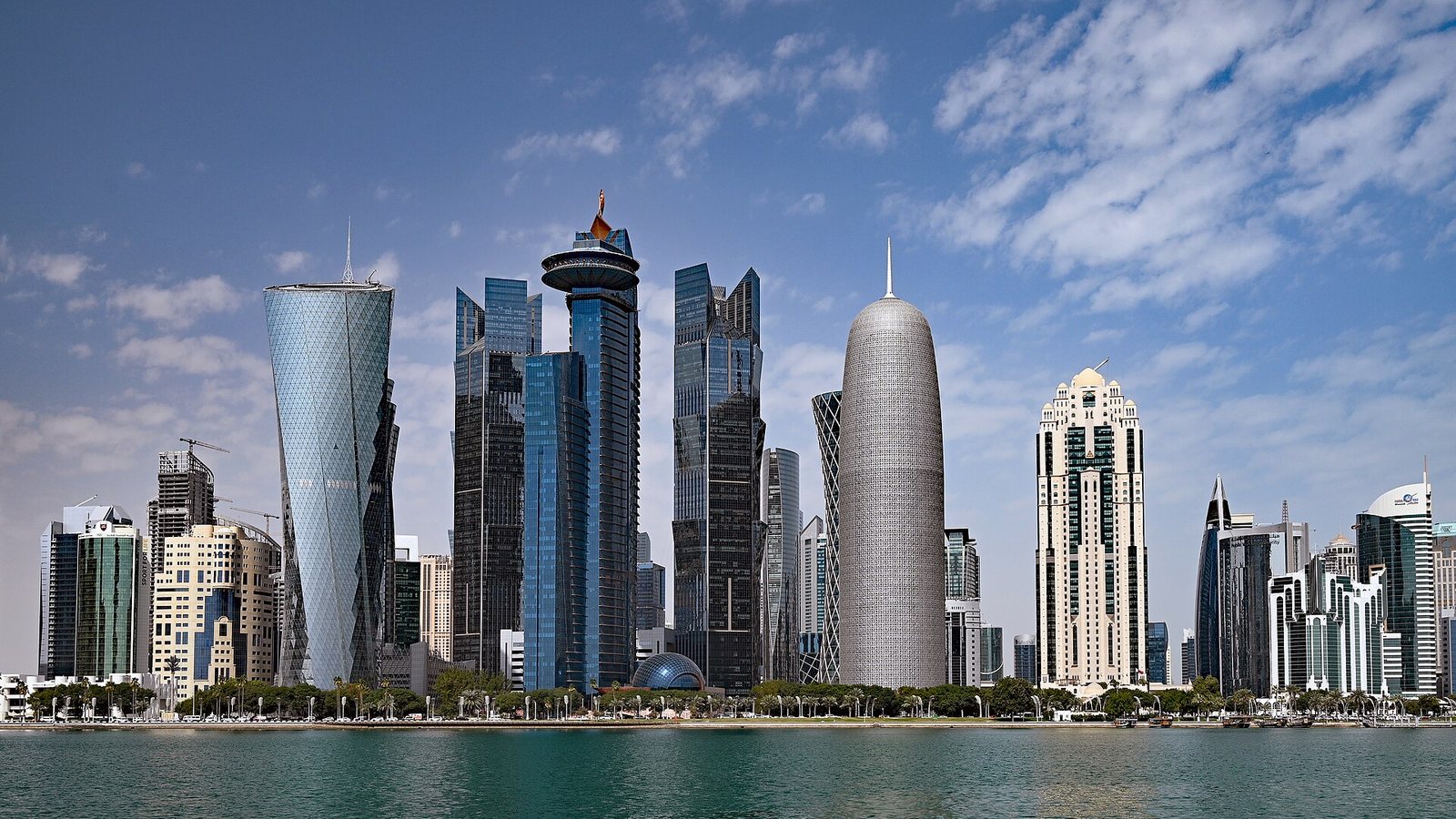
Beyond economics, Qatar offers a unique cultural blend where traditional souks sit beside gleaming skyscrapers. Residents enjoy world‑class healthcare, international schools, and a vibrant expatriate community that eases the transition for newcomers. The 2026 FIFA World Cup legacy left a network of high‑speed transport and entertainment venues, ensuring that social life and commuting are both convenient and enjoyable for families and singles alike.
Climate is a practical consideration: while summers can exceed 40 °C, the government invests heavily in indoor cooling, air‑conditioned public spaces, and shaded walkways. Winter months are mild, ideal for outdoor activities and exploring the desert landscape. Understanding these factors helps you plan your move with realistic expectations and prepares you to make the most of Qatar’s dynamic environment.
Visa landscape for newcomers in 2026
Qatar’s visa system is streamlined for skilled workers, students, investors, and family members. The most common route for professionals is the Work Residence Permit, which ties your residency to your employer’s sponsorship. Family visas allow spouses and children to join you, while Student Visas cover university enrolment with a minimum course length of six months. Investor visas grant residency to those committing significant capital to Qatar‑based enterprises.
Each visa type carries distinct requirements, processing times, and renewal conditions. Work visas typically need a labor‑market approval, a valid contract, and a medical fitness certificate. Family visas require proof of relationship, sufficient income, and a sponsor’s approval. Student visas demand an admission letter and proof of financial support. Investor visas involve a minimum investment threshold and a business plan vetted by the Ministry of Commerce.
Below is a concise comparison of the main visa categories. This table helps you quickly see which option aligns with your situation, guiding your document preparation and timeline planning.
| Visa Type | Primary Requirement | Typical Processing Time | Validity |
|---|---|---|---|
| Work Residence Permit | Employer sponsorship + labor‑market approval | 2‑4 weeks | 1‑3 years, renewable |
| Family Visa | Proof of relationship + sponsor’s income | 3‑6 weeks | Same as sponsor’s visa |
| Student Visa | University admission + financial proof | 4‑8 weeks | Duration of study program |
| Investor Visa | Minimum QAR 500,000 investment + business plan | 6‑10 weeks | 2‑5 years, renewable |
Step‑by‑step visa application timeline
Begin your visa journey at least 8‑12 weeks before your intended arrival date. First, gather core documents: passport (minimum six months validity), recent passport‑size photos, and any existing qualifications. Simultaneously, secure a job offer or enrollment confirmation, as these will be the cornerstone of your sponsor’s application. Early preparation reduces the risk of unexpected delays caused by missing paperwork or medical clearance requirements.
Next, submit your sponsor’s application through the Ministry of Interior’s online portal. The sponsor will upload the labor‑market approval (for work visas) or admission letter (for student visas) and pay the applicable fees. After the portal confirms receipt, you’ll schedule a medical examination at an authorized clinic, which includes blood tests and a chest X‑ray. The results are uploaded directly to the portal, completing the health clearance stage.
Finally, monitor the portal for the issuance of an entry permit, which you’ll receive via email. Print the permit and bring it to the Qatar immigration desk upon arrival. For peace of mind, many expatriates use SettleBuddy’s Visa AI module, which tracks deadlines, auto‑fills forms, and sends reminders, ensuring you stay on schedule throughout the entire process.
Finding accommodation: short‑term and long‑term options
New arrivals often start with short‑term rentals to allow time for neighborhood scouting. Popular platforms list serviced apartments in Doha’s West Bay, the Pearl, and Al Rashid, typically ranging from QAR 3,500 to QAR 7,000 per month for a one‑bedroom unit. These options include utilities, Wi‑Fi, and furniture, providing a hassle‑free landing pad while you search for a longer‑term lease that matches your budget and lifestyle.
When you’re ready for a permanent home, consider the lease market’s segmentation. High‑end compounds such as Al Khor and Lusail offer gated security, swimming pools, and on‑site maintenance, with rents averaging QAR 8,000‑QAR 12,000 for a two‑bedroom apartment. More affordable neighborhoods like Al Mansoura and Al Daeh feature older buildings but still provide easy access to public transport and supermarkets, with rents around QAR 4,500‑QAR 6,500.
SettleBuddy’s Housing AI assists you in narrowing down properties based on your preferred commute time, budget, and amenities. The tool aggregates listings, schedules viewings, and even drafts a rental agreement that complies with Qatar’s tenancy law, reducing the back‑and‑forth that typically slows down the housing search.
Navigating the rental contract and utilities
Once you select a property, the rental contract (known locally as the “Ejara” system) must be registered with the Ministry of Justice. The contract outlines rent, security deposit (usually one month’s rent), and the duration—most leases run for one year with a renewal option. Ensure the contract specifies who is responsible for maintenance and utility payments; in Qatar, tenants commonly cover electricity, water, and air‑conditioning costs.
Utility connections require a Qatar ID (QID) and a copy of the signed contract. Providers such as Kahramaa for water and electricity, and Ooredoo or Vodafone for internet, can set up accounts within 48‑72 hours. To avoid surprise bills, request a meter reading at move‑in and keep a record of all receipts. Some compounds handle utilities centrally, bundling them into a single monthly invoice for convenience.
If you encounter language barriers while negotiating terms, the Language Lab’s conversational modules can help you practice key rental vocabulary and phrases in Arabic. Mastering terms like “الإيجار” (rent) and “العقد” (contract) empowers you to communicate directly with landlords, reducing reliance on third‑party translators.
Learning Arabic for everyday life – Language Lab advantage
While English is widely spoken in business districts, everyday interactions—shopping, banking, and government services—often require basic Arabic. Language Lab, built specifically for movers, aligns its curriculum with the CEFR framework, offering bite‑size lessons that progress from A1 greetings to B1 workplace conversations in under three months of consistent practice.
The platform’s “Relocation Mode” focuses on scenario‑based learning: ordering food, asking for directions, and completing a utility registration. Each lesson includes audio from native speakers, interactive flashcards, and spaced‑repetition quizzes that reinforce retention. Users report feeling confident enough to handle routine tasks after completing the targeted modules, which shortens the cultural adjustment period dramatically.
Because the content is curated for Qatar’s context—covering local dialect nuances, common expressions, and cultural etiquette—learners avoid generic textbook pitfalls. Integrating Language Lab into your pre‑move checklist ensures you arrive with a functional language toolkit, making everyday transactions smoother and fostering quicker social connections.
Job market and career transition in Qatar 2026
Qatar’s job market in 2026 is buoyant, especially in sectors such as energy services, construction, finance, and emerging tech hubs like smart‑city initiatives. Multinational firms often sponsor work visas, but local recruitment agencies also seek skilled professionals in engineering, IT, and healthcare. Tailor your CV to the Qatar format—highlighting relevant certifications, Arabic language proficiency, and any regional experience—to increase interview success rates.
Networking remains a pivotal strategy. Attend industry‑specific events at the Doha Exhibition and Convention Center, join professional groups on LinkedIn, and participate in community meet‑ups organized by expatriate clubs. Many employers value referrals, so building a local network can accelerate job offers and shorten the visa sponsorship waiting period.
SettleBuddy’s Career AI streamlines this process by matching your profile with open positions that sponsor visas, providing resume‑optimisation tips, and even scheduling virtual interview practice sessions. The system’s integration with the visa module ensures that any job offer automatically triggers the necessary sponsorship documentation, keeping your relocation timeline on track.
Healthcare, schooling, and family services
Qatar’s healthcare system offers both public and private options. Expatriates with employer‑provided health insurance gain access to state‑of‑the‑art facilities like Hamad Medical Corporation hospitals, which deliver specialist care without out‑of‑pocket costs. If you lack employer coverage, purchasing a private plan through a local insurer is advisable; most plans cover hospitalization, maternity, and routine check‑ups, and can be activated within a week of enrollment.
Education choices range from public Arabic‑medium schools to a wide array of international curricula—British, American, French, and International Baccalaureate—spread across Doha’s districts. Tuition fees vary, with premium schools charging QAR 30,000‑QAR 60,000 per year. Early enrollment is essential, as spaces fill quickly during the September intake. For families with younger children, many compounds provide on‑site nurseries that follow Qatar’s early‑learning standards.
Family services extend to recreational clubs, sports facilities, and community centers that organize cultural outings, language exchange events, and parenting workshops. Leveraging these resources helps your family settle quickly, fostering a sense of belonging. SettleBuddy’s platform aggregates verified providers for health insurance and schools, allowing you to compare plans and apply directly through its unified dashboard.
Cultural etiquette and daily life tips
Understanding Qatari etiquette smooths social interactions. Public modesty is valued—dress conservatively in traditional neighborhoods, especially during Ramadan when fasting is observed. Greetings typically involve a handshake followed by “As‑salaamu ‘alaykum”; responding with “Wa ‘alaykum as‑salaam” demonstrates respect. When invited to a Qatari home, it’s courteous to bring a small gift such as dates or sweets, and to remove shoes before entering.
Ramadan, which may fall in different months each year, brings altered business hours: many offices close early on weekdays and remain closed on Fridays. Plan your work schedule accordingly, and be aware that eating, drinking, or smoking in public during daylight is prohibited for everyone, not just Muslims. Restaurants often provide separate “Ramadan menus” that open after sunset.
Transportation is efficient, with Doha Metro’s Red, Green, and Gold lines covering most urban areas. Taxis are plentiful, but ride‑hailing apps like Karwa provide fare transparency and driver verification. For drivers, a Qatari driving license is required after 30 days of residency; the conversion process is straightforward, involving a simple health check and a brief theory test.
Integrating everything with SettleBuddy’s relocation OS
SettleBuddy serves as a single‑system hub that synchronizes language learning, visa processing, housing search, and career planning. By centralizing these moving parts, the platform eliminates the need to juggle multiple apps, spreadsheets, and email threads, reducing the mental load that often accompanies an international move. Its AI‑driven dashboards provide real‑time status updates, deadline alerts, and personalized recommendations based on your profile.
When you launch SettleBuddy, you input your target move date, profession, family composition, and budget. The system instantly generates a customized roadmap: Language Lab lessons for the next 90 days, a visa checklist with document templates, curated housing options that match your commute preferences, and a curated list of job openings that sponsor visas. Each step is linked, so completing a language module unlocks the next visa milestone, keeping you motivated.
Because the OS is built specifically for relocation, it incorporates local regulations, cultural nuances, and real‑world scenarios that generic tools miss. Whether you’re negotiating a rental contract, preparing for a medical exam, or learning how to order coffee in Arabic, SettleBuddy offers contextual guidance that streamlines the experience. This holistic approach makes it the most efficient way to move to Qatar in 2026.
Where SettleBuddy comes in
SettleBuddy is the AI relocation OS for your whole move — language, visas, housing and career in one place. This part of the move is handled by SettleBuddy: the AI relocation OS for your whole move — language, visas, housing and career.
Explore SettleBuddy →Key takeaways
- Start visa preparation 8‑12 weeks ahead, using SettleBuddy’s Visa AI to stay on schedule.
- Secure short‑term housing first, then use Housing AI to find a long‑term lease that fits budget and commute.
- Learn practical Arabic with Language Lab’s CEFR‑aligned modules to handle everyday tasks confidently.
- Leverage Qatar’s growing job market by networking and using Career AI for visa‑compatible positions.
- Integrate language, visa, housing, and career steps in one platform to reduce stress and accelerate settlement.
FAQ
Do I need a local sponsor to obtain a work visa in Qatar?
Yes, a Qatari employer or a recognized business entity must sponsor your work visa. The sponsor handles labor‑market approval and submits the necessary documents on your behalf.
Can I bring my family with me on a work visa?
Family members can join you on a dependent visa, provided your salary meets the minimum threshold set by the Ministry of Interior and you have suitable housing.
How long does it take to register a rental contract with the Ejara system?
The registration process usually takes 3‑5 business days after both parties sign the contract and submit the required identification documents.
Is Arabic required for daily life in Qatar?
English is common in business districts, but basic Arabic greatly eases everyday interactions such as shopping, banking, and navigating public services.
What should I do if I need legal advice on my visa?
SettleBuddy directs you to licensed immigration professionals for regulated advice, ensuring you receive accurate, legally compliant guidance.