Moving to Switzerland: Registration, Insurance Deadlines and First Steps (2026)
Swiss arrival bureaucracy is efficient, polite and unforgiving in exactly two places: a fourteen-day registration clock that must beat your first working day, and a health-insurance rule that charges you retroactively however long you procrastinate. Here's the full first-month sequence in dependency order.
Quick answer
The sequence: ① Commune registration — the timeline varies (confirm the current timeline on the official source) of arrival — and before starting work (Einwohnerkontrolle: passport, contracts, photos → biometric permit card follows). ② Health insurance — the timeline varies (confirm the current timeline on the official source) — premiums retroactive to day one, per-person, from any KVG insurer; compare models, premiums differ hugely. ③ Bank account (passport + registration + contract). ④ AHV number arrives via employer enrolment; keep the card. ⑤ Understand tax-at-source on B permits. Everything else — phone, Serafe media fee, pillar 3a — follows. Sources below.
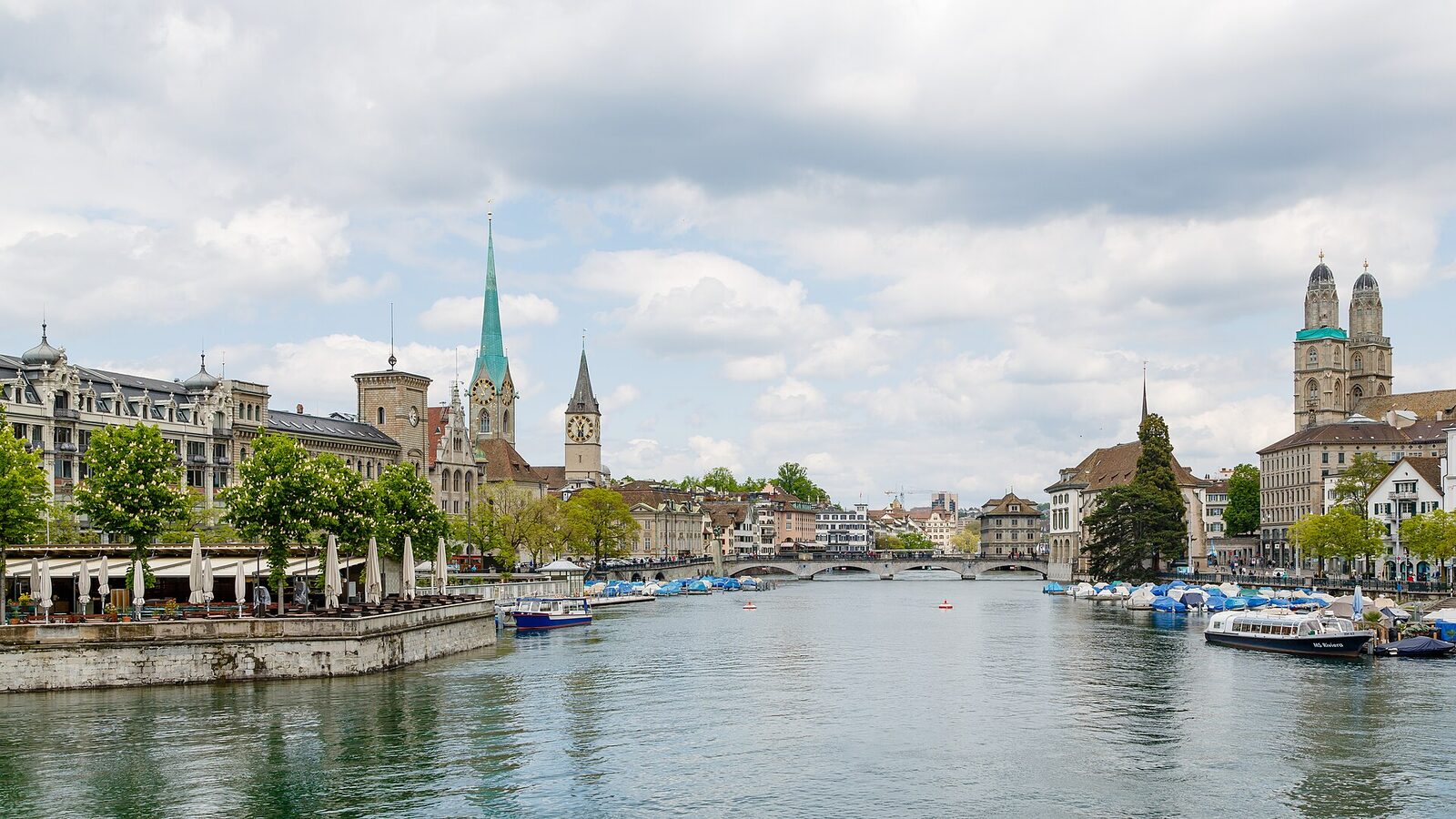
Step 1 (day 1–14): the commune registration
Every Swiss resident registers with their commune's residents' office — Einwohnerkontrolle / Contrôle des habitants — within 14 days of arrival, and before taking up employment. Bring: passport (with D visa where applicable), employment contract, rental contract or landlord confirmation, passport photos, civil documents for families (apostilled, translated). You'll pay the modest permit fees (cantonal caps: CHF 95 non-EU, CHF 65 combined for EU/EFTA cards) and provide biometrics; the permit card arrives by post. The registration confirmation unlocks everything downstream — scan it immediately. Moving within Switzerland repeats the ritual: deregister in the old commune, register in the new one — the timeline varies (confirm the current timeline on the official source); cantonal moves on non-C permits need the new canton's approval first.
Step 2 (week 1, deadline month 3): the insurance trap
Switzerland's mandatory basic insurance (KVG/LaMal) is unlike its neighbours': every resident buys an individual policy from a private insurer — there is no employer enrolment, no family coverage, no automatic anything. The rules that bite:
- 3-month deadline from arrival — with retroactive effect: whenever you enrol within the window, coverage and premiums run from day one. Waiting 11 weeks saves nothing and risks a gap-with-backpay mess. Enrol in week one.
- Per person, including newborns and children — the per-head premium structure is the single most underestimated cost in Swiss family budgets. Cantonal premium subsidies (Prämienverbilligung) exist for modest incomes — apply, they're real money.
- Premiums vary enormously by canton, deductible (CHF 300–2,500 franchise) and model (free choice vs HMO/family-doctor/telmed) — comparing on the official priminfo.admin.ch calculator routinely saves four figures a year. Basic-coverage benefits are identical by law across insurers; you're comparing price and service only.
- EU arrivals with equivalent coverage (e.g. posted workers, students with EHIC-grade cover) can seek exemption — a formal application, not an assumption.

Step 3 (week 1–2): money and the AHV number
- Bank account: passport + registration confirmation + employment contract opens accounts everywhere; salary accounts are free-ish, and the fintech bridge works for the deposit-before-first-salary gap. Landlord deposits sit in dedicated Mietkaution accounts (up to 3 months' rent).
- AHV number (756.xxxx…): your social-security identity — created via your employer's enrolment with the compensation office; the card follows by post. It threads through pension, insurance claims and increasingly e-government. Self-employed and inactive residents enrol directly (see the self-employment guide for SVA affiliation).
- Pension pillars, briefly: AHV (state, automatic via payroll) + pillar 2 occupational fund (automatic above the entry threshold — your employer's fund documents are worth actually reading) + voluntary pillar 3a (tax-deductible up to the annual cap — open one once the salary flows; it's Switzerland's standard tax lever).
- Tax at source: B-permit employees are taxed via payroll (Quellensteuer) at cantonal rates; above an income threshold or on reaching C, you shift to ordinary assessment with returns. Cross-border and multi-canton situations: get the first year advised.
Step 4 (month 1): the rest of the machine
- Serafe: the household media fee (~CHF 300/year) bills automatically off the resident register — no action, just expect the letter.
- Phone/internet: ID + registration; Swiss contracts run long notice periods — read before signing.
- Liability + household insurance: not legally mandatory but socially and practically expected — landlords commonly require personal-liability cover.
- Driving licence: exchange the foreign licence within 12 months (direct exchange for many countries; others test) — calendar it now, the deadline is real.
- Deregistration discipline: when eventually leaving Switzerland, deregister — it closes tax-at-source cleanly, triggers pension-fund vesting decisions, and preserves the record every future Swiss process will read (including C-permit retention planning).
The dependency map
| Blocked item | Unblocked by |
|---|---|
| Starting work legally | Commune registration (before day one) |
| Permit card, everything official | Registration + biometrics |
| Bank account (traditional) | Registration confirmation + contract |
| Doctor visits without drama | KVG enrolment (week one, not month three) |
| Pension record, claims, e-gov | AHV number via employer enrolment |
Budgeting month one: the numbers nobody warns you about
Swiss arrival is front-loaded with cash demands that surprise even well-paid movers, because several of them don't exist elsewhere. The rental deposit alone — up to three months' rent in a blocked Mietkaution account — can exceed CHF 6,000 in Zurich or Geneva before you've bought a single chair. First insurance premiums arrive as a family-sized bill (retroactive to day one, remember), often CHF 300–900/month for a household before subsidies. Add agency fees where applicable, the permit fees, licence exchange, and the everyday sticker shock (Switzerland runs roughly half again above German prices on groceries and services), and a realistic month-one buffer is two to three months of gross salary in liquid funds — beyond the deposit. The compensations are equally real: salaries price all this in, the 13th salary is standard in most contracts, taxes at source are gentler than most arrivals expect, and quality-of-everything is the national product. But sequence your cash: movers who arrive with the buffer sail through the checklist above in a fortnight; movers who arrive salary-to-salary spend their first quarter juggling deposits against premiums, all of it avoidable with one spreadsheet before the flight.
Language at the counter
Commune offices run in the cantonal language — German (spoken: dialect; written and with newcomers: standard German), French or Italian — with English competence high in cities and variable elsewhere. The counter vocabulary is small; the confidence gain from owning it is not. A focused fortnight on the registration/insurance/bank scenario set (a core unit in Language Lab, which runs all three Swiss national languages) converts week one from a translation exercise into an errand list — and starts the clock on the A2/B1 language file that Swiss settlement will eventually ask of you anyway.
Key takeaways
- 14 days to register — and before your first working day. Scan the confirmation.
- Insurance: 3-month deadline, retroactive premiums, per person. Enrol week one; compare on priminfo; claim subsidies if eligible.
- AHV number via employer; pillar 3a once salary flows; tax-at-source on B permits.
- Serafe bills automatically; licence exchange — the timeline varies (confirm the current timeline on the official source); deregister properly on any future exit.
- Counter language = cantonal language — rehearse the small vocabulary that runs week one.
FAQ
Can I start work before the permit card arrives?
Registration (not the physical card) is the gate — register before day one and work while the card is produced. EU/EFTA short assignments under 3 months run on the online notification procedure without a permit at all.
Which insurance model should a healthy newcomer pick?
Most newcomers over-insure: a high franchise (CHF 2,500) + telmed/HMO model minimises premiums if you rarely see doctors — and you can change model and insurer annually (notice deadlines in autumn). Basic benefits are identical by law.
Do I need a Swiss bank for salary?
Employers pay into any Swiss-IBAN account — fintechs qualify. Traditional banks earn their keep later (pillar 3a, mortgages, deposit accounts).
I'm a cross-border commuter — does this all apply?
G-permit commuters register their employment, not residence; insurance follows special cross-border rules with an option right between systems. Different checklist — the residence steps here apply to movers.
Sources (official only)
- Registration duty and permit procedure: AIG/VZAE framework — sem.admin.ch — residence; fees: GebV-AIG (SR 142.209), fedlex.admin.ch
- Mandatory insurance, 3-month rule and retroactivity: KVG (SR 832.10) — fedlex.admin.ch — KVG; official premium comparison: priminfo.admin.ch
- AHV/social insurance: ahv-iv.ch — official information centre
- Media fee: serafe.ch
Verified against the sources above as of 22 July 2026. Communal/cantonal practice governs details and hours. Information, not legal advice.