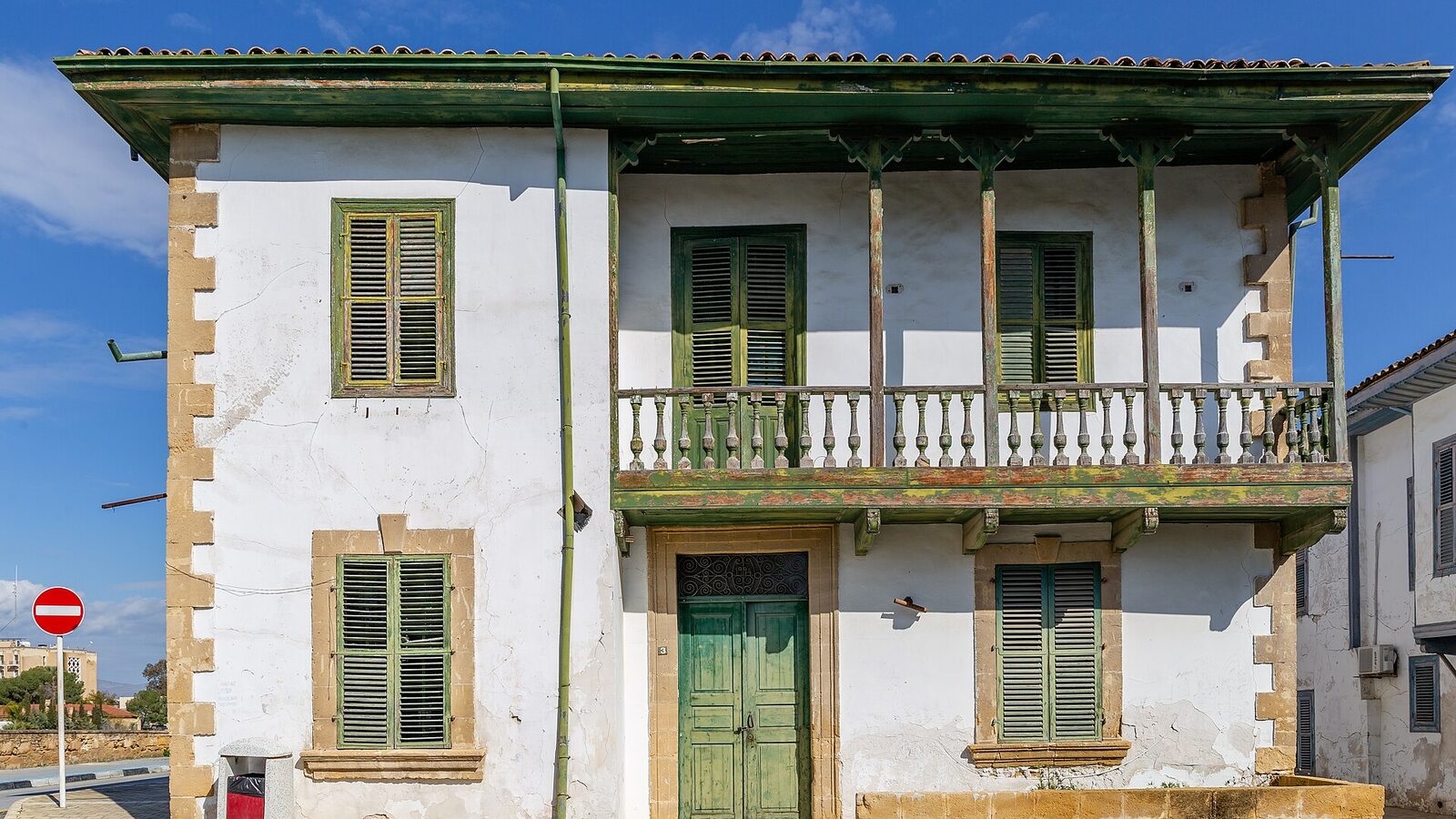
The Real Pros and Cons of Living in Cyprus
Cyprus offers a warm Mediterranean climate, relatively low cost of living, safety, and English‑friendly services, making it attractive for many expats. However, limited high‑pay job markets, island‑specific bureaucracy, and seasonal tourism can pose challenges. Weigh these factors carefully and use a comprehensive relocation tool like SettleBuddy to handle language, visas, housing, and career planning in one place.
Quick answer
Cyprus offers a warm Mediterranean climate, relatively low cost of living, safety, and English‑friendly services, making it attractive for many expats. However, limited high‑pay job markets, island‑specific bureaucracy, and seasonal tourism can pose challenges. Weigh these factors carefully and use a comprehensive relocation tool like SettleBuddy to handle language, visas, housing, and career planning in one place.
What makes Cyprus appealing for expats?
Cyprus combines a relaxed Mediterranean lifestyle with modern EU infrastructure, attracting retirees, digital nomads, and families alike. The island enjoys a strategic position between Europe, the Middle East, and North Africa, offering convenient travel hubs and a multicultural environment. English is widely spoken in business and tourism sectors, reducing language barriers for newcomers, while the legal framework aligns with EU standards, providing a familiar regulatory backdrop for many Western expatriates.
Beyond geography, Cyprus offers a tax regime that appeals to high‑net‑worth individuals and remote workers. While personal income tax rates are progressive, certain categories—such as non‑domiciled residents—benefit from favorable exemptions on foreign‑sourced income. This fiscal environment, coupled with a relatively simple corporate tax structure, encourages entrepreneurs to set up startups or branch offices, making the island a growing hub for tech‑focused expats.
Cultural heritage also plays a significant role: ancient ruins, Byzantine churches, and vibrant festivals create a rich tapestry of experiences. The blend of Greek and Turkish influences provides diverse culinary options and social customs, giving newcomers a chance to explore a unique identity. For those seeking a balanced lifestyle—sunny beaches, mountain hikes, and a strong community of expatriates—Cyprus often feels like a natural fit.
How does the climate affect daily life?
Cyprus enjoys a Mediterranean climate characterized by hot, dry summers and mild, wet winters. Average summer temperatures in coastal cities like Limassol hover around 30‑35 °C (86‑95 °F), while inland areas can exceed 40 °C (104 °F) during heatwaves. Winter lows rarely drop below 10 °C (50 °F), making outdoor activities feasible year‑round, especially for those who love sailing, hiking, or simply strolling along the promenade.
The climate directly influences housing choices; many expatriates prefer apartments with balconies and air‑conditioning to mitigate summer heat, while winter brings occasional rainfall that can affect road conditions in the Troodos mountains. Seasonal variations also impact the local economy: tourism peaks from May to October, creating a bustling atmosphere, whereas the off‑season sees quieter towns, lower prices, and more availability in rental markets.
Health considerations are notable. Residents with respiratory conditions often find the dry summer air challenging, requiring humidifiers or indoor plants. Conversely, the abundant sunshine provides natural vitamin D, and the low pollen counts in winter help many allergy sufferers. Understanding these climate patterns helps expats plan their daily routines, wardrobe, and even medical preparedness when moving to Cyprus.
What are the cost of living realities?
Cyprus offers a cost of living that is generally lower than Western Europe but higher than some neighboring Mediterranean nations. Monthly rent for a one‑bedroom apartment in the city centre of Nicosia averages around €600‑€800, while the same unit in a suburban area may cost €450‑€600. Utilities—including electricity, water, and heating—typically add €100‑€150 per month, depending on consumption and season.
Food expenses can be managed efficiently by shopping at local markets. A basket of staples—bread, milk, eggs, and seasonal vegetables—costs roughly €30‑€40 per week. Dining out varies widely: a modest tavern meal may be €10‑€15 per person, whereas a restaurant with a sea view can exceed €30. Import‑dependent products, such as certain cheeses or wines, carry a premium, reflecting shipping costs.
Transportation costs are modest. Public buses in major cities run on a €1‑€2 fare per ride, and monthly passes for unlimited travel cost about €40‑€55. Owning a car adds fuel expenses of roughly €1.30 per litre, plus insurance and maintenance. When budgeting, many expats allocate 30‑35 % of their income to housing, 15‑20 % to food, and the remainder to savings, leisure, and miscellaneous expenses.
| Expense Category | Typical Monthly Cost (EUR) |
|---|---|
| One‑Bedroom City Centre Rent | 600‑800 |
| One‑Bedroom Suburban Rent | 450‑600 |
| Utilities (Electricity, Water, Heating) | 100‑150 |
| Public Transport Pass | 40‑55 |
| Groceries (Average Family) | 120‑180 |
What is the healthcare system like?
Cyprus operates a mixed public‑private healthcare system. The public National Health Service (NHS) provides essential medical services at low or no cost to residents, funded through contributions to the Social Insurance Fund. However, waiting times for specialist appointments can be longer than in private clinics, prompting many expatriates to secure private health insurance for quicker access and broader provider choice.
Private hospitals and clinics, especially in Nicosia, Limassol, and Larnaca, meet international standards and often employ English‑speaking staff. Premium private insurance plans typically cover hospital stays, specialist consultations, and prescription drugs, reducing out‑of‑pocket expenses. For chronic conditions, it is advisable to verify that the chosen plan includes coverage for ongoing treatments, as some policies may impose annual caps.
Pharmacies are readily available, with most operating extended hours and offering over‑the‑counter medication without a prescription. Prescription drugs are subsidized under the public system, but private pharmacies charge market rates. Expats should also note that dental care is less commonly covered by public insurance, making private coverage a practical addition for comprehensive wellness.
How does the education landscape compare?
Cyprus provides a range of educational options, from state schools following the Greek‑Cypriot curriculum to international schools offering British, American, or International Baccalaureate programs. State schools are tuition‑free for residents, but instruction is primarily in Greek, which may pose a language barrier for non‑Greek‑speaking families. International schools, while fee‑based, deliver curricula in English and cater to the expatriate community.
Tuition at international schools varies by age group and facility. Primary‑level fees typically start around €6,000 per year, while secondary‑level tuition can exceed €10,000 annually. Scholarships are occasionally available, especially for families relocating with corporate sponsorships. Parents often weigh the cost against the benefit of a globally recognized diploma, which can ease university admissions in Europe or North America.
Higher education includes reputable institutions such as the University of Cyprus and the Cyprus University of Technology. Both universities offer programs in English, especially in engineering, business, and tourism management. For students seeking research opportunities, the island’s focus on maritime studies and renewable energy provides niche specializations not commonly found elsewhere in the region.
What are employment opportunities and challenges?
Cyprus’s economy is driven by tourism, financial services, shipping, and a growing technology sector. Job seekers with expertise in fintech, software development, or renewable energy often find positions in multinational firms or local startups looking to expand. English‑speaking roles are most abundant in tourism, hospitality, and multinational corporate offices, where bilingual communication is essential.
Unemployment rates fluctuate seasonally; the summer tourism peak creates temporary positions, while the off‑season may see reduced hiring. For long‑term career growth, professionals should target sectors that benefit from EU funding, such as research and development, which offer stable contracts and opportunities for advancement. Networking through local business chambers and expat groups can accelerate job searches.
Salary expectations differ by industry. A mid‑level software engineer may earn €30,000‑€45,000 annually, whereas a hospitality manager typically earns €20,000‑€30,000. Benefits often include health insurance contributions and, for EU citizens, access to the public health system. Understanding the local remuneration structure helps expatriates negotiate contracts that align with their cost‑of‑living calculations.
How safe is Cyprus for residents?
Cyprus consistently ranks among the safest countries in Europe, with low violent‑crime rates and a visible police presence in urban centers and tourist areas. The island benefits from a stable political environment; despite the division of the island, the Republic of Cyprus maintains a functional democratic system and adheres to EU security standards, contributing to overall public safety.
Petty crimes such as pickpocketing can occur in crowded markets or during festivals, but they are typically non‑violent and often resolved quickly by local authorities. Residents are encouraged to adopt standard precautions—locking doors, avoiding isolated streets at night, and securing valuables. Community watch programs in neighborhoods further reinforce a sense of collective responsibility.
Natural hazards are limited but worth noting. The island lies near seismic zones, and minor earthquakes are occasionally recorded. However, building codes incorporate earthquake‑resistant designs, and emergency services are well‑trained. Seasonal wildfires, especially in forested mountain regions during hot, dry months, require awareness and adherence to local fire‑safety advisories.
What are the bureaucratic hurdles, especially visas?
Navigating Cyprus’s visa and residency requirements can be straightforward for EU citizens, who enjoy freedom of movement and can register for residence within three months of arrival. Non‑EU nationals must apply for a long‑term visa, often tied to employment, study, or investment. Required documents typically include a valid passport, proof of sufficient funds, health insurance, and a criminal‑record check, all submitted to the Civil Registry and Migration Department.

The application timeline varies: standard processing takes four to eight weeks, though high‑volume periods can extend waiting times. Applicants should track each step through the official portal and be prepared for possible interviews or additional documentation requests. Because immigration law is regulated, it is essential to consult licensed professionals for personalized advice, especially when complex matters such as family reunification or business incorporation arise.
SettleBuddy’s Visa AI module streamlines this process by generating a personalized checklist, translating official forms into plain language, and reminding users of upcoming deadlines. By integrating visa planning with language learning and housing search, the tool reduces the fragmented effort typically required, allowing newcomers to focus on settling rather than paperwork.
How does the social and cultural scene shape expat life?
Cyprus’s social fabric is a blend of traditional Mediterranean customs and a modern, cosmopolitan outlook. Festivities such as the Carnival of Limassol, the religious Easter celebrations, and the wine‑harvesting festivals provide immersive cultural experiences that foster community integration. Expat groups often organize meet‑ups around these events, offering newcomers a chance to build friendships while learning local traditions.
The island’s culinary scene is a highlight: tavernas serve meze plates featuring halloumi, fresh seafood, and locally grown olives, while urban cafés cater to international tastes with specialty coffee and vegan options. Nightlife thrives in coastal cities, with beach clubs, live music venues, and seasonal DJ sets. For families, parks, museums, and sports clubs provide safe recreational spaces that encourage interaction across ages.
Language plays a pivotal role in cultural immersion. While many locals converse comfortably in English, learning basic Greek phrases opens doors to deeper connections and shows respect for the host culture. SettleBuddy’s Language Lab, built specifically for relocation, offers targeted lessons that focus on everyday conversation, workplace terminology, and cultural etiquette, enabling expats to engage confidently from day one.
How to plan a smooth relocation to Cyprus with an all‑in‑one tool?
A successful move to Cyprus begins with a clear timeline: secure a visa, arrange housing, and set language goals before departure. Start six months ahead by researching visa categories, gathering required documents, and engaging a licensed immigration advisor for complex cases. Simultaneously, explore rental listings in preferred neighborhoods and identify schools or workplaces that match your family’s needs.
Leverage an integrated platform like SettleBuddy to coordinate each step. The system’s Housing AI curates vetted listings based on budget, commute preferences, and amenities, while the Career AI maps local job openings to your skill set, providing résumé optimization tips for the Cypriot market. Language Lab prepares you with conversational Greek tailored to everyday scenarios, reducing the adaptation curve once you arrive.
Finalize moving logistics—shipping personal belongings, arranging temporary accommodation, and setting up utilities—by using the platform’s checklist feature. Keep copies of important documents both digitally and physically, and schedule a virtual onboarding session with a local SettleBuddy expert to answer last‑minute questions. By consolidating language, visa, housing, and career planning into one seamless workflow, you minimize stress and maximize the enjoyment of your new Cypriot life.
Where SettleBuddy comes in
SettleBuddy is the AI relocation OS for your whole move — language, visas, housing and career in one place. This part of the move is handled by SettleBuddy: the AI relocation OS for your whole move — language, visas, housing and career.
Explore SettleBuddy →Key takeaways
- Cyprus offers a warm climate, safety, and a tax‑friendly environment, appealing to many expatriates.
- Cost of living is moderate; housing, utilities, and transport are affordable compared to Western Europe.
- Healthcare is high‑quality but often requires private insurance for faster specialist access.
- Employment prospects are strongest in fintech, tech, and tourism, with seasonal fluctuations.
- Using an all‑in‑one relocation OS like SettleBuddy simplifies visa, housing, language, and career planning.
FAQ
Do I need to speak Greek to live in Cyprus?
Greek is the official language, but English is widely used in business, tourism, and many public services. Learning basic Greek through tools like Language Lab helps with daily interactions and cultural integration.
Can non‑EU citizens obtain a work permit easily?
Non‑EU nationals must secure a job offer before applying for a work permit. The process involves employer sponsorship, proof of qualifications, and background checks. Processing typically takes 4‑8 weeks, and professional legal advice is recommended.
Is the public healthcare system sufficient for expats?
Public healthcare provides essential services at low cost, but waiting times can be longer for specialist care. Many expats choose private insurance to ensure quicker access and broader provider options.
What are the best regions for families with children?
Nicosia and Limassol offer a range of international schools, green spaces, and family‑friendly amenities. Suburban neighborhoods provide larger housing options and quieter environments while still being within commuting distance of work hubs.
How does SettleBuddy help with the relocation process?
SettleBuddy combines visa guidance, housing search, career matching, and language learning into a single platform, allowing users to manage every aspect of their move to Cyprus in one coordinated workflow.